Betta fish are naturally territorial and can become angry when provoked. This guide reveals the common actions that make a betta fish mad, explains the signs of aggression, and offers tips to keep your finned friend calm and thriving.
Key Takeaways
- Territorial triggers: Small tanks, mirrors, and other fish can spark aggression.
- Visual stressors: Bright lights, sudden movements, and reflective surfaces often upset bettas.
- Environmental factors: Poor water quality and improper temperature can make a betta fish irritable.
- Behavioral cues: Gasping, flaring fins, and rapid swimming signal that your betta is angry.
- Prevention tips: Proper tank setup, enrichment, and routine care keep aggression at bay.
- When to intervene: Knowing when aggression turns dangerous helps you protect your fish.
- Ethical note: Deliberately making a betta fish mad is not recommended; understanding triggers helps you avoid harm.
📑 Table of Contents
- Introduction: Why Knowing How to Make a Betta Fish Mad Matters
- 1. The Science Behind Betta Aggression
- 2. Common Triggers That Make a Betta Fish Mad
- 3. Recognizing the Signs of a Mad Betta
- 4. How to Prevent Unwanted Aggression
- 5. Ethical Considerations: Why You Shouldn’t Deliberately Anger Your Betta
- 6. What to Do If Your Betta Is Already Angry
- Conclusion: Turn Knowledge Into Compassion
Introduction: Why Knowing How to Make a Betta Fish Mad Matters
Betta fish, also called Siamese fighting fish, are famous for their bright colors and dramatic fin displays. Their name hints at a natural tendency to fight—especially when they feel threatened. While many owners enjoy watching a betta flare its fins, deliberately provoking aggression can cause stress, illness, and even death.
Understanding how to make a betta fish mad is less about causing trouble and more about recognizing the situations that trigger anger. By knowing these triggers, you can prevent accidental stressors, keep your fish comfortable, and create a healthier environment.
1. The Science Behind Betta Aggression
Evolutionary roots
In the wild, male bettas defend small, shallow pools that hold limited resources. Their bright colors act as a warning sign to rivals, and their powerful jaws and fins are weapons for territorial battles. This evolutionary background means that any perceived intruder can set off a fight response.
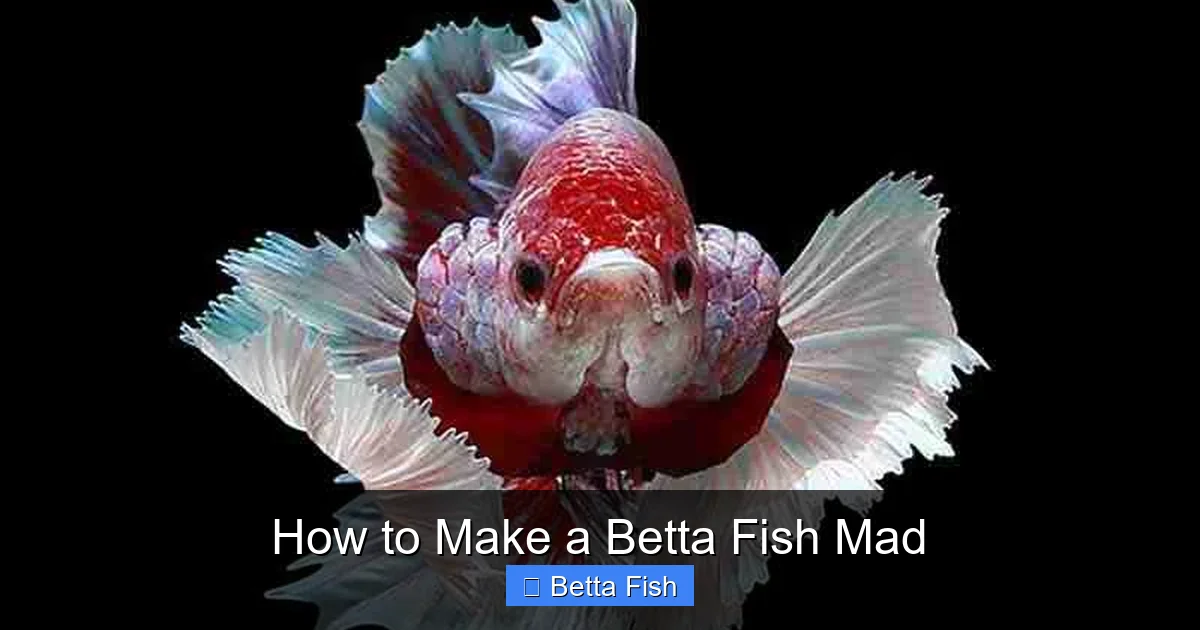
Visual guide about How to Make a Betta Fish Mad
Image source: fishkeepingacademy.com
Hormones and the “fight‑or‑flight” response
When a betta senses a threat, it releases adrenaline and cortisol. These hormones cause the fish to flare its gills, raise its fins, and swim aggressively. Prolonged exposure to stress hormones weakens the immune system, making the fish more susceptible to disease.
2. Common Triggers That Make a Betta Fish Mad
2.1. Mirrors and Reflections
Seeing its own reflection is the classic way to make a betta fish mad. The fish believes another male is invading its territory and will flare, bite, and chase the “intruder” for minutes at a time. While a quick mirror test can help you determine gender, repeated exposure is cruel and can lead to fin damage.

Visual guide about How to Make a Betta Fish Mad
Image source: 3.bp.blogspot.com
For a gentler approach to gender identification, read our guide on how to tell the gender of a betta fish. It explains non‑stressful methods that avoid the mirror trap.
2.2. Overcrowded or Small Tanks
Betta fish need at least 2.5 gallons of water to swim comfortably. Cramped spaces make them feel trapped, and any movement can be interpreted as a challenge. A tiny bowl or a tank shared with aggressive tank mates will quickly ignite aggression.
Learn the basics of a proper setup in our article how to set up a tank for a betta fish, which covers size, filtration, and décor that reduce stress.
2.3. Bright Lights and Sudden Changes
Betas are native to shaded, slow‑moving waters. Harsh LED lights, frequent flashing, or sudden darkness can startle them. When the light switches on too quickly, the fish may interpret the change as a predator’s approach.
2.4. Incompatible Tank Mates
Although some community tanks can work, many fish—especially fin‑nippers like guppies—will provoke a betta. Even peaceful species that swim near the surface can be seen as rivals. If a betta feels its space is invaded, it will become angry and may attack.
2.5. Poor Water Quality
High ammonia, nitrite spikes, or low dissolved oxygen create a stressful environment. A stressed betta will display aggression more often, even toward harmless objects.
2.6. Temperature Fluctuations
Betta fish thrive at 78‑80°F (25‑27°C). A sudden drop or rise can cause discomfort, leading to irritability and flare-ups.
3. Recognizing the Signs of a Mad Betta
3.1. Fin Flaring
When a betta is angry, it spreads its dorsal, anal, and caudal fins to appear larger. The color often becomes more vivid.

Visual guide about How to Make a Betta Fish Mad
Image source: mapsland.com
3.2. Rapid, Erratic Swimming
Quick dashes from one side of the tank to the other, often ending in a pause to stare at a “threat,” indicate agitation.
3.3. Gasping at the Surface
Stress can cause a betta to gulp air more frequently. This is a red flag that the fish is uncomfortable.
3.4. Biting or Nipping the Glass
Repeated attempts to bite the tank glass usually mean the fish sees its reflection as an opponent.
3.5. Color Dulling After Prolonged Stress
A vibrant betta that suddenly looks pale or dull may be suffering from chronic stress.
4. How to Prevent Unwanted Aggression
4.1. Provide Adequate Space
Stick to a minimum of 2.5‑5 gallons per betta. Larger tanks give the fish room to explore and reduce territorial behavior.
4.2. Use a Proper Cover
A lid or canopy stops the fish from seeing reflections from the room’s lighting or moving shadows.
4.3. Choose Calm Decorations
Plants (real or silk) create hiding spots and break up line‑of‑sight. Avoid mirrors, shiny ornaments, or too many open spaces.
4.4. Maintain Water Quality
Perform regular water changes—about 25‑30% weekly—and test for ammonia, nitrite, and nitrate. A clean tank keeps stress hormones low.
4.5. Keep Consistent Lighting and Temperature
Use a timer for lights (8‑10 hours a day) and a reliable heater to hold temperature steady.
4.6. Limit Interaction with Mirrors
If you need to test a betta’s temperament, limit mirror exposure to 30 seconds and then remove it.
5. Ethical Considerations: Why You Shouldn’t Deliberately Anger Your Betta
5.1. Health Risks
Repeated aggression can lead to fin rot, injuries, and weakened immunity. A constantly angry betta is more likely to develop disease.
5.2. Moral Responsibility
Pet owners are caretakers, not entertainers. While it may be tempting to watch a betta “fight” its reflection, doing so for amusement is cruel.
5.3. Better Ways to Observe Natural Behaviors
Instead of provoking aggression, provide enrichment like floating toys, live plants, and gentle water currents. These stimulate natural hunting and exploring instincts without stress.
6. What to Do If Your Betta Is Already Angry
6.1. Remove the Trigger
Take away mirrors, aggressive tank mates, or any sudden stimuli. Give the fish a quiet corner to calm down.
6.2. Check Water Parameters
Test the water and perform a partial change if needed. Clean water can quickly reduce stress.
6.3. Offer a Stress‑Free Diet
High‑quality pellets or frozen foods like brine shrimp can boost immunity. Avoid over‑feeding, which can worsen water quality.
6.4. Provide Hiding Spaces
Introduce a smooth rock, a piece of driftwood, or a silk plant to let the betta retreat.
6.5. Monitor for Illness
If aggression continues for days, look for signs of fin rot or other disease. Our guide on how to know if a betta fish is dying can help you spot early warning signs.
Conclusion: Turn Knowledge Into Compassion
Knowing how to make a betta fish mad isn’t a recipe for mischief; it’s a roadmap to avoid those very triggers. By respecting a betta’s natural instincts, providing the right environment, and staying vigilant for signs of stress, you’ll enjoy a vibrant, healthy companion that shows off its natural beauty—not its fury.
Remember, a calm betta is a happy betta. Use the tips above to keep aggression at bay, and you’ll be rewarded with a graceful swimmer that brightens your home for years to come.
Frequently Asked Questions
Can a mirror be used safely to test a betta’s temperament?
Yes, but only for a short 30‑second observation. Prolonged exposure can cause stress, fin damage, and chronic aggression.
Why does my betta flare its fins when I turn on the aquarium light?
Sudden bright light can be perceived as a threat. Gradually increasing light intensity with a timer helps the fish adjust.
Is it ever okay to keep two male bettas together?
Generally no. Male bettas are highly territorial and will fight to the death if placed in the same tank.
How often should I change the water to keep my betta calm?
Changing 25‑30% of the water weekly, while testing parameters, maintains stable conditions and reduces stress.
What signs indicate my betta is stressed beyond aggression?
Look for faded colors, clamped fins, loss of appetite, or frequent gasping at the surface—these suggest illness or severe stress.
Can adding plants really help reduce a betta’s anger?
Yes. Live or silk plants create visual barriers and hiding spots, which can calm a territorial betta and lower aggression.