How Do Betta Fish Find Their Food
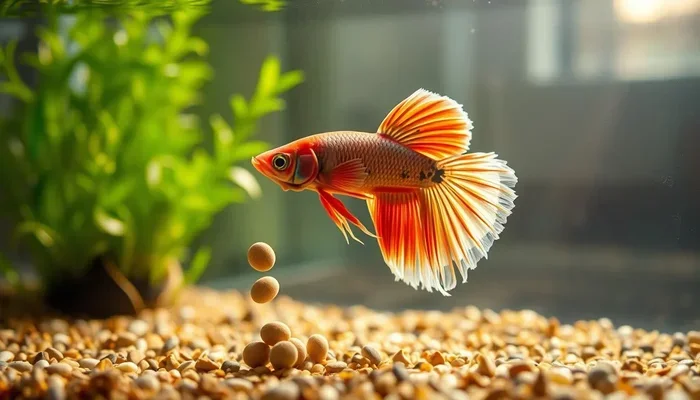
Betta fish use a mix of smell, sight, and natural instinct to find their food in the water. Understanding how do betta fish find their food helps you feed them better and keep them healthy. With the right setup and feeding routine, your betta will thrive and stay active every day.
If you own a betta fish, you have probably watched it swim around its tank looking for something to eat. It is fascinating to see how these colorful fish react when food enters the water. But have you ever wondered exactly how do betta fish find their food? The answer is more interesting than you might think.
Betta fish use a combination of senses and natural instincts to locate their meals. They do not just swim around randomly hoping to bump into something to eat. Instead, bettas rely on their keen sense of smell, their ability to detect movement, and their built-in hunting drive. Knowing this can help you become a better fish owner and make feeding time more enjoyable for both you and your fish.
In this guide, we will walk through everything you need to know about how betta fish find their food. We will cover their senses, their natural behavior, and practical tips you can use at home. By the end, you will have a clear picture of what goes on inside your betta’s tiny brain when it spots dinner. Let us dive right in.
Key Takeaways
- Betta fish rely on smell and sight: Their senses work together to detect food in the tank.
- They can find food in low light: Bettas have adapted to see and smell food even in dark conditions.
- Natural hunting instincts drive behavior: Wild bettas hunt small prey, and home bettas still show these habits.
- Food placement matters: Putting food in the right spot makes it easier for your betta to eat.
- Overfeeding is a common mistake: Feed small amounts to keep your betta healthy and the tank clean.
- Watch for appetite cues: A healthy betta will show excitement at feeding time.
📑 Table of Contents
How Betta Fish Use Their Senses to Find Food
Betta fish are more capable than most people realize. They have developed powerful senses over thousands of years of evolution. These senses help them survive in the wild and adapt to life in a home aquarium. Let us look at the two main senses bettas use to find food: smell and sight.
The Role of Smell in How Betta Fish Find Their Food
Betta fish have a very strong sense of smell. They use special cells in their nose, called olfactory receptors, to detect chemicals in the water. When you drop food into the tank, it releases tiny particles. Your betta can pick up these particles from quite a distance. This is why many bettas start swimming toward the food the moment it hits the water.
Interestingly, how do betta fish find their food by smell is very similar to how dogs track scents on land. The food sends out a chemical trail, and the betta follows it. This is also why betta fish smell their food in a large tank can still locate it even when the tank is big. Their sense of smell is that powerful.
Here are some key facts about betta fish and smell:
- Betta fish can detect food chemicals from several feet away in the water.
- They use smell more than sight when the water is murky or cloudy.
- Strong-smelling foods like bloodworms are easier for bettas to locate.
- Betta fish can remember food scents and associate them with feeding time.
How Betta Fish See Their Food
Sight plays a big role too. Betta fish have eyes on the sides of their heads, which gives them a wide field of vision. They can detect movement very well, which is helpful when food falls through the water. Even though bettas do not have perfect eyesight, they can spot food particles and live prey with ease.
Many people wonder, can betta fish see their food in the dark? The answer is yes, to a degree. Bettas can detect movement and shapes in low-light conditions. However, they rely more on smell when it is very dark. This is why some bettas seem to find food quickly even in dimly lit rooms.
Here is what you should know about betta fish vision:
- Bettas can see colors, especially blues and greens, very well.
- They detect movement better than still objects.
- Bright-colored foods may attract bettas faster than dull-colored ones.
- In very dark tanks, bettas switch more to using their sense of smell.
Can Betta Fish See Their Food in the Dark?
Understanding betta fish vision in low light is important for any fish owner. Bettas are native to Southeast Asia, where they live in shallow, warm waters. These waters are often covered by plants and debris, which means the light is not always bright. Over time, bettas adapted to see well even in dim conditions.
When the lights go off at night, your betta does not stop being active entirely. Bettas are crepuscular, which means they are most active during dawn and dusk. During these times, the light is low, and your fish still needs to find food if any is available. Their eyes adjust to the dark, and their other senses take over.
If you feed your betta in a dark room or turn off the tank light before feeding, do not worry. Your fish will still find the food. It might take a little longer, but the betta fish will use its senses to track it down. This is another reason why how do betta fish find their food is such a clever survival skill.
Natural Feeding Behavior of Betta Fish
To truly understand how do betta fish find their food, we need to look at their natural habitat. Wild bettas live in rice paddies, slow-moving streams, and shallow ponds across Thailand, Cambodia, and Vietnam. In these environments, food is not always easy to find. Bettas have learned to be efficient hunters.
How Bettas Hunt in the Wild
In the wild, bettas eat small insects, larvae, and tiny crustaceans. They are surface feeders, which means they grab food from the top of the water. When an insect lands on the surface, the betta darts up and eats it. This hunting behavior is built into their DNA, and it does not disappear just because they live in a tank.
When you watch your betta in the home aquarium, you may notice similar behaviors. Your fish might patrol the top of the tank, looking for anything that falls into the water. It will often hover near the surface, waiting for food to land. This is the hunting instinct at work.
Here is what wild betta feeding looks like:
- Betta fish watch the water surface for movement.
- They strike quickly when prey or food lands on the surface.
- They can go several hours between meals in the wild.
- They eat small amounts multiple times a day in their natural habitat.
What This Means for Home Feeding
Since bettas are natural surface feeders, it makes sense to feed them food that floats or stays near the top. Pellets designed for betta fish are a great choice because they float for a while before sinking. This mimics the way food behaves in the wild and makes it easier for your betta to find and eat it.
Live and frozen foods like brine shrimp and bloodworms also trigger the hunting instinct. When you drop these into the tank, your betta will chase them down. This kind of enrichment is not just about nutrition. It also keeps your fish mentally stimulated and active. A bored betta can become lazy or stressed, so feeding with movement is a great way to keep things interesting.
If you want to give your betta a more natural feeding experience, consider how to make betta fish food at home. Simple recipes using ingredients like shrimp, fish meal, and gelatin can recreate the texture and taste of live prey.
Tips to Make Feeding Time Easier for Your Betta
Now that you understand how do betta fish find their food, let us talk about how you can make feeding time better. Small changes in how you offer food can make a big difference in your betta’s health and happiness.
Best Practices for Food Placement
Where you drop the food in the tank matters more than you might think. Bettas prefer to eat near the surface, so dropping pellets there works best. If you drop food too far into the tank, your betta may not notice it right away. This can lead to uneaten food sitting at the bottom, which messes up the water quality.
Here are some easy tips for food placement:
- Drop food near the surface of the water, not at the bottom.
- Use a feeding ring or target area to keep food in one spot.
- Drop food close to where your betta likes to hang out.
- Feed small amounts so your betta can eat everything before it sinks.
Some owners also ask, can betta fish find food if it sinks to the bottom? The answer is yes, but it is harder for them. Bettas are not bottom feeders by nature, so they may ignore food that has already settled at the bottom. Always try to feed food that stays near the top or in the middle of the water column.
How Often Should You Feed Your Betta?
Feeding frequency is another important factor. Most experts recommend feeding adult bettas two small meals per day. This matches their natural eating pattern in the wild, where they eat small amounts throughout the day. For younger bettas or fry, you may need to feed more often, but in smaller portions.
The feeding schedule also depends on the type of betta. For example, how often do you feed a crowntail betta fish follows similar guidelines but may need slightly smaller portions due to their body shape. Overfeeding is one of the biggest mistakes new betta owners make, so always err on the side of less food rather than more.
Common Mistakes People Make When Feeding Bettas
Even with the best intentions, fish owners can make mistakes when feeding their bettas. These errors can affect how well your betta finds and eats its food, and they can impact overall health. Let us look at the most common ones.
Overfeeding Problems
Overfeeding is the number one mistake people make. Bettas have small stomachs, about the size of their eye. Giving them too much food at once can cause bloating, constipation, and poor water quality. Uneaten food also rots at the bottom of the tank, which releases harmful ammonia.
Signs of overfeeding include:
- Your betta leaving food untouched in the tank.
- A bloated or distended belly.
- Cloudy or dirty water shortly after feeding.
- Your betta becoming less active after meals.
To avoid these problems, feed only what your betta can eat in two to three minutes. If there is leftover food, remove it with a net or siphon. This keeps the tank clean and your betta healthy.
Wrong Food Choices
Not all fish food is created equal. Some owners feed their bettas generic tropical flakes or food meant for other species. While bettas can eat tropical fish food and regular fish food in a pinch, these do not provide the right nutrition. Bettas are carnivores and need a diet high in protein.
Best food choices for bettas include:
- High-quality betta pellets with at least 30% protein.
- Frozen bloodworms as an occasional treat.
- Live brine shrimp for active hunting enrichment.
- Daphnia, which aids digestion and adds variety.
You should also avoid feeding your betta human food like bread or crackers. These offer no nutritional value and can harm your fish. Stick to foods specifically designed for bettas or other carnivorous fish.
How to Know If Your Betta Is Getting Enough Food
After learning how do betta fish find their food, the next question is: how do you know if your fish is eating enough? Monitoring your betta’s behavior and physical condition gives you clear clues.
Signs of a Well-Fed Betta
A healthy, well-fed betta shows specific positive signs. These include bright, vivid colors, a rounded but not bloated belly, steady energy levels, and a strong appetite at feeding time. Your betta should eagerly swim to the surface when it sees food approaching.
A well-fed betta also maintains a healthy weight. You should be able to see a gentle curve in its body from above, but the belly should not be overly large. The fins should be held open and vibrant, not clamped or faded.
Warning Signs to Watch For
On the other hand, signs that your betta is not getting enough food include weight loss, dull colors, lethargy, and hiding more than usual. If your betta stops eating or seems uninterested in food, something may be wrong. It could be a health issue, stress, or simply that the food type is not appealing.
Try switching to a different food type or offering live or frozen treats to spark your betta’s appetite. If the problem continues for more than a few days, check the water parameters and consider consulting a fish health specialist.
Conclusion
How do betta fish find their food is a fascinating topic that shows just how smart and adapted these beautiful fish really are. From their powerful sense of smell to their sharp eyesight and natural hunting instincts, bettas have everything they need to locate meals in any environment. By understanding these abilities, you can set up a better feeding routine and keep your betta happy and healthy.
Remember to place food near the surface, feed small amounts twice a day, and choose high-protein foods that match your betta’s natural diet. Avoid overfeeding and watch for signs that your fish is thriving. With the right approach, feeding time becomes a joy for both you and your betta. Your fish will reward you with vibrant colors, active behavior, and a long, healthy life in your care.
Frequently Asked Questions
How do betta fish find food at the bottom of the tank?
Betta fish can find food at the bottom, but it is harder for them since they are surface feeders. They use their sense of smell to detect sinking food, but they prefer food that stays near the top. If your betta struggles to find bottom food, try using floating pellets instead.
Can betta fish smell their food from far away?
Yes, betta fish have a strong sense of smell and can detect food chemicals from several feet away in the water. This is why many bettas start swimming toward food the moment it hits the tank. Their olfactory receptors are highly sensitive and help them locate meals quickly.
How often should I feed my betta fish?
Most adult bettas do well with two small meals per day. This matches their natural eating pattern and prevents overfeeding. You can also feed younger bettas more frequently, but always in small portions to avoid health issues.
Why does my betta fish not seem interested in food?
There are several reasons a betta might lose interest in food, including stress, poor water quality, or illness. Try offering a different food type, such as live brine shrimp or frozen bloodworms, to spark their appetite. If the problem lasts more than a few days, check the tank conditions.
Do betta fish need special food to stay healthy?
Betta fish need a diet rich in protein to stay healthy. High-quality betta pellets, frozen bloodworms, and live foods like brine shrimp are excellent choices. Avoid feeding them generic tropical flakes or human food, as these lack the nutrients bettas need.
How can I make feeding time more natural for my betta?
You can make feeding more natural by offering foods that mimic what bettas eat in the wild, such as live or frozen prey. Use floating foods that stay near the surface, and feed small amounts your betta can finish quickly. This encourages natural hunting behavior and keeps your fish mentally active.