How to Identify Betta Fish Male or Female

Not sure if your betta is a macho fighter or a graceful lady? This guide breaks down the key differences in fins, size, and behavior so you can tell male from female in minutes. Follow our simple steps and keep your betta thriving.
Key Takeaways
- Fin shape matters: Males sport long, flowing fins; females have shorter, rounded fins.
- Body size clues: Females are usually bulkier and may have a more rounded belly.
- Color intensity: Males display brighter, more vivid colors, especially during displays.
- Behavioral hints: Males are more territorial and perform flaring displays.
- Egg spot (ovipositor) check: A small white spot near the vent indicates a female.
- Age factor: Young bettas often look alike; wait 3‑4 weeks for clear gender traits.
- Know the risks: Mixing sexes without proper setup can lead to aggression and stress.
📑 Table of Contents
- Introduction: Why Knowing the Gender Matters
- 1. Physical Features That Reveal Gender
- 2. Behavioral Clues to Spot the Difference
- 3. Age and Development: When Gender Becomes Clear
- 4. Practical Steps to Identify Your Betta’s Gender
- 5. What to Do Once You Know the Gender
- 6. Common Mistakes and How to Avoid Them
- Conclusion
Introduction: Why Knowing the Gender Matters
Betta fish are stunning, low‑maintenance pets, but they also have a reputation for being a bit “mystical” when it comes to gender. New owners often wonder, “How to identify betta fish male or female?” The answer isn’t just trivia—it affects tank setup, feeding, breeding plans, and even your fish’s happiness.
Getting the gender right helps you avoid accidental fights, choose the right tank mates, and give each fish the care it needs. In this friendly, step‑by‑step guide we’ll walk you through every visual and behavioral cue, share handy tips for tricky situations, and point you to deeper resources when you’re ready to dive deeper.
1. Physical Features That Reveal Gender
1.1. The Fin Factor
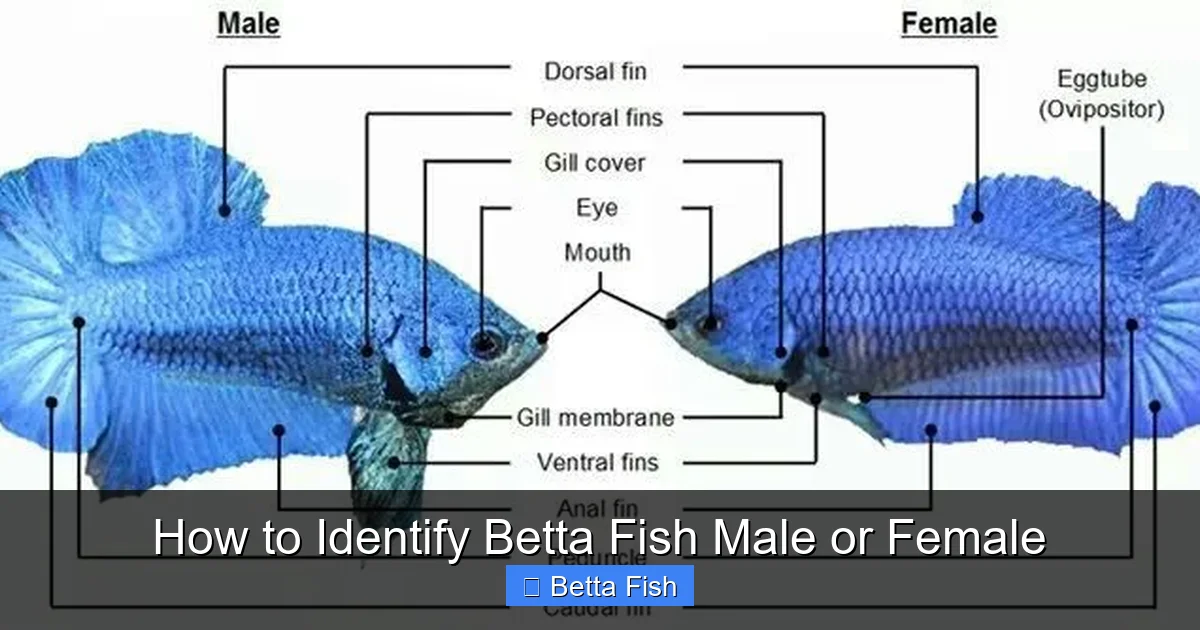
The most obvious difference is the fins. Male bettas grow spectacular, flowing fins that can stretch several inches beyond the body. Look for:
Visual guide about How to Identify Betta Fish Male or Female
Image source: i.pinimg.com
- Long, lace‑like caudal (tail) fin: Males often have a fan‑shaped tail with intricate edges.
- Extended dorsal fin: The dorsal (back) fin on a male is tall and may have a pointed tip.
- Broader pectoral fins: These side fins are usually larger and more ornamental on males.
Females, on the other hand, have shorter, more rounded fins. Their caudal fin is typically a simple triangle or slightly rounded shape, and the dorsal fin is modest in height.
1.2. Body Shape and Size
Females tend to be a bit plumper, especially when they are mature or carrying eggs. You may notice a subtle “bulge” near the vent (the rear opening). Males are usually slimmer and more streamlined.
1.3. Color Intensity and Patterns
While both sexes can be vivid, males often display richer, more saturated colors, especially when they are excited or defending territory. Females may have softer hues, and their colors can become brighter only during breeding readiness.
1.4. The Egg Spot (Ovipositor)
Females possess a tiny white or pale spot just below the vent—called the ovipositor or “egg spot.” It’s easy to miss on a young fish, but as the fish matures it becomes a reliable gender marker.
2. Behavioral Clues to Spot the Difference
2.1. Territorial Displays
Male bettas are notoriously territorial. If you see a fish constantly flaring its gills, puffing out its fins, or swimming aggressively toward glass or objects, you’re likely looking at a male. This behavior is a natural way to claim space.

Visual guide about How to Identify Betta Fish Male or Female
Image source: auctions.c.yimg.jp
2.2. Social Interactions
Females are generally less aggressive toward each other and may even coexist peacefully in a community tank (provided the tank is large enough). They may also display subtle “courtship” behaviors like gentle fin wiggling when a male is nearby.
2.3. Feeding Habits
Both sexes eat the same diet, but males often compete more fiercely for food, especially if other fish are present. Observing who snaps at food first can give you a hint, though it’s not a definitive test.
3. Age and Development: When Gender Becomes Clear
3.1. The Juvenile Stage
Betta fry (baby fish) look nearly identical for the first 2‑3 weeks. During this period, relying on fin shape or color is unreliable. Patience is key.

Visual guide about How to Identify Betta Fish Male or Female
Image source: i.pinimg.com
3.2. The Turning Point: 4‑6 Weeks
Around a month old, males begin to develop longer fins and brighter colors, while females start showing the egg spot and a slightly fuller body. This is the best window to make an accurate determination.
3.3. Using a Magnifying Glass
When in doubt, a simple magnifying glass can help you spot the tiny ovipositor or examine fin edges more closely. A gentle hand‑held light also reduces shadows that can hide details.
4. Practical Steps to Identify Your Betta’s Gender
4.1. Prepare a Calm Observation Environment
Turn off bright aquarium lights and let the fish settle for a few minutes. A stressed betta may hide its true colors or behavior.
4.2. Check Fin Length and Shape
Compare the tail, dorsal, and pectoral fins to the descriptions above. If the fins are dramatically long and flowing, you likely have a male.
4.3. Look for the Egg Spot
Gently view the area just below the vent. A small white dot is a strong indicator of a female.
4.4. Observe Behavior for a Few Days
Note any flaring, territorial chasing of reflections, or aggressive posturing. Consistent display behavior points to a male.
4.5. Record Your Findings
Keep a simple notebook or digital note with date, observed traits, and a photo. This helps track growth and confirms gender as the fish matures.
4.6. When Still Unsure, Seek Expert Help
If you’re truly stuck, a local aquarium shop or a fish‑keeping forum can often give a quick opinion based on clear photos.
5. What to Do Once You Know the Gender
5.1. Tank Setup Adjustments
Male bettas thrive best alone or with very peaceful tank mates in a well‑planted, 5‑gallon setup. Females can sometimes be housed in sorority groups (4‑6 females) if the tank is at least 20 gallons and has plenty of hiding spots.
5.2. Breeding Considerations
If you plan to breed, you’ll need a healthy male and female. The male builds a bubble nest, and the female releases eggs that the male fertilizes. For a deeper dive on breeding, check out our guide on how to reproduce betta fish.
5.3. Health Monitoring
Gender can influence susceptibility to certain conditions. For example, females may develop egg‑binding if they are not bred and become overly full. Regular water changes and a balanced diet keep both sexes healthy.
5.4. Feeding Strategies
Both males and females enjoy high‑protein foods like betta pellets, frozen brine shrimp, and daphnia. Offer 2‑3 small feedings per day, adjusting portions if you notice one fish eating more aggressively.
6. Common Mistakes and How to Avoid Them
6.1. Assuming Color Equals Gender
While males are often brighter, color alone isn’t a guarantee. Some females can be just as vivid, especially certain fancy varieties.
6.2. Ignoring the Egg Spot
Many beginners overlook the tiny ovipositor, missing an easy gender clue. Take a close look with a light source.
6.3. Mixing Sexes Too Early
Placing a male and female together before the male has built a proper bubble nest can lead to stress and even injury. Always let the male establish his nest first.
6.4. Overcrowding Female Sororities
Too many females in a small tank leads to constant fighting. Keep the group size appropriate for the tank volume.
Conclusion
Knowing how to identify betta fish male or female is a blend of observing fins, body shape, color, and behavior. With a little patience and the right tools, you’ll be able to tell the difference within a few weeks of bringing your betta home. This knowledge empowers you to set up the perfect environment, avoid unwanted aggression, and even start a rewarding breeding program if you wish.
Remember, every betta is an individual, so use the guidelines here as a starting point and trust your eyes and instincts. Happy fish‑keeping!
Frequently Asked Questions
How can I tell the gender of a betta fish when it’s very young?
Young fry look alike for the first 2‑3 weeks. Wait until they are about a month old; then check fin length and look for the tiny egg spot on females.
Do male bettas always have brighter colors than females?
Usually, males display more intense colors, especially during displays, but some female bettas can also be very vivid, so color alone isn’t definitive.
Can I keep a male and a female betta together in the same tank?
Yes, but only in a carefully prepared setup with a bubble nest and plenty of hiding spots. The male should be introduced after the nest is built to reduce aggression.
What is the “egg spot” and why is it important?
The egg spot, or ovipositor, is a small white dot just below the vent of female bettas. It’s one of the most reliable visual clues for gender.
Why do some female bettas have longer fins?
Selective breeding for fancy varieties can produce females with longer, more elaborate fins, which can sometimes blur the typical gender lines.
Where can I learn more about caring for a betta’s specific gender?
Our article on how to tell if betta fish are male or female offers additional tips on gender‑specific care and tank setup.