Want your betta to flourish quickly? Follow our friendly guide on how to grow betta fish faster with the right water, nutrition, and care routines. Simple steps, big results—happy, healthy bettas in no time.
Key Takeaways
- Water quality matters most: Consistent temperature, proper pH, and regular changes are the foundation for rapid growth.
- Feed the right diet: High‑protein foods, occasional live treats, and controlled portions boost size and color.
- Tank size and enrichment: A spacious, well‑decorated tank reduces stress and encourages natural growth.
- Monitor health daily: Spotting early signs of disease prevents setbacks that slow growth.
- Stable lighting and day‑night cycles: Proper photoperiod supports metabolism and hormone balance.
- Stress reduction is key: Limit aggressive tank mates and loud vibrations for a calm environment.
- Consistent routine: Regular water changes, feeding schedules, and temperature checks create optimal conditions for faster growth.
📑 Table of Contents
- Introduction: Why Speed Matters for Betta Growth
- 1. Master the Water: The Foundation of Fast Growth
- 2. Nutrition: Feeding for Faster Development
- 3. Tank Size, Layout, and Enrichment
- 4. Health Monitoring: Spot Problems Early
- 5. Reducing Stress for Faster Development
- 6. Tracking Progress: Measuring Success
- Conclusion: Your Betta’s Fast‑Track to Health and Beauty
Introduction: Why Speed Matters for Betta Growth
If you’ve ever watched a tiny betta fry wobble around a new tank, you know how exciting—and sometimes frustrating—it can be to wait for it to grow. While bettas are naturally slow‑growing, you can give them a gentle push in the right direction. Learning how to grow betta fish faster isn’t about forcing rapid change; it’s about creating a perfect, stress‑free environment that lets their bodies develop at the best possible rate.
In this article we’ll walk through everything from water chemistry to feeding tricks, all written in a relaxed, friend‑to‑friend tone. By the end, you’ll have a clear, step‑by‑step plan to see your betta gain size, color, and confidence faster than you ever thought possible.
1. Master the Water: The Foundation of Fast Growth
Temperature – Keep It Cozy
Betta fish are tropical, thriving at 78‑80°F (25‑27°C). Anything cooler slows metabolism, which directly slows growth. Use a reliable submersible heater and a digital thermometer. Check the temperature twice daily for the first week, then settle into a once‑daily routine.
Visual guide about How to Grow Betta Fish Faster
Image source: i.ytimg.com
pH and Hardness – Stay in the Sweet Spot
A stable pH between 6.5 and 7.5 mimics their natural habitat. Sudden swings cause stress, which stalls growth. Test the water weekly with a liquid test kit and adjust using crushed coral (to raise hardness) or peat (to lower pH) as needed.
Ammonia, Nitrite, Nitrate – Keep It Clean
Even a tiny spike of ammonia can damage gill tissue, slowing development. Perform a 25‑30% water change every 2‑3 days during the first month, then shift to a weekly 20% change once the tank is fully cycled. A well‑maintained filter (sponge or low‑flow hang‑on) helps keep ammonia and nitrite at zero and nitrates under 20 ppm.
Water Changes – The Growth Booster
Consistent water changes are the single most effective way to speed up growth. Fresh water supplies essential minerals and removes waste products that can hinder metabolism. When changing water, match the temperature and pH of the new water to the tank water to avoid shocking your betta.
Internal Link Example
For a step‑by‑step guide on setting up the perfect environment, see our article How To Set Up Betta Fish Tank.
2. Nutrition: Feeding for Faster Development
High‑Quality Pellets – The Staple
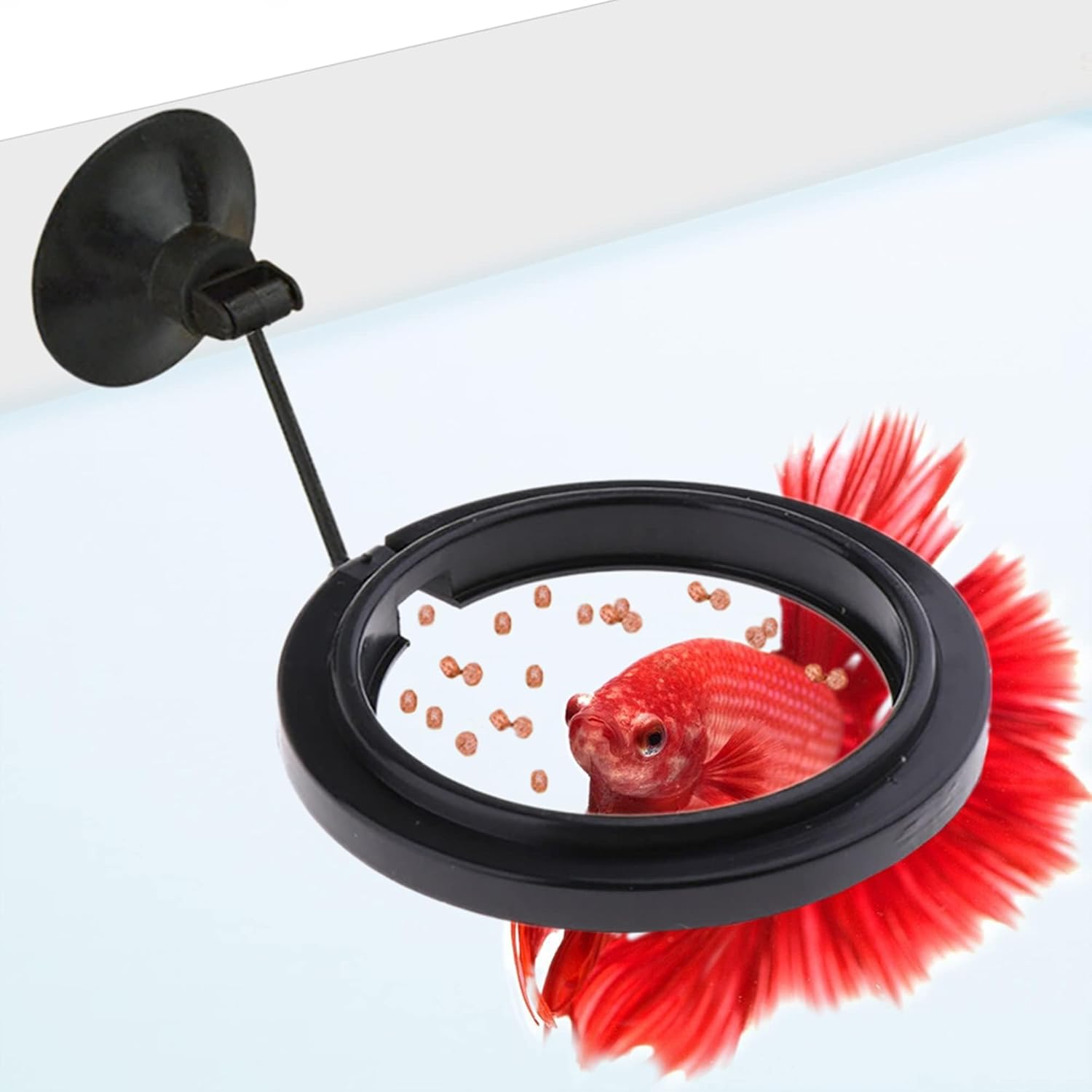
Choose pellets that list “betta” or “tropical fish” as the first ingredient and contain at least 40% protein. Feed 2‑3 pellets twice daily for adult bettas; for juveniles, increase to 4‑5 small pellets per feeding.

Visual guide about How to Grow Betta Fish Faster
Image source: i.ytimg.com
Live and Frozen Foods – A Treat That Works
Live brine shrimp, daphnia, or bloodworms once or twice a week provide essential fatty acids and stimulate natural hunting behavior, which can boost growth hormones. Freeze‑thawed options are safer and still nutritious.
Feeding Schedule – Consistency is Key
Stick to a strict schedule. Betta metabolism runs on routine; erratic feeding can cause digestive issues that slow growth. Use a timer or set a daily alarm to remind you.
Portion Control – Avoid Overeating
Overfeeding leads to cloudy water, ammonia spikes, and obesity, all of which hinder growth. A good rule: feed only what your betta can eat in 2‑3 minutes.
Supplemental Vitamins
Occasional vitamin drops (specifically formulated for bettas) can fill nutritional gaps. Use them no more than once a week.
Internal Link Example
Need more feeding ideas? Check out How To Feed Betta Fish for a deeper dive.
3. Tank Size, Layout, and Enrichment
Give Them Space
While bettas can survive in 2.5‑gallon bowls, a 5‑gallon tank gives more swimming room, better water stability, and faster growth. The larger the water volume, the slower temperature and pH fluctuate, creating a healthier environment.

Visual guide about How to Grow Betta Fish Faster
Image source: q9.itc.cn
Plants and Hiding Spots
Live plants like Java fern, Anubias, or floating duckweed provide natural filtration and reduce stress. Add a few smooth rocks or a silk leaf to give your betta places to explore, which encourages activity and muscle development.
Lighting – Not Too Bright, Not Too Dim
Provide 8‑10 hours of gentle LED lighting each day. Too much light encourages algae, while too little can suppress appetite. Use a timer to keep the cycle consistent.
Water Flow – Gentle, Not Strong
Betas prefer calm water. A low‑flow sponge filter or a small powerhead set to “drift” mode creates gentle movement without stressing the fish.
Internal Link Example
For a detailed guide on tank preparation, read How To Set Up A Tank For A Betta Fish.
4. Health Monitoring: Spot Problems Early
Daily Observations
Spend a few minutes each day watching your betta’s behavior. Fast, confident swimming, bright colors, and a steady appetite are good signs. Lethargy, clamped fins, or loss of color can indicate stress or disease, which will delay growth.
Common Issues That Slow Growth
- Fin rot: Treat immediately with an antibacterial dip.
- Swim bladder disorder: Adjust diet and avoid overfeeding.
- Parasites: Use a proper anti‑parasitic medication.
When to Seek Help
If you notice any of these symptoms, consult a reputable aquarium vet or reference our article How To Cure Fin Rot In Betta Fish for treatment steps.
Preventive Care
Quarantine new fish for at least two weeks, maintain pristine water, and keep a regular feeding schedule. Prevention is far easier than cure and keeps growth on track.
5. Reducing Stress for Faster Development
Limit Tank Mates
Betta males are territorial. If you keep a community tank, choose only peaceful, non‑aggressive species and keep the betta in a divider. The safest route for fastest growth is a single‑species setup.
Noise and Vibration
Place the tank on a stable surface away from speakers, washing machines, or high‑traffic areas. Vibrations raise cortisol levels, which suppress growth hormones.
Consistent Routine
Feed, change water, and check temperature at the same times each day. Predictability lowers stress and lets the betta focus energy on growth.
Positive Interaction
Spend a few minutes each day watching your betta, talking softly, or offering a treat from a clean finger. Positive interaction builds trust and reduces fear.
6. Tracking Progress: Measuring Success
Take Regular Measurements
Use a soft ruler or calipers to measure length from the tip of the nose to the base of the tail once a month. Record weight by gently placing the fish on a tiny digital scale (or use a water displacement method).
Photo Journal
Take clear photos from the same angle and lighting each month. Visual comparison makes it easy to see color intensification and size increase.
Adjust as Needed
If growth stalls, revisit water parameters, feeding amounts, and stress factors. Small tweaks often reignite progress.
Conclusion: Your Betta’s Fast‑Track to Health and Beauty
Learning how to grow betta fish faster is less about racing and more about providing the ideal conditions for natural development. By stabilizing water quality, feeding a high‑protein diet, giving ample space, and minimizing stress, you set the stage for a vibrant, robust betta that grows confidently.
Remember, patience and consistency are your best tools. Follow the steps outlined above, keep an eye on health, and celebrate each tiny milestone. Before long, you’ll have a stunning betta that not only looks amazing but also enjoys a long, happy life.
Frequently Asked Questions
How often should I change the water to help my betta grow faster?
During the first month, change 25‑30% of the water every 2‑3 days. After the tank is fully cycled, a weekly 20% change keeps parameters stable for optimal growth.
Can I use tap water for my betta’s tank?
Yes, but always treat it with a water conditioner to remove chlorine and chloramines. Matching the temperature and pH to the tank water prevents shock.
Is feeding live food necessary for faster growth?
Live foods aren’t required, but offering them once or twice a week provides essential fatty acids that can enhance size and color development.
What tank size is best for accelerating betta growth?
A minimum of 5 gallons is ideal. Larger water volume means more stable temperature and chemistry, which directly supports quicker, healthier growth.
How can I tell if my betta is stressed?
Signs of stress include clamped fins, faded colors, erratic swimming, and loss of appetite. Reducing noise, improving water quality, and ensuring proper tank size help alleviate stress.
Should I use a heater with an automatic thermostat?
Yes, an automatic thermostat maintains a constant temperature, preventing the fluctuations that can slow growth and cause health issues.