Betta fish can overeat if fed too often or given the wrong foods, leading to health problems like bloating and fatty liver. Understanding their natural appetite, proper portion sizes, and feeding schedules helps prevent over‑feeding and keeps your betta thriving.
Key Takeaways
- Portion control matters: A few tiny bites once or twice daily are enough for most bettas.
- Watch for signs of over‑eating: Bloating, lethargy, and cloudy fins often signal a problem.
- Quality over quantity: High‑protein pellets or frozen foods satisfy a betta’s needs without excess calories.
- Water quality is linked: Over‑feeding pollutes the water, stressing your fish.
- Regular monitoring: Weigh your betta occasionally and adjust feed amounts as it grows.
- Use a feeding schedule: Consistency prevents accidental over‑feeding.
- Seek veterinary help: Persistent overeating may indicate disease or metabolic issues.
📑 Table of Contents
- Introduction: Why the Question “Will Betta Fish Overeat?” Matters
- Understanding Betta Appetite: Natural Feeding Behavior
- How Much Should You Feed? Finding the Perfect Portion
- Common Signs That Your Betta Is Overeating
- Preventing Over‑Eating: Practical Tips for Every Betta Owner
- When Over‑Eating Turns Into a Health Issue
- Creating a Balanced Feeding Routine
- Conclusion: Keeping Your Betta Healthy Starts with Smart Feeding
Introduction: Why the Question “Will Betta Fish Overeat?” Matters
Betta fish are beautiful, feisty companions that many new hobbyists love to keep in small bowls or tanks. Their bright colors and flowing fins make them look like tiny royalty, and it’s easy to think they can eat as much as they want. The reality is quite different. Over‑eating can quickly turn a thriving betta into a sick one, and the signs are often subtle.
In this article we’ll explore exactly will betta fish overeat, what triggers it, and how you can feed your betta safely. We’ll break down the science of their appetite, share practical feeding tips, and give you a checklist to spot early warning signs. By the end, you’ll feel confident that your betta gets the right amount of food—no more, no less.
Understanding Betta Appetite: Natural Feeding Behavior
What a Betta’s Wild Diet Looks Like
In their natural habitats—shallow rice paddies and slow‑moving streams of Southeast Asia—bettas hunt for insects, larvae, and tiny crustaceans. They gulp down small bites throughout the day, never gorging on a huge meal. This pattern means their stomachs are built for frequent, light feeding rather than large, infrequent feasts.
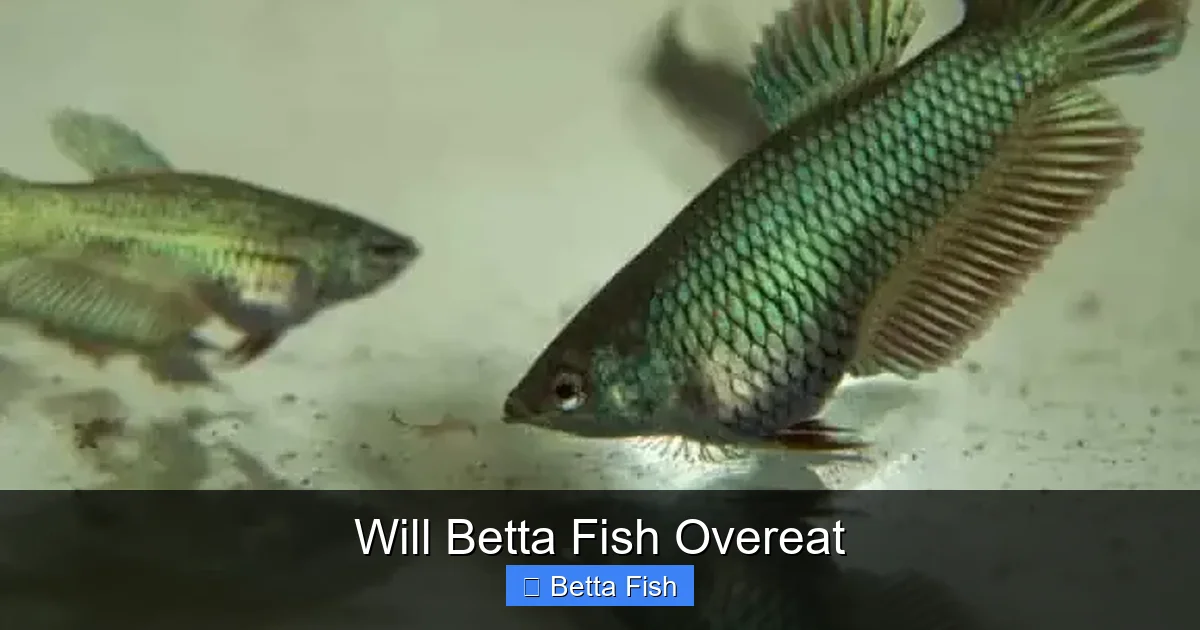
Visual guide about Will Betta Fish Overeat
Image source: bettasource.com
How Domestication Changes Their Eating Habits
When we bring bettas indoors, we replace live insects with pellets, frozen bloodworms, or brine shrimp. These foods are nutritionally dense, so a little goes a long way. If you give a betta a handful of pellets at once, it’s easy for the fish to consume more calories than it would ever need in the wild.
Will Betta Fish Overeat? The Simple Answer
Yes—if you allow it. Betta fish don’t have a built‑in “stop‑eating” button. They will keep taking food as long as it’s offered, especially if the food is tasty and easy to swallow. That’s why careful portion control is essential.
How Much Should You Feed? Finding the Perfect Portion
General Guideline: The “Two‑Second Rule”
Most experienced keepers recommend feeding a betta what it can eat in about two seconds, twice a day. This usually translates to 2–3 small pellets per feeding for adult fish. For fry or very young bettas, you can increase the frequency to three or four times daily but still keep portions tiny.
Adjusting Portions as Your Betta Grows
Betta fish continue to grow slowly throughout their lives. A juvenile may need a few more pellets each day, while a fully grown adult will eat less. Use a small kitchen scale or a measuring spoon to keep portions consistent. If you notice the fish leaving food uneaten, cut back the amount.
Feeding Frequency: Once vs. Twice vs. Multiple Times
Feeding once a day can work for some bettas, but many thrive on two smaller meals. Multiple tiny feedings (e.g., three times for fry) mimic their natural foraging behavior and help prevent overeating. Just be sure each feeding is brief.
Common Signs That Your Betta Is Overeating
Physical Indicators
- Bloating: A swollen abdomen is the most obvious sign. The belly may look round and feel soft to the touch.
- Cloudy or Flared Fins: Over‑eating can cause poor water quality, leading to fin rot and cloudy fins.
- Weight Gain: You can gently lift the betta out of the water; if it feels unusually heavy, you may be over‑feeding.
Behavioral Changes
- Lethargy: An overly full stomach makes the fish less active.
- Loss of Appetite: Ironically, a betta that has eaten too much may refuse food at the next feeding.
- Frequent Spitting: Some bettas will spit out pellets they can’t swallow comfortably.
Water Quality Clues
Over‑feeding leads to excess waste, raising ammonia and nitrite levels. If you notice cloudy water, a strong fishy odor, or algae blooming faster than usual, cut back on food.
Preventing Over‑Eating: Practical Tips for Every Betta Owner
Use a Feeding Schedule
Write down feeding times on a calendar or set a phone reminder. Consistency helps you avoid “just one more bite” moments.
Choose the Right Food Type
High‑quality betta pellets are formulated to meet nutritional needs in small amounts. Frozen or live foods like brine shrimp are excellent treats but should be given sparingly.
Try the “Fry Test”
Place the intended portion of food in a small cup of water. Count how many seconds it takes for a betta to eat it. If it’s more than two seconds, you’re likely offering too much.
Monitor and Adjust
Weigh your betta every month using a tiny digital scale. If the weight climbs steadily, reduce portion size by one pellet.
Keep the Tank Clean
Regular water changes (20‑30% weekly) remove excess food particles and keep ammonia low. A clean tank reduces stress, which can otherwise trigger overeating.
Internal Link Example
For more ideas on balanced diets, see our guide on what will betta fish eat. Understanding the variety of foods they enjoy will help you plan appropriate portions.
When Over‑Eating Turns Into a Health Issue
Fatty Liver Disease (Steatosis)
Just like humans, bettas can develop fatty liver if they consume too many calories. Symptoms include a swollen belly, pale liver visible under the skin, and reduced activity. If you suspect fatty liver, fast the fish for 24‑48 hours and consult a vet.
Constipation and Digestive Blockage
Over‑eating dry pellets can cause constipation. The fish may strain at the surface or produce very little waste. Adding a small amount of blanched peas (peeled) can help move the digestive tract.
Swim Bladder Disorder
Excessive food can affect the swim bladder, making the betta float upside down or sink to the bottom. Reducing feed amounts and offering softer foods often resolves the issue.
When to Seek Professional Help
If symptoms persist after adjusting feed, or if your betta shows rapid weight loss, discoloration, or respiratory distress, contact an aquatic veterinarian. Early intervention can save your fish.
Creating a Balanced Feeding Routine
Sample Weekly Feeding Plan
- Monday & Thursday: 2 small pellets + a few frozen brine shrimp.
- Tuesday & Friday: 2 pellets only.
- Wednesday: Fast day (no food) to give the digestive system a break.
- Saturday: 3 pellets + a tiny pea (optional).
- Sunday: 2 pellets only.
This schedule provides variety, prevents over‑feeding, and mimics natural foraging.
Incorporating Treats Wisely
Treats should never exceed 10% of the total weekly intake. Use them as enrichment, not as a staple.
Link to Growth Expectations
Knowing how big your betta will get helps you set realistic feeding goals. Check out our article on how big will a betta fish get for size benchmarks at different ages.
Conclusion: Keeping Your Betta Healthy Starts with Smart Feeding
Will betta fish overeat? Absolutely—if you give them the chance. By understanding their natural eating habits, measuring portions, watching for warning signs, and maintaining clean water, you can prevent over‑eating and its associated health problems. Remember, a well‑fed betta is a happy betta, but “well‑fed” means just enough to keep its colors bright and its fins fluttering.
Take the tips from this guide, set a feeding schedule, and enjoy watching your betta thrive for years to come.
Frequently Asked Questions
How often should I feed my adult betta?
Twice a day is ideal—give 2–3 small pellets each time, or an equivalent amount of high‑quality frozen food.
Can I give my betta live food every day?
Live foods are nutritious but richer than pellets. Offer them 1–2 times per week as a treat, not as a daily staple.
What does a bloated betta look like?
A bloated betta has a visibly round, soft abdomen and may swim sluggishly near the surface. This is a classic sign of over‑eating.
Is it okay to fast my betta?
Yes. A 24‑hour fast once a week helps clear the digestive tract and prevents over‑feeding.
My betta refuses food after a big meal. What should I do?
Give the fish a day off from feeding, perform a water change, and then resume small, measured portions.
Can poor water quality make a betta overeat?
Bad water can stress a betta, causing erratic feeding behavior. Keep ammonia low and change 20‑30% of water weekly.

