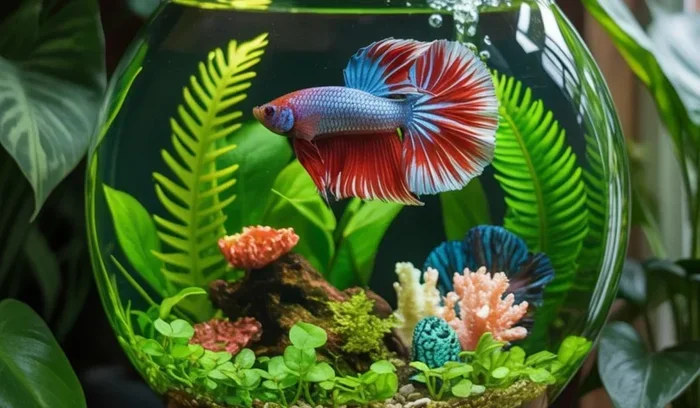
Can Betta Fish Eat Chicken Eggs

Betta fish can nibble tiny pieces of cooked chicken egg without harm, but raw egg or large amounts are risky. Use egg as an occasional treat, not a staple, and always prepare it properly to avoid digestive issues.
Key Takeaways
- Safe form: Only cooked, plain egg (hard‑boiled or scrambled) in very small pieces.
- Frequency: Treats only 1–2 times a week; primary diet stays on high‑quality betta pellets or frozen foods.
- Risks: Raw egg can carry salmonella and cause nutrient imbalance; overfeeding leads to constipation.
- Preparation tips: Cool, crumble, and mix a pea‑sized amount into regular food.
- Observation: Watch for changes in swimming, appetite, or waste after feeding egg.
- Alternative treats: Daphnia, bloodworms, and brine shrimp are safer protein sources.
- Internal resources: Learn more about betta diets and compatible tank mates in our related articles.
Quick Answers to Common Questions
Can betta fish eat raw chicken egg?
No. Raw egg can contain salmonella and enzyme inhibitors that upset a betta’s digestion.
How much cooked egg should I give my betta?
Just a pea‑sized crumb (about 0.1 g) once or twice a week.
Will egg replace my betta’s regular pellets?
Never. Egg is a treat; pellets provide the complete nutrition bettas need daily.
Can I mix egg with frozen bloodworms?
Yes. Mixing a tiny egg crumb into a few bloodworms makes a tasty, balanced snack.
What should I do if my betta gets constipated after eating egg?
Stop feeding egg, fast the fish for 24 hours, and offer a peeled, boiled pea to help clear the blockage.
📑 Table of Contents
Introduction: Why the Egg Question Pops Up
When you first bring home a vibrant betta, you want to give it the best diet possible. You might have heard a friend say, “My betta loves a bit of chicken egg!” That statement can sound believable because eggs are high in protein, and bettas are carnivores. But before you crack open a dozen eggs, let’s explore what science and experienced hobbyists say about feeding chicken egg to betta fish.
In this guide we’ll break down the nutrition inside an egg, compare it to a betta’s natural diet, and give you step‑by‑step instructions for safe preparation. We’ll also cover the do‑and‑don’ts, common mistakes, and what to watch for after the treat. By the end you’ll know exactly whether chicken egg belongs in your betta’s menu.
1. Understanding a Betta’s Natural Diet
What Betta Fish Eat in the Wild
Wild bettas (also called Siamese fighting fish) live in shallow, slow‑moving waters of Thailand and Malaysia. Their natural prey includes:
- Small insects and larvae (mosquito larvae, midges)
- Micro‑crustaceans (water fleas, tiny shrimp)
- Worms and tiny mollusks
All of these foods are high in protein, low in fat, and provide essential amino acids that support vibrant colors and strong fins.
What the Commercial Diet Offers
Modern betta owners usually feed:
- High‑quality betta pellets
- Freeze‑dried or frozen bloodworms, daphnia, brine shrimp
- Occasional live foods like microworms
These options already mimic the protein profile of wild prey. If you read What Can Betta Fish Eat, you’ll see that most experts recommend sticking to these proven sources.
2. Nutritional Profile of Chicken Egg
Protein, Fat, and Vitamins
A large chicken egg (≈50 g) contains about 6 g of protein, 5 g of fat, and a range of vitamins (A, D, E, B‑complex) and minerals (iron, selenium). For a tiny betta that weighs 3–5 g, even a tiny fraction of an egg is a big nutritional hit.
How It Compares to Betta Foods
Betta pellets typically provide 40–45 % protein and 5–7 % fat. A piece of cooked egg can match the protein but adds more fat than most betta foods. Too much fat can cloud the water and cause digestive slow‑downs.
Potential Benefits
- High‑quality protein: Helps maintain bright coloration.
- Vitamin D: Supports calcium absorption, useful for breeding females.
- Easy to digest (when cooked): Soft texture is gentle on a betta’s tiny mouth.
3. Safe Ways to Offer Egg to Your Betta
Step‑by‑Step Preparation
- Cook it: Hard‑boil or scramble the egg without butter, oil, or seasonings.
- Cool completely: Hot egg can shock a betta’s delicate system.
- Crush to a pea‑size grain: Use a clean spoon or your fingers.
- Mix with regular food: Blend the egg crumb into a pellet or freeze‑dried worm.
- Feed a tiny amount: One or two bites (about 0.1 g) is enough.
Frequency Guidelines
Egg should be an occasional treat, not a daily staple. Aim for 1–2 times per week and always monitor your fish’s reaction. Over‑feeding can lead to constipation, which appears as a swollen abdomen and reduced swimming.

Visual guide about Can Betta Fish Eat Chicken Eggs
Image source: drawingskill.com
What to Avoid
- Raw egg – risk of salmonella and enzyme inhibitors.
- Seasoned or fried egg – added salt, oil, and spices are toxic.
- Large chunks – can cause choking or block the digestive tract.
4. Risks and Warning Signs
Digestive Issues
Too much fat or protein may cause “egg‑ball” constipation. Signs include:
- Swollen belly
- Lethargic swimming
- Reduced appetite
If you notice any of these, stop feeding egg immediately and consider a mild fasting period (24 hrs) with clean water.
Water Quality Concerns
Uneaten egg fragments decompose quickly, raising ammonia levels. Always remove leftovers after 5–10 minutes.
Allergic or Sensitivity Reactions
Although rare, some bettas may develop a sensitivity to egg proteins. Look for increased rubbing against tank décor or rapid gill movement.
5. Alternatives to Chicken Egg
Why You Might Skip Egg Altogether
If you prefer a simpler routine, there are plenty of betta‑friendly treats that pose fewer risks.
Top Protein‑Rich Options
- Betta Fish Eat Shrimp – Fresh or frozen brine shrimp are low‑fat and highly digestible.
- Bloodworms – Freeze‑dried or live, they mimic natural insect larvae.
- Daphnia – Tiny water fleas that also help clean the tank.
How to Rotate Treats
Offer one type of treat per feeding day, then return to a balanced pellet diet. This rotation keeps nutrition varied and reduces the chance of overloading on any single nutrient.
Conclusion: The Bottom Line on Egg for Betta Fish
Chicken egg can be a safe, protein‑rich treat for betta fish **if** it is cooked, cooled, and offered in minuscule amounts. The key is moderation and vigilance. Stick to high‑quality betta pellets as the mainstay, use egg as a once‑or‑twice‑a‑week novelty, and always watch for any signs of distress.
By following the preparation steps and feeding limits outlined above, you can add a little variety to your betta’s menu without jeopardizing its health. Remember, a happy betta is a well‑fed betta—so keep the focus on balanced nutrition and clean water, and your fish will reward you with dazzling fins and lively behavior.
Frequently Asked Questions
Is it safe to feed my betta a boiled egg once a month?
Yes, a small piece of boiled egg once a month is generally safe and can provide a protein boost.
Can betta fish eat the egg yolk?
The yolk is higher in fat, so it should be avoided or given in an extremely tiny amount.
Do bettas prefer the taste of egg over other treats?
Some bettas show interest, but most will eat it out of curiosity rather than preference.
Will feeding egg affect my betta’s breeding?
Occasional egg can supply extra vitamin D, but over‑feeding may cause water quality issues that harm breeding.
Can I use egg whites only?
Egg whites are lower in fat and can be used, but they still need to be cooked and given in tiny portions.
How do I know if my betta liked the egg?
If the fish quickly snaps it up and shows normal activity afterward, it likely enjoyed the treat.