Why Is My Betta Fish Staying at the Bottom
Seeing your Betta stuck at the bottom can be worrying, but it’s often a sign of something simple you can correct. This guide explains the top reasons—water quality, temperature, stress, illness, and tank setup—and gives easy steps to get your fish swimming again.
Key Takeaways
- Water quality matters: High ammonia or low oxygen will make a Betta stay low.
- Temperature is crucial: Betta need 76‑82°F; too cold forces them to the bottom.
- Stress triggers bottom‑dwelling: Over‑crowding, aggressive tank mates, or bright lights can stress a Betta.
- Illness signs: Floating, loss of color, or clamped fins often accompany bottom‑resting behavior.
- Tank setup fixes: Proper filtration, plants, and hiding spots encourage natural swimming.
- Regular checks prevent problems: Test water weekly and observe feeding habits.
- Act fast: Early intervention can turn a sick Betta back to a happy, active swimmer.
📑 Table of Contents
Introduction
Betta fish are famous for their bright colors and flamboyant fins, so when you notice your Betta hanging out at the bottom of the tank, it feels like a red flag. You might wonder, why is my Betta fish staying at the bottom? The answer isn’t always a death sentence; often it’s a clue that something in the environment needs a tweak.
In this article we’ll walk through the most common reasons, from water chemistry to stress, and give you clear, step‑by‑step fixes. By the end you’ll know how to spot early warning signs, correct the problem, and keep your Betta swimming like a little rainbow.
1. Water Quality Issues
Betta fish are very sensitive to water conditions. Poor water quality is the #1 reason many owners ask, “why is my betta fish staying at the bottom?” Below are the key parameters to watch.

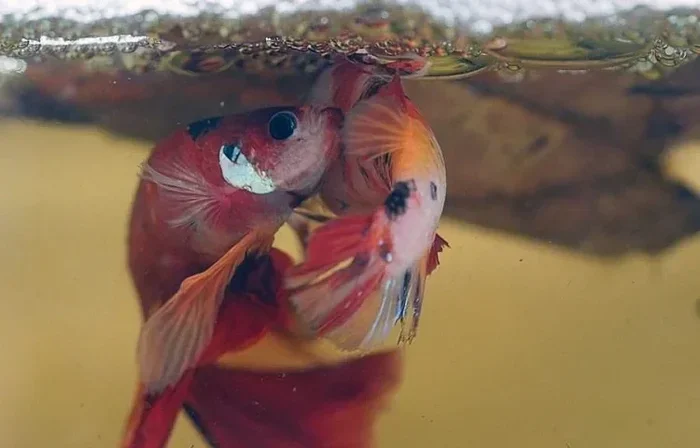
Visual guide about Why Is My Betta Fish Staying at the Bottom
Image source: etonline.com
Ammonia and Nitrite Build‑Up
Even a small spike in ammonia (above 0 ppm) can cause a Betta to become lethargic and hide at the bottom. Ammonia irritates gills, making it hard for the fish to breathe.
- Test weekly with a liquid test kit.
- If ammonia is present, perform a 25‑30 % water change.
- Consider adding a biological filter or supplementing with beneficial bacteria.
Low Dissolved Oxygen
Stagnant water or a tank without proper surface agitation reduces oxygen levels. A Betta will often rest near the substrate where the water is calmer.
- Use a gentle air stone or adjust the filter flow to create a tiny ripple.
- Keep the tank covered but not sealed; fresh air exchange is essential.
pH and Hardness
Betta thrive in slightly acidic to neutral water (pH 6.5‑7.5). A sudden shift can stress them, causing bottom‑dwelling behavior.
- Use a pH buffer if needed.
- Avoid tap water with high chlorine; always treat with a de‑chlorinator.
2. Temperature Problems
Betta are tropical fish that love warm water. When the temperature drops below 76 °F (24 °C), they become sluggish and often stay at the bottom to conserve energy.
How to Check and Adjust
- Use an accurate aquarium thermometer; digital models are best.
- If the tank is too cold, add an aquarium heater set between 76‑82 °F (24‑28 °C).
- Place the heater near a water flow to distribute heat evenly.
Temperature Fluctuations
Rapid changes—like moving the tank near a window or air conditioner—can shock a Betta. Consistency is key.
- Keep the tank away from drafts and direct sunlight.
- Use a heater with an automatic shut‑off to avoid overheating.
3. Stress and Environmental Factors
Even a perfectly clean tank can cause stress if the environment feels unsafe. Stress is another common answer to “why is my betta fish staying at the bottom?”
Tank Size and Space
Betta need at least 2.5‑5 gallons. A cramped bowl forces them to the bottom where they feel hidden.
- Upgrade to a 5‑gallon tank with a lid.
- Avoid using tiny bowls or vases.
Lighting
Bright, constant lights can be overwhelming. Betta often retreat to the bottom to escape glare.
- Provide a 10‑hour light cycle; use a dimmable LED or a floating plant for shade.
Tank Mates
Betta are territorial. Aggressive fish or even fast‑moving tetras can make a Betta feel threatened.
- Keep a single male Betta alone, or pair with peaceful, non‑fin‑nipping species.
- Read more about stress in why is my betta fish hiding for additional tips.
4. Health Issues That Cause Bottom‑Dwelling
When water and temperature are fine, health problems may be the culprit. Below are common illnesses linked to the question “why is my betta fish staying at the bottom?”
Swim Bladder Disorder
The swim bladder helps a fish control buoyancy. If it’s infected or damaged, the Betta may float low or sink.
- Feed a pea (blanched and skinned) a few times a week to aid digestion.
- Avoid over‑feeding and floating food that can cause constipation.
Fin Rot and Bacterial Infections
Faded colors, ragged fins, and a tendency to stay at the bottom often signal an infection.
- Treat with a broad‑spectrum antibacterial medication.
- Improve water quality simultaneously.
Parasites and Ich
White spots, scratching, and bottom‑dwelling may indicate Ich or other parasites.
- Raise temperature slowly to 84 °F (29 °C) for a few days to speed the life cycle.
- Use a copper‑based medication if needed.
Reference Article
For a deeper dive on related symptoms, see why betta fish laying at bottom.
5. Feeding Mistakes and Nutrition
What and how you feed can directly affect whether your Betta stays at the bottom.
Over‑Feeding
Uneaten food decays, raising ammonia and clouding water—both reasons a Betta may hide.
- Feed 2‑3 small pellets once or twice daily.
- Remove excess food after 5 minutes.
Under‑Feeding
Hungry fish become lethargic and may rest at the bottom waiting for food.
- Offer a varied diet: high‑quality pellets, frozen bloodworms, and occasional brine shrimp.
Food Quality
Low‑quality pellets can cause digestive issues, leading to swim bladder problems.
- Choose a reputable brand with natural ingredients.
6. Practical Steps to Get Your Betta Moving Again
Now that we’ve covered the why, let’s talk about the how. Follow these simple actions to encourage your Betta to swim higher.
Step‑by‑Step Checklist
- Test water for ammonia, nitrite, pH, and temperature.
- Perform a 25‑30 % water change with conditioned water.
- Adjust heater to maintain 78 °F (25.5 °C).
- Add a gentle air stone for oxygen.
- Introduce live or silk plants for cover.
- Feed a peeled pea to aid digestion (if swim bladder suspected).
- Observe for 24‑48 hours; note any improvement.
When to Seek Professional Help
If after a week the Betta is still at the bottom, appears bloated, or shows signs of fin rot, consider consulting a vet who specializes in fish.
Conclusion
Seeing your Betta at the bottom can feel alarming, but most of the time the cause is something you can fix at home. By regularly testing water, keeping the temperature steady, reducing stress, and watching for illness, you’ll answer the question “why is my betta fish staying at the bottom?” with confidence. A healthy Betta rewards you with vibrant colors and graceful fins—so take action today and watch your fish rise to the surface!
Frequently Asked Questions
Why is my Betta fish staying at the bottom of the tank?
Most often it’s due to water quality, temperature, stress, or a health issue like swim bladder disorder. Checking these factors usually solves the problem.
Can low temperature make my Betta stay at the bottom?
Yes. Betta need water between 76‑82°F (24‑28°C). If the water is colder, they become sluggish and rest near the substrate.
How often should I change the water to prevent bottom‑dwelling?
A 25‑30 % water change weekly is ideal. If you notice ammonia spikes, increase the frequency until the levels normalize.
Is it normal for a Betta to rest at the bottom after eating?
Occasionally a Betta may pause after a meal, but prolonged staying at the bottom after feeding can indicate constipation or a swim bladder issue.
What signs show that my Betta’s bottom‑dwelling is due to illness?
Look for clamped fins, loss of color, white spots, ragged edges, or gasping at the surface. These symptoms often accompany disease.
Can tank mates cause my Betta to stay at the bottom?
Yes. Aggressive or fast‑moving tank mates can stress a Betta, making it hide. Keep male Betta alone or with very peaceful companions.