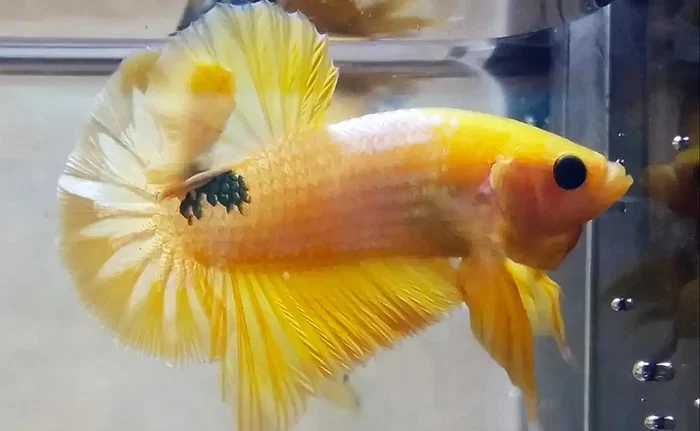
Why Is My Betta Fish Not Being Active
Betta fish that seem sluggish often signal hidden problems in their environment, health, or diet. By checking water quality, temperature, tank setup, and signs of illness, you can quickly revive a lazy betta and prevent future issues.
Key Takeaways
- Water quality matters: Bad parameters are the #1 cause of low activity.
- Temperature is critical: Betta’s ideal range is 76‑82°F (24‑28°C).
- Tank size and décor: Too small or too crowded tanks stress bettas.
- Health signs: Look for fin rot, swim bladder issues, or parasites.
- Diet and feeding: Poor nutrition can make a betta lethargic.
- Stress triggers: Bright lights, loud noises, and aggressive tank mates calm a betta down.
- Preventive routine: Regular water changes and monitoring keep activity levels high.
📑 Table of Contents
Introduction
Betta fish are famous for their bright colors and bold personalities. When you first bring a new betta home, you expect it to flare its fins, explore the tank, and maybe even build a bubble nest. But what happens when your betta just hangs at the bottom, barely moves, and seems uninterested in everything? That’s the moment many owners ask, why is my betta fish not being active?
In this guide we’ll walk through the most common reasons for a sluggish betta, how to spot early warning signs, and step‑by‑step solutions you can start today. Think of it as a friendly chat with a fellow hobbyist who’s been there, fixed the problem, and wants to help you keep your finned friend lively.
1. Water Quality – The Silent Saboteur
Why bad water makes bettas lazy
Betta fish breathe through a specialized organ called the labyrinth, which lets them gulp air from the surface. However, they still rely on clean water to process waste and keep their gills healthy. High ammonia, nitrite, or a low pH can irritate the gills, making the fish breathe harder and move less.
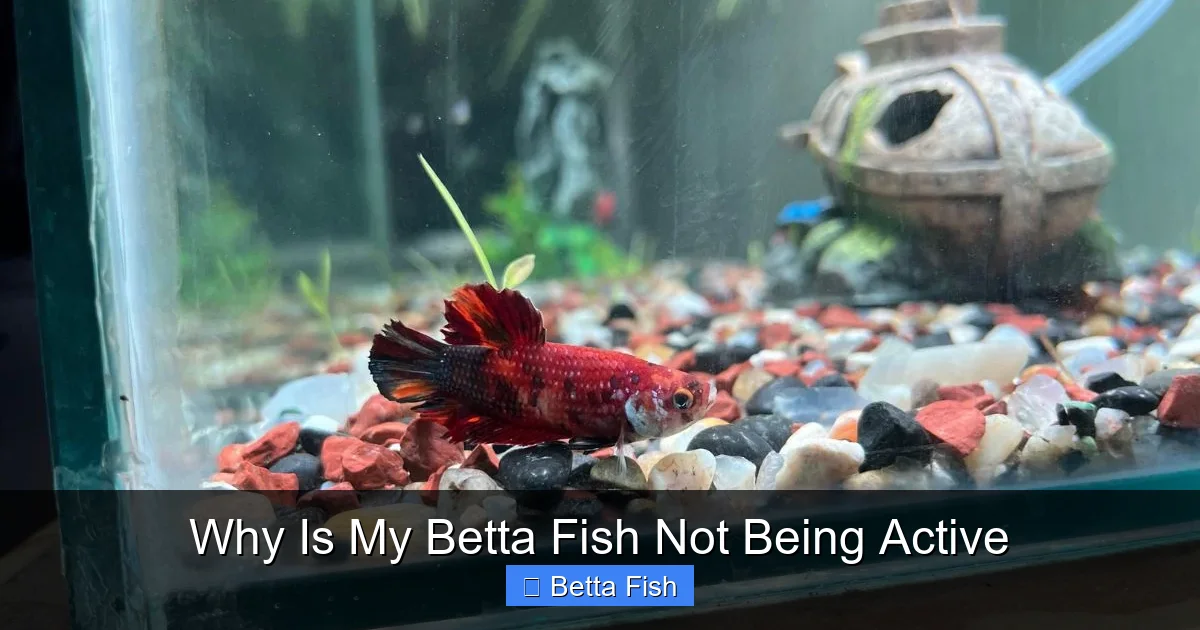
Visual guide about Why Is My Betta Fish Not Being Active
Image source: housedpet.com
How to test and fix water parameters
- Test kits: Use a liquid test kit or strips to check ammonia, nitrite, nitrate, and pH weekly.
- Ammonia & nitrite: Both should read 0 ppm. Anything above is a red flag.
- Nitrate: Keep under 20 ppm for a betta.
- pH: Aim for 6.5‑7.5; sudden swings cause stress.
If any value is off, perform a 25‑30 % water change with conditioned water. Repeat until parameters stabilize.
2. Temperature – Not Too Hot, Not Too Cold
The perfect heat range
Betta fish are tropical; their enzymes work best at 76‑82°F (24‑28°C). Water that’s too cold slows metabolism, leading to lethargy. Conversely, water that’s too hot can cause rapid breathing and exhaustion.
Keeping temperature steady
- Use an aquarium heater rated for the tank size.
- Check the temperature twice daily with a reliable thermometer.
- Avoid placing the tank near drafts, windows, or heat sources.
When you notice your betta floating near the surface or hiding under the heater, it may be trying to regulate its body temperature.
3. Tank Size, Layout, and Stress Factors
How small is too small?
Many beginners start bettas in 2‑gallon bowls, but a 5‑gallon tank gives more stable water conditions and room to swim. A cramped space can cause stress, reduced movement, and even aggression toward the fish’s own reflection.
Decor and hiding spots
Betas love plants and caves. Without places to explore, they may become bored and sit still. Add live or silk plants, a small coconut shell, or a smooth rock. Avoid sharp ornaments that can tear delicate fins.
Other stressors
- Bright lights: Keep lighting on for 8‑10 hours a day; too much light can make a betta hide.
- Loud noises: Vibrations from speakers or foot traffic can startle them.
- Tank mates: Aggressive species or even a fancy goldfish can out‑compete a betta for oxygen.
4. Health Issues That Reduce Activity
Common illnesses
When a betta isn’t moving, think about health first. Look for these symptoms:
- Fin rot: Frayed, white‑tipped fins.
- Swim bladder disorder: Fish swims sideways or floats upside down.
- Parasitic infection: White spots or cotton‑like growths.
- Internal bacterial infection: Lethargy, loss of appetite, and cloudy eyes.
For a deeper dive on swim‑related problems, see our article on why is my betta fish floating sideways. If you spot any of these signs, quarantine the betta and treat with appropriate medication.
When a betta is actually dying
Sometimes low activity is a prelude to death. Check for loss of color, torn fins, or a lack of response to stimuli. Learn more about critical signs in is my betta fish dying.
5. Feeding Problems and Nutrition
Is the diet making the betta sleepy?
Betta fish are carnivores. A diet heavy in plant‑based flakes can lead to poor energy levels. Feed high‑quality betta pellets or frozen bloodworms 2‑3 times a day, only as much as they can eat in 2 minutes.
Appetite loss and activity
If your betta isn’t eating, it will quickly become weak and inactive. For troubleshooting appetite, read why is my betta fish not eating. Offer a variety of foods—live or frozen—to stimulate interest.
6. Routine Maintenance – The Best Prevention
Weekly checklist
- Test water parameters.
- Inspect temperature.
- Remove 20‑30 % of water and replace with conditioned water.
- Trim dead plant leaves and clean the substrate.
- Observe the fish for any changes in behavior.
Long‑term habits
Consistency is key. Even a perfect tank can become a problem if you skip a change for a week. Set a reminder on your phone, and keep a log of water tests. Over time you’ll notice patterns that help you catch issues before they make your betta sluggish.
Conclusion
Seeing your betta fish barely move can be alarming, but the answer to why is my betta fish not being active is almost always something you can fix. Start with the basics—clean water, proper temperature, and a spacious, decorated tank. Then watch for health clues and make sure the diet is right. With a little routine care, your betta will bounce back, flare its fins, and maybe even start building that famous bubble nest again.
Frequently Asked Questions
Why is my betta fish staying at the bottom of the tank?
Bottom‑dwelling bettas are often stressed by poor water quality, low temperature, or a lack of hiding places. Check ammonia levels and ensure the water is between 76‑82°F.
Can a betta be lazy because it’s bored?
Yes. Without plants, caves, or toys, a betta may become inactive. Adding silk plants or a small log gives it something to explore.
My betta isn’t eating and looks tired. What should I do?
First, test the water. If parameters are good, try offering a different food like frozen bloodworms. If appetite doesn’t improve, look for signs of disease and consider a quarantine.
Is it normal for a betta to sleep?
Betta fish do rest, usually at night. If it’s sleeping for long periods during the day and shows no response to gentle taps, it may be ill.
How often should I change the water to keep my betta active?
Change 20‑30 % of the water weekly. In a smaller tank, you might need to do a 50 % change every two weeks.
What temperature should I set my heater to?
Set the heater to maintain 78°F (25.5°C). Use a reliable thermometer to verify the temperature stays stable.