How to Tell If Betta Fish Is Constipated
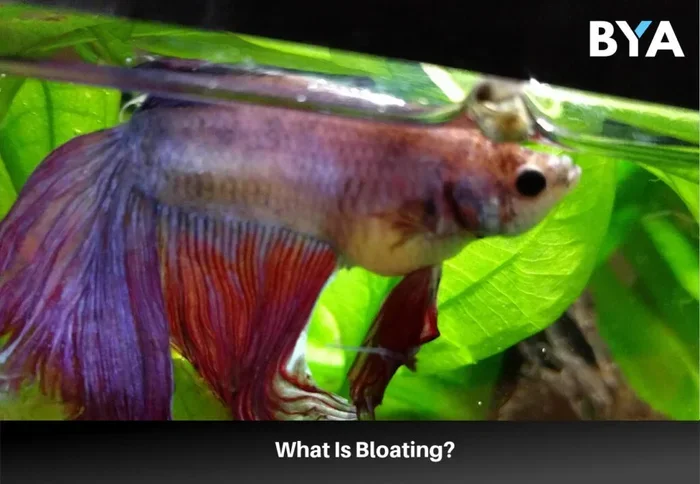
Constipation is one of the most common health issues in betta fish, and spotting it early can save your fish’s life. You can tell if betta fish is constipated by looking for signs like a swollen belly, lack of appetite, and difficulty swimming. This guide covers the symptoms, causes, and effective home treatments so you can help your betta feel better fast.
Key Takeaways
- Look for physical signs: A bloated belly, stringy white poop, and a curved spine are clear indicators of constipation in betta fish.
- Diet is the #1 cause: Overfeeding and low-fiber foods are the most common reasons betta fish become constipated.
- Fasting works wonders: A 1-3 day fast is often the simplest and most effective constipation remedy for betta fish.
- Prevention is easy: A balanced diet with fiber-rich foods and proper feeding schedules keep constipation away.
- Act fast: Ignoring constipation can lead to swim bladder disease and other serious health complications.
- Home remedies help: Peas, Epsom salt baths, and tank adjustments can relieve constipation without a vet visit.
📑 Table of Contents
How to Tell If Betta Fish Is Constipated
If you own a betta fish, you need to know how to tell if betta fish is constipated. This is one of the most common health problems betta fish face. And the good news? It is usually easy to spot and even easier to fix.
Constipation happens when your betta has trouble passing stool. The waste builds up in the intestines and causes discomfort. Left untreated, it can lead to more serious issues like swim bladder disease and bloating. That is why catching it early matters so much.
In this guide, we walk you through every sign of constipation in betta fish. We also cover the main causes, the best treatments, and simple ways to prevent it from happening again. Whether you are a new betta owner or a seasoned fish keeper, this article has you covered.
By the end, you will know exactly what to look for and what to do. You will feel confident keeping your betta healthy and comfortable. Let us dive right in.
Common Signs of Betta Fish Constipation
Spotting constipation early makes treatment much easier. Here are the most common signs to watch for.
Swollen or Bloated Belly
The most obvious sign of a constipated betta is a swollen belly. If your fish looks puffed up or rounder than usual, pay attention. Normal betta bellies are slightly rounded but not distended. A bloated belly often means waste is trapped in the intestines.
Stringy or White Poop
Healthy betta poop is small and brown. If you notice stringy white poop hanging from your fish, that is a red flag. This kind of stool often indicates digestive problems, and constipation is a leading cause.
Loss of Appetite
A constipated betta often stops eating or eats very little. If your fish ignores food it usually loves, something is wrong. Loss of appetite is one of the earliest constipation symptoms in betta fish.
Difficulty Swimming
Constipation can affect your fish’s balance and buoyancy. You may notice your betta floating at the top of the tank or struggling to stay upright. This happens because the blocked intestines press against the swim bladder.
Lethargy and Hiding
A healthy betta is curious and active. A constipated betta becomes sluggish. If your fish hides more than usual or seems tired all the time, constipation could be the reason.
Curved or Bent Spine
In severe cases, constipation can cause the spine to curve. This is a serious sign that needs immediate attention. If you notice this, start treatment right away.
Why Do Betta Fish Get Constipated?
Understanding the cause helps you prevent constipation in the future. Most cases come down to a few common factors.
Overfeeding
Overfeeding is the number one cause of constipation in betta fish. Bettas have small stomachs, about the size of their eye. Many owners give too much food, and the excess fills up the digestive tract. This leads to blockages and constipation.
Poor Diet Quality
Feeding your betta the wrong foods can cause digestive issues. Flakes and pellets that lack fiber are common culprits. Bettas need a varied diet with proper nutrients to stay regular.
Lack of Fiber
Fiber helps food move through the digestive system. Without enough fiber, waste builds up and hardens. This makes it very difficult for your betta to pass stool naturally.
Cold Water Temperatures
Bettas are tropical fish and need warm water. Cold water slows down digestion. If your tank is too cool, your fish may become constipated more easily. Keeping the right tank temperature is essential for digestive health.
Stress and Poor Tank Conditions
Stress weakens the immune system and disrupts normal body functions. Dirty water, crowded tanks, and aggressive tankmates can all stress your betta. A stressed fish is more likely to develop digestive problems.
How to Treat Constipated Betta Fish
The good news is that most cases of constipation are easy to treat at home. You do not need a vet in most situations. Here are the best approaches.
Fasting Your Betta
The simplest and most effective treatment is fasting. Stop feeding your betta for 1 to 3 days. This gives the digestive system time to clear out any trapped waste. Most bettas will pass stool within 24 to 48 hours of fasting.
Quick Tip: For bettas with severe bloating, a 3-day fast works best. For mild cases, just 1 to 2 days is usually enough.
Feeding a Pea
After fasting, offer a single cooked pea. Peas are high in fiber and act as a natural laxative. Here is how to do it:
- Take a fresh or frozen green pea.
- Remove the outer shell completely.
- Soften the pea by microwaving it for 10 seconds.
- Cut it into tiny pieces small enough for your betta to eat.
- Feed one small piece and watch your fish.
Most bettas will pass stool within a few hours after eating the pea. This is one of the most trusted constipation home remedies for betta fish.
Epsom Salt Bath
An Epsom salt bath can help relax your betta’s muscles and ease constipation. Here is how to do it:
- Fill a small container with tank water.
- Add 1 tablespoon of Epsom salt per gallon of water.
- Place your betta in the container for 15 to 30 minutes.
- Watch for signs of stool passing.
- Return your betta to the main tank afterward.
Epsom salt draws out excess fluid and helps relieve bloating. It is a gentle and effective treatment. If you are new to this method, check with a fish health guide first for safety tips.
Adjusting the Tank Temperature
Raising the water temperature slightly can speed up digestion. Aim for 78 to 80 degrees Fahrenheit. Use a reliable heater and thermometer to maintain a stable temperature. Warmer water helps the digestive system work more efficiently.
When to See a Vet
Most constipation cases resolve with home treatment. However, if your betta does not improve after 3 days, see a vet. If your fish shows signs of swim bladder disease or a curved spine, professional help is important. A vet can prescribe medication or recommend further treatment.
Preventing Constipation in Betta Fish
Prevention is always better than cure. Here are simple steps to keep your betta regular and healthy.
Feed the Right Amount
Feed your betta 2 to 3 pellets or a small pinch of flakes twice a day. Remove any uneaten food after 5 minutes. This prevents overfeeding and keeps the digestive system running smoothly.
Include Fiber-Rich Foods
Add variety to your betta’s diet. Bloodworms, brine shrimp, and daphnia are excellent protein sources. Occasionally offer a cooked pea for fiber. A balanced diet supports healthy digestion and regular bowel movements.
Keep the Tank Clean
Regular water changes and proper filtration keep your tank healthy. Clean water reduces stress and supports your betta’s immune system. Aim for a 25 percent water change every week.
Maintain Proper Temperature
Keep your tank between 76 and 82 degrees Fahrenheit. Use a heater and thermometer to monitor the temperature consistently. Stable warmth supports digestion and overall health.
Avoid Sudden Diet Changes
If you switch your betta’s food, do it gradually. Sudden changes can upset the stomach and cause digestive issues. Mix the new food with the old food over several days for a smooth transition.
Constipation vs. Other Health Issues
Some symptoms of constipation overlap with other fish diseases. It is important to tell them apart so you treat the right problem.
Constipation vs. Swim Bladder Disease: Constipation often causes swim bladder symptoms because the blocked intestines press on the swim bladder. Treating constipation first can resolve swim bladder issues in many cases. If symptoms persist after constipation treatment, the problem may be a separate swim bladder condition.
Constipation vs. Dropsy: Dropsy is a more serious condition where the fish’s body swells with fluid. The scales may stick out like a pinecone. Constipation causes bloating from waste buildup, while dropsy causes fluid retention. If you are unsure, look closely at the scales and consult a fish health resource.
Constipation vs. Ich: Ich shows up as white spots on the body and fins. Constipation does not cause spots. If your fish has both constipation and ich, you need to treat each condition separately. For ich treatment, check our guide on how to treat ich on a betta fish.
Constipation vs. Stress: Stress can cause loss of appetite and hiding. But stress does not usually cause a swollen belly or stringy poop. If your betta shows digestive symptoms, constipation is the more likely cause. To learn more about stress signs, read about how to treat a stressed betta fish.
Quick Reference: Constipation Symptoms at a Glance
Use this quick reference to check your betta’s health at a glance.
- Swollen belly: Belly looks larger than normal and firm to the touch.
- Stringy white poop: Waste hangs from the fish instead of falling away cleanly.
- Not eating: Fish ignores food or spits it out repeatedly.
- Floating or sinking issues: Difficulty maintaining normal position in the water.
- Lethargy: Fish stays in one place and shows little interest in surroundings.
- Curved spine: Body appears bent or arched, especially in severe cases.
If your betta shows two or more of these signs, start treatment right away. Early action leads to faster recovery and better outcomes.
Final Thoughts
Knowing how to tell if betta fish is constipated is an essential skill for every betta owner. The signs are clear once you know what to look for. A swollen belly, stringy white poop, and loss of appetite are the biggest clues.
The good news is that constipation is usually easy to treat. A simple fast, a cooked pea, or an Epsom salt bath can make a big difference. Most bettas recover within a few days with proper care.
Prevention is the best approach. Feed the right amount, offer a balanced diet, and keep the tank clean and warm. These simple habits go a long way in keeping your betta healthy and happy.
If you notice your betta is not eating or showing other worrying signs, check out our article on what to do if my betta fish won’t eat for more helpful advice. And if you want to ensure your fish stays in top shape, learn more about how to take care of betta fish water to keep the tank environment optimal.
Your betta depends on you for its health. Stay observant, act quickly, and your fish will thrive. You have got this!
Frequently Asked Questions
How long can a betta fish go without pooping?
A healthy betta should pass stool daily. If your fish has not pooped in 2 to 3 days and shows other symptoms like bloating, it is likely constipated. A short fast or a pea can help get things moving again.
Can constipation kill a betta fish?
In severe cases, yes. Untreated constipation can lead to swim bladder disease, organ damage, and a curved spine. However, most cases are easily treatable at home if you act quickly.
Is it normal for betta fish poop to float?
Yes, healthy betta poop often floats briefly before sinking. If the poop is stringy, white, or stuck to the fish, that is a sign of constipation or digestive issues.
How often should I feed my betta fish to prevent constipation?
Feed your betta 2 to 3 pellets or a small amount of flakes twice a day. Remove any uneaten food after 5 minutes. A consistent feeding schedule helps keep digestion regular.
Can I use canned peas for my constipated betta?
Yes, canned peas work well as long as you remove the outer skin and soften them. Fresh or frozen peas are even better. Always cut them into small pieces before feeding.
What is the difference between constipation and swim bladder disease in bettas?
Constipation causes waste buildup in the intestines, leading to bloating and trouble swimming. Swim bladder disease affects the organ that controls buoyancy directly. Constipation often triggers swim bladder symptoms, so treating constipation first is a good first step.