Why Is My Betta Fish Breathing Fast After Water Change

Seeing your betta gulping water after a water change can be scary, but it’s usually a sign of stress or a simple water issue. This guide explains why your betta may be breathing fast, what to check right away, and how to prevent the problem so your fish stays happy and healthy.
Key Takeaways
- Stress is the main culprit: Sudden temperature shifts or water movement can make a betta breathe faster.
- Water quality matters: High ammonia, nitrite, or incorrect pH can force a betta to gulp more oxygen.
- Temperature tolerance is narrow: Keep the tank between 76‑82°F (24‑28°C) to avoid rapid breathing.
- Proper acclimation prevents panic: Use the “float” method when adding new water.
- Observe other signs: Gasping, floating sideways, or loss of color may signal a deeper problem.
- Regular maintenance helps: Routine water changes and testing keep stressors low.
- Know when to act: If rapid breathing lasts more than a few minutes, intervene immediately.
📑 Table of Contents
- Introduction: The Panic of a Gasping Betta
- 1. How Betta Respiration Works
- 2. Common Reasons for Fast Breathing After a Water Change
- 3. Quick Checklist: What to Do Right Now
- 4. Preventing Future Breathing Spikes
- 5. When Fast Breathing Signals a Bigger Problem
- Conclusion: Keep Calm and Keep the Water Stable
Introduction: The Panic of a Gasping Betta
Imagine you’ve just finished a careful water change for your beloved betta. You watch the tiny fins flutter, then—suddenly—your fish starts moving its gills faster than usual. Your heart skips a beat. “Why is my betta fish breathing fast after water change?” you wonder. You’re not alone. Many betta owners experience this spike in breathing right after a water swap, and the good news is that most of the time the cause is simple and fixable.
In this article we’ll break down the science behind a betta’s breathing, explore the most common reasons a water change can trigger rapid gill movement, and give you a step‑by‑step plan to calm your fish and keep the tank environment stable. By the end, you’ll feel confident that a quick breath‑race won’t turn into a health crisis.
1. How Betta Respiration Works
Gills: The Fish’s Built‑In Oxygen Pumps
Betta fish, like all bony fish, extract oxygen from water using gills. Water flows over tiny filaments called lamellae, where blood vessels pick up dissolved oxygen and release carbon dioxide. The rate at which a betta flutters its gills tells you how hard it’s working to get enough oxygen.
Visual guide about Why Is My Betta Fish Breathing Fast After Water Change
Image source: selecthub.com
Normal vs. Rapid Breathing
Under calm conditions a healthy betta opens and closes its operculum (the flap covering the gills) about 2–4 times per second. When you see the operculum moving faster—say 6–10 times per second—that’s “rapid breathing.” It’s the fish’s way of compensating for a shortage of oxygen or a stressor that makes breathing harder.
2. Common Reasons for Fast Breathing After a Water Change
2.1 Sudden Temperature Shock
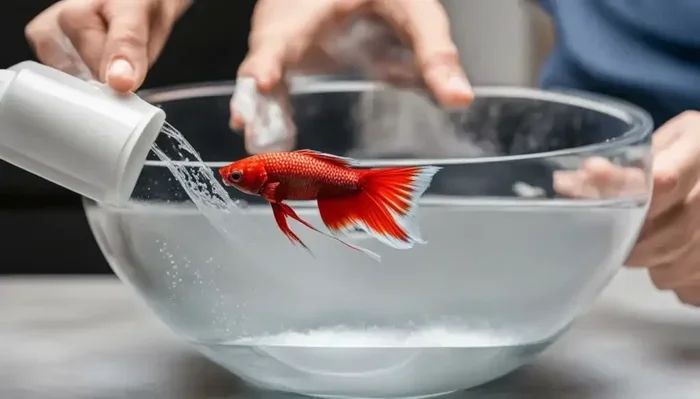
Betta fish are tropical and love stable warmth. If the new water is even a few degrees cooler or hotter than the tank, the fish’s metabolism spikes to adjust, causing faster gill movement. Use a reliable aquarium thermometer and aim for a temperature difference of less than 1 °F (0.5 °C) between old and new water.

Visual guide about Why Is My Betta Fish Breathing Fast After Water Change
Image source: v2.cri.cn
2.2 Inadequate Acclimation
Dumping fresh water straight into the tank creates a sudden change in chemistry. The best practice is the “float and drip” method: place the bag of new water in the tank to equalize temperature, then slowly add it using a cup or a drip line. This gentle approach reduces panic and keeps the operculum rhythm normal.
2.3 Poor Water Quality
Even a clean-looking tank can hide hidden stressors. High ammonia or nitrite levels, low dissolved oxygen, or an incorrect pH can all force a betta to breathe faster. Always test the water after a change with a reliable test kit.
2.4 Low Dissolved Oxygen (DO)
Fresh tap water often has less dissolved oxygen than a well‑aerated tank. If you’re not using a gentle air stone or a surface agitator, the betta may gulp more to get the oxygen it needs.
2.5 Over‑Cleaning or Removing Beneficial Bacteria
Scrubbing the substrate too aggressively can strip away the bio‑filter that converts toxic ammonia into harmless nitrate. A sudden spike in ammonia after a water change can cause rapid breathing.
2.6 Stress From Movement and Noise
Even the sound of a hose or the sight of a hand moving water can startle a betta. Stress hormones raise the heart rate, which in turn speeds up gill movement.
3. Quick Checklist: What to Do Right Now
Step 1 – Test the Water
Grab a test strip or liquid kit. Check ammonia, nitrite, nitrate, pH, and temperature. Ideal ranges for bettas are:

Visual guide about Why Is My Betta Fish Breathing Fast After Water Change
Image source: yt3.googleusercontent.com
- Ammonia: 0 ppm
- Nitrite: 0 ppm
- Nitrate: < 20 ppm (lower is better)
- pH: 6.5–7.5
- Temperature: 76–82 °F (24–28 °C)
If any value is out of range, perform a partial water change (25 %) with properly conditioned water.
Step 2 – Adjust Temperature
Use an aquarium heater with a thermostat. If the water is too cold, raise the heater a few degrees and let it stabilize before re‑checking the fish.
Step 3 – Increase Surface Agitation
Turn on a gentle air stone or move a small piece of plastic on the surface to create a thin film of moving water. This adds oxygen without creating a strong current that bettas dislike.
Step 4 – Observe Behavior
Watch for additional signs: floating sideways, loss of color, or gulping at the surface. If the fast breathing persists for more than 5–10 minutes, consider a deeper health check.
4. Preventing Future Breathing Spikes
4.1 Master the “Float and Drip” Water Change
1. Fill a clean bucket with conditioned water that matches tank temperature.
2. Place the bucket in the tank and let it float for 5 minutes.
3. Slowly pour the water into the tank using a cup, adding no more than 25 % of the total volume at a time.
4. Remove the same amount of old water using a siphon.
This method keeps temperature and chemistry changes gradual, reducing stress.
4.2 Use a Reliable Water Conditioner
Tap water contains chlorine and chloramines that are toxic to bettas. A good conditioner neutralizes both instantly, protecting gill function.
4.3 Keep a Consistent Maintenance Schedule
Regular weekly 25 % water changes keep ammonia low and oxygen high. For more details on how often to change water, see our guide on how often change betta fish water.
4.4 Monitor Tank Temperature Daily
Even a small heater malfunction can cause a temperature dip. A digital thermometer with an alarm can alert you before the fish feels the change.
4.5 Provide Gentle Aeration
A small, low‑flow air stone placed near the surface adds dissolved oxygen without creating a current that stresses a betta.
5. When Fast Breathing Signals a Bigger Problem
5.1 Signs of Respiratory Disease
If rapid breathing is accompanied by frayed fins, white spots, or a bloated belly, you may be dealing with a bacterial or fungal infection. In such cases, consult a vet or use a betta‑specific medication.
5.2 Link to Other Symptoms
Sometimes fast breathing is a symptom of an issue already discussed in other articles. For example, if your betta is also floating sideways, read why is my betta fish floating sideways for a deeper dive.
5.3 When to Seek Professional Help
If the fish shows loss of appetite, discoloration, or the rapid breathing continues for over an hour, it’s time to act. Quarantine the betta in a hospital tank, test water parameters again, and consider a mild antibacterial treatment.
Conclusion: Keep Calm and Keep the Water Stable
Seeing your betta breathe fast after a water change can feel alarming, but most of the time the cause is a simple, correctable stressor. By testing water quality, matching temperature, and using a gentle acclimation method, you can prevent the panic response that leads to rapid gill movement. Remember to watch for other warning signs and act quickly if the problem persists. With consistent care, your betta will stay vibrant, active, and—most importantly—breathing at a relaxed, steady pace.
Frequently Asked Questions
Why does my betta fish breathe fast right after a water change?
The sudden change in temperature, pH, or dissolved oxygen can stress the fish, causing it to increase its gill movement to get enough oxygen.
How long should rapid breathing last before I’m worried?
If the fast breathing continues for more than 5–10 minutes or is accompanied by other signs like floating sideways, it’s time to test the water and check for illness.
Can poor water quality cause my betta to gasp?
Yes. High ammonia, nitrite, or low pH can make it hard for a betta to extract oxygen, leading to rapid breathing.
What temperature should I keep my betta’s tank at?
Maintain a stable temperature between 76 °F and 82 °F (24 °C‑28 °C). Avoid sudden shifts of more than 1 °F during water changes.
How can I acclimate new water without stressing my betta?
Use the “float and drip” method: let the new water match tank temperature, then slowly add it while removing an equal amount of old water.
Is rapid breathing a sign of a serious disease?
It can be, especially if paired with other symptoms like white spots, frayed fins, or loss of appetite. In such cases, test water parameters and consider a mild medication or vet advice.