Should You Feed Your Betta Fish Right Away
You should not feed your betta fish right away — especially if it is new to its tank. Most experts recommend waiting 24 to 48 hours before the first meal. This rest period helps your betta adjust to its new environment, reduces stress, and prevents digestive problems. Feeding too soon can lead to overfeeding, water quality issues, and long-term health problems. In this guide, we walk you through exactly when and how to start feeding your betta the right way.
So you just brought home a beautiful betta fish. Maybe it swam gracefully in the pet store tank, and now it lives in your aquarium. The first thing you probably want to do is drop some food in the water and watch it eat. But hold on.
Should you feed your betta fish right away? The short answer is no. The longer answer is much more interesting, and it could make the difference between a happy, healthy fish and one that struggles in your care.
Feeding your betta at the wrong time can cause real problems. Bloating, constipation, water contamination, and stress are all linked to improper feeding schedules. This guide covers everything you need to know about when to feed your betta, how much to give, and what to avoid.
Key Takeaways
- Wait 24 to 48 hours: Give your new betta fish time to settle in before offering food.
- Overfeeding is the biggest mistake: It can pollute the water and harm your fish.
- High-quality betta pellets are best: They provide balanced nutrition without fillers.
- Fast your betta once a week: This helps prevent bloating and digestive issues.
- Watch for hunger cues: A hungry betta will hunt and explore, not just sit at the bottom.
- Feed small amounts twice a day: This mimics natural eating patterns and keeps your fish healthy.
- Water quality matters: Poor water conditions can suppress appetite and cause illness.
📑 Table of Contents
Why You Should Not Feed Your Betta Right Away
The Stress of a New Environment
When a betta fish enters a new tank, it experiences stress. Just like humans, fish respond to big changes in their surroundings. The water temperature, the new tank setup, the unfamiliar smells — all of it is overwhelming for a small fish.
During this adjustment period, your betta’s body goes into a kind of survival mode. Its digestive system slows down. It is not ready to process food efficiently. If you feed your betta fish right away, the food may sit undigested in its stomach, leading to bloating and discomfort.
Waiting gives your betta time to explore its new home, find hiding spots, and feel safe. Think of it like moving into a new house — you would not want to cook a big meal on your first day, right?
The Role of Water Quality
Another reason to hold off on feeding is water quality. A new tank has not yet established a stable nitrogen cycle. Ammonia and nitrite levels can spike when fish waste and uneaten food enter the water.
If you add food too early, the uneaten portion will decay and release toxins. This can harm your betta and even stall the cycling process. Clean water is the foundation of good betta care, and feeding too soon works against that goal.
Using proper water conditions also matters. If you are using tap water, make sure it is treated with a water conditioner. Check out our guide on can you use tap water for your betta fish to learn more about safe water setup.
How Long Should You Wait Before Feeding?
The 24-to-48-Hour Rule
Most experienced fish keepers agree on a simple rule: wait 24 to 48 hours before offering the first meal. This window gives your betta enough time to settle in without going hungry for too long.
Betta fish can survive several days without food. In the wild, they sometimes go between meals for extended periods. A short fast will not hurt your fish — in fact, it can help its digestive system reset.
Here is a simple timeline to follow:
- Hour 0 to 6: Let your betta acclimate to the tank. Do not disturb it.
- Hour 6 to 12: Observe your betta’s behavior. Is it exploring? Is it breathing normally?
- Hour 12 to 24: Continue monitoring. The tank should be stable and quiet.
- Hour 24 to 48: Offer a small amount of food and watch how your betta responds.
What If Your Betta Looks Hungry?
You might notice your betta swimming near the surface or begging for food. This behavior does not always mean it is truly hungry. Bettas are intelligent fish and quickly learn that certain movements mean food is coming.
Remember, a hungry betta is a healthy betta in the short term. Skipping the first meal will not harm your fish. It is better to be patient than to make a mistake that could impact its health long term.
What to Feed Your Betta Fish
The Best Food Options
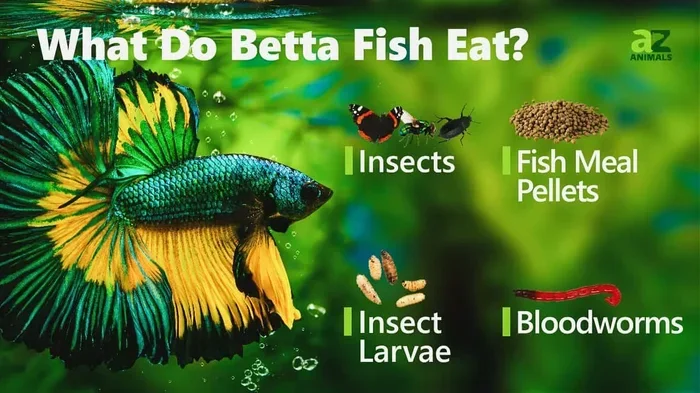
Once your betta has settled in, it is time to choose the right food. Not all fish food is created equal. Bettas are carnivorous by nature, so they need a protein-rich diet.
Here are the best food options for your betta:
- High-quality betta pellets: These are specifically formulated for betta nutrition. Look for brands with real fish meal as the first ingredient.
- Frozen or live brine shrimp: Bettas love brine shrimp, and it makes an excellent treat. Learn more about feeding brine shrimp to betta fish in our detailed guide.
- Bloodworms: A protein-packed treat that most bettas go crazy for. Use sparingly — they are a supplement, not a staple.
- Daphnia: A natural food source that aids digestion and adds variety to the diet.
Foods to Avoid
Some foods that seem harmless can actually be dangerous for bettas. Here is what you should never feed your fish:
- Bread and crackers: These contain fillers and carbohydrates that bettas cannot digest properly. Read our article on can you feed your betta fish bread for more details.
- Human table food: Many human foods contain salt, oil, and spices that are harmful to fish.
- Goldfish food: It does not meet the nutritional needs of a betta. The protein content and formulation are different.
Feeding Schedule and Portion Size
Now that you know what to feed your betta, let us talk about how much and how often. This is where many fish owners make mistakes.
The ideal feeding schedule is two small meals per day — once in the morning and once in the evening. Each meal should be no larger than what your betta can eat in two minutes. This is a very small amount, and it is exactly what your fish needs.
Overfeeding is the number one cause of health problems in pet bettas. Uneaten food decays in the water, raising ammonia levels. A bloated betta is an unhappy betta. For more information on this topic, check out our guide on can you overfeed your betta fish.
| Meal Time | Amount | Food Type |
|---|---|---|
| Morning | 2-3 pellets or a small pinch | High-quality betta pellets |
| Evening | 2-3 pellets or a small pinch | Pellets or a treat like bloodworms |
| Once a week | No food | Fasting day for digestive health |
Signs Your Betta Is Ready for Food
Behavioral Cues
Your betta will tell you when it is ready to eat. Look for these positive signs:
- Active swimming: The betta moves around the tank freely and explores its surroundings.
- Interest at the surface: It rises to the top when you approach the tank.
- Hunting behavior: It watches movement near the water surface intently.
- Bright colors: A healthy, settled betta shows vibrant fins and colors.
Warning Signs to Watch For
On the other hand, some signs mean you should be cautious:
- Lethargy: Your betta stays at the bottom or hides constantly.
- Loss of color: Fading colors can indicate stress or illness.
- Clamped fins: Fins held close to the body suggest discomfort.
- Not eating: If your betta refuses food after the first few offerings, wait a day and try again.
Remember, every betta is different. Some eat eagerly from day one, while others take a few days to warm up to their new home. Patience is key when caring for any aquarium fish.
Common Feeding Mistakes to Avoid
Feeding Too Much
This is the most common mistake new betta owners make. It is tempting to give your fish a lot of food, especially when it seems excited at mealtime. But bettas have tiny stomachs — about the size of their eye. A few pellets are more than enough for one feeding.
Extra food does not just go to waste. It sinks to the bottom, rots, and poisons the water. This creates a cycle of poor water quality that can lead to disease and a shorter lifespan for your fish.
Feeding at Irregular Times
Bettas thrive on routine. Feeding at the same times each day helps regulate their metabolism and digestion. If you feed whenever you remember, your betta’s body clock gets confused, which can affect its appetite and overall health.
Set a gentle alarm on your phone if you need to. A consistent schedule is one of the simplest things you can do for your fish’s well-being.
Ignoring Fasting Days
Many people do not realize that bettas benefit from a fasting day. Skipping one meal per week gives the digestive system a chance to clear out any remaining food. This helps prevent constipation and bloating.
Some experienced fish keepers even recommend a 48-hour fast every two weeks for adult bettas. This mimics their natural feeding patterns in the wild and keeps them healthy over the long term.
Using Low-Quality Food
Not all betta food is created equal. Cheap flake foods are often filled with fillers like wheat and soy. These offer little nutritional value and can cause digestive problems. Invest in a quality betta pellet or a varied diet that includes treats like frozen brine shrimp and bloodworms.
For more information on proper betta nutrition, read our article on how often you should feed a betta fish for expert-backed feeding guidelines.
Expert Tips for a Healthy Feeding Routine
Here are some extra tips from experienced betta keepers that can make a real difference:
- Soak pellets before feeding: Dry pellets can expand in your betta’s stomach, causing bloating. Soaking them for a few minutes before adding them to the tank prevents this issue.
- Variety is important: Rotate between pellets, frozen foods, and live foods to provide balanced nutrition and keep mealtime interesting.
- Remove uneaten food: If your betta does not finish its meal within a few minutes, use a small net or turkey baster to remove the excess. This keeps the water clean.
- Watch the water temperature: Bettas are tropical fish and need warm water between 76 and 82 degrees Fahrenheit. Cold water slows digestion and can make your fish less interested in food.
- Handle feeding gently: Avoid dropping food from a great height. Use your fingers or a small feeding ring to place food near your betta without disturbing the water.
These small adjustments add up over time. A consistent, thoughtful feeding routine is one of the best things you can do to support your betta’s health and extend its lifespan.
How Feeding Relates to Overall Betta Care
Feeding is just one part of the equation. Your betta’s overall well-being depends on a combination of factors working together. Proper water conditions, tank size, tank mates, and enrichment all play a role in how well your fish eats and thrives.
A stressed betta will not eat properly. A betta in dirty water will get sick. A betta in a tiny bowl will become sluggish and bored. Feeding is connected to every other aspect of care, and getting it right sets the foundation for a happy fish.
Want to learn more about other aspects of betta care? Check out our guides on playing with your male betta fish and hand feeding betta fish for fun and interactive ways to bond with your pet.
Conclusion
Should you feed your betta fish right away? The answer is clear — wait at least 24 to 48 hours. This simple act of patience can protect your betta from stress, digestive issues, and water quality problems. Once your fish has adjusted, establish a consistent feeding schedule with small, high-quality meals twice a day.
Remember to include a weekly fasting day, avoid overfeeding, and choose nutritious foods that meet your betta’s carnivorous needs. With the right approach, your betta will thrive in its new home and bring you years of enjoyment.
Good betta care starts with understanding your fish’s needs. And feeding is the first — and most important — step in building a strong, healthy relationship with your colorful companion.
Frequently Asked Questions
Can I feed my betta fish the same day I set up the tank?
No, you should wait at least 24 hours before feeding your betta in a new tank. This allows the water parameters to stabilize and gives your fish time to adjust to the new environment. Feeding too soon can lead to uneaten food polluting the water and stressing your betta.
How do I know if my betta fish is actually hungry?
A truly hungry betta will show active behavior, such as swimming to the surface when you approach and exploring the tank. If your betta is simply begging, it may have learned that certain movements mean food is coming. Bettas can go several days without food without any harm.
What happens if I overfeed my betta fish?
Overfeeding can cause bloating, constipation, and poor water quality. Uneaten food decays in the tank and raises ammonia levels, which can make your betta sick. It is always better to feed a small amount and offer a second small feeding if your fish is still hungry.
Is fasting good for betta fish?
Yes, fasting is beneficial for bettas. A 24-hour fast once a week helps clear the digestive system and prevents constipation. In the wild, bettas do not eat every single day, so a periodic fast mimics their natural feeding patterns and supports long-term health.
What is the best first food for a new betta fish?
High-quality betta pellets are the best first food for a new betta. They are specifically formulated with the right protein content and nutrients. Start with just two to three pellets, and observe how your betta responds before offering more or introducing other food types.
Can I feed my betta fish every day?
Yes, you can feed your betta fish every day, but only in small amounts. Two small meals per day is the recommended schedule. Make sure you also include one fasting day per week to support your betta’s digestive health and prevent overfeeding-related issues.