Is.it.better to Buy Farm Raised Fish or Wild Caught
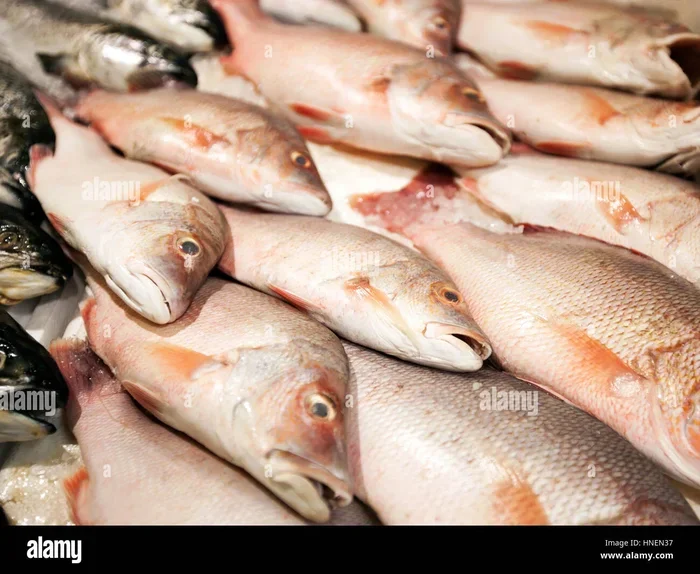
Choosing between farm raised fish and wild caught fish depends on your priorities. Farm raised fish is often cheaper and more available, while wild caught fish tends to have better nutrition and a more natural taste. This guide breaks down the key differences so you can make an informed choice every time you shop for seafood.
When you walk through the seafood aisle or visit your local fish market, you face a big question. Should you grab the farm raised fish or go for the wild caught fish? This debate has been going on for years, and for good reason. Your choice affects your health, your wallet, and even the planet.
Many people assume wild is always better. Others believe farmed fish is the smarter pick. The truth lies somewhere in between, and it depends on what matters most to you. In this article, we will break down everything you need to know about farm raised vs wild caught fish. You will learn about nutrition, taste, price, environmental impact, and more.
By the end, you will feel confident making the right choice at the store or restaurant. Whether you love cooking seafood at home or just want to eat healthier, this guide has you covered. Let us dive in and explore the world of aquaculture and wild fisheries together.
Key Takeaways
- Wild caught fish generally has higher omega-3 content and fewer contaminants.
- Farm raised fish is more affordable and widely available year-round.
- Environmental impact varies significantly between fish farms and wild fisheries.
- Taste and texture differ noticeably, and personal preference plays a big role.
- Sustainability certifications can help you choose responsibly raised or caught fish.
- Mercury and pollutant levels tend to be lower in wild fish from clean waters.
- Both options can be part of a healthy diet when chosen wisely.
📑 Table of Contents
What Is Farm Raised Fish?
Farm raised fish, also called farmed fish, comes from fish farms. These are controlled environments where fish are bred and raised for food. The practice is known as aquaculture, and it has grown massively over the past few decades.
Fish farms can be located in freshwater ponds, coastal cages, or even indoor tanks. Farmers feed the fish a controlled diet and monitor their growth closely. Common farmed fish species include tilapia, catfish, salmon, and shrimp.
How Farm Raised Fish Is Raised
Fish farming involves raising fish in tanks, ponds, or ocean enclosures. Farmers give the fish specially formulated feed to help them grow fast. The farmed fish diet often includes grains, soy, and smaller fish meal.
Because the environment is controlled, farmed fish are less exposed to predators and weather changes. This means they grow more quickly than their wild counterparts. However, the conditions in which they are raised can vary a lot from one farm to another.
Common Types of Farmed Fish
- Tilapia – One of the most popular farmed fish worldwide.
- Farmed salmon – Often raised in ocean net pens, especially in Norway and Chile.
- Catfish – Commonly raised in freshwater ponds in the southern United States.
- Swai and basa – Budget-friendly white fish often imported from Southeast Asia.
- Trout – Raised in freshwater farms across many countries.
What Is Wild Caught Fish?
Wild caught fish comes from natural bodies of water. This includes oceans, rivers, lakes, and streams. Unlike farmed fish, wild fish live freely in their natural fish habitat. They hunt for food and grow at a natural pace.
Commercial fishing operations catch wild fish using various methods. These include trawling, longlining, purse seining, and hook-and-line fishing. The wild fish harvest has been a food source for humans for thousands of years.
Where Wild Caught Fish Comes From
Wild fish can come from virtually any body of water. Some of the most popular sources include the cold waters of the North Atlantic and Pacific. Rivers like the Columbia and the Mississippi also support large wild fisheries. Many tropical regions rely on coral reef fisheries for their daily protein.
The quality of wild caught fish depends heavily on the water it comes from. Clean, cold waters tend to produce fish with better flavor and fewer fish contaminants. On the other hand, polluted waters can introduce harmful substances into the fish.
Common Types of Wild Caught Fish
- Wild salmon – Caught in Pacific Northwest and Alaskan waters.
- Tuna – Found in open ocean waters around the world.
- Cod – A classic cold-water species from the North Atlantic.
- Mahi-mahi – A tropical fish often caught in the open ocean.
- Walleye and bass – Popular freshwater game fish found in lakes and rivers.
Nutrition: Farm Raised vs Wild Caught
One of the biggest reasons people care about this debate is nutrition. What you put on your plate affects your body, so it matters what kind of fish protein you are eating.
Omega-3 Fatty Acids
Wild caught fish almost always has higher levels of omega-3 fatty acids. These healthy fats are essential for heart and brain health. Wild fish get their omega-3s from eating natural marine plants and smaller fish in their wild fish habitat.
Farmed fish can still contain omega-3s, but the levels vary. This depends on what the fish are fed. Some modern fish farms now add omega-3-rich oils to the fish feed. However, the ratio of omega-3 to omega-6 fats is often less favorable in farmed fish.
Fat Content and Calories
Farmed fish tends to be fattier than wild fish. This is because farmed fish get more calories from their feed and do not swim as much. For some fish like salmon, this extra fat can be a good thing in moderation.
However, the type of fat matters. Wild fish stores healthy omega-3 fats, while farmed fish may have a higher proportion of omega-6 fats. Too much omega-6 relative to omega-3 can promote inflammation in the body. This is why many health experts prefer wild caught salmon and other fatty fish for their fish nutrition benefits.
Vitamins and Minerals
Both farmed and wild fish provide important vitamins and minerals. They are good sources of vitamin D, vitamin B12, selenium, and iodine. Wild fish often has a slight edge in mineral content because of its more varied natural diet.
Farmed fish, however, can have higher levels of certain vitamins added through feed. The overall fish quality of vitamins and minerals depends on the specific farming practices used.
Taste and Texture Comparison
Let us talk about something that really matters to home cooks and food lovers alike. How does wild caught fish taste compared to farmed fish? The answer might surprise you.
Flavor Differences
Wild caught fish generally has a more pronounced, complex flavor. The fish develops its taste from the natural foods it eats in the wild. This gives it a cleaner, brinier, and sometimes slightly sweeter profile.
Farmed fish, on the other hand, tends to have a milder taste. The controlled diet and slower activity level result in a more neutral flavor. For people who do not love a strong fishy taste, this can be a plus. But for seafood lovers, the milder flavor of farmed fish can feel bland.
Texture Differences
The texture of wild caught fish is usually firmer and more defined. Wild fish swim constantly, which builds lean muscle. This gives the flesh a tighter, more satisfying bite when you cook it.
Farmed fish often has a softer, more delicate texture. The reduced activity level means less muscle development. Some people enjoy this softer texture, while others find it mushy or unappealing. If you like your fish to hold its shape on the grill or in a pan, wild caught is usually the better pick.
Which Tastes Better?
Honestly, this comes down to personal preference. If you enjoy a rich, full fish flavor with a firm bite, go with wild caught. If you prefer a mild, tender fish that absorbs sauces well, farmed fish might be your style. Both types can be delicious when prepared well.
Price and Availability
Your budget plays a big role in the farm raised fish vs wild caught fish decision. Let us look at how price and availability stack up.
Cost Comparison
Farm raised fish is almost always cheaper than wild caught. Fish farming produces large quantities in a controlled setting. This scale drives the price down, making farmed fish more accessible to everyday shoppers.
Wild caught fish costs more for several reasons. Wild fisheries depend on seasonal catches and natural conditions. The fishing process itself requires more fuel and labor. Plus, wild fish grow more slowly, which limits supply. All of this adds up to a higher price tag at the checkout.
Availability Throughout the Year
One major advantage of farmed fish is its year-round availability. Fish farms can produce a steady supply regardless of season or weather. You can buy tilapia, catfish, or farmed salmon any time of year.
Wild caught fish is more seasonal. Certain species are only available during specific months. For example, wild Alaskan salmon has a short peak season in summer. Outside of season, you may need to buy frozen wild fish or pay a premium for fresh imports.
Environmental Impact and Sustainability
The environmental impact of your seafood choices is a topic that deserves serious attention. Both farmed and wild fish have ecological consequences, but they differ in important ways.
The Environmental Cost of Fish Farming
Fish farms can pollute surrounding waters with waste and excess feed. The concentrated number of fish in a small area creates a lot of runoff. This runoff can deplete oxygen levels in nearby water and harm local ecosystems.
There is also the issue of fish escapees. Farmed fish that escape into the wild can breed with wild populations, weakening their genetic diversity. Some fish farms also rely on wild-caught fish to make feed, which creates a cycle of ocean depletion.
However, not all fish farming is bad. Modern sustainable fish farms use closed-loop systems and responsible feed practices. Some farms even help restore wild fish populations by raising and releasing juvenile fish into the ocean.
The Environmental Cost of Wild Catching
Wild fishing can also harm the environment. Overfishing has depleted many fish stocks around the world. Destructive fishing methods like bottom trawling damage ocean floors and coral reefs. Bycatch, or the accidental catching of non-target species, is another serious problem.
On the positive side, well-managed wild fisheries can be very sustainable. Organizations like the Marine Stewardship Council certify fisheries that meet strict environmental standards. Choosing MSC-certified wild fish is one of the best ways to support ocean health.
Which Is More Sustainable?
There is no simple answer. Both farmed and wild fish can be sustainable or unsustainable depending on how they are produced. Look for sustainable seafood certifications when you shop. These labels help you choose options that are better for the environment.
For more information on this topic, check out our article on is farm raised fish better than wild caught to understand the latest research on farming practices.
Health and Safety Considerations
When you buy fish, you want to know it is safe to eat. Both farmed and wild fish can have health risks, but they are different kinds of risks.
Contaminants and Pollutants
Farmed fish can contain higher levels of contaminants like PCBs and dioxins. These chemicals come from the fish feed and the water in which the fish live. However, modern regulations in many countries have significantly reduced these risks.
Wild caught fish from polluted waters can also contain harmful substances. Mercury is a major concern, especially in larger predatory fish like tuna and swordfish. Smaller fish from clean waters tend to have much lower mercury levels.
Antibiotics and Additives
Some fish farms use antibiotics to prevent disease in crowded conditions. This can contribute to antibiotic resistance, which is a growing public health concern. However, many countries have banned or restricted antibiotic use in fish farming.
In the United States and the European Union, strict rules limit what can be added to farmed fish. Always buy from reputable sources and look for labels that indicate responsible farming practices.
Making the Healthiest Choice
To minimize risks, choose fish from clean waters and well-regulated farms. Vary your seafood choices to avoid overexposure to any single contaminant. When in doubt, ask your fishmonger where the fish comes from and how it was raised or caught.
For a deeper dive into the health aspects, read our guide on why wild caught fish is better for your health and what to look for when shopping.
Which Should You Choose?
So, what is the bottom line? There is no single right answer. The best choice depends on your budget, your health goals, and your values.
If you want the best nutrition and taste, wild caught fish is usually the winner. If you are watching your budget or want consistent availability, farm raised fish is a solid option. The key is to buy from trusted sources and look for quality labels.
You can also mix both types in your diet. Eating a variety of fish gives you the benefits of both farmed and wild options. It also helps reduce pressure on any single fishery or farm.
For more tips on making the best seafood choices, visit our article on which is better farmed or wild fish for additional insights and expert recommendations.
Remember, the best fish is the one that is fresh, properly stored, and prepared with care. Whether you choose farm raised or wild caught, you are making a choice that supports your health and the food system. Make that choice wisely, and enjoy every bite.
Frequently Asked Questions
Is wild caught fish always healthier than farm raised fish?
Not always. Wild caught fish generally has higher omega-3 levels and fewer contaminants, but farmed fish can still be a healthy choice. The nutritional profile depends on the species, farming practices, and the water quality where the fish was caught.
Why is farm raised fish cheaper than wild caught fish?
Farm raised fish is cheaper because it is produced at scale in controlled environments. Farmers can raise large quantities year-round, which lowers the cost per fish. Wild fish takes more effort, fuel, and labor to catch, which drives up the price.
Can farm raised fish taste as good as wild caught fish?
Yes, it can. The taste depends on the species, how fresh it is, and how it is prepared. Some farmed fish like trout and salmon can taste excellent when raised well. However, wild fish often has a more complex and pronounced flavor that many seafood lovers prefer.
Is farm raised fish safe to eat?
Yes, farm raised fish is generally safe to eat. Reputable farms follow strict food safety regulations. Look for fish from farms that avoid excessive antibiotic use and maintain clean water conditions. Buying from trusted brands and stores helps ensure safety.
How can I tell if fish is wild caught or farm raised?
Check the label or ask your fishmonger. Wild caught fish is usually labeled as such, and it often comes with a country of origin. Farmed fish may say “farmed” or “aquaculture-raised” on the package. Color, fat content, and price can also give you clues.
What is the most sustainable fish to buy?
The most sustainable fish depends on how it is caught or raised. Look for certifications like MSC for wild fish and ASC for farmed fish. Species like sardines, mackerel, and Pacific halibut are often well-managed and sustainable choices.