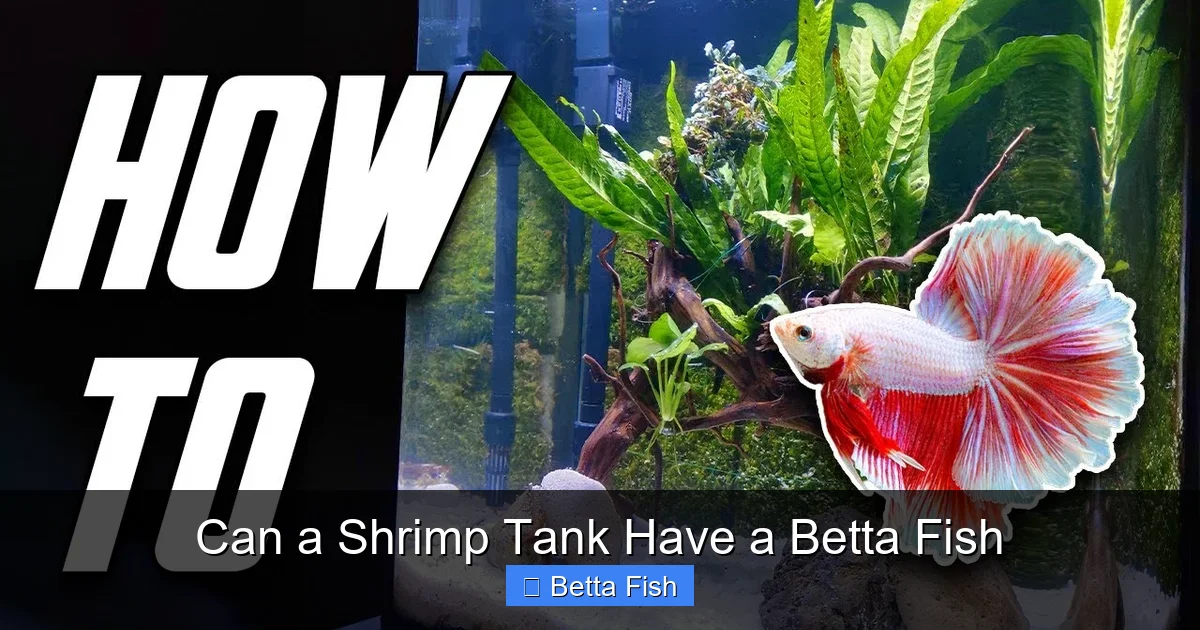
Can a Shrimp Tank Have a Betta Fish
Can a shrimp tank have a Betta fish? Yes, but only with careful planning, the right shrimp species, and plenty of hiding spots. Follow these guidelines to create a peaceful community tank that protects both the Betta and your shrimp.
Key Takeaways
- Compatibility depends on shrimp size and temperament: Larger, hardy shrimp like Amano or Ghost shrimp are safest.
- Tank size matters: A minimum of 5‑10 gallons gives the Betta space to patrol without harassing shrimp.
- Plenty of cover is essential: Live plants, moss, and decorations create refuges for shrimp.
- Water parameters must suit both: Keep temperature 76‑80 °F, pH 6.5‑7.5, and maintain excellent water quality.
- Feeding strategy prevents aggression: Separate feeding spots or timed feedings reduce competition.
- Monitor behavior daily: Early signs of stress let you act before injuries occur.
- Not all Betta fish are alike: Some are more aggressive; choose a calm, non‑flaring male or a female Betta.
📑 Table of Contents
- Introduction: Why the Question Comes Up
- 1. Understanding the Core Compatibility Issues
- 2. Choosing the Right Shrimp Species
- 3. Setting Up the Tank: Size, Filtration, and Decoration
- 4. Managing Water Quality and Parameters
- 5. Feeding Strategies to Reduce Conflict
- 6. Monitoring Behavior and Adjusting the Setup
- Conclusion: Is It Worth It?
- Related Reading
Introduction: Why the Question Comes Up
Betta fish are famous for their vibrant fins and feisty personalities. Shrimp, on the other hand, are tiny, peaceful cleaners that love to scavenge leftover food and algae. When hobbyists start a shrimp‑only tank, they often wonder, “can a shrimp tank have a Betta fish?” The idea is tempting: one tank, two eye‑catching creatures, and a self‑cleaning system.
Before you toss a Betta into a shrimp‑only setup, you need to understand the biology of both animals, their water needs, and how their temperaments interact. This guide walks you through every factor—size, tank layout, water chemistry, feeding, and daily monitoring—so you can decide if a shared tank is a good idea for you.
1. Understanding the Core Compatibility Issues
1.1. Betta temperament
Betta fish (Betta splendens) are naturally territorial. In the wild, males guard a small stretch of water and will chase away anything that enters their space. In a home aquarium, this instinct can turn toward shrimp, especially if the shrimp are small enough to be seen as food.
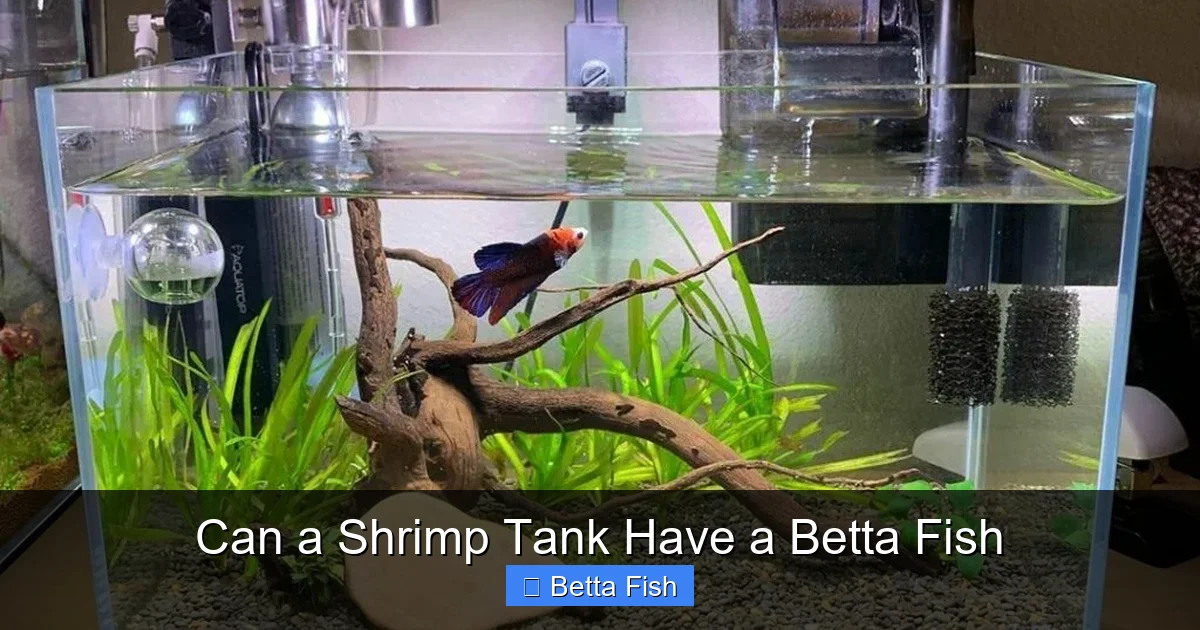
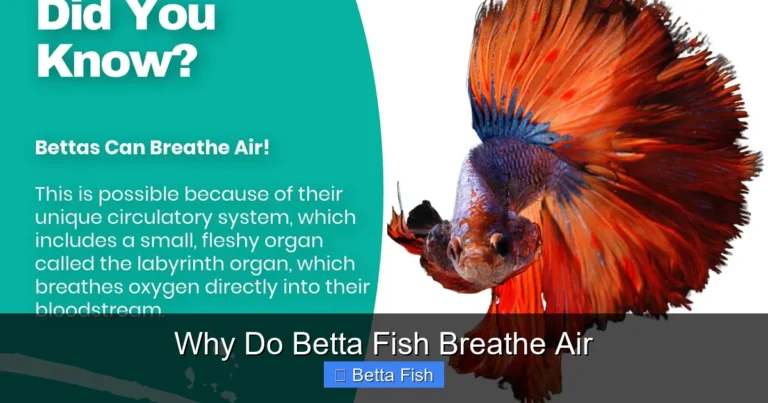
Visual guide about Can a Shrimp Tank Have a Betta Fish
Image source: fishlab.com
1.2. Shrimp size and behavior
Most popular aquarium shrimp—such as Cherry, Ghost, and Amano—grow to 1‑2 inches. Larger shrimp like Amano are less likely to be seen as prey, while tiny baby shrimp are at high risk. Shrimp also spend a lot of time grazing on surfaces, which can bring them into the Betta’s line of sight.
1.3. Water parameter overlap
Both Betta fish and most freshwater shrimp thrive in slightly acidic to neutral water (pH 6.5‑7.5) and temperatures between 76‑80 °F (24‑27 °C). This overlap makes a shared tank technically possible, but the stability of those parameters becomes crucial when you have two very different creatures.
1.4. Aggression triggers
Betas become aggressive when they feel crowded, hungry, or when they see bright movement. Shrimp that constantly dart around can inadvertently trigger a Betta’s flare response. Providing plenty of visual barriers can diffuse these triggers.
2. Choosing the Right Shrimp Species
2.1. Amano (Caridina multidentata)
Amano shrimp grow up to 2 inches and are known for their robust nature. Their size and quick swimming ability make them less appealing as a snack for most Betta fish. They also help control algae, which benefits the Betta’s environment.
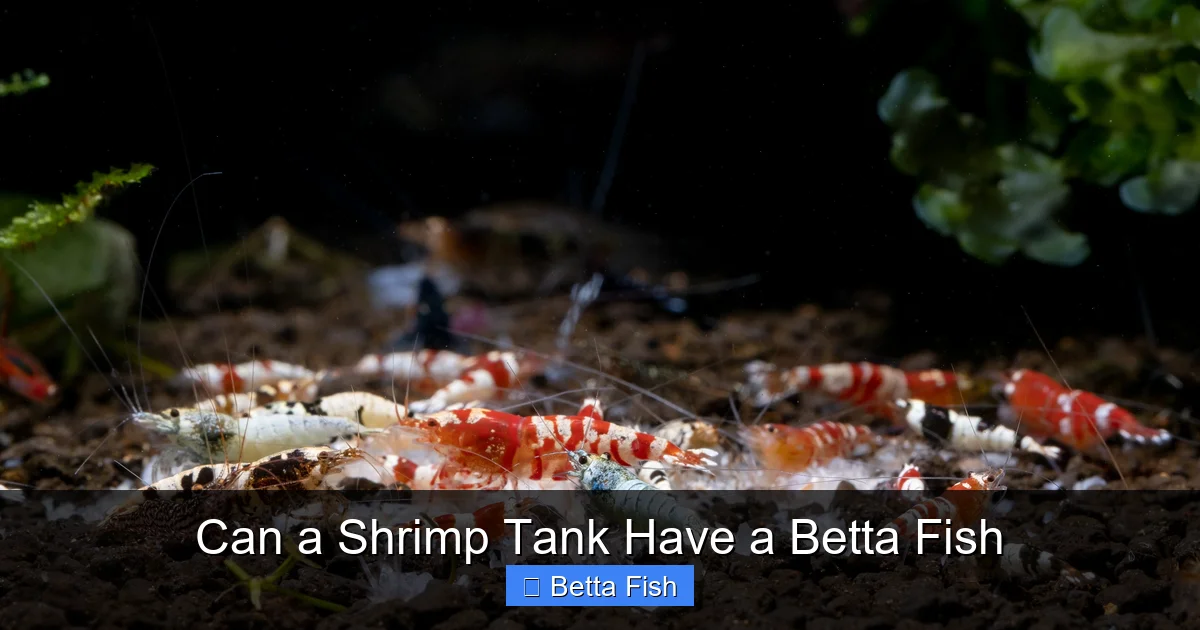
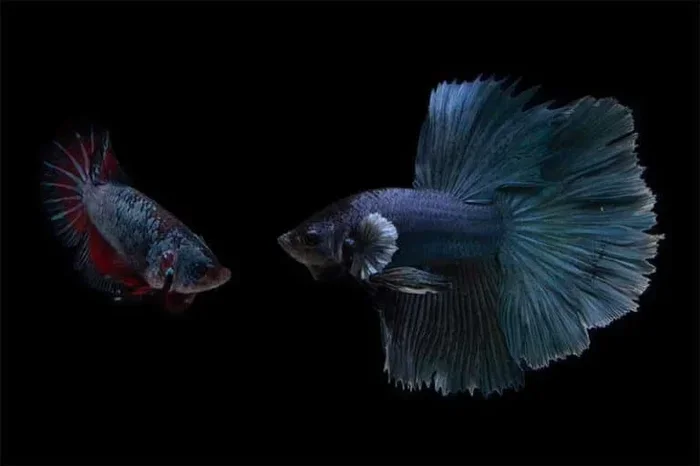
Visual guide about Can a Shrimp Tank Have a Betta Fish
Image source: splashyfishstore.com
2.2. Ghost Shrimp (Palaemonetes sp.)
Ghost shrimp are transparent, making them harder for a Betta to spot, but they are still small enough to be at risk. If you have a very calm Betta, Ghost shrimp can work, especially in a heavily planted tank.
2.3. Cherry Shrimp (Neocaridina davidi)
Cherry shrimp are colorful and popular, but they stay around 1 inch. They can coexist with a non‑aggressive Betta if you provide dense planting and plenty of hiding places.
2.4. What to avoid
Very small dwarf shrimp or baby shrimp should not be kept with a Betta unless you are prepared to separate them at the fry stage. Also, avoid brightly colored shrimp that may provoke a Betta’s curiosity.
3. Setting Up the Tank: Size, Filtration, and Decoration
3.1. Minimum tank size
While a Betta can survive in a 2‑gallon bowl, a shrimp‑Betta community needs space. Aim for at least 5‑10 gallons. Larger tanks dilute aggression and give shrimp more room to hide.
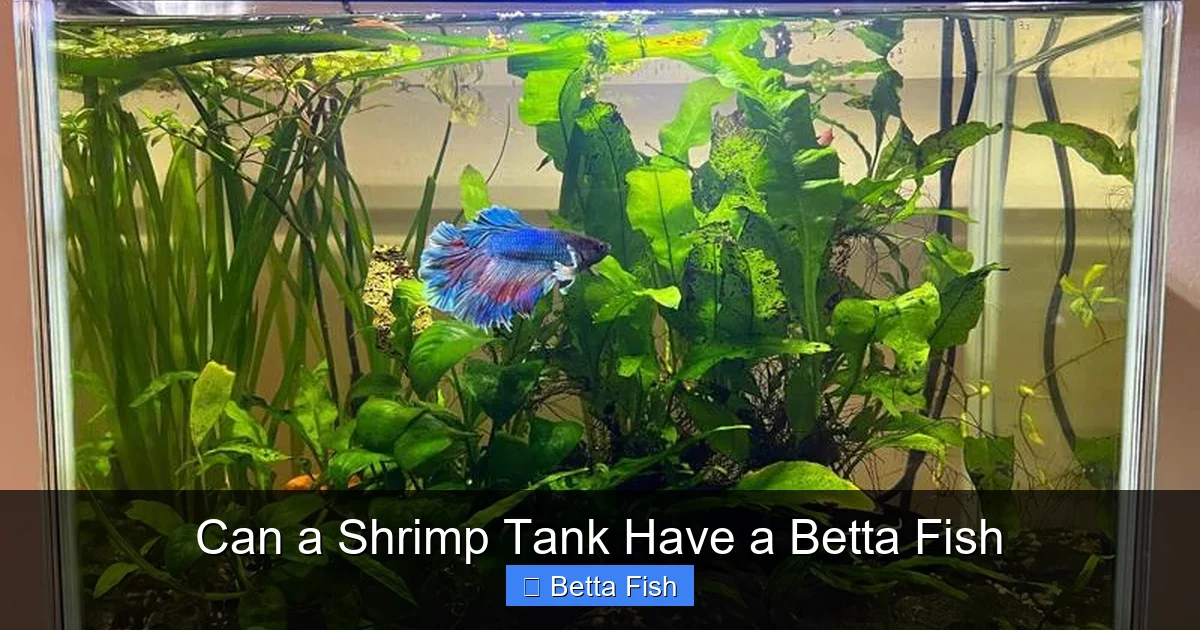
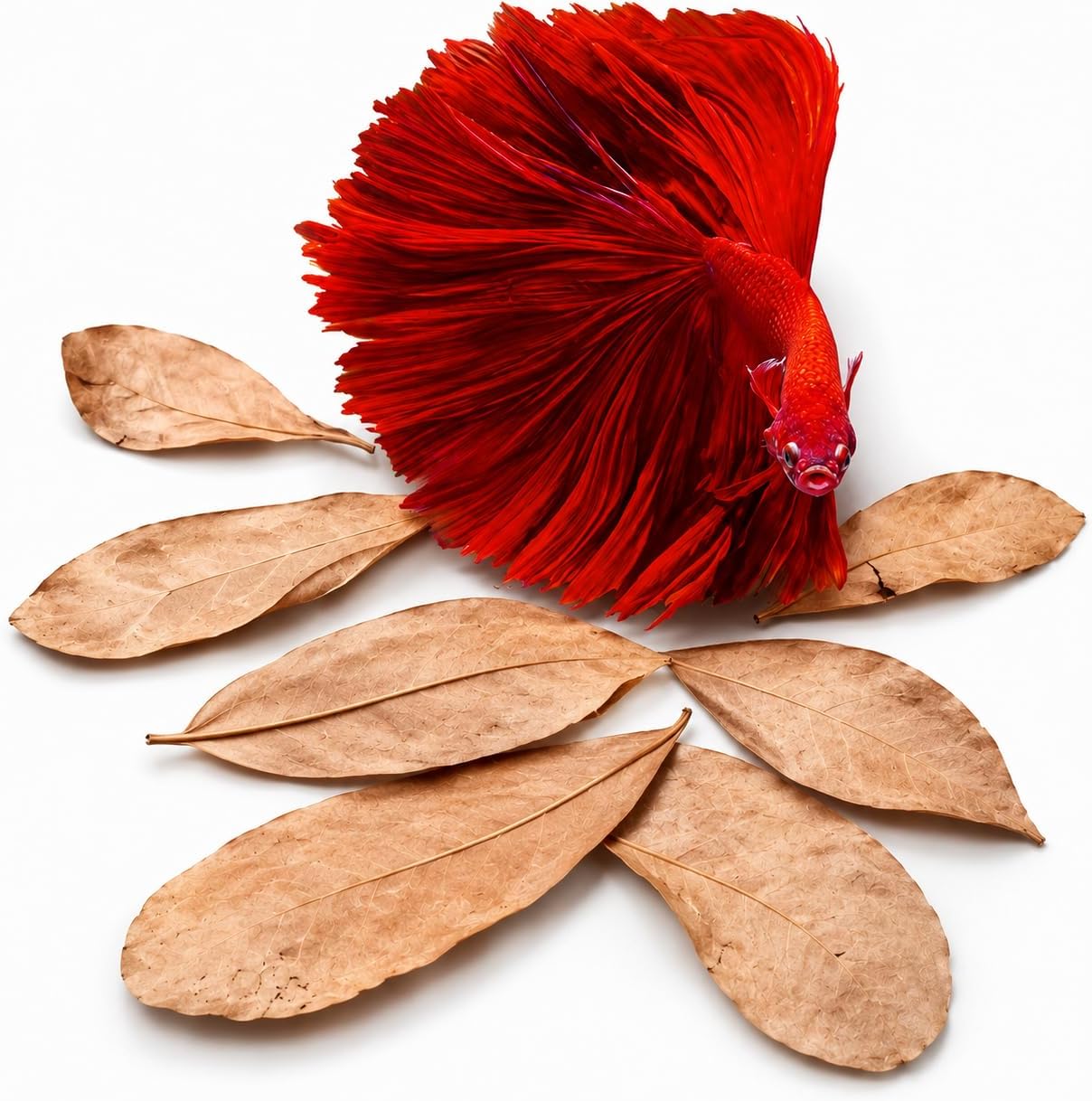
Visual guide about Can a Shrimp Tank Have a Betta Fish
Image source: acaquarium.com
3.2. Filtration
A gentle sponge filter works well. It provides bio‑filtration without creating a strong current that could stress Betta fins or sweep shrimp away from their hideouts.
3.3. Substrate and plants
Fine sand or a planted substrate creates natural foraging grounds for shrimp. Live plants such as Java moss, Anubias, and floating duckweed offer excellent cover. Even artificial plants with fine leaves can be effective.
3.4. Decorations and hiding spots
Use driftwood, ceramic caves, and PVC pipes. The key is to break the line of sight so the Betta can’t constantly see the shrimp. Aim for at least one hiding spot per shrimp.
3.5. Lighting
Moderate lighting encourages plant growth and reduces stress. Too bright a light can make the Betta more active and increase the chance of a chase.
4. Managing Water Quality and Parameters
4.1. Temperature
Maintain 76‑80 °F. Use an aquarium heater with a reliable thermostat. Sudden temperature swings can stress both Betta and shrimp, leading to disease.
4.2. pH and hardness
Keep pH between 6.5‑7.5 and moderate hardness (GH 4‑12). Test weekly with a liquid test kit.
4.3. Ammonia, nitrite, nitrate
Zero ammonia and nitrite are non‑negotiable. Keep nitrates below 20 ppm. Perform 20‑30% water changes weekly, using conditioned water to remove chlorine and chloramine.
4.4. Conditioning tap water
Use a water conditioner that detoxifies heavy metals. For more detail on conditioning, see our guide on Can You Fill A Betta Fish Tank With Tap Water.
5. Feeding Strategies to Reduce Conflict
5.1. Separate feeding zones
Place a small feeding dish on one side of the tank for the Betta and another on the opposite side for shrimp. This prevents the Betta from seeing the shrimp’s food and lunging.
5.2. Timing
Feed the Betta first, wait a few minutes, then add shrimp food. The Betta will be less interested once it’s full.
5.3. Food types
High‑quality Betta pellets or frozen bloodworms are ideal for the Betta. Shrimp love algae wafers, blanched vegetables, and specially formulated shrimp pellets.
5.4. Over‑feeding risks
Uneaten food decays, raising ammonia. Remove excess food after 5‑10 minutes.
6. Monitoring Behavior and Adjusting the Setup
6.1. Signs of stress in Betta
Frequent flaring, constant swimming near the surface, or loss of color can indicate stress.
6.2. Signs of stress in shrimp
Hiding constantly, loss of coloration, or a sudden drop in population are red flags.
6.3. Intervention steps
- Increase hiding places.
- Temporarily separate the Betta using a clear divider.
- Consider moving to a larger tank.
6.4. When to give up
If aggression persists after several weeks of adjustments, it’s kinder to house them separately. The health of both species comes first.
Conclusion: Is It Worth It?
So, can a shrimp tank have a Betta fish? The answer is yes, but only under the right conditions: a spacious, well‑planted tank, a calm Betta, and shrimp that are large enough to avoid being seen as food. By following the setup steps, monitoring water quality, and feeding wisely, you can create a beautiful, dynamic community that showcases the Betta’s colors and the shrimp’s industrious nature.
Remember, every Betta is an individual. Some will coexist peacefully, while others may never accept a shrimp roommate. Start with a single male Betta, observe closely, and be ready to make changes. With patience and attention to detail, you’ll know whether your tank belongs to a Betta‑only kingdom or a bustling shrimp‑Betta partnership.
Related Reading
For more on mixing tank mates, check out Can You Have Shrimp With Betta Fish and Which Fish Can Live With Betta Fish In A Tank. If you’re curious about adding other companions, our article on Can You Have An Algae Eater With A Betta Fish offers additional ideas.
Frequently Asked Questions
Can a Betta eat shrimp?
Yes, especially if the shrimp are small or the Betta is particularly aggressive. Larger shrimp like Amano are less likely to be targeted.
Do Betta fish need a heater in a shrimp tank?
Betta fish prefer 76‑80 °F, which is also suitable for most freshwater shrimp. A reliable heater helps maintain a stable temperature.
How many shrimp can I keep with one Betta?
A good rule of thumb is 5‑8 shrimp in a 5‑gallon tank, provided there are plenty of hiding spots.
Should I use a lid on a mixed Betta‑shrimp tank?
Yes. Betta fish can jump, and a lid keeps them safe while also preventing shrimp from escaping.
What plants are best for a Betta‑shrimp community?
Java moss, Anubias, and Cryptocoryne are excellent because they grow slowly, provide cover, and thrive in the same water parameters.
Can I add a snail to a Betta‑shrimp tank?
Snails are generally safe and can help clean algae, but make sure the Betta isn’t aggressive toward the snail’s shell.