Why Does My Betta Fish Tank Look Cloudy
Cloudy water is a common problem for betta owners, but it’s usually fixable. By checking water parameters, cleaning habits, and tank setup, you can quickly restore clarity and protect your fish.
Key Takeaways
- Cause identification: Cloudiness often stems from new tank cycling, overfeeding, or inadequate filtration.
- Immediate fixes: Partial water changes, proper substrate cleaning, and using a water clarifier can clear the water fast.
- Long‑term prevention: Regular maintenance, balanced feeding, and monitoring ammonia/nitrite keep water clear.
- Healthy betta signs: A clear tank supports good coloration, active swimming, and normal bubble‑nest building.
- When to seek help: Persistent cloudiness despite corrective steps may signal disease or equipment failure.
📑 Table of Contents
Introduction
Picture this: you’ve just set up a gorgeous 5‑gallon tank for your new betta, added some live plants, and watched the little fighter flare his fins proudly. A few days later, the water looks like a milky soup. You panic, wonder if you’ve done something wrong, and start Googling “why does my betta fish tank look cloudy.”
Don’t worry—cloudy water is one of the most common issues for betta owners, and in most cases it’s not a sign of a dying fish. It’s usually a symptom of something you can correct with a few simple steps. In this guide we’ll walk through the science behind cloudy water, the typical culprits, and a practical, step‑by‑step plan to bring that sparkle back.
What Causes Cloudy Water?
Before you can fix the problem, you need to know why it happens. Cloudiness can be caused by several factors, and often more than one is at play.
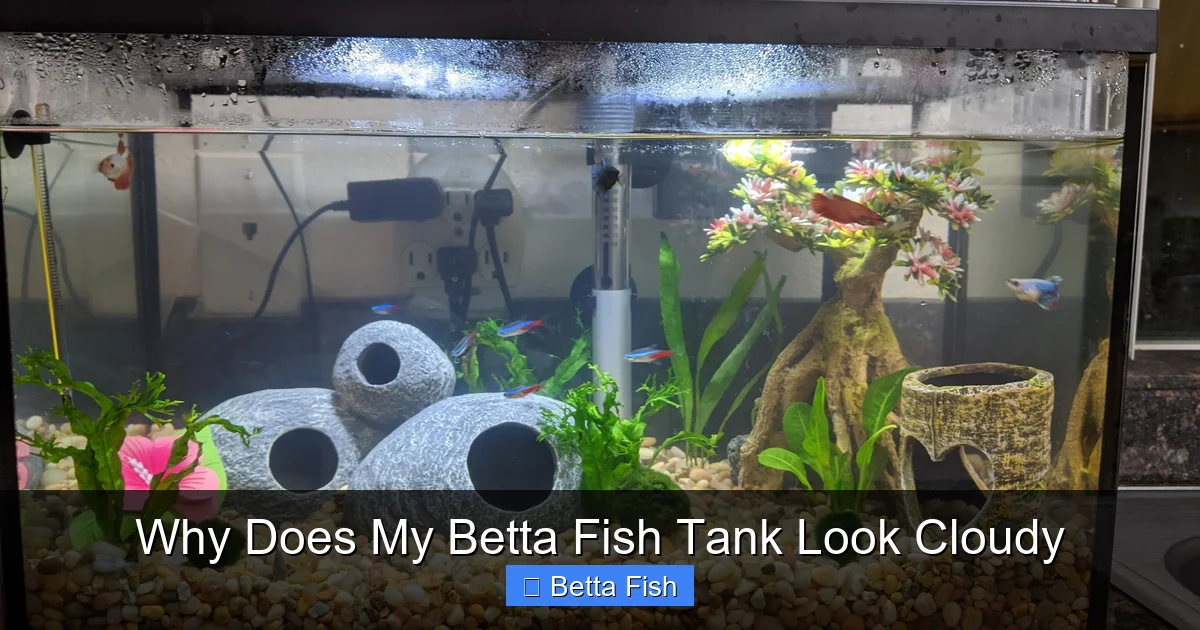
Visual guide about Why Does My Betta Fish Tank Look Cloudy
Image source: i.redd.it
1. New Tank Cycling
When you first fill a tank, the nitrogen cycle hasn’t started yet. Beneficial bacteria that convert toxic ammonia into nitrite and then nitrate need time to colonize the filter media, substrate, and decorations. During this “cycling” period, you’ll see a white, milky cloud that is actually tiny particles of bacteria and suspended organic matter.
2. Overfeeding and Food Particles
Betta fish have small stomachs and eat only a few pellets a day. If you overfeed, uneaten food sinks and decomposes, releasing nutrients that fuel bacterial blooms. The result is a cloudy, sometimes greenish water.
3. Inadequate Filtration
Betta tanks are often kept in small, low‑flow setups. A filter that is too weak or missing entirely can’t trap fine particles, leaving them suspended in the water column.
4. Substrate Disturbance
Gravel or sand can release dust when first added, especially if it wasn’t rinsed thoroughly. This dust creates a short‑term cloud that usually settles after a few days, but if the substrate is constantly stirred (by a filter or the fish), the cloud can persist.
5. Water Conditioners and Additives
Some conditioners contain polymers that make water appear slightly hazy until they dissolve completely. Likewise, using too much liquid fertilizer for plants can cause a temporary cloud.
6. Algae Blooms
Excess light and nutrients can trigger a green or yellow algae bloom that looks cloudy, especially in the early stages before the algae become visible as a film.
How to Diagnose the Source
Now that you know the usual suspects, let’s narrow down which one is affecting your tank.

Visual guide about Why Does My Betta Fish Tank Look Cloudy
Image source: petfishtank.com
Step 1 – Test Water Parameters
- Ammonia & Nitrite: Use a liquid test kit. Any detectable ammonia or nitrite suggests a cycling issue.
- pH & Hardness: Extreme pH swings can stress bettas and affect bacterial growth.
- Temperature: Betta fish thrive at 76‑82°F (24‑28°C). Too cold slows bacterial colonization.
Step 2 – Observe Feeding Habits
Check the bottom of the tank after meals. If you see leftover pellets, you’re likely overfeeding.
Step 3 – Inspect Filtration
Is the filter running? Does it have a fine‑mesh cartridge? A filter that’s clogged or too weak will let particles stay suspended.
Step 4 – Look at Substrate and Decorations
Shake a small amount of substrate in a separate container of water. If it turns cloudy quickly, the substrate is the source.
Step 5 – Assess Light & Plant Load
Too many lights or a high‑intensity LED on a small tank can promote algae. Reduce light to 8‑10 hours a day if you suspect this.
Immediate Fixes to Clear the Water
Once you’ve identified the likely cause, you can take quick action. Most of these steps can be done in under an hour.
1. Perform a Partial Water Change
Swap out 25‑30 % of the water with fresh, dechlorinated water that matches the tank temperature. This dilutes suspended particles and reduces ammonia.
2. Use a Water Clarifier (Sparingly)
Commercial clarifiers contain flocculants that bind tiny particles together, making them easier for the filter to capture. Follow the label and use only once a week at most.
3. Clean the Substrate
Vacuum the gravel with a siphon during your water change. If you’re using sand, gently stir the sand and let the debris settle before siphoning it out.
4. Upgrade or Adjust Filtration
If you’re using a sponge filter, make sure it’s fully saturated and placed where water flow circulates throughout the tank. Consider adding a small hang‑on‑back (HOB) filter with a flow rate of 2‑3 times the tank volume per hour.
5. Reduce Feeding Frequency
Feed two small pellets once or twice a day, and only what your betta can eat in 2‑3 minutes. Remove any uneaten food with a pipette.
6. Rinse New Decorations
Before placing new ornaments, rinse them in warm water and, if possible, soak them in a diluted bleach solution (1 % bleach) for 10 minutes, then rinse thoroughly.
Long‑Term Prevention Strategies
Keeping the water clear isn’t a one‑time fix; it’s a habit. Below are habits that will keep your betta’s home sparkling for months.
Regular Water Testing
Test the water weekly for the first month, then bi‑weekly. Keep ammonia and nitrite at 0 ppm, and nitrate below 20 ppm.
Scheduled Water Changes
Replace 20‑30 % of the water every week. This prevents nutrient buildup that fuels bacteria and algae.
Maintain the Filter
Rinse filter media in tank water (not tap water) once a month to preserve beneficial bacteria. Replace cartridges according to the manufacturer’s schedule.
Control Light Exposure
Provide 8‑10 hours of light daily. Use a timer to avoid accidental over‑lighting.
Balanced Feeding
Stick to a consistent feeding schedule. Consider using frozen or live foods (e.g., daphnia) once a week for variety, but keep portions small.
Watch for Early Warning Signs
If the water starts turning cloudy again, test parameters immediately. Early detection stops a small problem from becoming a major one.
When Cloudiness Signals a Bigger Problem
Sometimes, a persistent cloud isn’t just about water quality. It can be a symptom of disease or equipment failure.
Health Issues
Cloudy water can hide early signs of bacterial infections, such as bloated abdomen or fin rot. If you notice your betta gasping, lethargic, or developing white patches, treat the fish first and then address the water.
Filter Failure
If the filter motor hums but no water moves, the impeller may be clogged. Clean it promptly; a dead filter can cause a sudden spike in ammonia, leading to a milky appearance.
Severe Algae or Cyanobacteria
Some algae produce a slimy, cloudy film that looks like “water milk.” In such cases, reduce light, increase water changes, and consider adding a small dose of algae‑control tablets.
Putting It All Together – A Sample 30‑Day Plan
Here’s a simple schedule you can follow to keep the water clear and your betta happy.
- Day 1‑7: Test water daily, perform a 25 % water change every other day, and run the filter 24 hrs.
- Day 8‑14: Reduce testing to every other day, continue weekly 30 % water changes, start a light timer (10 hrs on).
- Day 15‑21: Add a small dose of liquid fertilizer for plants if needed, watch for algae growth.
- Day 22‑30: Maintain weekly water changes, test water weekly, clean filter media once.
Follow this plan and you’ll see the cloud lift within a week, and stay clear thereafter.
Conclusion
Seeing a cloudy tank can be stressful, but it’s usually a solvable issue. By understanding the root causes—new tank cycling, overfeeding, weak filtration, or substrate dust—you can take targeted actions that restore clarity quickly. Regular maintenance, proper feeding, and vigilant water testing will keep the water crystal clear and your betta thriving.
Remember, a clear tank is more than just pretty; it’s a sign of a healthy environment where your betta can display his brilliant colors, build a bubble nest, and live a long, vibrant life. If cloudiness persists despite your best efforts, consider seeking advice from a local aquarium specialist or a veterinarian familiar with fish health.
Frequently Asked Questions
Why does my betta fish tank look cloudy after a water change?
New water can stir up settled particles, and if the filter isn’t running at full capacity, the water may stay milky for a few hours. Let the filter run and perform a partial water change if needed.
Can cloudy water harm my betta fish?
Yes, if the cloudiness is caused by high ammonia or nitrite levels, it can stress or even poison your betta. Always test water parameters when cloudiness appears.
Is it normal for a brand‑new tank to be cloudy?
Absolutely. New tanks often go cloudy during the first two weeks as the nitrogen cycle establishes. Regular water changes and a good filter will clear it up.
How often should I clean the substrate to prevent cloudiness?
Vacuum the substrate during each weekly water change. If you notice dust after adding new gravel, rinse it thoroughly before placing it in the tank.
Can plants cause cloudy water?
Live plants can release small particles when they are first introduced, but they also help absorb excess nutrients, which reduces long‑term cloudiness.
What should I do if cloudiness returns after I’ve fixed it?
Re‑test the water, check the filter for clogs, and review your feeding schedule. Persistent cloudiness may indicate a deeper issue like a disease outbreak or a malfunctioning filter.