Why Does My Betta Fish Tank Have Algae
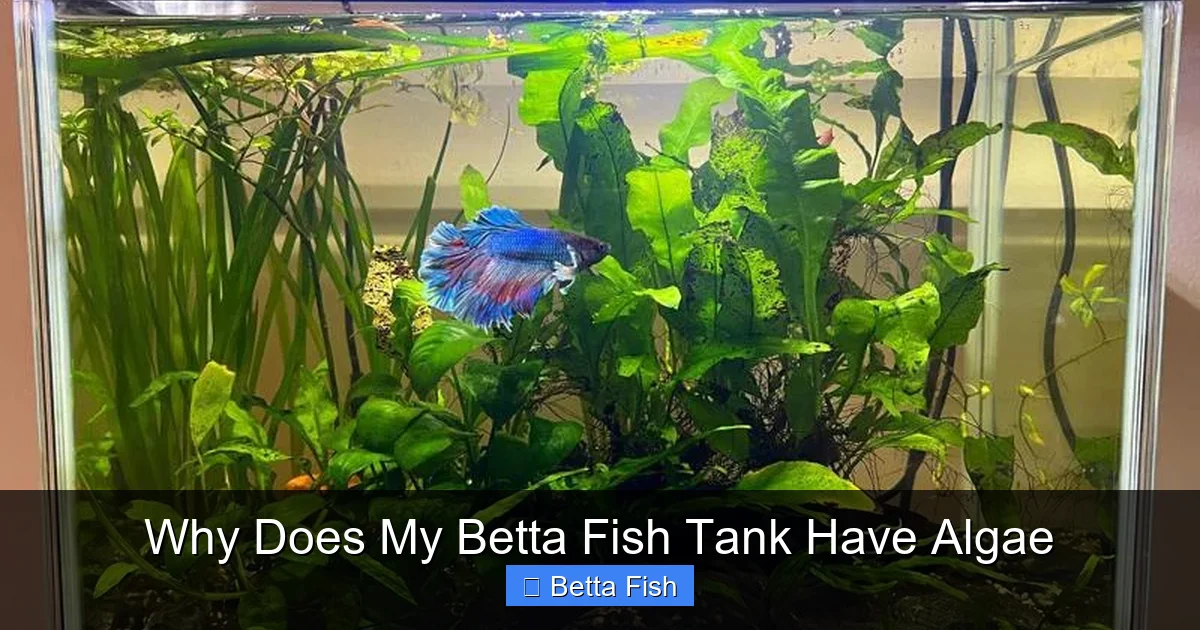
Algae shows up when light, nutrients, and water conditions line up just right – or wrong, for your betta’s home. By balancing lighting, feeding, and maintenance, you can stop the green film and give your betta a thriving environment.
Key Takeaways
- Light control matters: Too much or the wrong type of light fuels algae growth.
- Feed wisely: Over‑feeding adds excess nutrients that algae love.
- Regular water changes: Fresh water dilutes nitrates and keeps algae in check.
- Live plants are allies: They compete with algae for nutrients and light.
- Cleaning routine: Scrubbing glass, pruning plants, and vacuuming substrate prevent buildup.
- Consider algae eaters: Certain snails or shrimp can help, but choose species safe for bettas.
- Monitor water parameters: High nitrate or phosphate levels are red flags for algae spikes.
📑 Table of Contents
- Introduction: When Green Takes Over
- 1. Light – The Double‑Edged Sword
- 2. Feeding – Less Is More
- 3. Water Quality – The Hidden Driver
- 4. Live Plants – Nature’s Algae Competitors
- 5. Cleaning Routine – Keeping Algae at Bay
- 6. Natural Helpers – Algae Eaters That Get Along With Bettas
- Putting It All Together – A 30‑Day Action Plan
- Conclusion: A Clear Tank, A Happy Betta
Introduction: When Green Takes Over
It’s a scene many betta owners know all too well – you open the lid, and a thin green film or fuzzy patches are spreading across the glass, decorations, and sometimes even the water surface. Your first thought is, “Why does my betta fish tank have algae?” The answer isn’t always a single culprit; it’s usually a mix of lighting, feeding, and water quality that creates the perfect buffet for algae.
Don’t worry, though. Algae is a natural part of any aquatic ecosystem. In small amounts it even helps oxygenate the water. The goal isn’t to eradicate every single filament, but to keep it from turning your beautiful betta display into a swampy jungle. In the sections below we’ll break down the science, point out the most common mistakes, and give you a step‑by‑step plan to reclaim a clear, healthy tank.
1. Light – The Double‑Edged Sword
Why Light Triggers Algae
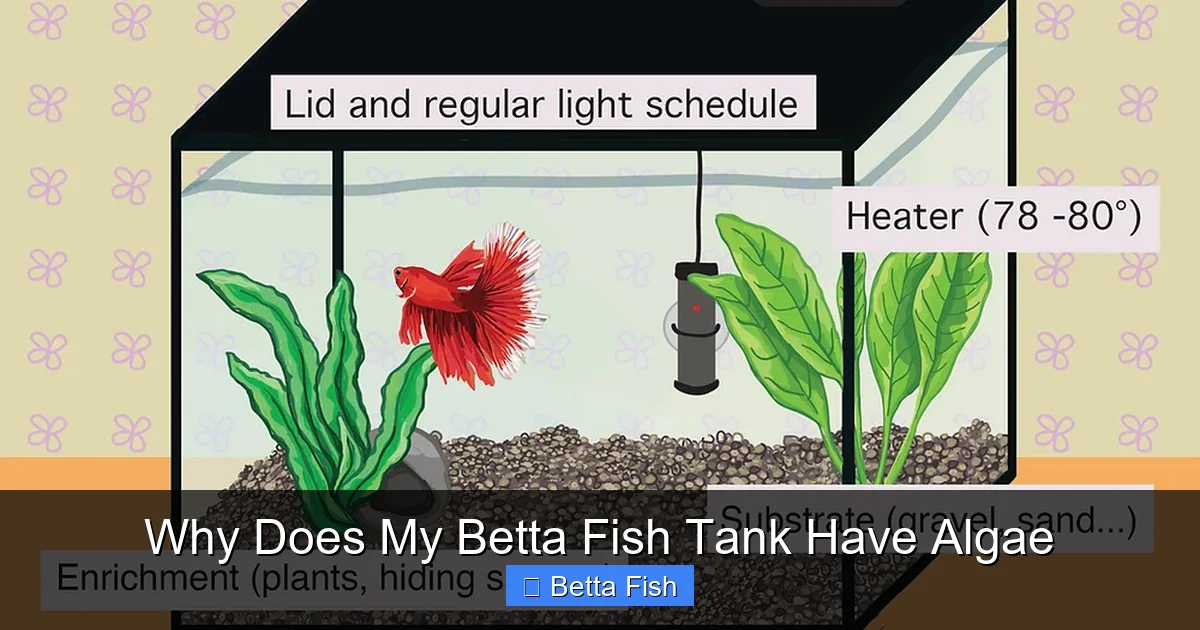
Algae are photosynthetic organisms, which means they need light to grow. When a tank receives more light than the plants (or the betta) can use, the excess energy fuels rapid algal blooms. Even a 12‑hour “daylight” cycle can be too much if the bulbs are too strong or placed too close.
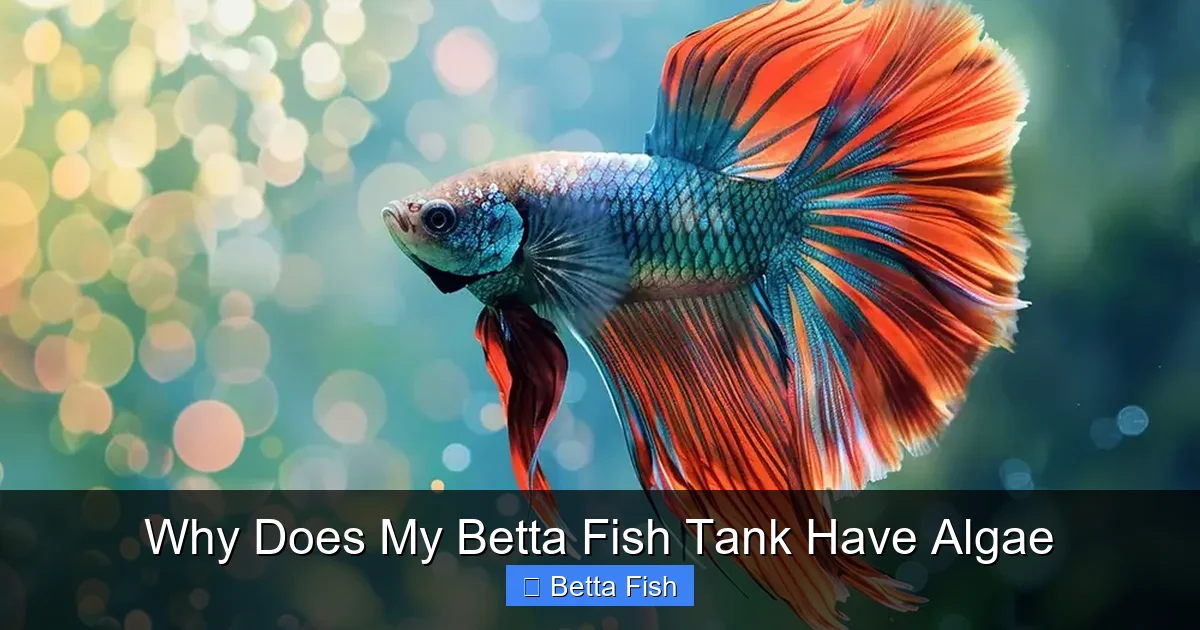
Visual guide about Why Does My Betta Fish Tank Have Algae
Image source: bettacarefishguide.com
Choosing the Right Bulb
- LED vs. Fluorescent: LEDs are energy‑efficient and often come with adjustable spectrums. Choose a “full‑spectrum” LED that mimics natural daylight but can be dimmed to 8‑10 hours per day.
- Wattage matters: A 2‑gal betta tank needs only 2‑3 watts of light. Anything beyond 5 watts is overkill and invites algae.
Practical Light Management Tips
Set a timer so the lights turn on and off at the same time each day. If you notice a green film forming after a few weeks, reduce the photoperiod by an hour or two. Also, avoid placing the tank near windows where direct sunlight can add extra hours of illumination.
2. Feeding – Less Is More
Excess Food = Nutrient Boost for Algae
Betta fish are tiny predators that eat only a few pellets a day. Over‑feeding not only wastes money but also releases uneaten food into the water, raising nitrate and phosphate levels – the primary nutrients algae thrive on.
Visual guide about Why Does My Betta Fish Tank Have Algae
Image source: static.wixstatic.com
How Much Should You Feed?
- Offer 2‑3 small pellets once or twice daily.
- Remove any leftovers after 5 minutes.
- Consider fasting one day per week to give the system a “reset.”
Feeding Tips That Reduce Algae
Use a feeding ring or a shallow dish to keep food from sinking into the substrate where it can decompose unnoticed. If you keep live or frozen foods, rinse them briefly to remove excess slime before offering them to your betta.
3. Water Quality – The Hidden Driver
Nitrates, Phosphates, and Algae
Even with perfect lighting and feeding, high nitrate (NO₃) or phosphate (PO₄) levels will still encourage algae. These compounds build up from fish waste, decaying plant matter, and uneaten food.
Testing and Target Levels
- Nitrate: Keep below 20 ppm (parts per million).
- Phosphate: Aim for under 0.5 ppm.
Test strips are inexpensive and give you a quick snapshot. Test weekly for the first month, then monthly once the tank is stable.
Water Changes – Your Best Defense
Changing 25‑30 % of the water every week dilutes nutrients and removes microscopic algae spores. Use a siphon to clean the substrate at the same time; debris settled on the gravel is a major source of hidden waste.
4. Live Plants – Nature’s Algae Competitors
Why Plants Help
Live plants absorb the same nitrates and phosphates that algae need. A well‑planted tank creates a healthy balance where algae can’t dominate. For bettas, choose plants with broad leaves that give them places to rest.
Best Betta‑Friendly Plants
- Java Fern (Microsorum pteropus) – Low light, attaches to rocks.
- Anubias – Tough, can tolerate lower CO₂.
- Marimo Moss Balls – Fun, and they actually consume some algae.
Plant Care Basics
Trim any dead or yellowing leaves weekly. This prevents decay that would otherwise add nutrients back into the water.
5. Cleaning Routine – Keeping Algae at Bay
Daily Quick Checks
Take a minute each day to glance at the glass and decorations. If you spot a speck, wipe it off with a soft algae pad before it spreads.
Weekly Deep Clean
- Scrub the front and back glass with a magnetic algae cleaner.
- Vacuum the substrate using a siphon.
- Rinse ornaments in tank water (not tap water) to avoid killing beneficial bacteria.
When to Use Algae‑Control Products
Commercial algae removers can be harsh on bettas. If you must use one, choose a product labeled safe for “soft‑water tropical fish” and follow the dosage precisely. Often, improving light, feeding, and water changes eliminates the need for chemicals.
6. Natural Helpers – Algae Eaters That Get Along With Bettas
Are Algae Eaters Safe?
Some small snails and shrimp will nibble on filamentous algae without bothering a betta. However, larger or aggressive algae eaters can stress a solitary betta.
Best Choices
- Nerite Snails: Excellent at eating green spot algae; they don’t reproduce in freshwater.
- Amano Shrimp: Small, peaceful, and love to graze on soft algae.
Before adding any companion, read our guide on Can You Have An Algae Eater With A Betta Fish to ensure compatibility.
Putting It All Together – A 30‑Day Action Plan
Day 1‑7: Diagnose and Adjust Light
Measure current lighting duration and intensity. Reduce photoperiod to 8 hours if it’s longer. Swap any high‑wattage bulbs for a 2‑watt LED.
Day 8‑14: Tame Feeding and Start Testing
Switch to 2‑3 pellets per feeding, remove leftovers, and begin weekly water tests for nitrate and phosphate.
Day 15‑21: Introduce Live Plants
Plant a Java fern and a small Anubias. Anchor them to rocks or driftwood. Watch how the water clears over the next few days.
Day 22‑28: Perform a 30 % Water Change
Use a siphon to remove debris from the substrate. Replace with conditioned water at the same temperature.
Day 29‑30: Add a Small Algae Eater (Optional)
If algae persists, add a couple of Nerite snails. Monitor the betta’s behavior; bettas are territorial but usually tolerate snails well.
Conclusion: A Clear Tank, A Happy Betta
Understanding why does my betta fish tank have algae is the first step toward a thriving, low‑maintenance aquarium. By controlling light, feeding the right amount, keeping water parameters in check, and adding a few helpful plants or snails, you’ll see the green recede and your betta’s colors shine brighter than ever. Remember, consistency is key – a little daily attention prevents big problems later. Happy fishkeeping!
Frequently Asked Questions
Why does my betta tank get green even with a filter?
Filters clean debris but don’t remove excess nutrients or control light. Algae still grows if nitrates, phosphates, or too‑much light are present.
Can I use a UV sterilizer to kill algae?
UV can reduce free‑floating algae cells, but it won’t stop new growth. It’s better to fix lighting and feeding first.
Is it normal for a betta to eat algae?
Betta fish may nibble on soft algae, but they are not primary algae eaters. Adding dedicated algae eaters is more effective.
How often should I change the water in a small betta tank?
A 25‑30 % water change once a week keeps nitrate and phosphate levels low enough to discourage algae.
My betta looks stressed when I add snails. What should I do?
Give the betta a few days to adjust, then re‑arrange decorations to create hiding spots. If stress continues, remove the snails.
Why are there bubbles in my betta fish tank and does that affect algae?
Bubbles are usually from surface agitation or a filter. They don’t directly cause algae, but excessive surface agitation can increase oxygen and help beneficial bacteria outcompete algae. For more on bubbles, see Why Are There Bubbles In My Betta Fish Tank.