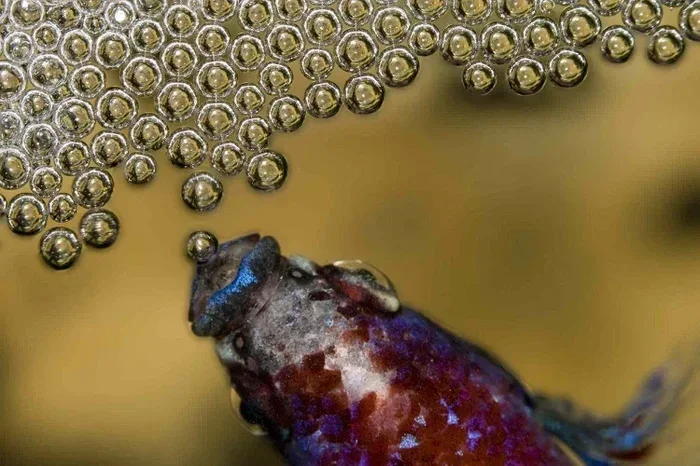
Why Does My Betta Fish Stop Moving

When a betta suddenly becomes motionless, it’s often a sign of stress, illness, or environmental problems. This guide explains the most common causes, how to spot early warning signs, and practical steps you can take to get your fish swimming again. Read on to keep your betta happy and thriving.
Key Takeaways
- Water quality matters: Poor parameters are the top reason bettas stop moving.
- Health issues show up first as lethargy: Look for clamped fins, bloating, or color loss.
- Stress triggers immobility: Over‑crowding, aggressive tank mates, and sudden changes are culprits.
- Temperature is critical: Betta metabolism slows dramatically outside 76‑82°F (24‑28°C).
- Nutrition counts: Inadequate or spoiled food can make a betta lazy.
- Quick checks save lives: Test water, observe behavior, and adjust the environment within hours.
- When to call a vet: Persistent immobility, rapid decline, or visible disease signs require professional help.
📑 Table of Contents
Introduction
Betta fish are famous for their bright colors and dramatic flares, so when yours suddenly stops moving, it feels like a personal alarm bell. You might wonder, “why does my betta fish stop moving?” The answer is rarely simple—often a mix of water issues, health problems, and everyday stressors. This article walks you through the most common reasons, how to diagnose the problem, and step‑by‑step solutions that any beginner can follow.
Think of your betta like a tiny, fin‑tastic superhero. When his environment is perfect, he darts, flares, and builds bubble nests. When something’s off, he goes into “stealth mode,” hiding at the bottom or floating motionless. By learning the warning signs, you’ll become the sidekick who saves the day.
1. Water Quality – The Silent Saboteur
Water is the lifeblood of every fish. Even a small shift in pH, ammonia, or temperature can make a betta stop moving. Below are the most common water‑related triggers.
1.1 Ammonia and Nitrite Poisoning
New tanks that haven’t cycled or over‑feeding that creates excess waste can raise ammonia and nitrite levels. Betta gills are delicate; high ammonia causes them to clamp their gill covers and become lethargic. Test your water with a liquid test kit at least once a week.
1.2 Incorrect pH and Hardness
Betta fish thrive in slightly acidic to neutral water (pH 6.5‑7.5). A sudden swing to alkaline water can stress them, leading to reduced activity. Use a pH‑adjusting product sparingly and re‑test after each adjustment.
1.3 Temperature Trouble
Betta metabolism is temperature‑dependent. Below 76°F (24°C) they become sluggish; above 82°F (28°C) they can become hyper‑active then crash. A reliable heater with a thermostat is essential. If you notice your betta “floating side‑ways,” it could be a temperature issue—see Why Is My Betta Fish Floating Sideways for details.
1.4 Filtration and Flow
Strong currents are stressful for bettas, who are native to still waters. A filter that creates a powerful stream can cause a betta to hide and stop moving. Choose a low‑flow filter or use a sponge pre‑filter to soften the current.
Quick Water Check Checklist
- Test ammonia, nitrite, nitrate, and pH.
- Confirm temperature is 76‑82°F.
- Inspect for cloudiness or foul odor.
- Perform a 25% water change if any parameter is out of range.
2. Health Problems That Show Up as Lethargy
When water is fine, look at the fish itself. Illness often begins with a lack of movement.
2.1 Ich (White Spot Disease)
Small white dots on the body and frayed fins are classic signs. A betta with ich may stop swimming to conserve energy. Treat with a mild copper‑based medication and raise the temperature to 84°F (29°C) for a few days.
2.2 Fin Rot and Bacterial Infections
Fin edges become ragged, turning white or black. The fish may hover near the bottom. Keep the tank clean, remove any uneaten food, and treat with antibacterial medication.
2.3 Swim Bladder Disorder
Swim bladder issues cause a betta to float upside‑down or sink and stay still. Over‑feeding, especially with dry pellets, is a common cause. Fast for 24‑48 hours, then offer a peeled pea to help clear the blockage.
2.4 Internal Parasites
Parasites can cause bloating, loss of appetite, and lethargy. Look for a swollen abdomen—see Why Does My Betta Fish Look Bloated for more clues. A vet‑prescribed antiparasitic treatment is often needed.
2.5 Fungal Infections
White cotton‑like growth on the body or fins indicates fungus. It usually follows an injury. Remove the affected tissue gently and treat with antifungal medication.
3. Environmental Stressors Beyond Water
Even perfect water can’t rescue a betta that’s stressed by its surroundings.
3.1 Tank Size and Layout
Betas need at least 2.5 gallons, but 5 gallons is ideal. A cramped tank limits swimming space, leading to boredom and stillness. Add plants or decorations to create hiding spots, but avoid overcrowding.
3.2 Aggressive Tank Mates
Betas are territorial. If you keep other fish, especially fin‑nipping species, your betta may hide and stop moving. The safest setup is a species‑only tank.
3.3 Light Cycle
Betas need a regular day/night rhythm. Constant bright light can stress them, while too much darkness can make them hide. Aim for 10‑12 hours of light daily using a timer.
3.4 Noise and Vibration
Placement near loud appliances or heavy foot traffic can cause stress. Keep the tank on a stable surface away from speakers and TVs.
4. Nutrition and Feeding Mistakes
What you feed your betta influences its energy level. A poor diet often leads to the question, “why does my betta fish stop moving?”
4.1 Over‑Feeding
Betta stomachs are the size of an eye. Feeding more than two pellets a day can cause constipation and swim bladder problems, resulting in a lazy fish.
4.2 Low‑Quality Food
Cheap flakes may lack essential proteins and vitamins. Opt for high‑quality betta pellets, frozen or live foods like brine shrimp, and occasional bloodworms.
4.3 Spoiled Food
Food that sits in the tank for too long rots, releasing toxins. Remove uneaten food within two minutes after feeding.
4.4 Feeding Schedule
Consistency helps. Feed twice daily, once in the morning and once in the evening, with a small amount each time.
5. When to Seek Professional Help
Most cases resolve with a water change and proper care, but sometimes the problem is beyond DIY fixes.
5.1 Rapid Decline
If your betta goes from active to motionless within hours, and you notice signs like gill discoloration, frayed fins, or a bloated belly, contact a veterinarian who specializes in fish.
5.2 Persistent Symptoms
When lethargy lasts more than three days despite water changes and medication, professional advice is needed.
5.3 Quarantine New Arrivals
Always quarantine new bettas for two weeks before adding them to an established tank. This prevents the introduction of disease that could cause immobility.
6. Practical Steps to Revive a Motionless Betta
Use this quick action plan the next time you wonder, “why does my betta fish stop moving?”
Step 1 – Test the Water
Grab a test kit. Check ammonia, nitrite, nitrate, and pH. If any reading is off, perform a 25‑30% water change with conditioned water.
Step 2 – Adjust Temperature
Set the heater to 78°F (25.5°C). Use a reliable thermometer. If the fish is too cold, gently raise the temperature by 2°F increments over several hours.
Step 3 – Observe for Illness
Look for white spots, torn fins, bloating, or abnormal swimming. Cross‑reference with our other guides, such as Why Did My Betta Fish Stop Eating or Why Does My Betta Fish Make Bubbles, to pinpoint symptoms.
Step 4 – Fast and Treat
If you suspect swim bladder or constipation, stop feeding for 24 hours. Offer a peeled pea after the fast. If you see signs of infection, start a suitable medication according to the label.
Step 5 – Reduce Stress
Dim the lights, add live plants or silk decorations, and ensure the tank is in a quiet area. Remove any aggressive tank mates.
Step 6 – Monitor and Record
Write down water parameters, temperature, and any changes in behavior each day. This log helps you spot patterns and provides useful info if you need to see a vet.
Conclusion
Finding out why your betta fish stops moving can feel overwhelming, but most cases boil down to three pillars: water quality, health, and environment. By testing water regularly, watching for early signs of disease, and providing a stress‑free home, you give your betta the best chance to bounce back to its vibrant, flaring self. Remember, a quick response often makes the difference between a temporary lull and a permanent loss. Keep a close eye, act fast, and enjoy watching your betta glide confidently through the water once again.
Frequently Asked Questions
Why is my betta fish suddenly not moving?
Sudden immobility is usually caused by poor water quality, a health issue like ich or swim bladder disorder, or environmental stress such as temperature fluctuations.
Can a betta fish survive in cold water?
Betta fish can tolerate slightly cooler water, but temperatures below 76°F (24°C) slow their metabolism and often cause them to become lethargic or stop moving.
What should I do if my betta has a bloated belly and isn’t swimming?
Check water parameters, fast the fish for 24‑48 hours, then offer a peeled pea to relieve constipation. If the bloating persists, treat for internal parasites.
How often should I change the water to keep my betta active?
A 25‑30% water change weekly is ideal. If you notice any spikes in ammonia or nitrite, change the water immediately.
Is it normal for a betta to hide sometimes?
Yes, occasional hiding is normal, especially at night or after a tank cleaning. However, prolonged stillness, especially during the day, signals a problem.
When is it time to take my betta to a vet?
If your betta remains motionless for more than three days despite water changes and basic treatment, or if you see rapid deterioration like gill discoloration or severe fin rot, seek professional help.