Why Does My Betta Fish Just Sit There

Betta fish that just sit still are often sending a signal—not necessarily a problem. Understanding water quality, health, and environment helps you turn that idle pose into lively swimming.
Key Takeaways
- Water quality matters: Poor parameters can make a betta lethargic.
- Health check is essential: Illnesses like swim bladder disorder cause inactivity.
- Tank setup influences behavior: Too small or overly crowded spaces discourage movement.
- Stress triggers hiding: Loud noises, bright lights, and aggressive tank mates can make a betta sit.
- Enrichment encourages activity: Plants, caves, and gentle currents give your betta reasons to explore.
- Regular observation: Spotting subtle changes early prevents bigger problems.
- Simple fixes work: Adjusting temperature, feeding schedule, or adding a bubble nest can revive a sedentary betta.
📑 Table of Contents
Introduction
So you’ve noticed your betta just hanging out at the bottom of the tank, almost as if it’s meditating. It can feel worrisome, especially when you’ve read stories of bettas darting around like tiny fireworks. But “why does my betta fish just sit there” is a question with many possible answers—some harmless, others that need quick action.
In this friendly guide we’ll walk through the most common reasons a betta might be still, show you how to spot the red flags, and give you practical, low‑cost steps to get your finned friend back to its vibrant self.
1. Water Quality – The Silent Influencer
Temperature
Betta fish are tropical; they love water that stays between 76°F and 82°F (24°C‑28°C). If the water gets too cold, the fish will slow down to conserve energy. Use a reliable aquarium heater and a thermometer to keep the temperature steady.
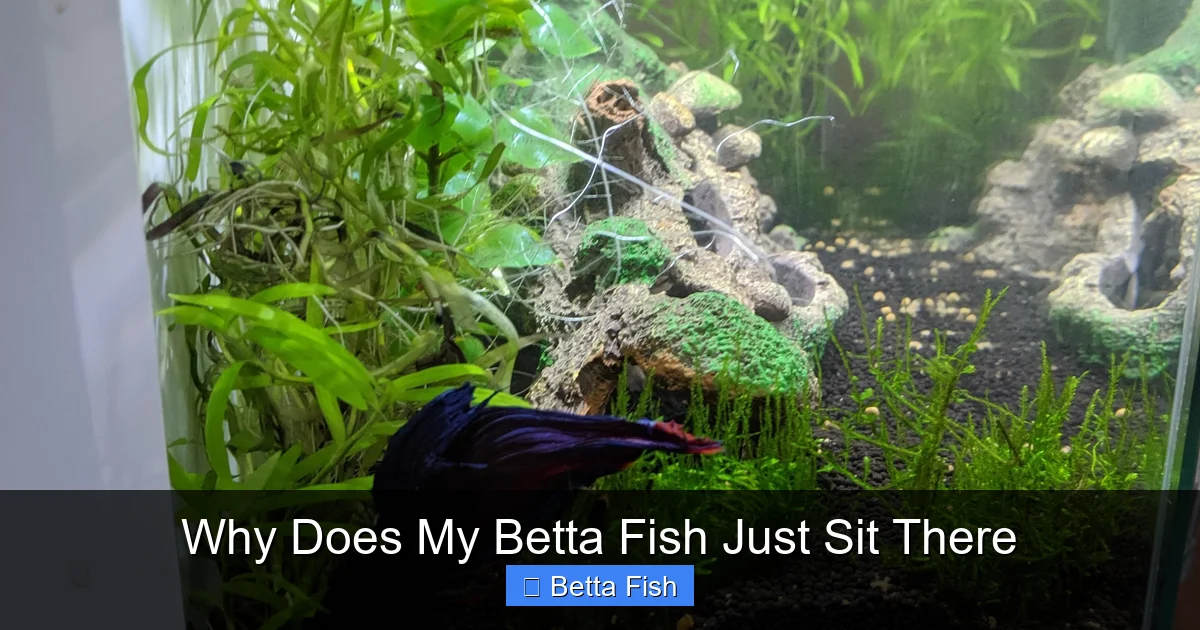
Visual guide about Why Does My Betta Fish Just Sit There
Image source: i.redd.it
Ammonia, Nitrite, and Nitrate
Even a tiny spike in ammonia or nitrite can make a betta feel sick and stop moving. Test the water weekly with a liquid test kit. If levels are above 0 ppm for ammonia and nitrite, perform a partial water change (25‑30%) and check your filter.
pH and Hardness
Betta’s ideal pH sits around 6.5‑7.5. Sudden shifts can stress the fish. Use a pH buffer if needed, and remember that tap water may need conditioning to remove chlorine and chloramines.
Link to related topic
For a deeper dive into water‑related oddities, read why are my betta fish dying.
2. Health Issues That Cause Lethargy
Swim Bladder Disorder
This condition affects buoyancy, making the fish float upside‑down or stay glued to the bottom. Over‑feeding, especially with dry pellets, is a common cause. Offer smaller, high‑quality foods and consider a fasting day.
Internal Parasites
Parasites can sap energy, leading to a “just sit there” attitude. Look for a thin, pale body, clamped fins, or loss of appetite. A vet‑prescribed antiparasitic treatment may be required.
Fungal or Bacterial Infections
White spots, reddened fins, or a bloated belly are warning signs. If you notice these, isolate the betta and treat with appropriate medication.
Link to related topic
Learn more about a specific symptom at why does my betta fish look bloated.
3. Tank Environment and Enrichment
Size Matters
While bettas can live in 2‑gallon tanks, a 5‑gallon minimum gives them space to swim and reduces stress. A cramped tank may cause your betta to hide and sit.
Plants and Hiding Spots
Live or silk plants, caves, and driftwood provide places to explore. When a betta has a “home base,” it’s more likely to move around.
Water Flow
A gentle current from a sponge filter mimics their natural habitat and encourages swimming. Avoid strong currents that can tire them out.
Lighting
Bright, flickering lights can be stressful. Use a dimmer or a timer to give your betta a day/night cycle.
4. Stress Triggers Outside the Water
Loud Noises and Vibrations
Betta fish have a keen sense of vibration. Placing the tank near speakers, televisions, or heavy foot traffic can make them retreat to the bottom.
Tank Mates
Even though bettas are often solitary, some gentle species can coexist. However, fin‑nipping fish or overly active tank mates can cause a betta to hide.
Link to related topic
Curious about compatible companions? Check out what fish can i put with my betta.
5. Feeding Habits and Nutrition
Overfeeding
Too much food leads to constipation and swim bladder issues. Feed 2‑3 small pellets once or twice daily, and remove uneaten food after five minutes.
Underfeeding
Not enough nutrition can cause weakness. Offer a varied diet: high‑quality betta pellets, occasional frozen or live foods like brine shrimp.
Feeding Schedule
Consistency helps. A regular feeding routine reduces stress and encourages natural activity.
6. When to Take Action
Observe and Record
Keep a simple log of water parameters, feeding times, and behavior changes. Patterns often reveal the root cause.
Perform a Water Change
If any parameter is off, a 25‑30% water change can quickly improve conditions.
Consult a Vet or Experienced Hobbyist
If health issues persist after adjusting water and diet, seek professional advice. Early intervention saves lives.
Conclusion
Seeing your betta just sit there can be unsettling, but it’s usually a sign that something in its environment or health needs attention. By checking water quality, ensuring proper nutrition, providing enrichment, and reducing stress, you can turn that still pose into lively swimming. Remember, a happy betta is a healthy betta—regular observation and small, consistent tweaks make all the difference.
Frequently Asked Questions
Why is my betta fish staying at the bottom of the tank?
Often it’s a sign of poor water quality, low temperature, or a health issue like swim bladder disorder. Check parameters and observe for other symptoms.
Can lighting affect my betta’s activity level?
Yes. Bright, constant light can stress a betta. Provide a natural day/night cycle with a timer or dimmer.
How often should I change the water for a betta?
A 25‑30% water change every week keeps ammonia low and maintains stable conditions.
Is it normal for a betta to hide sometimes?
Betas do hide, especially after a new tank setup or when stressed. If hiding is frequent and accompanied by lethargy, investigate further.
What foods help improve my betta’s energy?
High‑quality betta pellets combined with occasional frozen or live foods like brine shrimp provide balanced nutrition.
When should I seek veterinary help for my betta?
If you notice loss of appetite, bloating, white spots, or persistent floating issues despite water changes, consult a fish‑savvy vet.