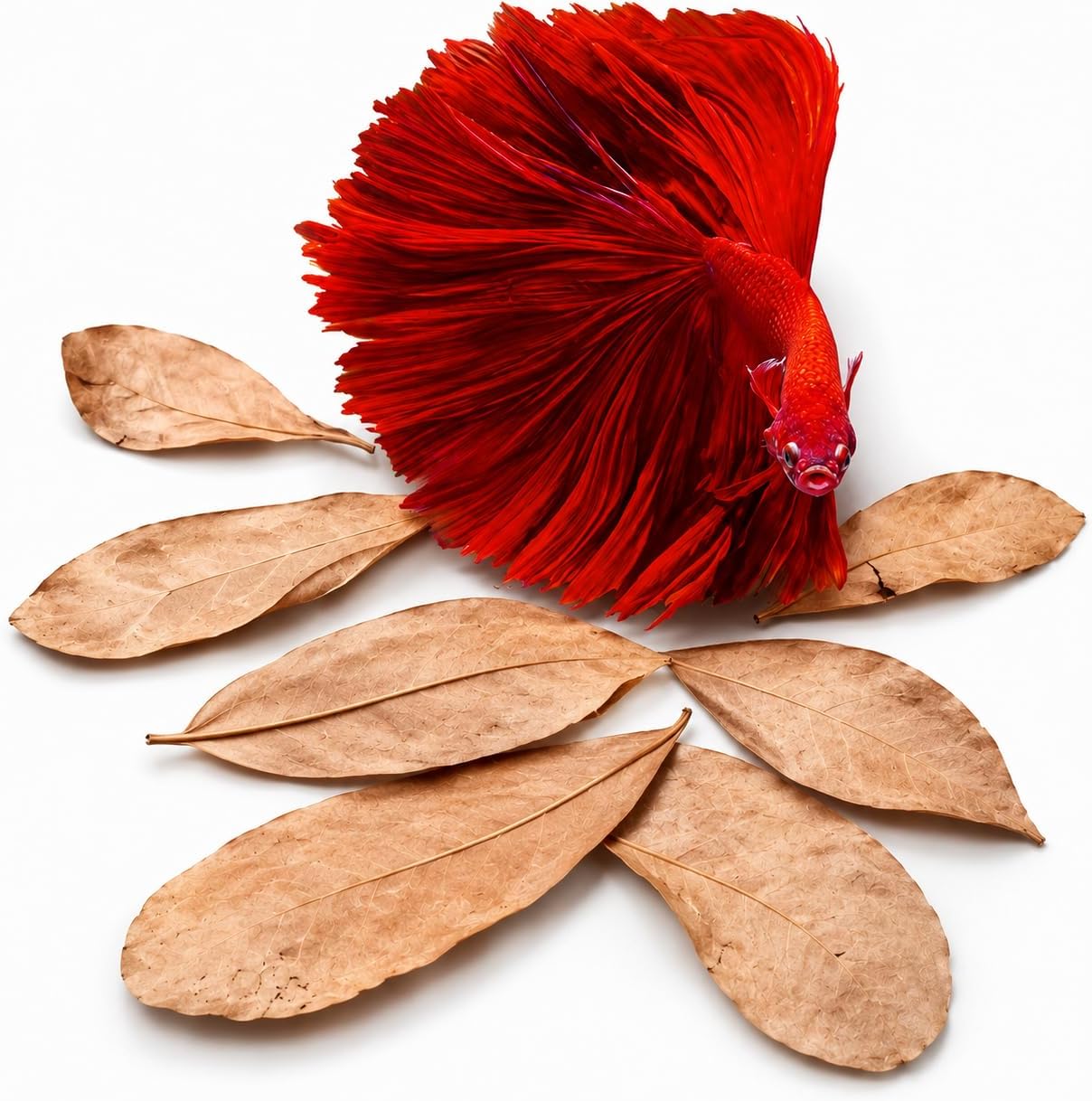
Betta fish can share a home—but only with the right companions. This guide reveals which fish, invertebrates, plants, and accessories can coexist with betta fish, how to set up a harmonious tank, and tips for preventing stress and aggression. Follow our practical advice to create a vibrant, balanced aquarium.
Key Takeaways
- Tank size matters: A minimum of 10‑20 gallons gives bettas space to establish territories.
- Choose peaceful, similarly sized species: Small tetras, rasboras, and dwarf shrimp are generally safe.
- Avoid fin‑nippers and long‑finned rivals: Guppies and other bettas can trigger aggression.
- Live plants and hiding spots reduce stress: They break lines of sight and provide refuge.
- Monitor water parameters together: Betta‑compatible mates need similar temperature and pH.
- Introduce new tank mates slowly: Use a quarantine or a divider to observe behavior.
- Regular maintenance is key: Clean water and balanced feeding keep all inhabitants healthy.
📑 Table of Contents
- Introduction: The Social Side of Betta Fish
- 1. Choosing the Right Tank Size and Layout
- 2. Fish Species That Can Coexist with Betta Fish
- 3. Invertebrates: Shrimp, Snails, and Tiny Crustaceans
- 4. Plants and Décor That Promote Harmony
- 5. Setting Up and Maintaining a Cohabitation Tank
- 6. FAQs About Betta Co‑habitation
Introduction: The Social Side of Betta Fish
Betta fish, often called Siamese fighting fish, are famous for their dazzling colors and dramatic flares. Many hobbyists think they must live alone, but that isn’t the whole story. In reality, bettas can thrive with the right companions. The key is understanding their temperament, water needs, and the environment you create.
In this article we answer the question “what can coexist with betta fish?” by exploring compatible fish, invertebrates, plants, décor, and practical set‑up tips. By the end you’ll feel confident building a peaceful community tank that showcases your betta’s beauty while keeping everyone safe.
1. Choosing the Right Tank Size and Layout
Why Bigger Is Better
A common myth is that a tiny 2‑gallon bowl is enough for a betta. While a single male can survive there, any additional tank mates will quickly feel cramped, leading to stress and aggression. Aim for at least 10 gallons for a community tank; 20 gallons provides even more breathing room.

Visual guide about What Can Coexist with Betta Fish
Image source: d20ohkaloyme4g.cloudfront.net
Creating Zones with Plants and Hiding Places
Betta fish love to explore vertical space. Adding tall plants like Java fern or Amazon sword creates natural barriers. These break the line of sight, which helps reduce territorial fights. Rocks, driftwood, and silicone‑sealed caves also give shy companions places to retreat.
Filtration and Flow Considerations
Betas prefer gentle water movement. Choose a low‑flow sponge filter or adjust the output of a hang‑on‑back filter with a spray bar. Good filtration keeps ammonia low, protecting both the betta and its tank mates.
2. Fish Species That Can Coexist with Betta Fish
Small, Peaceful Tetras
Neon tetras, ember tetras, and celestial pearl danios are popular choices. They stay near the top, where bettas usually swim, but they are fast enough to avoid confrontation. Keep them in a school of six or more to reduce stress.
Rasboras and Harlequin Rasboras
These schooling fish occupy the middle of the tank and are known for their calm demeanor. Their slightly larger size compared to tiny tetras makes them less likely to be bullied.
Dwarf Corydoras
Bottom‑dwelling catfish like the peppered cory add activity without competing for surface space. They are hardy, peaceful, and help clean leftover food.
Snails and Shrimp
Apple snails, nerite snails, and cherry shrimp are excellent cleanup crew members. They rarely trigger a betta’s aggression and can even become part of the visual interest. For more on snails, see what snails can live with betta fish.
What to Avoid
- Other male bettas – they will fight.
- Long‑finned, brightly colored fish like guppies – they may be mistaken for rivals.
- Fin‑nipping species such as tiger barbs.
Internal Link Example
If you’re wondering about specific fish options, check out our detailed guide on what other fish can live with betta fish for a comprehensive list.
3. Invertebrates: Shrimp, Snails, and Tiny Crustaceans
Cherry Shrimp
These colorful shrimp are small enough to stay out of a betta’s line of sight, especially if plenty of foliage is present. They help clean algae and uneaten food.

Visual guide about What Can Coexist with Betta Fish
Image source: images.template.net
Ghost Shrimp
Transparent and fast, ghost shrimp are less likely to be targeted. They also serve as a live food source if you need to supplement a picky betta’s diet.
Snail Options
Nerite snails are prized for their algae‑eating abilities and non‑breeding nature in freshwater. Apple snails add a decorative touch but need larger tanks due to their size.
Compatibility Tips
Introduce invertebrates after the betta has settled in the tank. Provide plenty of plant cover and monitor the first few days closely. Most bettas ignore small, slow‑moving critters, but some may try to chase them.
4. Plants and Décor That Promote Harmony
Live Plants for Natural Barriers
Java moss, Anubias, and Cryptocoryne create dense foliage that breaks up sight lines. Plant them in groups to form “walls” that both betta and tank mates can use for hiding.
Artificial Plants and Decorations
If live plants aren’t feasible, high‑quality silk plants work well. Avoid plastic leaves with sharp edges that could tear fins.
Substrate Choices
Fine sand or smooth gravel prevents injuries to delicate shrimp and fry. A dark substrate also highlights the betta’s colors.
Lighting and Temperature
Betta fish prefer temperatures between 76‑82°F (24‑28°C). Use a reliable heater and a gentle LED light set on a 10‑hour cycle to mimic natural conditions.
5. Setting Up and Maintaining a Cohabitation Tank
Step‑by‑Step Setup
- Cycle the tank: Establish beneficial bacteria for at least four weeks before adding any fish.
- Arrange plants and décor: Create distinct zones and hiding spots.
- Introduce the betta first: Let it establish a territory for 3‑5 days.
- Add tank mates gradually: Use a net or a divider to introduce one species at a time.
- Monitor behavior: Look for signs of stress such as faded colors, clamped fins, or excessive hiding.
Feeding Strategies
Feed high‑quality betta pellets once daily, supplemented with frozen or live foods like daphnia. Feed shrimp and other fish with micro‑pellets or algae wafers. Remove uneaten food after a few minutes to keep water quality high.
Water Maintenance
Perform 25‑30% water changes weekly. Test for ammonia, nitrite, and nitrate; keep ammonia and nitrite at 0 ppm, nitrate below 20 ppm. Use a water conditioner to remove chlorine and chloramines.
When Problems Arise
If aggression appears, consider re‑housing the betta or the aggressor in a separate tank. Adding more plants or rearranging décor can also diffuse tension.
6. FAQs About Betta Co‑habitation
Can a male betta live with other fish?
Yes, but only with peaceful, non‑aggressive species that are not fin‑nippers. Small tetras, rasboras, and dwarf shrimp are good options.
Is it safe to keep a betta with a goldfish?
No. Goldfish produce a lot of waste and require cooler temperatures, which can stress a betta and degrade water quality.
Can bettas share a tank with other bettas?
Generally not. Male bettas will fight, and even females can become territorial. The safest bet is one betta per tank unless you use a divided aquarium.
Do bettas get along with snails?
Most bettas ignore snails, especially larger ones like nerites. Provide plenty of plant cover to keep snails out of the betta’s direct view.
What temperature should a community tank with a betta have?
Maintain 78°F (25.5°C) as a midpoint that suits both bettas and most tropical tank mates.
How often should I clean the tank?
Weekly 25‑30% water changes and monthly substrate vacuuming keep the environment healthy for all inhabitants.
Frequently Asked Questions
Can a betta fish live with guppies?
Usually not. Guppies have long, flowing fins that a betta may see as a rival, leading to aggression.
Are there any fish that are guaranteed to be safe with a betta?
No fish is 100% guaranteed, but small, fast‑moving schooling fish like neon tetras have the highest success rate.
What signs show my betta is stressed?
Faded colors, clamped fins, rapid breathing, or constant hiding indicate stress and should prompt a tank review.
Can I keep a betta with a dwarf gourami?
Dwarf gouramis are generally peaceful, but they share similar colors and may trigger territorial behavior in some bettas.
Do bettas need a lid if they share a tank?
Yes. Even with other fish, bettas can jump. A secure lid protects all inhabitants.
How many fish can I keep with one betta?
In a 20‑gallon tank, a small school of 6‑8 tetras plus a few bottom dwellers works well. Always monitor for aggression.