Why Do Betta Fish Make Bubbles on Top of Water
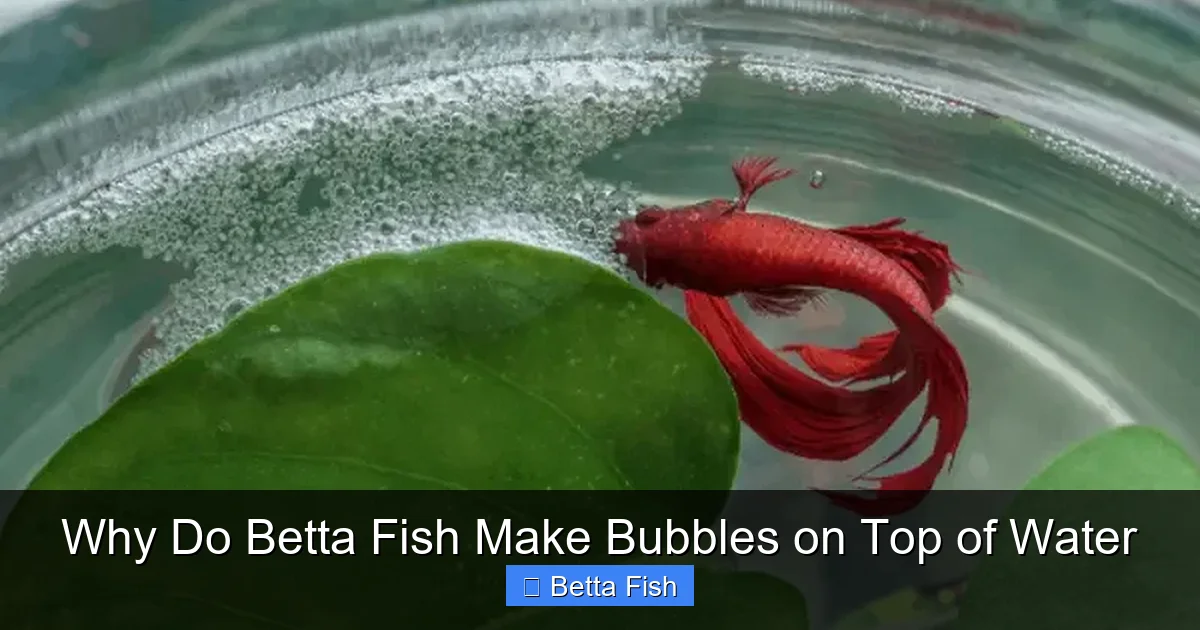
Betta fish often create bubbles that rise to the surface, a natural behavior tied to breathing, territory, and breeding. Understanding why they do this helps you spot a healthy betta, set up the right tank, and prevent stress‑related issues.
Key Takeaways
- Bubble blowing is normal: Most bettas blow bubbles to reach the water surface for oxygen.
- Bubble nests signal breeding mode: A cluster of bubbles means your betta may be ready to mate.
- Stress can change bubble patterns: Poor water quality or cramped space may cause excessive blowing.
- Tank setup matters: Proper water temperature, pH, and a calm surface encourage healthy bubbling.
- Watch for warning signs: Lack of bubbles or frantic surface swimming can indicate illness.
- Regular maintenance helps: Frequent water changes and cleaning keep the surface calm for bubble formation.
- Know the difference: Bubbles from breathing differ from the foam‑like nest a male builds for eggs.
📑 Table of Contents
- Introduction: The Curious Case of Surface Bubbles
- 1. The Basics: Breathing and Surface Air
- 2. Bubble Nests: The Breeding Signal
- 3. Stress and Environmental Factors
- 4. The Role of Tank Setup
- 5. Observing Your Betta: What Normal Looks Like
- 6. Fun Facts and Myths Debunked
- Conclusion: Embrace the Bubbles
Introduction: The Curious Case of Surface Bubbles
If you’ve ever watched a betta fish glide to the top of its tank and start blowing a trail of bubbles, you’ve probably wondered, why do betta fish make bubbles on top of water? The answer isn’t a mystery at all – it’s a blend of biology, environment, and instinct. In this friendly guide we’ll unpack the reasons behind this fascinating behavior, show you how to tell a healthy bubble‑blowing session from a red‑flag one, and give you practical tips to keep your betta happy.
We’ll keep the science light, the tone conversational, and the sentences short – just like a chat over coffee with a fellow fish lover. By the end, you’ll be able to point at the surface of the tank and say with confidence, “That’s exactly what a betta should be doing!”
1. The Basics: Breathing and Surface Air
How Betta Gills Work
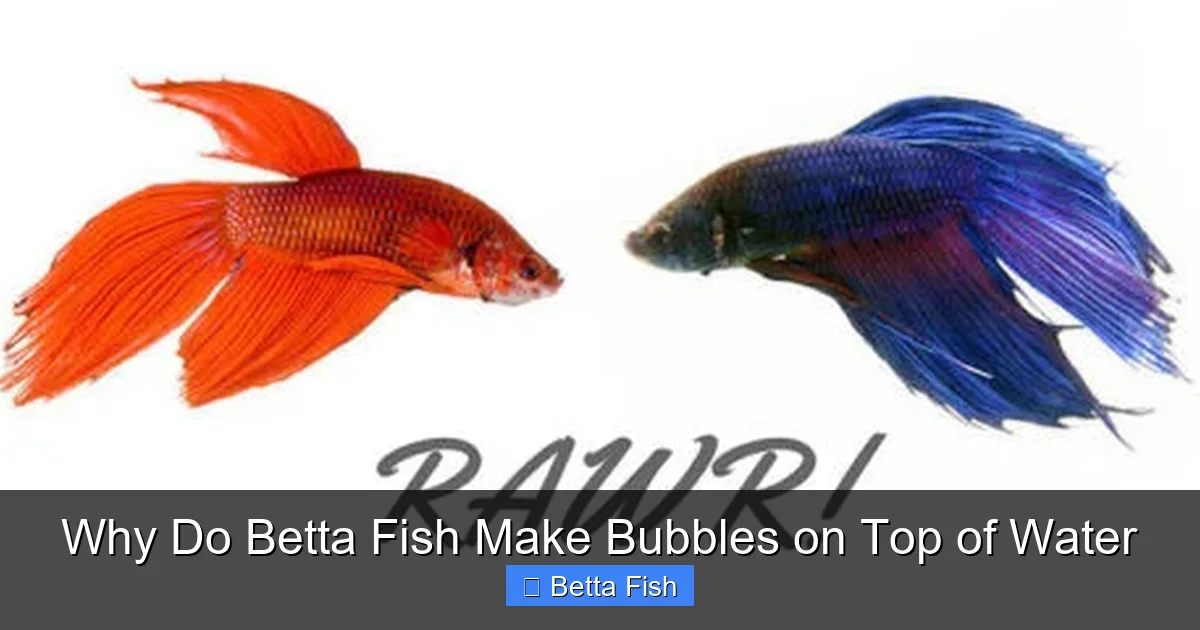
Betta fish are labyrinth fish. Besides gills, they have a special organ called the labyrinth that lets them gulp air from the surface. This adaptation lets them survive in low‑oxygen waters in their native Southeast Asian habitats.
Visual guide about Why Do Betta Fish Make Bubbles on Top of Water
Image source: bettafish.org
Why They Blow Bubbles
When a betta takes a gulp of air, it often releases excess air through its mouth as a series of small bubbles. These bubbles rise to the top and pop – a perfectly normal part of their breathing cycle. The more active the fish, the more frequent the bubbles.
Practical Tip
- Provide a calm water surface. Strong currents or heavy filtration can make it hard for your betta to reach the air.
- Maintain water temperature between 76‑82°F (24‑28°C) to keep metabolism steady.
2. Bubble Nests: The Breeding Signal
What Is a Bubble Nest?
Male bettas build a floating “bubble nest” when they are ready to breed. The nest looks like a frothy pillow made of tightly packed bubbles, often anchored to plants or the tank lid.
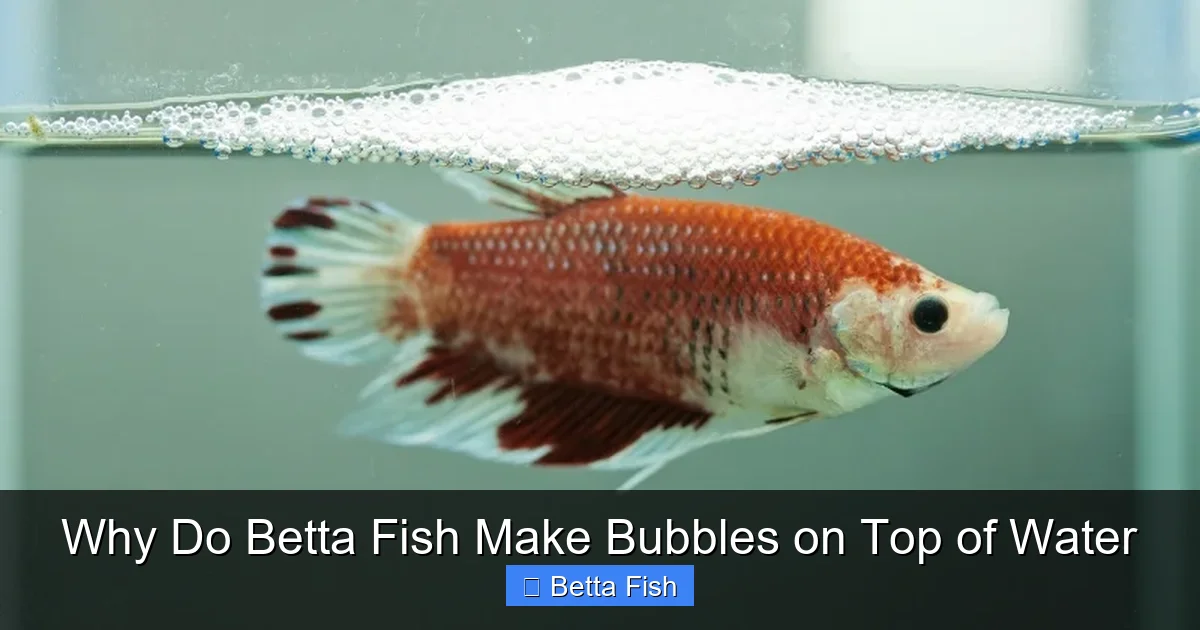
Visual guide about Why Do Betta Fish Make Bubbles on Top of Water
Image source: infishtank.com
When Do They Appear?
Typically during the breeding season (spring‑summer) or when a male senses a female nearby. The nest can be a clue that your betta is in a reproductive mood.
How to Encourage a Healthy Nest
- Use a shallow tank (5‑6 gallons) with a lid that allows bubbles to collect.
- Provide floating plants or a piece of cattail for the male to attach the nest.
- Keep water slightly acidic (pH 6.5‑7.0) and warm.
For a deeper dive into nest building, read our guide on why do betta fish make bubble nests.
3. Stress and Environmental Factors
When Bubbles Mean Trouble
Excessive bubble blowing, especially frantic or panicked, can signal poor water quality, low temperature, or a cramped tank. If the bubbles are accompanied by rapid gulping, flashing colors, or clamped fins, investigate immediately.
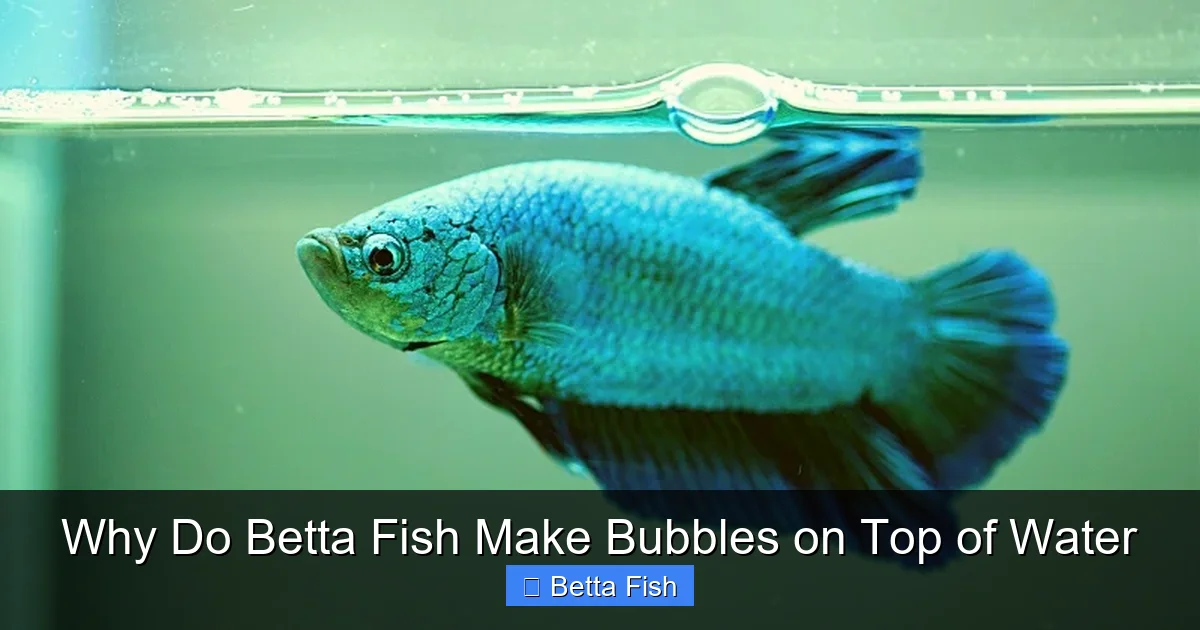
Visual guide about Why Do Betta Fish Make Bubbles on Top of Water
Image source: infishtank.com
Common Stress Triggers
- Over‑crowding or too small a tank (less than 2.5 gallons).
- Sharp temperature swings or water that’s too cold.
- Strong water flow from filters or powerheads.
- Dirty water with high ammonia or nitrite levels.
Quick Fix Checklist
- Test water parameters (ammonia, nitrite, nitrate, pH).
- Perform a partial water change of 25‑30%.
- Adjust heater to maintain stable temperature.
- Reduce surface agitation – consider a sponge filter.
4. The Role of Tank Setup
Choosing the Right Water
Betta fish thrive in soft, slightly acidic water. Use conditioned tap water or a mix of reverse‑osmosis water with a small amount of mineral buffer. For details on water types, see what type of water do betta fish need.
Lighting and Cover
Soft lighting reduces stress and encourages natural bubble‑nest building. A lid or top cover prevents the fish from jumping out while still allowing air access.
Plants and Decorations
Live or silk plants give the male a place to anchor his nest. Avoid sharp ornaments that could tear the delicate fins.
5. Observing Your Betta: What Normal Looks Like
Typical Bubble Patterns
A healthy adult male will blow a few bubbles every few minutes while resting near the surface. Females may bubble less often, as they do not build nests.
Red Flags to Watch For
- Continuous rapid bubbling with gasping – possible oxygen deficiency.
- Bubble clusters that look like froth covering the entire surface – may indicate over‑feeding or algae bloom.
- Absence of bubbles in a normally active fish – could be a sign of respiratory disease.
When to Seek Veterinary Help
If your betta shows loss of appetite, white spots, or faded colors along with abnormal bubbling, consult a fish‑savvy vet.
6. Fun Facts and Myths Debunked
Myth: Bubbles Mean the Betta Is “Talking”
Some owners think the bubbles are a form of communication. In reality, they’re simply a by‑product of breathing or nest building.
Fact: Betta Bubbles Can Help Clean the Surface
When bubbles rise, they can gently stir the surface, reducing film buildup and improving gas exchange.
Myth: Only Males Make Bubbles
Both sexes can bubble, but only males create the structured nest. Females may release occasional bubbles while feeding.
Conclusion: Embrace the Bubbles
Understanding why betta fish make bubbles on top of water turns a simple observation into a window on their health and mood. Whether the bubbles are tiny breaths, a budding nest, or a stress signal, each bubble tells a story. By keeping water clean, temperature steady, and the tank environment calm, you give your betta the perfect stage to perform its natural bubble routine.
So the next time you see that delicate trail of bubbles, smile, watch, and know you’re providing a home where a betta can thrive. Happy bubbling!
Frequently Asked Questions
Why do betta fish make bubbles at the surface?
Betta fish have a labyrinth organ that lets them gulp air. The excess air is released as small bubbles, which rise to the top of the water.
Is bubble blowing a sign of a healthy betta?
Yes, occasional surface bubbles are normal. Frequent, frantic bubbling can indicate stress or poor water conditions.
Do only male bettas make bubble nests?
Male bettas build bubble nests when they are ready to breed. Females may bubble, but they do not create nests.
Can I encourage my betta to build a nest?
Provide a warm, slightly acidic environment, floating plants or a leaf, and keep the water calm. These conditions stimulate nest building.
What should I do if my betta stops making bubbles?
Test water parameters, check temperature, and look for signs of illness. A sudden stop can mean the fish is stressed or sick.
Are bubbles harmful to my betta?
Normal bubbles are harmless. However, excessive foam covering the entire surface can reduce oxygen exchange and should be cleaned.