How Often Should I Feed My Baby Betta Fish
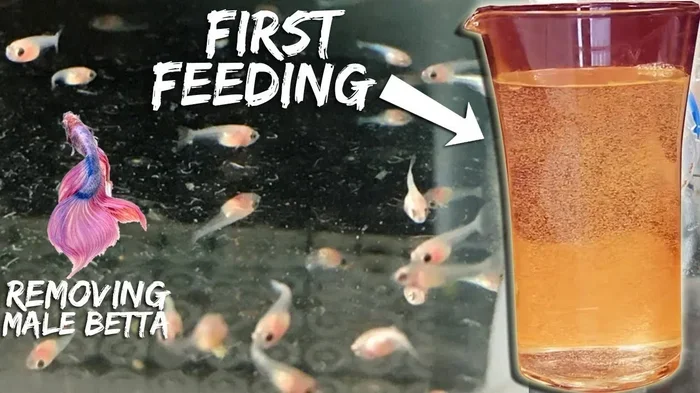
Feeding your baby betta fish the right way is the key to healthy growth and vibrant colors. Baby bettas need small, frequent meals throughout the day to fuel their rapid development. This guide covers everything from feeding schedules to the best foods, so your little fry grows up strong and happy.
Raising a baby betta fish is one of the most rewarding experiences for any fish keeper. These tiny, colorful creatures bring so much joy to a home aquarium. But one of the biggest challenges new betta owners face is figuring out the right feeding routine. How often should I feed my baby betta fish? That is the question almost every new betta parent asks.
The answer is not as simple as feeding once or twice a day like you might with an adult betta. Baby bettas, also called betta fry, have very different nutritional needs. Their tiny stomachs can only handle small amounts of food at a time. But they need constant energy to grow quickly and develop their stunning colors.
In this guide, we will walk you through everything you need to know about baby betta fish feeding. You will learn the ideal feeding schedule, the best foods to use, common mistakes to avoid, and tips to keep your fry healthy and thriving. Whether you just hatched your first batch of eggs or brought home a young betta, this article has you covered.
Key Takeaways
- Feed baby bettas 3 to 5 times daily: Small, frequent meals match their tiny stomachs and high energy needs.
- Use the right foods: Baby brine shrimp, crushed flakes, and micro pellets are ideal for betta fry.
- Watch for overfeeding: Uneaten food ruins water quality fast, which can harm your baby betta fish.
- Follow a consistent feeding schedule: Routine helps baby bettas grow steadily and stay healthy.
- Adjust as they grow: Reduce feeding frequency and increase portion size as your betta matures.
📑 Table of Contents
- Why Feeding Frequency Matters for Baby Bettas
- How Often Should You Feed a Baby Betta Fish
- Best Foods for Baby Betta Fish
- How Much Food Should You Give at Each Feeding
- Tips for a Successful Baby Betta Feeding Routine
- Common Mistakes When Feeding Baby Betta Fish
- Transitioning from Baby Food to Adult Food
- Final Thoughts on Baby Betta Fish Feeding
Why Feeding Frequency Matters for Baby Bettas
Baby betta fish grow at an incredibly fast rate. In the first few weeks of life, they are building their body structure, developing their fins, and starting to show their signature colors. All of this growth requires a steady supply of nutrients.
Unlike adult bettas, baby bettas have very small stomachs. Think about the size of their eye — that is roughly the size of their stomach. This means they cannot eat large meals. Instead, they need small, frequent meals spread throughout the day.
How Baby Betta Digestion Works
A baby betta’s digestive system is still developing. It processes food quickly, which is why they need to eat so often. If you go too long between feedings, your fry may not get enough energy to support their growth.
On the other hand, overfeeding can be just as dangerous. Excess food that goes uneaten will decay in the water. This releases ammonia, which is toxic to baby bettas. Even a small amount of ammonia can harm or kill young fish.
The Growth Connection
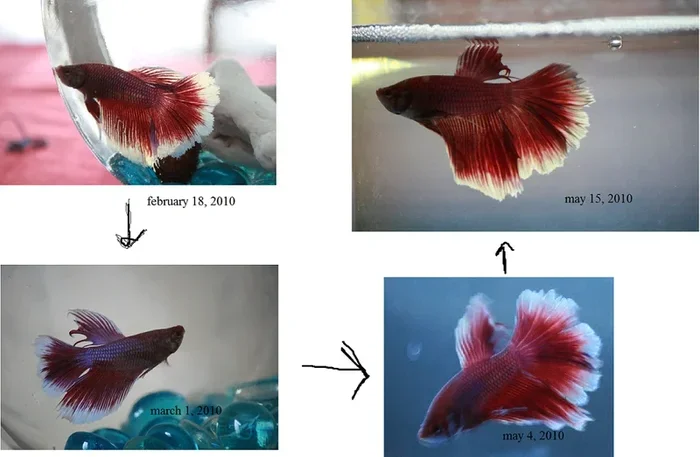
Proper feeding directly affects how well your baby betta grows. A well-fed fry will:
- Develop vibrant colors faster
- Grow larger fins and tails
- Build a stronger immune system
- Reach full size more quickly
- Stay active and alert
If you want your baby betta to thrive, getting the feeding frequency right is the single most important thing you can do. For more general guidance on adult feeding schedules, check out how often should you feed a betta fish.
How Often Should You Feed a Baby Betta Fish
This is the core question every betta owner asks. The short answer is that you should feed your baby betta fish three to five times per day. But the full answer depends on your fry’s age and development stage.
Feeding Schedule by Age
| Age | Feedings Per Day | Portion Size |
|---|---|---|
| 0 to 1 week old | 5 times daily | Tiny pinches, as much as they eat in 2 minutes |
| 1 to 2 weeks old | 4 times daily | Small pinches of crushed food |
| 2 to 4 weeks old | 3 to 4 times daily | Slightly larger portions, still small |
| 1 to 2 months old | 3 times daily | Moderate portions, transitioning to adult food |
| 2 months and older | 2 times daily | Standard adult portions |
Why So Many Feedings?
Baby bettas burn energy fast. Their metabolism is running at full speed because they are growing so quickly. Feeding them multiple times a day ensures they always have a fuel source available.
Think of it like this. A baby human needs to eat more frequently than an adult. The same principle applies to your baby betta fish. They simply cannot store enough energy from one or two meals to last all day.
Timing Your Feedings
Try to space feedings evenly throughout the day. A good routine might look like this:
- Early morning (around 7 AM)
- Mid-morning (around 10 AM)
- Early afternoon (around 1 PM)
- Late afternoon (around 4 PM)
- Early evening (around 7 PM)
You do not need to wake up in the middle of the night. The goal is consistency, not perfection. Pick times that work for your schedule and stick with them.
Best Foods for Baby Betta Fish
Not all fish food is created equal, especially for baby bettas. Fry need food that is tiny enough to eat and packed with protein to support their rapid growth.
Top Food Options for Betta Fry
- Baby brine shrimp: This is the gold standard for baby betta food. It is packed with protein and small enough for fry to eat easily. Live brine shrimp are ideal, but frozen works great too.
- Crushed betta flakes: Regular betta flakes can be crushed into a fine powder. This makes them easy for tiny fry to consume.
- Micro pellets: Some brands make very small pellets designed specifically for betta fry. These sink slowly and are easy for babies to find.
- Infusoria: These are microscopic organisms that grow in aquarium water. They are a natural first food for very young fry.
- Vinegar eels: These tiny worms are another excellent first food. They are easy to culture at home and packed with nutrients.
Foods to Avoid for Baby Bettas
Not everything you feed an adult betta is safe for fry. Avoid these:
- Large pellets: Too big for baby mouths and can cause choking.
- Freeze-dried bloodworms: These expand in water and can block a tiny digestive system.
- Flakes that have not been crushed:Whole flakes are too large and difficult for fry to eat.
- Human food: Bread, rice, and other human foods lack proper nutrition and foul the water quickly.
For more details on feeding specific foods to your betta, read our guide on can I feed my betta fish small live fish.
How Much Food Should You Give at Each Feeding
Portion control is critical when raising baby bettas. Because their stomachs are so small, even a little too much food can cause problems.
The Two-Minute Rule
A good guideline is to offer only as much food as your fry can eat within two minutes. If there is food left floating in the water after a couple of minutes, you have given too much.
Signs of Overfeeding
Watch for these warning signs after each feeding:
- Food sitting on the bottom of the tank for more than a few minutes
- Cloudy water developing shortly after feeding
- Your fry swimming erratically or appearing bloated
- A strong ammonia smell from the tank
If you notice any of these signs, reduce the portion size at the next feeding. Overfeeding is one of the most common mistakes new betta owners make, and it can quickly lead to serious water quality problems. For more advice on portion sizes, see how much food should I feed my betta fish.
Signs of Underfeeding
Underfeeding can be just as harmful. Watch for these signs:
- Fry appearing thin or translucent
- Slow growth compared to tankmates
- Lethargy or lack of energy
- Fry searching the tank constantly for food
If you see these signs, try increasing the frequency or portion size slightly.
Tips for a Successful Baby Betta Feeding Routine
Setting up a proper feeding routine takes a little planning, but it pays off big time. Here are some practical tips to make feeding time easier and more effective.
1. Prepare Food in Advance
Do not wait until feeding time to figure out what you are giving your fry. Have a plan. Keep a small container of crushed flakes or frozen baby brine shrimp ready to go. This makes the process quick and consistent.
2. Use a Turkey Baster for Precision
A turkey baster is one of the best tools for feeding baby bettas. It lets you drop tiny amounts of food exactly where you want them. This prevents food from spreading across the whole tank and making a mess.
3. Keep the Water Clean
Baby bettas are very sensitive to water quality. After each feeding, check for uneaten food and remove it with a small siphon. Clean water means healthy fish and fewer diseases.
4. Observe Your Fry During Feeding
Watch how your baby bettas eat. Are they eagerly swimming to the food? Do they finish everything within two minutes? Observing their behavior during feeding gives you valuable clues about whether the schedule and portions are right.
5. Be Patient and Consistent
Baby betta care requires patience. Some days will go smoothly, and other days might feel chaotic. Stick to your schedule, and your fry will reward you with steady, healthy growth.
Common Mistakes When Feeding Baby Betta Fish
Even experienced fish keepers make mistakes when feeding baby bettas. Here are the most common errors and how to avoid them.
Mistake 1: Feeding Too Much at Once
This is the number one mistake. It is tempting to give your fry a big meal, but their tiny stomachs simply cannot handle it. Always err on the side of less food.
Mistake 2: Inconsistent Feeding Schedule
Skipping feedings or feeding at random times can stress your baby bettas. They thrive on routine. Set reminders on your phone if you need to stay on track.
Mistake 3: Using the Wrong Food Size
Feeding adult-sized food to baby bettas is like trying to eat a whole pizza in one bite. The food needs to be appropriately sized for their tiny mouths.
Mistake 4: Ignoring Water Quality
Food waste builds up fast in a fry tank. If you are not doing regular water changes and removing uneaten food, your water parameters will suffer. This can lead to disease and even death in baby bettas.
Mistake 5: Not Adjusting the Schedule as They Grow
Your baby bettas will not need the same feeding frequency forever. As they grow past two months old, gradually reduce feedings to twice a day and transition them to adult food.
If your baby betta stops eating, do not panic. Check out what should I do if my betta fish isn’t eating for helpful troubleshooting tips.
Transitioning from Baby Food to Adult Food
Around the two-month mark, your betta will be ready to start transitioning to an adult diet. This process should be gradual to avoid upsetting their digestive system.
Start by mixing a small amount of adult-sized food with their regular fry food. Over the course of two to four weeks, slowly increase the proportion of adult food while decreasing the fry food.
By the time your betta is three months old, it should be eating a standard adult diet of flakes, pellets, or live food twice a day. For more on the full feeding guide, visit how to feed my betta fish.
Final Thoughts on Baby Betta Fish Feeding
Feeding your baby betta fish might seem overwhelming at first, but it becomes second nature once you establish a routine. The key takeaways are simple: feed small amounts frequently, use the right food, and keep the water clean.
Remember that every baby betta is a little different. Some may eat a bit more, others a bit less. The important thing is to observe your fish closely and adjust as needed.
Getting the feeding schedule right in those early weeks sets the foundation for a long, healthy, and beautiful life for your betta. A well-fed baby betta grows into a stunning adult fish that will bring you joy for years to come.
So take a deep breath, follow the schedule outlined in this guide, and enjoy the process of watching your tiny fry grow into magnificent bettas. You have got this.
Frequently Asked Questions
How many times a day should I feed my baby betta fish?
You should feed your baby betta fish three to five times per day, depending on their age. Very young fry need five feedings, while older fry can be reduced to three. The key is offering small amounts at each feeding to match their tiny stomachs.
What is the best food for baby betta fish?
The best foods for baby bettas include baby brine shrimp, crushed betta flakes, micro pellets, infusoria, and vinegar eels. These foods are small enough for fry to eat and rich in protein to support their rapid growth and development.
Can I feed my baby betta fish the same food as adult bettas?
Not exactly. Baby bettas need much smaller food particles than adults. While crushed adult flakes can work, it is better to use specially sized fry foods like baby brine shrimp or micro pellets until your betta grows larger.
How do I know if I am feeding my baby betta enough?
Watch for steady growth, vibrant colors, and active behavior. If your fry appear thin, lethargic, or are not growing at a normal rate, you may need to increase the frequency or portion size of feedings slightly.
What happens if I overfeed my baby betta fish?
Overfeeding causes uneaten food to decay in the water, which raises ammonia levels. This can harm or kill your baby bettas. Always feed only what they can eat within two minutes and remove any leftover food promptly.
When should I switch my baby betta to an adult feeding schedule?
Start transitioning around two months of age by gradually mixing in adult food. By three months old, your betta should be on a standard twice-daily adult feeding schedule with appropriately sized food.