How to Unconstipate a Betta Fish
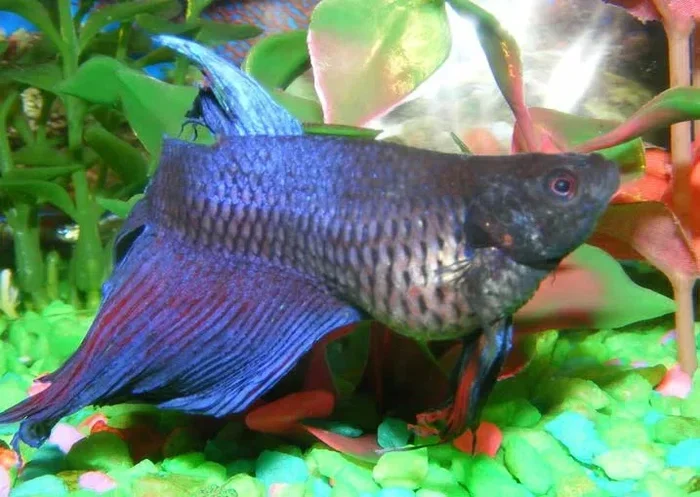
Constipation is one of the most common health issues betta fish face, but the good news is that it is usually easy to fix at home. You can help your betta fish feel better quickly by adjusting their diet, offering a warm water environment, and using simple remedies like a pea diet or a salt bath. Understanding the signs early and acting fast will keep your betta healthy, active, and comfortable.
Key Takeaways
- Look for key signs early: A swollen belly, loss of appetite, and unusual swimming behavior are clear indicators of constipation in betta fish.
- Feed a thawed pea: Offering a single skinless pea is one of the most effective and widely recommended home remedies for betta fish constipation.
- Try a salt bath: A brief salt bath can help stimulate digestion and provide gentle relief for your constipated betta fish.
- Adjust the water temperature: Warm water (around 78-80°F) helps speed up your betta fish digestive system naturally.
- Prevent future issues: A balanced diet, regular tank maintenance, and proper feeding habits go a long way in preventing constipation.
- Know when to seek help: If home remedies do not work within 24-48 hours, consult a vet experienced with fish health.
📑 Table of Contents
Understanding Betta Fish Constipation
Constipation in betta fish happens more often than most fish owners realize. It occurs when waste builds up in the digestive tract and your betta struggles to pass it. This can cause discomfort, bloating, and even serious health problems if left untreated.
The good news is that betta fish constipation is usually straightforward to address. Most cases respond well to simple home treatments. You do not need expensive equipment or specialized knowledge. A little attention and a few simple steps can make a big difference for your fish.
Constipation and swim bladder issues often go hand in hand. When a betta fish cannot pass waste, the buildup can press against the swim bladder. This affects buoyancy and makes it hard for your fish to swim normally. Understanding this connection helps you treat both problems at once.
Several factors contribute to digestive problems in betta fish. Overfeeding is the number one cause. Bettas have small stomachs, and too much food sits undigested in their gut. Low-quality flakes, lack of fiber, and irregular feeding schedules also play a role. Even stress from poor water conditions can slow down digestion.
Betta fish digestive issues are not just about discomfort. They can lead to more serious conditions like bloating, swim bladder disease, and loss of appetite. Catching the problem early and taking action is the best way to protect your fish’s health and happiness.
Why Bettas Get Constipated
There are a few common reasons why a betta fish might become constipated. Understanding these causes helps you prevent the problem from coming back.
- Overfeeding: This is the most frequent cause. Bettas only need a tiny amount of food per meal. Giving them too much overwhelms their small digestive system.
- Dry food diet: Flakes and pellets expand in water. If your betta eats too many dry foods without enough moisture, the food can swell inside the gut and cause blockages.
- Lack of fiber: Bettas need some roughage to keep things moving through their digestive tract. Without it, waste can build up and become hard to pass.
- Poor water quality: Dirty water stresses fish and slows their metabolism. A stressed betta digests food more slowly, which increases the risk of constipation.
- Cold water temperatures: Bettas are tropical fish. Cold water slows their body functions, including digestion. This makes constipation more likely.
Signs Your Betta Fish Is Constipated
Spotting the symptoms of betta fish constipation early gives you the best chance of a quick recovery. Watch for these telltale signs every time you check on your fish.
The most obvious sign is a swollen or bloated belly. If your betta’s abdomen looks puffed up and tight, something is probably not moving through the digestive system properly. A healthy betta should have a smooth, slightly rounded belly, not a hard, distended one.
Another common indicator is a loss of appetite. If your usually eager eater suddenly ignores food or spits it out, constipation could be the reason. Some bettas also become lethargic and spend more time resting at the bottom of the tank.
Pay attention to swimming behavior too. A constipated betta may struggle to stay upright or swim awkwardly. This happens because the bloated belly throws off their balance. In more serious cases, the fish may float at the top or sink to the bottom and have trouble swimming back to the middle.
You might also notice that your betta has not produced any waste in over a day or two. If the tank is clean and you have not seen any feces, this is a strong sign of constipation. Taking action quickly at this stage can prevent the problem from getting worse.
How to Unconstipate a Betta Fish
Now that you know what to look for, let’s talk about how to actually fix the problem. There are several effective methods you can try at home. Most of these remedies are gentle, safe, and easy to do.
Always start with the simplest approach and work your way up if needed. In most cases, a dietary adjustment alone is enough to get things moving again. Here are the best methods for treating constipation in betta fish.
Method 1: The Pea Diet
Feeding a thawed pea is the gold standard remedy for betta fish constipation. Peas are packed with fiber, which helps push waste through the digestive tract. This method works so well that many fish experts recommend it as a first-line treatment.
Here is how to do it step by step:
- Take a single frozen or fresh pea and let it thaw completely at room temperature.
- Remove the outer skin of the pea. The skin is hard to digest and can make the problem worse.
- Gently squeeze the pea to flatten it into a small, soft piece.
- Use a feeding fork or your fingers to drop the pea into the tank near your betta.
- Watch your betta eat. Remove any uneaten portion after a few minutes to keep the water clean.
Feed one pea per day for two to three days. You should see improvement within 24 hours. For more detailed instructions on this method, check out our guide on how to feed a pea to a betta fish.
Method 2: The Salt Bath
A salt bath is another effective way to help a constipated betta fish. The salt draws out excess fluid and can stimulate the digestive system gently. This method works especially well when combined with dietary changes.
Follow these steps for a safe salt bath:
- Prepare a small container with clean, dechlorinated water.
- Add one teaspoon of aquarium salt per gallon of water. Use pure aquarium salt, not table salt.
- Place your betta in the container for five to ten minutes.
- Watch for signs of stress. If your fish seems uncomfortable, return it to the main tank immediately.
- After the bath, return your betta to its main tank.
You can repeat the salt bath once a day for up to three days. For more information on this treatment, visit our article on how to give a betta fish a salt bath.
Method 3: Warm Water Adjustment
Temperature plays a huge role in your betta fish’s digestion. Cold water slows everything down, which makes constipation worse. Warming the water slightly can help speed up the digestive process naturally.
Aim for a tank temperature between 78 and 80 degrees Fahrenheit. If your current water is cooler, raise it gradually. Never change the temperature by more than two degrees per day, as sudden shifts stress your fish.
Using a small aquarium heater with a thermostat is the easiest way to maintain a consistent temperature. Warm water helps your betta’s metabolism work efficiently, which supports healthy digestion and regular waste elimination.
Method 4: Fasting
Sometimes the simplest solution is to give your betta’s digestive system a break. Fasting for one to two days allows the gut to clear out any built-up waste. After the fast, reintroduce food slowly with small, easily digestible meals.
Fasting is safe for betta fish and is actually a good practice to do once a week. It gives the digestive system time to reset and can prevent future constipation. Many experienced betta keepers include a weekly fasting day as part of their regular care routine.
For comprehensive advice on maintaining your betta’s overall health, including feeding and tank care, read our guide on how to care for a betta fish 101.
Prevention Tips for Betta Fish Digestive Health
Preventing constipation is always better than treating it. A few simple habits in your daily routine can keep your betta fish’s digestive system running smoothly. These tips also support overall betta fish health and wellness.
Feed a Balanced Diet
Variety is key when it comes to feeding your betta. High-quality pellets should form the foundation of the diet, but you should also include other food sources. Frozen or live foods like bloodworms, brine shrimp, and daphnia add protein and nutrients. Soaking dry food before feeding helps prevent it from expanding inside your betta’s stomach.
Stick to a consistent feeding schedule. Feed your betta twice a day, giving only as much food as they can eat in two to three minutes. Overfeeding is the fastest route to digestive problems, so discipline with portion sizes matters a lot.
Maintain Clean Water
Clean water keeps your betta stress-free and supports healthy digestion. Perform regular water changes, aiming for about 25 percent of the tank volume every week. Test the water parameters frequently to make sure ammonia, nitrite, and nitrate levels stay within safe ranges.
A well-maintained tank also supports beneficial bacteria that help break down waste. This creates a healthier environment for your betta and reduces the risk of digestive issues. If you need help with tank maintenance, our guide on how often to clean a betta fish tank covers everything you need to know.
Keep the Water Warm and Stable
Bettas are tropical fish and need warm, stable water to thrive. Invest in a reliable heater and monitor the temperature daily. Avoid placing the tank near drafts, windows, or air vents where the temperature can fluctuate.
A stable environment reduces stress and keeps the digestive system functioning properly. When your betta feels comfortable, it eats better, digests food efficiently, and stays active and colorful.
When to See a Vet
Most cases of betta fish constipation resolve within one to three days using home remedies. However, there are times when professional help is necessary. If your betta shows no improvement after trying the methods above, it is time to consult a vet.
Watch for these warning signs that indicate a more serious problem:
- Your betta stops eating completely for more than three days.
- The bloating gets worse instead of better, even after treatment.
- You notice white spots, redness, or unusual patches on the body.
- Your fish has trouble breathing or stays at the surface gasping.
- The constipation is accompanied by other symptoms like clamped fins or erratic swimming.
These signs could indicate a more serious condition like swim bladder disease, internal infection, or a physical blockage. A qualified fish vet can diagnose the issue and provide targeted treatment. Do not wait too long, because early intervention leads to better outcomes.
Knowing when to seek help shows that you are a responsible and caring fish owner. Trust your instincts. If something feels wrong with your betta, it is always better to get a professional opinion.
Common Mistakes to Avoid
Even well-meaning fish owners can make mistakes when dealing with constipation. Avoid these common pitfalls to give your betta the best chance of a quick recovery.
- Feeding too many peas: One pea per day is enough. Too much fiber can cause diarrhea and make things worse.
- Using table salt: Always use pure aquarium salt. Table salt contains additives like iodine and anti-caking agents that harm fish.
- Skipping water changes: Poor water quality slows recovery. Keep the tank clean throughout the treatment process.
- Overfeeding after a fast: After a fasting period, reintroduce food gradually. A big meal right away can trigger another bout of constipation.
- Ignoring the problem: Constipation does not go away on its own in most cases. Acting quickly prevents the problem from escalating.
Key Takeaways
- Constipation in bettas is common and treatable: Most cases resolve with simple home remedies like peas, salt baths, and warm water.
- Look for early warning signs: Bloating, loss of appetite, and abnormal swimming behavior are the main indicators of constipation.
- Start with the pea method: A skinless, thawed pea is the most effective and safest first treatment for betta fish constipation.
- Combine remedies for best results: Using a salt bath alongside dietary changes and warm water gives your betta the best chance of quick relief.
- Prevention is the best medicine: A balanced diet, clean water, and stable temperatures keep your betta’s digestive system healthy long-term.
- Know when to get help: If home treatments do not work within 48 hours, consult a fish vet for professional guidance.
Conclusion
Knowing how to unconstipate a betta fish is an essential skill for every betta owner. The good news is that constipation is usually easy to treat with simple, gentle methods. Whether you use a pea, a salt bath, warm water, or a short fast, the key is to act quickly and consistently.
Prevention plays an equally important role. A balanced diet, clean water, and stable temperatures keep your betta’s digestive system working the way it should. Small daily habits make a huge difference in keeping your fish healthy and happy.
Always pay attention to your betta’s behavior and body condition. Catching constipation early means faster treatment and a smoother recovery. Your betta depends on you for its care, and a little knowledge goes a long way toward giving it a happy, healthy life.
Stay proactive, stay observant, and remember that a healthy betta is a joyful betta. With the right approach, you can handle constipation confidently and keep your fish thriving for years to come.
Frequently Asked Questions
Can I use canned peas instead of frozen peas for my betta fish?
Yes, you can use canned peas, but make sure they are unsalted and free of any additives. Rinse them thoroughly and let them thaw before feeding. The most important step is removing the outer skin, as it is tough for bettas to digest.
How long does it take for a betta fish to recover from constipation?
Most betta fish show improvement within 24 to 48 hours of starting treatment. If you are using the pea method, you should see waste production resume within a day. If there is no improvement after two days, try combining remedies or consult a vet.
Is constipation in betta fish a sign of a serious illness?
In most cases, constipation is not a serious illness. It is usually caused by overfeeding or a lack of dietary fiber. However, if left untreated for a long time, it can lead to swim bladder problems or internal infections that require veterinary attention.
Can I give my betta fish a laxative?
It is best to avoid commercial laxatives designed for humans, as they can contain ingredients harmful to fish. Stick to natural remedies like peas, salt baths, and warm water. These methods are safe, effective, and widely recommended by fish care experts.
How often should I feed my betta fish to prevent constipation?
Feed your betta two small meals per day, giving only enough food that your fish can consume within two to three minutes. Including one fasting day per week also helps keep the digestive system clean and functioning properly.
What is the difference between constipation and swim bladder disease in bettas?
Constipation refers to a buildup of waste in the digestive tract, while swim bladder disease affects the organ that controls buoyancy. They often occur together because a bloated belly from constipation can press on the swim bladder. Treating constipation usually helps resolve related swim bladder issues as well.