Where Can You Get Betta Fish

Choosing where to get your betta fish is the first and most critical step in responsible ownership. The source directly impacts your new pet’s health, temperament, and lifespan. Avoid impulsive purchases from big-box stores and prioritize reputable local shops, specialized breeders, or rescues where you can assess health and get expert advice.
So, you’ve decided to bring a betta fish into your life. You’ve marveled at their flowing fins, their bold personalities, and the mesmerizing way they float through water. You’ve set up the perfect tank, perfected the water parameters, and chosen beautiful plants and décor. But there’s one monumental decision left: where can you get betta fish? This isn’t just a simple shopping choice; it’s the foundational moment for your entire betta-keeping journey. The place you acquire your Siamese fighting fish will determine its initial health, its stress levels, and even its basic temperament. A good source sets you up for years of joy with a vibrant, interactive companion. A bad source can lead to heartbreak, constant medical bills, and a frustrating experience that turns you off from the hobby entirely. Let’s navigate this crucial step together, exploring every avenue from your neighborhood shop to a breeder across the country, so you can make an informed, ethical, and happy choice.
Key Takeaways
- Prioritize Health & Ethics Over Price: A $3 betta from a chain store often has a higher risk of disease and a shorter lifespan than a $20-$40 fish from a reputable source.
- Local Specialty Fish Stores Are Often the Gold Standard: They maintain better water quality, quarantine new stock, and offer invaluable, honest advice from passionate experts.
- Online Breeders Offer Variety & Quality (With Research): They can provide specific color/breed types and healthier stock, but you must vet them thoroughly and understand shipping risks.
- Big-Box Retailers Pose Significant Risks: Bettas are often kept in horrific conditions (tiny cups, filthy water), leading to chronic stress, illness, and a high mortality rate shortly after purchase.
- Adoption is a Compassionate & Rewarding Option: Betta rescues and rehoming groups save fish from neglect and can help match you with a fish in need of a forever home.
- Always Quarantine New Arrivals: Regardless of source, a 2-4 week quarantine tank is non-negotiable to protect your existing aquarium ecosystem from introducing disease.
- Ask Questions & Observe Conditions: A good seller will welcome questions about the fish’s history, diet, and water parameters. Their facility’s cleanliness is a direct reflection of their care standards.
📑 Table of Contents
- The Local Fish Store: Your First and Best Destination
- The Big-Box Pet Store: A Story of Convenience and Consequence
- Online Betta Breeders and Sellers: A Modern Frontier
- Specialty Aquatic Shops and Breeder-Focused Stores
- Adoption and Rescue: Giving a Second Chance
- The Ultimate Checklist: What to Look For, No Matter the Source
- The Final Step: Bringing Your Betta Home
The Local Fish Store: Your First and Best Destination
When we say “local fish store,” we are not talking about the pet aisle at a big-box retailer. We mean a dedicated, independently owned aquarium shop run by people who are genuinely passionate about fish. This should be your absolute top priority when asking where can you get betta fish. These are the hidden gems of the aquatic world, and finding one is like striking gold for a prospective betta owner.
The Gold Standard of Care and Knowledge
In a quality local fish store (LFS), you will not find bettas in cups. You will find them in healtheir, filtered, and heated community tanks or spacious solo setups. The water is clean, the temperature is stable, and the fish are active and alert. This environment is the first clue that the staff understands bettas are not disposable decorations but complex living beings. The owner or manager is often a lifelong aquarist who has seen it all—from velvet outbreaks to fin rot—and can offer you a masterclass in a five-minute conversation.
They can tell you the betta’s age, its feeding habits (does it prefer pellets or live foods?), if it has a known history of aggression or shyness, and even the water parameters of the tank it came from. This level of transparency is priceless. They have a reputation to uphold in the local community, so they are incentivized to sell you a healthy, well-adjusted fish and provide the support you need to succeed. Building a relationship with a good LFS means you have a lifeline for future questions about cycling, disease treatment, or tank mates.
What to Look For (and Ask) at a Local Fish Store
Your visit to an LFS should be part shopping, part investigation. Here is your checklist:
- Tank Conditions: Are the bettas in heated, filtered tanks? Is the water clear, or is it cloudy with debris? Are there any dead fish floating? Are the tanks clean or covered in algae and scum?
- Fish Behavior: The betta should be alert, with fins slightly flared (not clamped tight to its body), and responsive to movement near the tank. It should be swimming steadily, not lethargically resting on the bottom or darting frantically.
- Physical Health: Look for vibrant, even coloration. Check for signs of rot, tears, or clumping in the fins. The eyes should be clear. There should be no white spots (ich), fuzzy growths (fungus), or gold dust (velvet). The gills should not be rapidly flaring, a sign of poor water quality or disease.
- Ask About Quarantine: A responsible store will quarantine all new fish for at least 2-4 weeks to observe for disease before adding them to their display tanks. Ask, “Do you quarantine your new bettas?” The answer should be a confident “yes.”
- Ask About Diet: What are they being fed? A good store will feed a high-quality pellet or frozen food, not just rely on customers overfeeding and causing waste.
The LFS might charge more—often $15 to $40 for a common betta, and more for fancy varieties. But you are paying for expertise, ethical sourcing, and a health guarantee. That investment almost always pays off in the long run with a robust, long-lived fish.
The Big-Box Pet Store: A Story of Convenience and Consequence
Let’s address the elephant in the room. For many people, their first mental image of a betta fish is the tiny, colorful cup on a shelf at a major pet retailer. These stores are ubiquitous, open late, and make it absurdly easy to walk out with a fish and a bag of food in under ten minutes. However, this convenience comes at a severe, often hidden, cost to the animal. While not every single store is identical, the business model of selling live animals this way is fundamentally flawed for species like the betta.
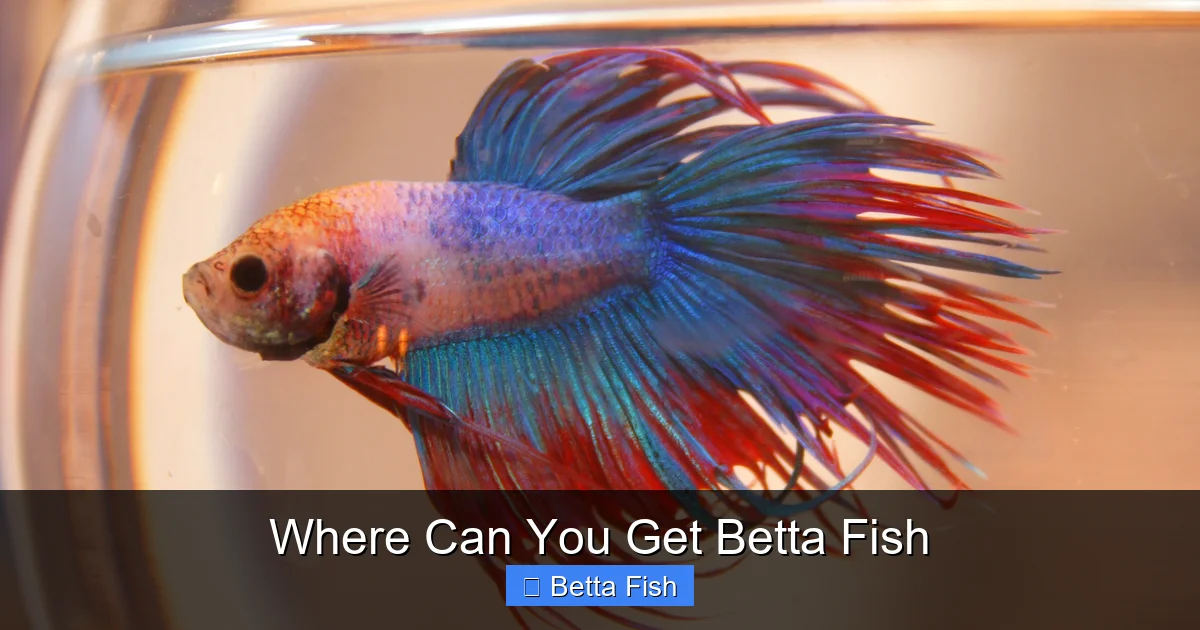
Visual guide about Where Can You Get Betta Fish
Image source: fishkeepingadvice.com
Understanding the “Cup” System and Its Toll
Bettas are shipped from breeders (often in Southeast Asia) to distribution centers in tiny bags, packed densely in boxes. Upon arrival at the store, they are placed in individual plastic cups with a small amount of water. These cups are then stacked on shelves under fluorescent lights. The water is not heated, filtered, or changed frequently. Bettas are tropical fish requiring water at 78-80°F (25.5-26.5°C). Room temperature is often far too cold for them, slowing their immune system and metabolism. The small water volume means ammonia from their waste builds up rapidly, poisoning them. The cups are not heated, leading to chronic cold stress. The result is a fish that is already compromised from a grueling journey and is slowly deteriorating in a toxic, cold environment.
Employees in these large chains are often overworked, under-trained, and responsible for hundreds of animals across multiple departments. They may not have the time or knowledge to properly monitor each individual betta cup, perform water changes, or identify early signs of disease. The turnover rate is high, and a dead fish is simply an inventory loss. The focus is on moving product, not on long-term animal welfare.
The High Risks of a “Convenient” Purchase
Buying a betta from this environment is a significant gamble. You are likely purchasing a fish that is already chronically stressed, immunocompromised, and possibly incubating disease. The most common issues you will face are:
- Fin Rot: A bacterial infection caused by poor water quality, leading to frayed, decaying fins.
- Velvet Disease: A parasitic infection causing a gold-dust appearance and extreme lethargy. It’s highly contagious and deadly if not caught early.
- Swim Bladder Disorder: Often caused by poor diet (overfeeding of low-quality pellets) and constipation, but can be exacerbated by stress and bacterial infection.
- General Weakness and Parasites: The fish may be riddled with internal parasites from its journey and the crowded conditions.
You are essentially buying a fish that needs intensive, immediate care—a hospital tank, medications, pristine water—just to have a chance at survival. The initial low price ($3-$10) is quickly erased by the cost of medications, test kits, and the emotional toll of nursing a sick fish. Furthermore, the staff cannot provide meaningful advice about the individual fish’s history or personality. You are buying a mystery, and the odds are not in your favor.
Online Betta Breeders and Sellers: A Modern Frontier
The internet has revolutionized how we buy everything, including live fish. Purchasing a betta from an online breeder or specialized online retailer is a fantastic option for those without access to a great local fish store or for those seeking specific, high-quality varieties like halfmoon, doubletail, or specific color strains (e.g., koi, nemo). However, this path requires diligence and an understanding of the process.
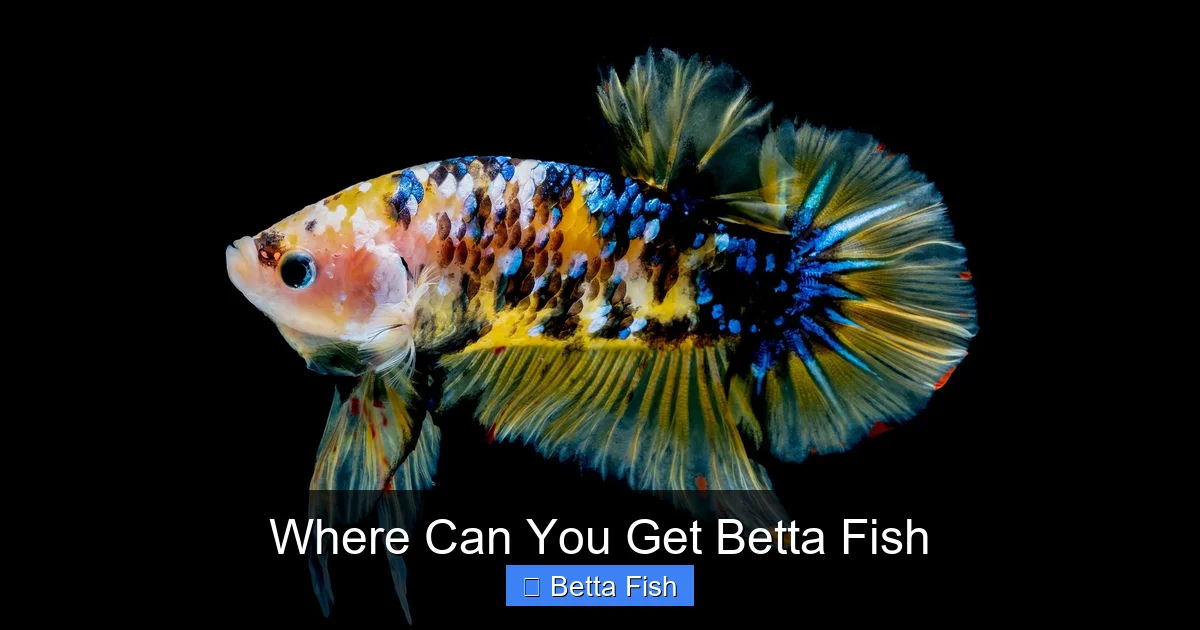
Visual guide about Where Can You Get Betta Fish
Image source: fish-guppy.com
The Appeal: Quality, Variety, and Direct Access
Reputable online breeders are artisans. They selectively breed for specific traits—fin shape, color pattern, body conformation. They often keep their breeding stock in pristine, individual conditions and raise their fry with meticulous care. When you buy from them, you are buying a fish that has been genetically selected and raised in optimal conditions from day one. Many breeders also offer “pick” or “select” sales where you can choose the exact individual you want based on high-resolution photos or videos. This is impossible to do at a physical store.
These breeders are also incredible sources of knowledge. Their websites are filled with information about their lines, their breeding philosophy, and proper care. They are usually happy to answer questions and provide detailed care instructions for their specific fish. They ship directly from their facility, bypassing the stressful middleman distribution channels that big-box stores use.
The Critical Checklist: How to Vet an Online Seller
The online world has its share of unscrupulous operators. A beautiful website does not guarantee a humane operation. Here is how to separate the passionate breeders from the shady dealers:
- Look for Transparency: A good breeder will have photos/videos of their fish room, their breeding pairs, and their setup. They will explain their practices: water changes, feeding regimen, quarantine procedures. If it looks like a generic e-commerce site with stock photos, run.
- Read Reviews Relentlessly: Search for the breeder’s name on forums like Fishlore, Seriously Fish, or Reddit’s r/bettafish. Look for unbiased customer reviews. Be wary of only seeing glowing testimonials on their own site.
- Ask Direct Questions: Before purchasing, email them. Ask: “How long do you quarantine your fish before shipping?” “What is your policy if the fish arrives DOA (Dead On Arrival) or sick?” “Can you provide a recent video of the specific fish I’m looking at?” “What are your water parameters?” Their answers (and response time) will tell you everything.
- Understand Shipping: Shipping live fish is stressful. A good breeder will ship early in the week (Mon-Wed) to avoid weekend delays in transit. They will use proper insulation, heat or cold packs as needed, and oxygenated bags. They will have a clear, fair DOA policy that requires photographic evidence within a few hours of delivery.
- Beware of “Too Good to Be True”: If they are selling a halfmoon betta for $15 shipped, it’s a red flag. Quality breeding, time, and proper shipping costs money. Expect to pay $30-$100+ for a premium fish from a serious breeder.
Specialty Aquatic Shops and Breeder-Focused Stores
There is a middle ground between the local corner store and a remote breeder: the large, high-end aquatic specialty store. These are not the same as big-box retailers. These are massive, standalone stores devoted entirely to fish, reptiles, and aquatic life. Think of large chains in the US like “That Fish Place/That Pet Place” or dedicated local mega-stores.
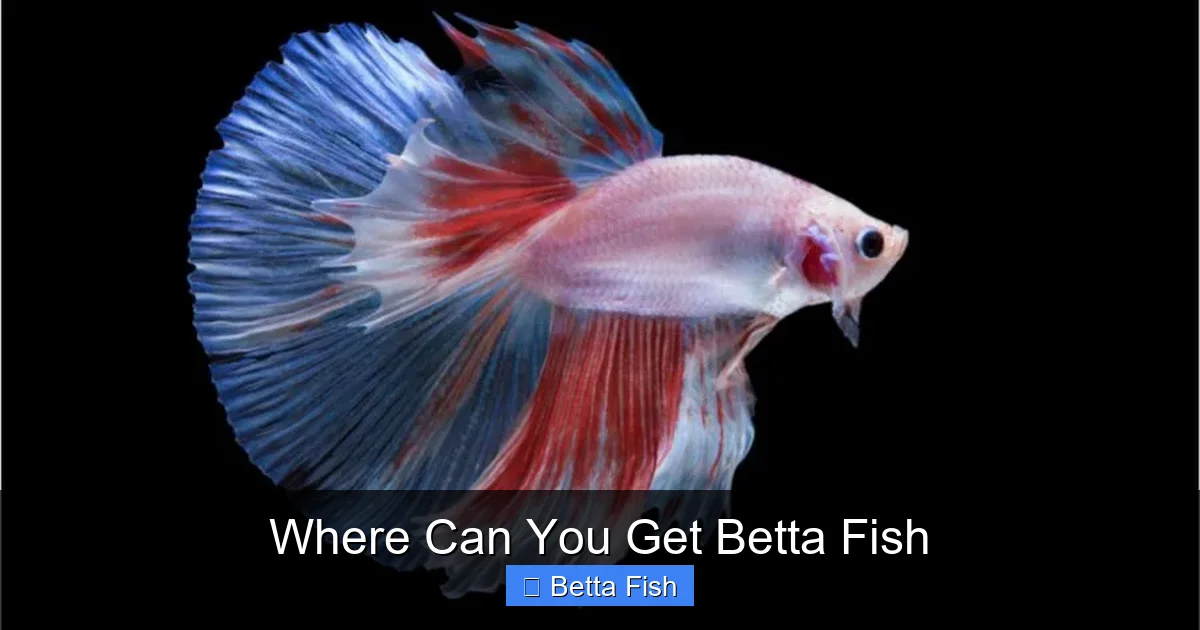
Visual guide about Where Can You Get Betta Fish
Image source: acaquarium.com
These establishments often have relationships with multiple breeders and importers. Their turnover is high, so fish are generally newer to the store, but they usually have the space and equipment to house bettas much better than a Walmart. You might find them in large, heated community tanks or in spacious, filtered rack systems. The staff is typically more knowledgeable than big-box employees, though perhaps not as specialized as a small LFS owner. The selection can be vast, including many fancy varieties. Prices are moderate. It’s a good compromise if a top-tier LFS isn’t nearby, but you still want to see the fish in person before buying. The same rules apply: inspect the tanks, ask about quarantine, and observe the fish’s behavior.
Adoption and Rescue: Giving a Second Chance
When you think where can you get betta fish, buying from a store or breeder is the default. But consider this: thousands of bettas are abandoned, neglected, or surrendered every year. Betta fish rescues and rehoming groups are a compassionate and increasingly popular alternative. Organizations like “The Betta Fish Rescue” (US-based) or various local rescues on Facebook and Instagram take in unwanted bettas, nurse them back to health, and find them permanent, loving homes.
How Betta Rescue Works
Rescues often pull bettas from big-box stores (saving them from the cup), take in surrenders from owners who no longer want their pet, or recover fish from neglectful situations. They are typically run by dedicated volunteers who are experts in betta health and rehabilitation. They will have the fish in proper quarantine, treat any illnesses (fin rot, velvet, parasites are common), and assess their temperament. The adoption fee usually covers the cost of medications, food, and tank supplies used during rehabilitation, and is often comparable to or slightly higher than a store price. However, you are saving a life and getting a pet that has been thoroughly vetted and cared for by an expert.
The Benefits of Adopting
You get full disclosure. The rescuer will tell you if the betta is shy, aggressive, has a history of bloat, or needs a specific tank setup (some rescues have special needs). You are not supporting the commercial trade that often mistreats these animals. You are directly reducing the demand for impulsively-bought bettas. Many rescues also have adult or senior bettas, which can be less demanding than a young, energetic fish and can make wonderfully calm companions. The process usually involves an application and a short screening to ensure the fish goes to a suitable, permanent home. It’s a more involved process, but the reward is immense.
The Ultimate Checklist: What to Look For, No Matter the Source
Regardless of whether you walk into a shop, click “buy” online, or meet a rescuer, your assessment of the individual fish and its conditions is paramount. Use this universal checklist:
- The Eyes: Should be clear, bright, and protruding normally. Cloudy or sunken eyes are signs of severe infection or dropsy.
- The Fins: Should be intact, without tears, blackening (fin rot), or clumping. They should be held relatively open, not clamped tight to the body. For long-finned varieties, look for signs of fin biting, which indicates stress.
- The Body: Should be smooth, streamlined, and free of lumps, bumps, or sores. The scales should lie flat. A “pinecone” appearance is a fatal sign of dropsy.
- The Gills: Should open and close at a normal, relaxed pace. Rapid, constant flaring indicates poor water quality or respiratory distress.
- The Behavior: The fish should be alert, curious, and responsive. It should be swimming, not hovering listlessly at the top or bottom. Some bettas are naturally shy, but they should not be panicked or frantic.
- The Environment: This is your biggest clue. Is the water clean? Is there a heater? Is there a filter (even a small sponge)? Are there other fish showing signs of disease? A clean, well-maintained tank for all inhabitants is the strongest signal of a responsible caretaker.
The Final Step: Bringing Your Betta Home
You’ve found your perfect source and selected a healthy-looking betta. The journey isn’t over. The transition from the store/rescue to your prepared tank is a critical, high-stress period. The single most important rule is: Do not dump the store water into your tank. It contains unknown pathogens and ammonia. The acclimation process is non-negotiable.
The best method is “drip acclimation.” Float the sealed bag in your tank for 15-30 minutes to equalize temperature. Then, using airline tubing, create a siphon and slowly drip tank water into the bag over 1-2 hours. This slowly adjusts the fish to your water chemistry (pH, hardness, etc.). After acclimation, gently net the betta from the bag and transfer it to your tank. Discard the bag water. For the first few days, monitor your betta closely for any signs of stress (hiding, lethargy, loss of appetite) or disease. Keep the lights dim and avoid any tank mates for at least a week. This gives its immune system a chance to adjust without additional stressors.
So, where can you get betta fish? The answer is: where they are treated with respect and expertise. Your goal is to find a source that views bettas as the intelligent, beautiful, and sensitive creatures they are, not as a cheap commodity. By choosing a reputable local fish store, a vetted online breeder, or a compassionate rescue, you are not just buying a pet. You are voting with your dollars for ethical animal treatment, supporting knowledgeable small businesses, and most importantly, giving your new betta the strong, healthy start it deserves. That first swim into its new, spacious, warm home will be the beginning of a wonderful relationship, built on a foundation of care and responsibility.
Frequently Asked Questions
What is the average cost of a betta fish from a good source?
From a reputable local fish store or breeder, expect to pay $15-$40 for a common variety. Fancy types like halfmoons, koi, or specific color patterns from quality breeders can range from $30 to over $100. This price reflects better care, genetics, and health.
Is it safe to ship a betta fish online?
Yes, when done by a reputable, experienced breeder. They use specialized packaging, heat/cold packs, and ship early in the week. Reputable sellers have clear DOA (Dead On Arrival) policies. However, shipping always carries inherent stress and risk, which is why thorough vetting of the seller is essential.
Should I always quarantine a new betta, even from a reputable store?
Absolutely, yes. A quarantine tank (minimum 5-10 gallons, heated, filtered, and bare-bottom) for 2-4 weeks is a mandatory best practice. It allows you to observe the fish for any hidden diseases and treat them without risking your main aquarium’s ecosystem. No source is 100% perfect, and quarantine is your insurance policy.
Can I return a betta fish if it gets sick?
Most reputable local fish stores and breeders will offer a short-term health guarantee (e.g., 7-14 days) if the fish shows signs of a pre-existing illness. They may request you bring a water sample. Big-box retailers often have stricter, less helpful return policies for live animals. Always ask about the policy before purchasing.
Why are bettas so cheap at big-box stores if they are so unhealthy?
The low price is a result of a brutal wholesale business model. Bettas are mass-produced in huge numbers in Southeast Asia, shipped as cheaply as possible, and treated as low-margin inventory items. The store’s cost is minimal, so they can sell them for a few dollars. You are not paying for their initial care, only for the convenience of the location.
Are male bettas the only option? Can I get a female?
Females are absolutely available! They are often slightly less flashy than males but have beautiful, shorter fins and can be just as personable. They are also less aggressive and can sometimes be kept in sorority groups (with careful research and a large, heavily planted tank). Many specialty stores and all breeders will have females available. Ask specifically for a female betta.