When to Clean Betta Fish Tank
Cleaning your betta fish tank at the right time is non-negotiable for its health. Unlike common belief, it’s not just about a dirty-looking tank; toxic ammonia and nitrites can build up invisibly. You should perform partial water changes weekly and a full clean every 2-4 weeks, but the true schedule depends on your tank’s size, filter, and bioload. Ignoring proper timing leads to stressed, sick bettas prone to fin rot and dropsy. This guide details the exact signs to watch for and provides a safe, stress-free cleaning protocol.
Key Takeaways
- Watch for Visual & Behavioral Signs: Cloudy water, algae blooms, slimy residue, and a betta lethargy or gasping are clear indicators it’s past time for a clean.
- Weekly Partial Water Changes are Essential: Replace 25-30% of the water weekly with treated water to dilute toxins, regardless of tank appearance.
- Full Tank Cleans are Every 2-4 Weeks: This depends on tank size and filter type; smaller, unfiltered bowls need it more often than larger, filtered setups.
- Never Clean Everything at Once: Never wash all decorations, substrate, and filter media in tap water. This destroys the beneficial bacteria cycle, causing a deadly new tank syndrome.
- Temperature & Dechlorinator are Critical: New water must match the tank’s temperature exactly and be treated with a water conditioner to remove chlorine and chloramines.
- Your Betta’s Health is the Ultimate Schedule: A healthy betta in a stable, properly cycled tank is the goal. Adjust your cleaning based on water test results and your fish’s behavior.
[FEATURED_IMAGE_PLACEHOLDER]
📑 Table of Contents
- Why Cleaning Your Betta Tank Isn’t Optional—It’s Survival
- Signs It’s Definitely Time to Clean Your Betta Tank
- The Ideal Cleaning Schedule: Factors That Change the Timeline
- The Step-by-Step Guide to a Safe, Effective Tank Clean
- Common Cleaning Mistakes That Harm Your Betta
- Maintaining a Clean Tank Between Full Cleans
- Conclusion: A Clean Tank is a Happy, Healthy Betta
Why Cleaning Your Betta Tank Isn’t Optional—It’s Survival
Let’s be honest: we’ve all seen those beautiful betta fish in tiny, decorative bowls on a desk or shelf. The myth that bettas can live in a small, dirty “vase” is persistent and dangerous. The truth is, a betta fish’s health is directly tied to the water quality in its environment. Cleaning the tank isn’t about aesthetics; it’s about managing a miniature, closed ecosystem where toxic waste products accumulate daily. Your betta breathes, eats, and excretes in that water. When you don’t clean it on the proper schedule, ammonia from waste and decaying food burns its gills, stresses its immune system, and creates a gateway for deadly diseases. Understanding when to clean betta fish tank environments is the single most important skill a betta owner can have. It’s the difference between a vibrant, curious pet and a listless, sick fish. This guide will move you beyond guesswork and into confident, science-backed tank maintenance.
The Invisible Killers: Understanding the Nitrogen Cycle
To know why cleaning is timed the way it is, you must grasp the basics of the nitrogen cycle. This is the biological process that keeps your tank safe. Fish waste and uneaten food produce ammonia (NH3/NH4+), which is highly toxic. Beneficial bacteria (Nitrosomonas) convert ammonia into nitrite (NO2-), which is also toxic. A second type of bacteria (Nitrospira) then converts nitrite into nitrate (NO3-), which is far less toxic and can be removed by water changes. This bacterial colony lives primarily in your filter media and on surfaces in the tank. If you clean everything too vigorously or with chlorinated tap water, you wipe out this colony, causing ammonia and nitrite to spike—a crisis known as “new tank syndrome,” which can kill your betta quickly. Therefore, the goal of cleaning is to remove the toxic end-products (nitrate, solid waste) while preserving the bacterial colonies that process the initial toxins.
Signs It’s Definitely Time to Clean Your Betta Tank
While a strict schedule is important, your betta and its environment will give you clear, urgent signals. Don’t ignore these cries for help. These signs indicate water quality has already degraded to a harmful level and immediate action is needed.
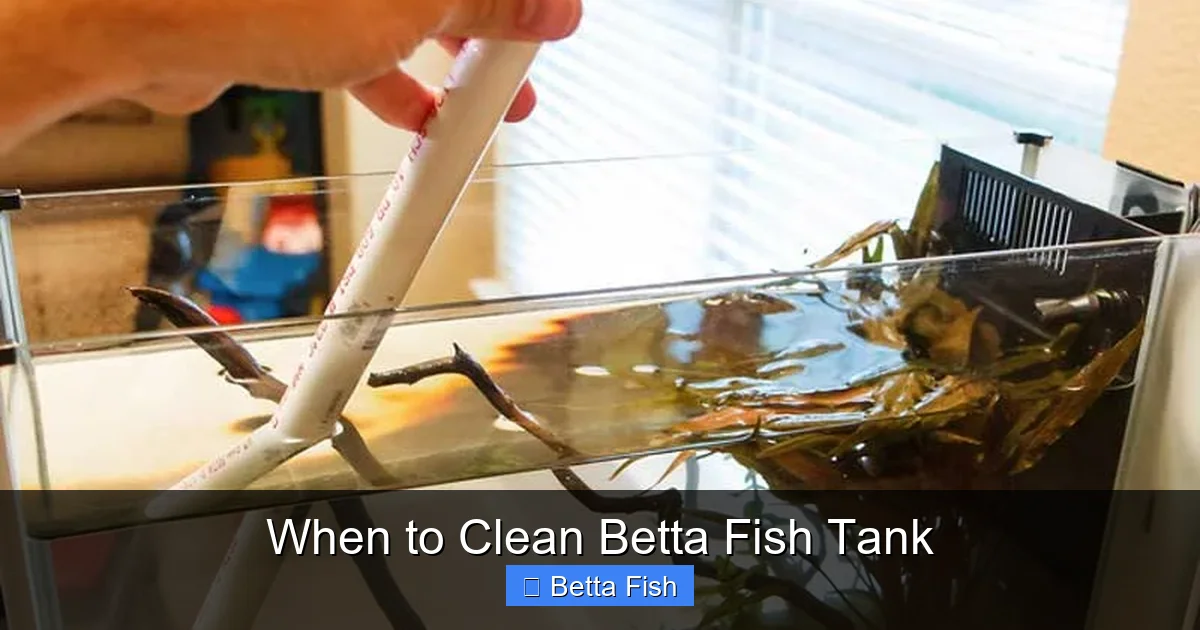
Visual guide about When to Clean Betta Fish Tank
Image source: uploads-ssl.webflow.com
The Visual Red Flags
Your eyes are your first line of defense. Look for:
- Cloudy or Murky Water: This can be a bacterial bloom (from excess waste) or suspended particles. It’s a sign the biological filter is overwhelmed.
- Visible Algae: While some algae is normal, thick green hair algae, slimy blue-green algae (cyanobacteria), or a heavy coating on the glass and decorations means nutrient levels (nitrates/phosphates) are too high.
- Slimy Biofilm or “Snot” on the Glass: A slippery, brownish or greyish film is a buildup of bacteria and decomposing organic matter.
- Debris on the Substrate: Uneaten food pellets, feces, and decaying plant matter should be removed within minutes. If you see a layer of this stuff on the bottom, it’s rotting and polluting the water.
- Clogged or Slimy Filter Media: If water flow from your filter is weak or you see a thick, slimy coating on the sponge or cartridge, it needs a gentle rinse in old tank water, not a replacement.
The Behavioral Red Flags (Your Betta is Talking to You)
Betta fish are expressive. Changes in behavior are the most critical indicator of poor water quality.
- Lethargy and Clamped Fins: A healthy betta is active, explorative, and flares its fins. If your betta is hovering at the bottom, resting on plants or the substrate excessively, and holding its fins tight against its body, it is highly stressed, often from poor water.
- Gasping at the Surface: While bettas sometimes gulp air, constant frantic gasping indicates low oxygen levels, which can be caused by high ammonia damaging the gills or extremely poor water quality.
- Loss of Appetite: A betta that suddenly ignores food or spits it out is often feeling unwell due to environmental stress.
- Faded or Torn Fins: Stress from toxins weakens the betta’s immune system, making it susceptible to fin rot, which appears as frayed, blackened, or decaying fin edges.
- Hiding Constantly: If your normally curious betta is permanently hidden and avoids you, it’s a sign something is wrong with its home.
If you see these behaviors, test your water immediately and perform an emergency 50% water change.
The Ideal Cleaning Schedule: Factors That Change the Timeline
Now, let’s talk about the proactive schedule. The classic advice of “clean your tank every two weeks” is a starting point, but it’s not one-size-fits-all. Your specific cleaning frequency depends on several key factors. Think of it as a formula: Tank Size + Filtration + Feeding = Cleaning Frequency.
Tank Size: Bigger is (Almost) Always Better
This is the most important factor. A common mistake is keeping a betta in a 1-2 gallon “bowl.” In such a small volume, waste and toxins concentrate incredibly quickly. A 1-gallon tank with a betta may need a 50% water change every other day to stay safe. The absolute minimum tank size for a betta is 5 gallons. In a 5-gallon properly cycled tank with a filter, you can typically maintain it with a 25-30% weekly water change. A 10-gallon or larger tank provides even more dilution and stability, allowing for a slightly more forgiving schedule but still requiring that weekly partial change. The larger the water volume, the slower toxins build up, giving your bio-filter more time to work.
Filtration: The Heart of Your Maintenance Schedule
A filter is not optional for a healthy, low-maintenance betta tank. It provides mechanical (removing debris) and biological (housing bacteria) filtration.
- Sponge Filters: Excellent for bettas as they are gentle. The sponge media must be rinsed gently in old tank water once a month to prevent clogging, but never replaced all at once.
- Hang-On-Back (HOB) or Internal Filters: These often have replaceable cartridges. The key is to never replace all the media at once. Rinse the mechanical portion (sponge/foam) monthly and replace the carbon (if used) every 4-6 weeks, but keep the old sponge in the tank alongside the new one for a month to seed bacteria.
- No Filter (Unfiltered Tanks): These require the most work. You must do larger, more frequent water changes (30-50% every 3-4 days) to compensate for the lack of biological filtration. This setup is prone to rapid ammonia spikes and is not recommended for beginners.
A good filter allows you to stick to a weekly partial change and a full clean less frequently.
Feeding Habits & Tank Mates
Overfeeding is the #1 cause of dirty tanks. Betta stomachs are tiny, no larger than their eye. Feed only 2-3 high-quality pellets or a few frozen brine shrimp once per day, and remove any uneaten food after 5 minutes. More food = more waste = more cleaning. If you have tank mates (like snails or shrimp), they add to the bioload. A small nerite snail produces waste, so you may need to increase your water change volume slightly. A heavily planted tank with live plants (like java fern or anubias) can help absorb nitrates, potentially allowing for slightly less frequent water changes, but you still need to remove solid waste.
The Step-by-Step Guide to a Safe, Effective Tank Clean
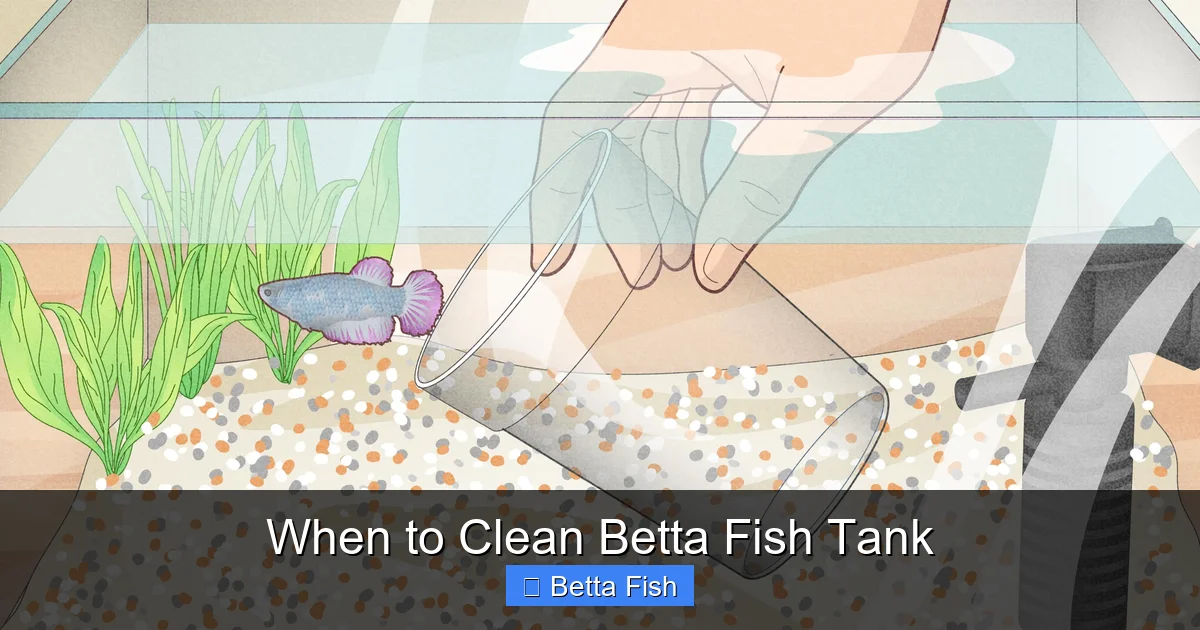
Knowing when to clean betta fish tank is useless if you don’t know how. A improper clean can be more damaging than a dirty tank. Follow this protocol to protect your cycle and your fish.
Visual guide about When to Clean Betta Fish Tank
Image source: wikihow.com
Gathering Your Supplies (The Night Before)
Preparation prevents panic and stress for you and your betta. Have everything ready:
- Two clean buckets or containers: One exclusively for tank water (to hold your fish and old water), one for fresh water. Never use buckets that have held soap or chemicals.
- Water conditioner/dechlorinator: Non-negotiable. Seachem Prime is a popular, effective brand.
- A siphon/vacuum: A gravel vacuum is essential for removing debris from the substrate without disturbing it too much.
- An algae pad or scraper: For the glass. A razor blade can be used for stubborn algae on acrylic tanks (use with extreme care).
- Old, clean towel or paper towels: For wiping spills. Never use soap or chemicals on anything that goes in the tank.
- A net: Soft, fine-mesh is best for bettas.
- Timer: To keep track of how long your betta is in the holding cup.
The Cleaning Process: A Stress-Free Protocol
Step 1: Prepare the New Water. Fill your clean “fresh water” bucket with tap water. Add the correct dose of water conditioner as per the bottle instructions. Stir well. Let it sit for 15-30 minutes so it can neutralize chlorine/chloramines. This water must be within 1-2°F (0.5-1°C) of your tank’s temperature. Use a thermometer. A drastic temperature change is a severe shock to your betta.
Step 2: Remove Your Betta Safely. Do not net your betta aggressively. Gently herd it into a clean, tall container (like a small food-safe plastic tub or a large cup) filled with enough old tank water to cover its dorsal fin. This container should be placed somewhere quiet, away from drafts and direct sunlight. Cover it with a cloth to reduce stress. Do not feed your betta on cleaning day until after the process is complete.
Step 3: Clean the Interior (Without the Bacteria).
- Use your algae pad to scrape the glass. Do this before removing water to let the algae settle.
- Gently vacuum the substrate. Push the vacuum into the gravel to suck out trapped debris and fish waste. For sand, hover the vacuum just above the surface. Do not vacuum all the substrate in one go; do half one week, half the next to preserve bacteria.
- If you have decorations, rinse them in the bucket of old tank water you’ve siphoned out. Gently rub off any slime or algae. Never use soap.
- If you have live or silk plants, gently rinse them in the old tank water.
Step 4: Service the Filter (The Most Important Step). Unplug the filter. Take the media out and rinse it gently in the bucket of old tank water (the water you just siphoned out). Squeeze sponges a few times to dislodge debris. The goal is to remove big chunks of gunk to restore flow, not to make it sterile. You should see brown, murky water—that’s the beneficial bacteria you’re rinsing out. Reassemble the filter. If the impeller is clogged, clean it with a cotton swab or old toothbrush (also rinsed in old tank water).
Step 5: The Water Change. Now, using your siphon, remove 25-30% of the water from the tank. Pour it down the drain. Slowly add the prepared, temperature-matched new water to the tank. Pour it against the glass or use a cup to diffuse the flow to avoid startling your betta. Fill the tank to the original level.
Step 6: Return Your Betta. Gently net your betta from the holding container and place it back in the clean tank. It may hide for a few hours—this is normal. Do not feed for at least 2-4 hours after returning it to reduce immediate waste load.
Step 7: Clean Up & Monitor. Wipe up any spills. Plug the filter back in. For the next few hours, watch your betta closely for signs of distress. The next day, test your water parameters (ammonia, nitrite, nitrate) to ensure the cycle is stable.
Common Cleaning Mistakes That Harm Your Betta
Even with the best intentions, it’s easy to make errors that jeopardize your betta’s health. Avoid these pitfalls at all costs.
The “Sterilize Everything” Trap
The biggest mistake is cleaning everything with tap water and scrubbing tools until they are spotless. This includes using soap on decorations (residue is fatal), boiling filter media, or replacing all filter cartridges monthly. You are not trying to create a sterile hospital room; you are maintaining a balanced ecosystem. The brown, smelly gunk on your filter sponge is your friend—it’s trillions of beneficial bacteria. Rinse it, don’t destroy it.
Ignoring the Water Temperature & Conditioner
Adding cold tap water to a warm tropical tank causes thermal shock, suppressing the betta’s immune system and making it susceptible to disease. Always match temperatures. Similarly, forgetting to dechlorinate is a slow poison. Chlorine and chloramines in tap water will kill your bio-filter bacteria and damage your betta’s gills. There is no scenario where you add untreated tap water.
Overcleaning the Substrate
While you must remove solid waste, vacuuming every single inch of gravel every week disrupts the bacterial colonies living in the substrate. Use the “half and half” method mentioned earlier. Also, don’t stir up the substrate violently; let the vacuum do the work.
Using Incompatible Cleaning Agents
Never, under any circumstances, use household cleaners (glass cleaner, bleach, soap) on anything that will go back into the tank. Even trace residues are lethal. If you suspect contamination, rinse items thoroughly with dechlorinated water and let them soak in a bucket of tank water for a day before reuse. For stubborn algae on decorations, a 10-minute soak in a 10% bleach solution (1 part bleach, 9 parts water) is acceptable, but it must be followed by multiple, thorough rinses in dechlorinated water and then a 24-hour soak in a bucket of conditioned water to ensure all bleach is gone and to re-seed it with bacteria.
Maintaining a Clean Tank Between Full Cleans
The goal is to make your every-other-week full clean a minor event, not a major overhaul. Daily and weekly habits make all the difference.
The Daily 60-Second Check
Spend one minute each day observing. Is your betta active? Is the water clear? Is there any uneaten food on the bottom? Remove any visible debris with a siphon or turkey baster. This small habit prevents large problems.
The Weekly Partial Water Change is Non-Negotiable
This is the cornerstone of betta tank maintenance. Even if your tank looks pristine, you must change 25-30% of the water weekly. This dilutes the invisible nitrate buildup and refreshes trace minerals. Pair this change with a gentle vacuum of the substrate and a quick algae scrape if needed. This weekly routine prevents the need for drastic, stressful deep cleans.
Controlling Algae at the Source
Algae is a symptom of an imbalance: too much light and/or too many nutrients (nitrates/phosphates).
- Light: Keep your tank on a consistent 8-10 hour cycle using a timer. Never place the tank in direct sunlight, which accelerates algae growth exponentially.
- Nutrients: Do not overfeed. Ensure your filter is functioning well. Live plants compete with algae for nutrients. Even a few fast-growing plants like hornwort or water wisteria can help.
- Physical Removal: During your weekly clean, manually remove as much algae as possible from the glass and decorations.
Conclusion: A Clean Tank is a Happy, Healthy Betta
Understanding when to clean betta fish tank is about moving from a rigid calendar to an observant, responsive approach. Start with the foundational schedule of a 25-30% weekly water change and a full clean every 2-4 weeks, depending on your specific setup. Then, become a detective: watch your water clarity, test your parameters, and most importantly, watch your betta. Its behavior is the ultimate feedback system. By committing to a gentle, bacteria-conscious cleaning routine that respects the nitrogen cycle, you are not just maintaining a container of water—you are curating a thriving, stable home. You are giving your betta the best possible chance at a long, colorful, and active life, where it flares its fins happily and swims to greet you every day. That’s the real reward of a clean tank.
Frequently Asked Questions
How often should I do a full clean of my betta tank?
For a filtered 5-gallon or larger tank, a full clean (including vacuuming all substrate and rinsing filter media) is typically needed every 2-4 weeks. Smaller, unfiltered tanks may require a full clean as often as weekly. Always prioritize weekly 25-30% water changes regardless.
Can I use tap water directly for my betta tank?
No. Tap water contains chlorine and chloramines that are toxic to fish and will kill the beneficial bacteria in your filter. You must always treat tap water with a complete water conditioner/dechlorinator before adding it to your tank.
Should I remove my betta during a water change?
For a partial water change (25-50%), you do not need to remove your betta. It’s less stressful for them to stay in the tank. You should only net and temporarily hold your betta in a separate container during a full tank clean or if you need to thoroughly vacuum the entire substrate and remove all decorations.
How do I clean my filter without killing the good bacteria?
Never rinse filter media under chlorinated tap water. Instead, turn off the filter and remove the media. Gently squeeze and rinse it in a bucket of the old tank water you just siphoned out during your water change. This removes debris while preserving the bacterial colonies. Only replace filter media (like carbon) when it’s falling apart, and do so incrementally.
My tank water is cloudy. Is it time for a full clean?
Cloudy water is often a bacterial bloom from excess waste. First, test your water for ammonia and nitrite. If they are zero, perform a 25% water change and ensure you are not overfeeding. A full clean may be necessary if the cloudiness persists after a couple of water changes, but ensure you are not sterilizing all your filter media during the process.
What is the single most important part of tank cleaning?
The most critical rule is to never, ever clean all your filter media and decorations with tap water at the same time. This destroys the biological filter, leading to toxic ammonia and nitrite spikes. Always rinse media in old tank water and clean decorations in stages, leaving some “dirty” items in the tank to maintain the bacterial colony.