How Can You Tell Male and Female Betta Fish Apart
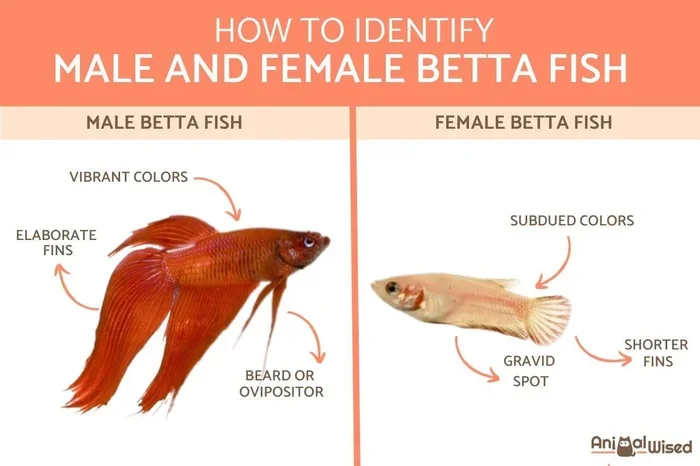
Figuring out how can you tell male and female betta fish apart is easier than most people think. You can look at body shape, fin length, coloring, and even behavior to tell them apart. This guide walks you through every clue step by step so you can confidently identify your betta fish gender.
Whether you just brought home a new betta fish or you have been caring for one for a while, knowing how can you tell male and female betta fish apart is an important skill. It helps you make better decisions about tank setup, feeding, and even breeding. Many new fish owners assume all bettas look the same, but the truth is, males and females have clear differences once you know what to look for.
The good news is that you do not need any fancy equipment or special tools. Your eyes and a little patience are all you need. In this guide, we will walk you through every physical and behavioral clue so you can confidently identify your betta fish gender in just a few minutes.
Key Takeaways
- Males have longer, flowing fins: The dorsal and tail fins on male bettas are significantly longer and more dramatic than on females.
- Body shape tells a big story: Males are sleeker and more streamlined, while females have a rounder, wider body, especially when carrying eggs.
- Color intensity differs: Males typically display brighter, more vivid colors, while females tend to be slightly duller.
- Look for the egg spot: Females have a small white dot near their underside called an ovipositor, which males lack.
- Behavior gives clues too: Males are more aggressive and build bubble nests, while females are generally calmer.
- Know the beard: Males develop a visible beard or membrane under their gills during displays, which females rarely show.
- Start with the basics: Begin by checking fins and body shape first, then move to behavioral signs for confirmation.
📑 Table of Contents
- Why Knowing the Gender of Your Betta Fish Matters
- Physical Differences Between Male and Female Betta Fish
- Behavioral Differences Between Male and Female Betta Fish
- Hidden Clues: The Egg Spot and Other Subtle Signs
- Quick Tips for Identifying Your Betta Fish Gender
- What to Do After You Identify the Gender
- Common Mistakes People Make When Identifying Betta Fish Gender
- Final Thoughts
Why Knowing the Gender of Your Betta Fish Matters
You might wonder why betta fish gender identification matters so much. The answer is simple. Keeping a male and a female together without knowing their sex can lead to serious problems. Males are highly territorial and can become aggressive toward other males. Even housing two males in the same tank can end badly.
On the other hand, if you plan to breed bettas, you need to know the sex of each fish. Female bettas carry eggs, and understanding their reproductive cycle helps you create the right environment. Even if you are not planning to breed, knowing the gender helps you choose compatible tank mates and set up the ideal living space.
Understanding male betta fish and female betta fish traits also helps you provide better daily care. Each gender has slightly different needs when it comes to tank size, water conditions, and social interaction.
Physical Differences Between Male and Female Betta Fish
The most reliable way to tell male from female betta fish is by looking at their physical traits. Let us break this down into the key areas you should examine.
Body Shape and Size
One of the easiest ways to differentiate between male and female betta fish is by observing their body shape. Male betta fish tend to have a sleek, streamlined body. They look long and narrow from head to tail. Their profile is smooth and slightly curved.
Female betta fish have a noticeably rounder and wider body, especially around the belly area. This is because females carry eggs internally. When a female is ready to breed, her belly becomes even plumper and more pronounced. You might also notice a slight bulge on the underside.
In terms of size, both genders are similar in length, usually growing to about 2 to 3 inches. However, the female body shape is distinctly fuller compared to the male’s slim profile.
Fin Length and Shape
If there is one feature that stands out the most, it is the fins. Male betta fish are famous for their long, flowing fins. The dorsal fin (the one on the back) can be several inches long and sweeps backward gracefully. The tail fin, also called the caudal fin, is wide and elaborate, often resembling a fan or a veil.
Female betta fish have much shorter fins. Their dorsal fin is noticeably shorter and less dramatic. The tail fin is also more compact and narrow. This difference is one of the first things you should check when you are trying to figure out the sex of your fish.
Another detail to look at is the fin edges. Males often have more pointed and flowing fin edges, while females have smoother, shorter fin tips. If you compare a male and a female side by side, the difference in fin length is almost impossible to miss.
For a deeper dive into identifying these traits, check out our guide on how to differentiate between male and female betta fish.
Color and Coloring Patterns
Male betta fish are generally more colorful than females. Their scales shimmer with intense reds, blues, greens, and purples. Breeders have developed many stunning color varieties in males, including marble, crowntail, and halfmoon patterns.
Female betta fish tend to have slightly duller coloring. Their hues are often softer and less vibrant. That said, some females can still be quite colorful, especially certain breeding lines. The key difference is that males display color more boldly across their entire body and fins.
You might also notice that males flare their colors when they are displaying or feeling territorial. The colors become even more vivid during these moments. Females may darken slightly when they are carrying eggs, but they do not show the same dramatic color shifts.
Behavioral Differences Between Male and Female Betta Fish
Physical traits are not the only way to tell the sexes apart. Betta fish behavior also gives you strong clues about gender. Watching how your fish acts can confirm what you see with your eyes.
Bubble Nest Building
One of the most obvious behavioral differences is bubble nest building. Male betta fish are the ones that build bubble nests. These are clusters of small bubbles that the male creates on the surface of the water. He uses his saliva to make the bubbles stick together and forms a floating raft.
The bubble nest serves as a safe place for fertilized eggs during breeding. If you see a cluster of bubbles on the surface of your tank, you almost certainly have a male. Females do not build bubble nests. This is one of the clearest behavioral signs you can observe.
Aggression and Flaring
Male betta fish are known for their aggressive nature. They flare their gills and spread their fins to look bigger when they see another male or a perceived threat. This flaring display is a natural behavior, but it can become a problem if two males are kept in the same tank.
Female betta fish can also be territorial, but they are generally less aggressive than males. Females may flare at each other, especially in groups, but the displays are usually less intense. A group of females is sometimes called a sorority, and it can work well in a large enough tank with plenty of hiding spots.
If your fish flares constantly at its own reflection or at other fish, there is a good chance it is a male. Understanding betta fish aggression levels by gender helps you plan the right tank setup.
Courtship and Breeding Behavior
During breeding, the differences between the sexes become very clear. The male will build a bubble nest and then court the female by wrapping his body around hers. The female releases eggs, and the male fertilizes them externally. After spawning, the male collects the eggs and places them carefully in the bubble nest.
Females show a specific behavior during this process too. They may darken in color and develop vertical stripes on their body, which are called breeding bars. These stripes are a sign that the female is ready to breed. Males do not display breeding bars.
If you are interested in breeding bettas, knowing these behaviors is essential. For more information on keeping both sexes together safely, read our article on can a male and female betta fish share a tank.
Hidden Clues: The Egg Spot and Other Subtle Signs
Some signs of gender are easy to overlook, but they are incredibly useful once you know what to look for.
The Egg Spot (Ovipositor)
The egg spot is one of the most reliable ways to confirm that your fish is female. It is a small, white dot located on the underside of the fish, near the anal fin. This dot is the ovipositor, which is the organ the female uses to release eggs.
Male betta fish do not have an egg spot. If you see a tiny white dot on the underside of your betta, you are most likely looking at a female. The egg spot is usually easier to see on females that are mature and ready to breed.
Sometimes, the egg spot can be hard to spot, especially on dark-colored fish. Use a flashlight to get a better look. Shine the light gently from behind or beneath the tank, and you should be able to see the small white dot more clearly.
The Beard and Gill Plates
When male betta fish flare, they reveal something called a beard. This is a small membrane or flap that appears under the gills. It makes the male look even more impressive and intimidating during displays. Females also have the ability to flare, but they rarely show a visible beard. Their gill plates stay relatively flat even when they are displaying.
Checking for the beard is a quick trick that can help you confirm gender, especially if the fish is actively flaring. Just watch for that small extra flap under the gills when your fish puffs up its fins.
Ventral Fin Differences
The ventral fins, which are the small fins near the belly, also differ between the sexes. Male betta fish typically have longer and more pointed ventral fins. Female betta fish have shorter, rounder ventral fins. This is a subtle difference, but it becomes more noticeable when you compare two fish side by side.
Quick Tips for Identifying Your Betta Fish Gender
Here is a simple checklist you can follow every time you want to check the gender of your betta fish:
- Look at the fins first. Long, flowing fins mean male. Short, compact fins lean toward female.
- Check the body shape. Sleek and narrow is male. Round and plump is female.
- Look for the egg spot. A small white dot on the underside means female.
- Watch for flaring. A visible beard under the gills during flaring confirms male.
- Observe behavior. Bubble nest building is a sure sign of a male.
- Compare colors. Brighter, more vivid coloring is more common in males.
For more tips on locating and identifying your fish, you can also visit our guide on how to find male and female betta fish. These steps work for most common betta varieties, including crowntail, halfmoon, and plakat bettas.
What to Do After You Identify the Gender
Once you know the gender of your betta fish, you can make better decisions about care and housing. If you have a male, you should avoid keeping him with another male. Males will fight, and the results can be fatal. A single male does best in a tank by himself or with carefully chosen tank mates that are not bright or fin-nippy.
If you have a female, you can consider keeping a small group of females together in what is called a sorority tank. A tank of at least 10 gallons works well for a group of four to six females. Make sure there are plenty of plants and hiding spots to reduce tension.
If you are planning to breed, you will need a separate breeding tank with the right conditions. The water temperature should be around 80 degrees Fahrenheit, and the tank should have a gentle filter and a place for the male to build a bubble nest. Always research breeding care thoroughly before attempting it.
For more details on how males and females can coexist in certain setups, read our article on how to tell a female betta fish from a male for additional insights on gender identification and cohabitation.
Common Mistakes People Make When Identifying Betta Fish Gender
Even experienced fish keepers sometimes make mistakes. Here are a few common errors to avoid:
- Assuming all colorful fish are male. Some females can be quite colorful, especially young fish or certain breeds. Always check multiple traits before deciding.
- Relying on only one clue. No single trait is 100% reliable on its own. Combine fin length, body shape, behavior, and the egg spot for the most accurate identification.
- Ignoring age factors. Young bettas may not show full gender traits yet. Wait until the fish is at least 3 to 4 months old before making a final determination.
- Confusing a plakat male with a female. Plakat males have shorter fins that resemble female fins more closely. Always check for the egg spot and beard to confirm.
Final Thoughts
Learning how can you tell male and female betta fish apart is a rewarding skill that improves your fish-keeping experience. By paying attention to body shape, fin length, coloring, behavior, and subtle signs like the egg spot and beard, you can confidently identify the gender of any betta fish. These differences are clear once you know what to look for, and they help you provide a better home for your fish.
Take your time and observe your fish regularly. The more you watch, the easier it becomes to spot the differences. Whether you are a beginner or an experienced hobbyist, understanding male and female betta fish traits makes you a more knowledgeable and confident fish owner. Start using these tips today, and you will never second-guess the gender of your betta again.
Frequently Asked Questions
Can you tell a male from a female betta fish by color alone?
Color is a helpful clue, but it is not reliable on its own. Males tend to be brighter, but some females can also be very colorful. Always combine color observations with other signs like fin length, body shape, and the egg spot for accurate identification.
At what age can you tell if a betta fish is male or female?
You can usually start to see gender differences when bettas are about 3 to 4 months old. Before that age, the fins and body shape may not be fully developed enough to show clear differences. Patience is key when identifying young bettas.
Do female betta fish have fins as long as males?
No. Female betta fish have noticeably shorter fins compared to males. The male dorsal fin, tail fin, and anal fin are all longer and more flowing. This is one of the most obvious physical differences between the two genders.
Can two female betta fish live together?
Yes, female bettas can live together in a group called a sorority. A tank of at least 10 gallons with plenty of plants and hiding spots works best. However, some females may still show aggression, so careful monitoring is important.
What is the white dot on the bottom of my betta fish?
That white dot is likely the egg spot, or ovipositor, which is a sign that your fish is female. The egg spot is used to release eggs during breeding. Males do not have this spot, so it is one of the most reliable gender indicators.
Do male betta fish build bubble nests even without a female present?
Yes, male bettas may build bubble nests even when no female is around. This is a natural instinct and a sign of a healthy, happy male. It does not mean your fish is stressed or unwell. It simply means his breeding instincts are active.