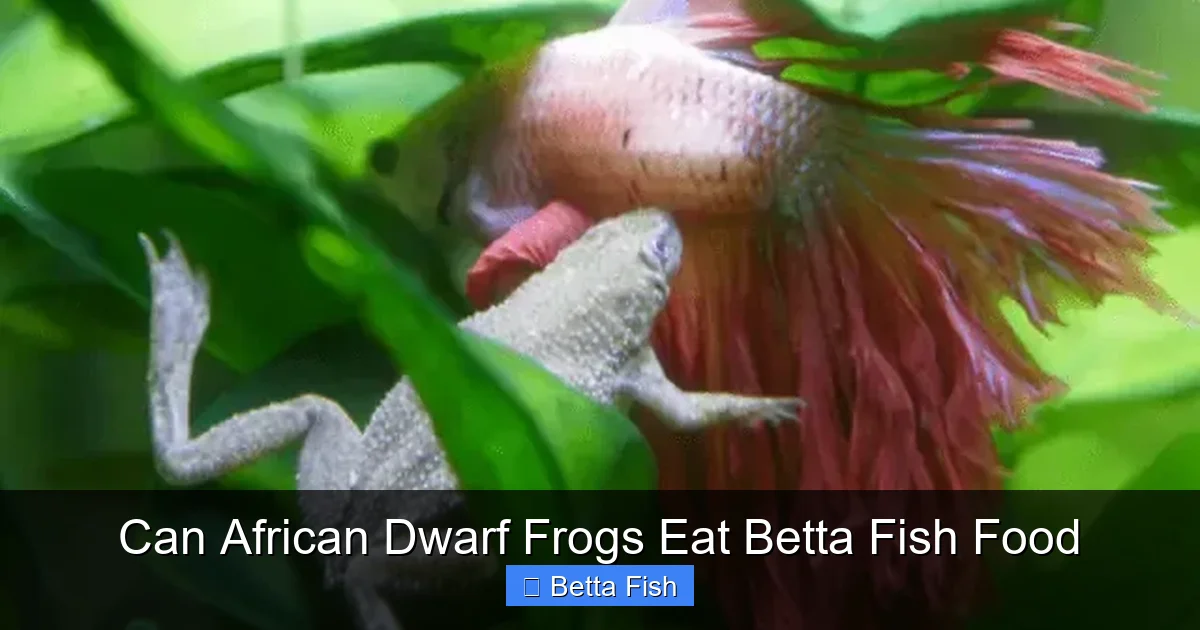
Can African Dwarf Frogs Eat Betta Fish Food
African dwarf frogs can nibble betta fish food, but it shouldn’t become their main diet. The tiny pellets provide some protein, yet frogs need a varied menu of live or frozen foods to thrive. Follow our feeding guide to keep your frogs healthy and your community tank balanced.
Key Takeaways
- Betta pellets are acceptable as occasional treats: they supply protein but lack essential nutrients for frogs.
- Live or frozen foods are essential: bloodworms, brine shrimp, and daphnia provide the vitamins and minerals frogs need.
- Watch pellet size: only use pellets that are small enough for a dwarf frog to swallow whole.
- Monitor water quality: excess fish food can cloud the water and harm both frogs and bettas.
- Separate feeding zones help reduce competition: place food where each species can eat without stress.
- Regular health checks are vital: look for signs of malnutrition, such as a thin body or lethargy.
- Research compatible tank mates: not all fish are safe with African dwarf frogs; see our guide on Can Aquatic Frogs Live With Betta Fish for details.
📑 Table of Contents
- Introduction: Why This Question Matters
- Understanding the Natural Diet of African Dwarf Frogs
- What’s Inside Betta Fish Food?
- Can African Dwarf Frogs Eat Betta Fish Food? The Short Answer
- Feeding Strategies: Combining Betta Pellets with Frog‑Friendly Foods
- Compatibility: Frogs, Bettas, and Other Tank Mates
- Signs of a Healthy vs. Unhealthy Dwarf Frog
- Conclusion: Balance Is the Key
Introduction: Why This Question Matters
When you set up a community tank, it’s natural to wonder if the food you already buy for one pet can double‑duty for another. Betta fish owners often stock up on colorful pellets, and many also keep African dwarf frogs (Hymenochirus spp.) because they share a love of warm, shallow water. The big question that pops up is: can African dwarf frogs eat betta fish food?
Answering this isn’t just about convenience; it’s about the long‑term health of both creatures. Over‑reliance on the wrong food can lead to malnutrition, poor growth, and even disease. In this article we’ll break down the nutritional profile of betta pellets, compare it with the dietary needs of dwarf frogs, and give you a step‑by‑step feeding plan that keeps everyone happy.
Understanding the Natural Diet of African Dwarf Frogs
What they eat in the wild
In their native African streams, dwarf frogs hunt tiny invertebrates that drift near the surface. Their menu includes mosquito larvae, tiny crustaceans, small worms, and occasional micro‑insects. These foods are high in protein, rich in essential fatty acids, and contain the vitamins (A, D, E) that support skin health and immune function.
Visual guide about Can African Dwarf Frogs Eat Betta Fish Food
Image source: japanesefightingfish.org
Key nutritional requirements
- Protein: 40–50% of their diet – fuels growth and egg production.
- Fat: 10–15% – provides energy and helps absorb fat‑soluble vitamins.
- Vitamins & minerals: especially calcium and vitamin D3 for strong bones and proper metabolism.
- Fiber: low but present, helps with digestion.
Why variety matters
Unlike bettas, which can thrive on a well‑formulated pellet diet, dwarf frogs need the movement and “wiggle” of live prey to stimulate their natural hunting instincts. Feeding only static pellets can lead to boredom, reduced appetite, and a weakened immune system.
What’s Inside Betta Fish Food?
Typical ingredients
Most betta pellets contain a blend of fish meal, shrimp meal, wheat gluten, and a vitamin/mineral premix. The protein level is usually 30–40%, which is decent but not as high as the 45%+ found in specialized frog foods.
Visual guide about Can African Dwarf Frogs Eat Betta Fish Food
Image source: efindanything.com
Pros of using betta pellets for frogs
- Convenient: already in the tank, no extra shopping.
- Palatable: many frogs will readily accept the soft, sinking pellets.
- Affordable: a single bag can feed both species for weeks.
Cons you need to know
- Missing nutrients: no live prey, limited calcium, and lower overall protein.
- Potential for over‑feeding: pellets dissolve slowly, clouding water.
- Size issues: some betta pellets are too large for a dwarf frog’s mouth.
Can African Dwarf Frogs Eat Betta Fish Food? The Short Answer
Yes, they can, but only as an occasional supplement—not as their primary source of nutrition. Think of betta pellets as a “snack” rather than a “meal.” If you feed them too often, you risk nutrient deficiencies and water‑quality problems.
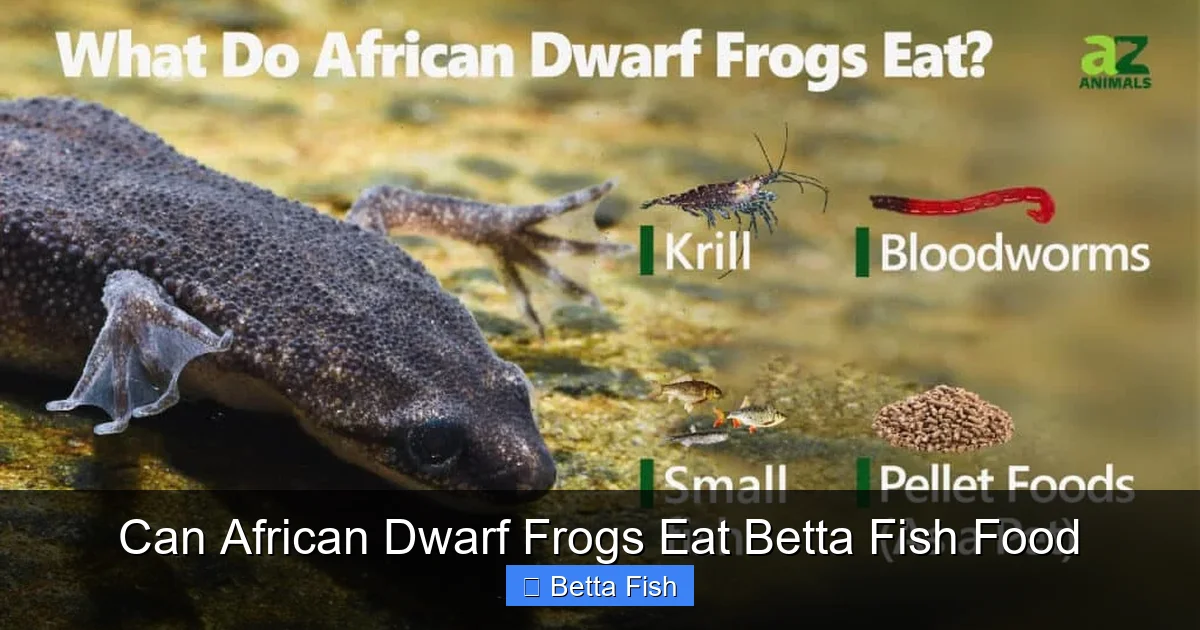
Visual guide about Can African Dwarf Frogs Eat Betta Fish Food
Image source: a-z-animals.com
When is it safe?
- When the pellets are small enough to be swallowed whole.
- When you also provide a daily portion of live or frozen foods.
- When you monitor the tank for excess food that sinks and decomposes.
When to avoid it
- If the pellets are large or hard‑cored – they can cause choking.
- If your tank already has a heavy feeding routine for bettas, adding more food will quickly degrade water.
- If you notice your frog losing weight or becoming lethargic – it’s a sign the diet isn’t meeting its needs.
Feeding Strategies: Combining Betta Pellets with Frog‑Friendly Foods
Step‑by‑step daily routine
- Morning: Offer a pinch of high‑quality frozen bloodworms or brine shrimp. Let the frog hunt for 5–10 minutes, then remove any leftovers.
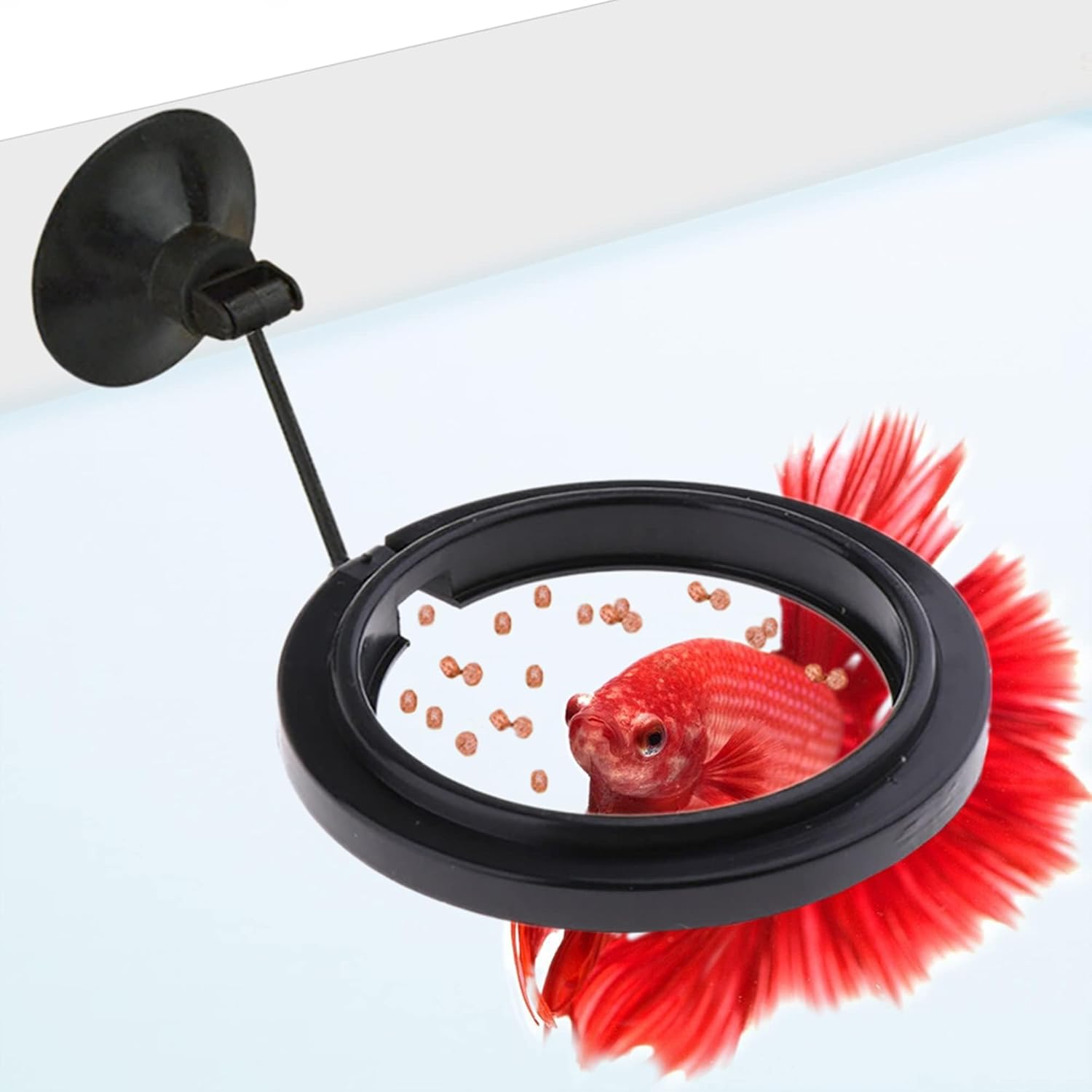
- Mid‑day: Sprinkle a few tiny betta pellets (no more than 2–3 per frog). Watch the frog eat; if it ignores them, skip this step.
- Evening: Provide a small amount of daphnia or microworms. These tiny creatures help clean the water while feeding the frog.
Choosing the right pellet size
Look for “mini” or “fry” betta pellets that are about the size of a grain of rice. If you only have regular pellets, crush them lightly and test a single piece in the frog’s mouth. If it fits without forcing, you’re good to go.
Supplementing with calcium
Since betta pellets lack adequate calcium, dust your live foods with a calcium powder (available at most pet stores). This simple step prevents metabolic bone disease, a common issue in captive frogs.
Water‑quality tips
- Use a gentle filter that won’t suck up small pellets.
- Perform partial water changes (25%) twice a week to remove uneaten food.
- Consider a UV sterilizer if you keep a heavily stocked community tank.
Compatibility: Frogs, Bettas, and Other Tank Mates
Will bettas bully the frogs?
Male bettas can be territorial, especially if they see the frog as a rival for surface space. However, African dwarf frogs are mostly bottom‑dwelling and non‑aggressive, so most bettas ignore them. Provide plenty of hiding spots (plants, caves) to reduce stress.
Other fish that get along
If you want a more diverse community, look into small, peaceful species like neon tetras, guppies, or rasboras. Just be sure they’re not fin‑nippers that could stress the frogs. For more ideas, read our article on What Other Fish Can Live With Betta Fish.
When to keep them separate
- If you have a particularly aggressive male betta.
- If water parameters differ (frogs prefer slightly softer water).
- If you notice the frog isn’t eating or appears stressed.
Signs of a Healthy vs. Unhealthy Dwarf Frog
Healthy indicators
- Active swimming near the surface.
- Smooth, moist skin without white patches.
- Steady appetite and normal weight gain.
Red flags
- Loss of appetite or refusal to eat pellets/live food.
- Swollen limbs, bloating, or abnormal shedding.
- Cloudy, discolored water despite regular changes.
What to do if you spot problems
First, adjust the diet—add more live foods and cut back on pellets. Next, test water parameters (ammonia, nitrite, nitrate, pH). If issues persist, consult a veterinarian who specializes in amphibians.
Conclusion: Balance Is the Key
In short, can African dwarf frogs eat betta fish food? Yes, they can, but only as a supplemental snack alongside a diet rich in live or frozen prey. By offering a varied menu, monitoring water quality, and providing separate feeding zones, you’ll keep both your frogs and bettas thriving.
Remember, the goal isn’t to simplify feeding at the expense of health. A little extra effort now means vibrant colors, lively behavior, and a longer, happier life for all your aquatic friends.
Frequently Asked Questions
Can I feed my dwarf frog only betta pellets?
No. Betta pellets lack essential calcium and the live‑prey stimulation frogs need. Use them only as occasional treats.
How often should I give betta pellets to my frog?
Limit pellets to 2–3 times per week and always pair them with a portion of live or frozen food.
Will betta fish eat the same live foods I give my frog?
Yes, many live foods like brine shrimp are suitable for both. Just watch the betta’s aggression and remove any uneaten prey quickly.
What size pellets are safe for dwarf frogs?
Choose “mini” or “fry” pellets about the size of a grain of rice. If in doubt, crush a pellet and test a single piece.
Can I keep African dwarf frogs with other community fish?
Yes, peaceful species such as neon tetras or guppies often coexist well. See our guide on What Other Fish Can Live With Betta Fish for more options.
How do I know if my tank’s water quality is suffering from excess food?
Cloudy water, a strong fishy smell, and rising nitrate levels are warning signs. Increase water changes and consider using a finer filter.