What Can I Feed to My Betta Fish
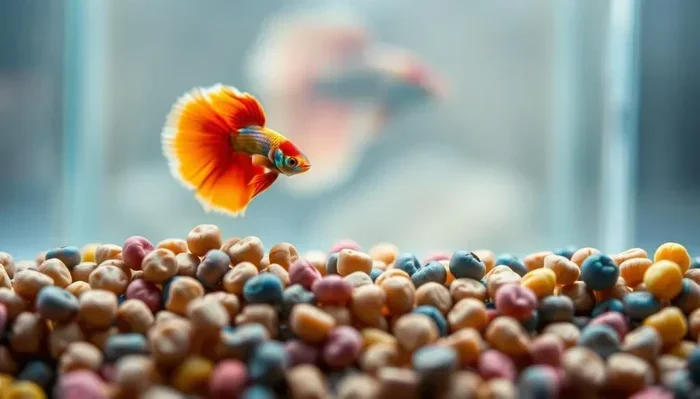
Knowing what can i feed to my betta fish is essential for keeping your colorful companion healthy and active. Bettas thrive on a protein-rich betta fish diet that includes pellets, frozen foods, and occasional live treats. This guide covers the best betta food options, feeding schedules, and common mistakes to avoid so your fish stays vibrant for years.
If you own a betta fish, you have probably stared at the food shelf and wondered, “What can I feed to my betta fish?” It is a great question. Bettas look beautiful, but they have specific dietary needs. Feeding them the wrong stuff can lead to health problems, a dull color, or even a shorter lifespan. The good news is that there are plenty of great options available. You just need to know what works best.
A betta fish diet should be rich in protein. In the wild, bettas eat insects, larvae, and small creatures. Your job is to recreate that diet as closely as possible at home. This guide will walk you through every option, from everyday pellets to special treats. By the end, you will feel confident about what to put in that tank.
Key Takeaways
- Variety is key: A mix of pellets, frozen, and live foods keeps bettas healthy and engaged.
- Protein matters: Bettas are carnivores and need a protein-rich betta fish diet to thrive.
- Feeding frequency counts: Small meals 1-2 times a day prevent overfeeding and water pollution.
- Avoid human food: Many common foods like bread and rice offer little nutritional value and can harm your fish.
- Supplement with treats: Occasional treats like brine shrimp and earthworms boost nutrition and enrichment.
- Watch for signs of overfeeding: Bloating, constipation, and cloudy water are red flags you should never ignore.
📑 Table of Contents
Understanding Your Betta Fish Diet
Bettas are carnivorous fish. That means they need meat-based protein to stay healthy. Unlike some tropical fish that eat mostly plant matter, bettas thrive on animal-based nutrients. A protein-rich betta fish diet supports their energy, color, and immune system.
In the wild, bettas live in warm, shallow waters in Southeast Asia. They hunt for insect larvae, small worms, and tiny crustaceans. Their digestive systems are built for a high-protein, low-carb diet. This is why you should be careful with foods that are heavy in fillers or grains.
Why Diet Matters for Betta Fish
Feeding your betta the right food does more than keep it alive. It affects everything from their bright fins to their playful behavior. A poor diet can lead to:
- Dull colors and faded fins
- Low energy and lethargy
- Digestive problems like bloating and constipation
- A weakened immune system that invites disease
- A shorter lifespan overall
On the flip side, a well-fed betta will display vibrant colors, a hearty appetite, and active swimming. The betta fish nutrition you provide directly shapes their quality of life.
How Often Should You Feed Your Betta?
Feeding frequency matters just as much as food type. Most experts recommend feeding your betta two small meals per day. Each meal should be about the size of their eye. This mimics their natural eating pattern and prevents overeating.
Some owners also practice one fasting day per week. This gives the digestive system a break and helps prevent constipation. Skipping one day of feeding is perfectly safe and actually beneficial for your betta.
Best Commercial Foods for Bettas
When you walk into a pet store, the sheer number of options can be overwhelming. Not all betta food options are created equal. Here are the best commercial choices you should consider.
Betta Pellets
Betta pellets are the staple of most fish diets. They are specifically formulated for bettas and contain the right balance of protein and nutrients. Look for pellets where the first ingredient is something like fish meal or shrimp meal. Avoid pellets that list corn or wheat as the main ingredient.
High-quality pellets sink slowly, which is perfect for bettas since they feed near the surface. Soak them for a few minutes before feeding to prevent constipation. A good pellet should make up about 70-80% of your betta’s daily diet.
Betta Flakes
Betta flakes are another option, but they are not ideal as the main food. They tend to lose their nutritional value quickly once the container is opened. They also dissolve fast in water, which can make a mess and pollute the tank. If you use flakes, choose a high-protein tropical variety and feed small amounts.
Some owners mix pellets and flakes for variety. This can work, but pellets should always be the foundation. If you want to know more about flakes and other foods, check out our guide on Can I Feed My Betta Tropical Fish Flakes.
Frozen and Freeze-Dried Foods
Frozen and freeze-dried foods are excellent betta fish treats and nutritional supplements. They are packed with protein and come in many varieties:
- Bloodworms – A favorite among bettas. They are high in iron and protein.
- Brine shrimp – Great for boosting energy and color.
- Daphnia – Excellent for digestion and makes a natural laxative.
- Mysis shrimp – Rich in protein and very palatable.
Always thaw frozen foods before feeding. For freeze-dried options, soak them in tank water first to prevent bloating. These should make up about 10-20% of the overall diet, not the main course.
Live Foods for Betta Fish
Live foods are the closest thing to what bettas eat in the wild. They provide excellent nutrition and stimulate natural hunting behavior. Many bettas get very excited when they see live food sinking toward the bottom of the tank.
Can You Feed Live Fish to Bettas?
Yes, you can feed your betta live fish, but there are important considerations. Small live fish like feeder guppies or minnows can be offered occasionally. However, live fish carry a risk of parasites and diseases. If you choose to go this route, only buy feeder fish from a reputable source and quarantine them first.
For more details on this topic, visit our page about Can I Feed My Betta Live Fish. It covers the risks and benefits in detail.
Other Live Food Options
Beyond small fish, there are many other live foods that bettas enjoy:
- Brine shrimp – Easy to culture at home and packed with nutrition.
- Blackworms – A protein powerhouse that bettas love.
- Mosquito larvae – A natural wild food source that is easy to collect.
- Wingless fruit flies – A clean and convenient live treat.
Live foods should be given as supplements or treats, not as the sole diet. They are rich in protein but may lack complete nutrition if used exclusively.
Human Foods Bettas Can Eat
You might be surprised to learn that some human foods are safe for bettas in small amounts. However, many common foods should be strictly avoided. Let us break this down.
Safe Human Foods
These human foods are generally safe as occasional treats:
- Cooked peas – Remove the skin and mash them. Peas help with digestion and can relieve constipation. For more details, see our article on Can I Feed My Betta Fish Peas.
- Cooked spinach – Rich in vitamins and easy to digest when softened.
- Boiled egg yolk – A tiny amount provides excellent protein and nutrients.
- Cooked shrimp – Plain and unseasoned, shrimp makes a wonderful treat.
Foods to Avoid
Some foods seem harmless but can actually harm your betta:
- Bread and bread crumbs – They expand in the stomach and cause bloating. Learn more in our guide on Can I Feed My Betta Fish Bread Crumbs.
- Rice – Offers almost no nutritional value and is hard to digest.
- Raw meat – Can introduce harmful bacteria into the tank.
- Processed or seasoned foods – Salt, oil, and spices are dangerous for fish.
Feeding Schedule and Best Practices
A consistent feeding schedule is one of the simplest ways to keep your betta healthy. Bettas do well with routine, and a regular schedule helps prevent both overfeeding and underfeeding.
Daily Feeding Routine
Here is a simple daily routine you can follow:
- Morning feeding: Offer a small amount of pellets or soaked food. Watch your betta eat it within two minutes.
- Evening feeding: Provide a second small meal. This can be pellets one day and frozen food the next for variety.
- Weekly fasting: Skip one feeding day each week. This gives the digestive system a rest and helps prevent bloating.
Signs of Overfeeding
Overfeeding is one of the most common mistakes new betta owners make. Watch for these warning signs:
- Food left uneaten after five minutes
- A bloated or distended belly
- Long strings of waste hanging from the fish
- Cloudy or foul-smelling water
- Your betta refusing food
If you notice any of these, reduce the portion size and skip the next feeding. Clean the tank to remove any uneaten food before it decays. Remember, uneaten food breaks down into ammonia, which is toxic to bettas.
Quick Tips for Perfect Feeding
- Always soak pellets before feeding to prevent stomach issues.
- Vary the diet to keep your betta interested and healthy.
- Use a small feeding dish or turkey baster to control portions.
- Remove any uneaten food within five minutes.
- Never feed your betta more than it can eat in two minutes.
- Keep a consistent feeding schedule every single day.
Common Feeding Mistakes to Avoid
Even experienced fish keepers make mistakes sometimes. Here are the most common errors when it comes to betta fish feeding:
Relying Only on One Food Type
Feeding only pellets or only flakes leads to nutritional gaps. Bettas need variety to get all the vitamins, minerals, and protein they require. Rotate between pellets, frozen foods, and occasional live treats for the best results.
Overfeeding
This deserves its own mention because it is so common. Bettas have small stomachs, roughly the size of their eye. A handful of pellets can be way too much. Feed small amounts and let your betta’s appetite guide you.
Ignoring Water Quality
Feeding is only half the equation. Uneaten food decays quickly and pollutes the water. Poor water quality leads to stress, illness, and a weakened immune system. Always pair a good diet with regular water changes and proper tank maintenance.
Skipping Fasting Days
Some owners feel guilty about not feeding every day. But fasting is natural and healthy for bettas. In the wild, food is not always available. Giving your betta one day off per week supports healthy digestion and can even extend their lifespan.
Expert Insights on Betta Nutrition
Veterinarians and experienced aquarists agree on a few key principles for betta fish nutrition:
- Protein should be the main ingredient in any food you choose. Look for 30-45% protein content on the label.
- Fat content should be moderate, around 5-10%. Too much fat leads to obesity.
- Fiber is important for digestion. Foods with added fiber help prevent constipation.
- Supplements can help but should not replace a balanced diet. Vitamins like spirulina and astaxanthin boost color and immunity.
Dr. Jessie Sanders, a certified aquatic veterinarian, recommends rotating between at least two or three food types to ensure complete betta fish nutrition. She also emphasizes that watching your fish during feeding time is one of the best ways to monitor their health. A betta that eagerly eats and finishes its food is usually a happy, healthy betta.
Conclusion
Figuring out what can i feed to my betta fish does not have to be complicated. The key is variety, balance, and consistency. A protein-rich betta fish diet built on quality pellets, supplemented with frozen and live foods, and occasionally rounded out with safe human treats will keep your betta thriving. Avoid the common pitfalls of overfeeding and monotony, and always pay attention to how your fish responds to different foods.
Your betta depends on you for everything it eats. Take the time to get the diet right, and you will be rewarded with a vibrant, active, and long-lived companion. Start with the tips in this guide, adjust based on your betta’s preferences, and enjoy the process of watching your fish flourish.
Frequently Asked Questions
Can I feed my betta fish every day?
Yes, you can feed your betta fish every day, but stick to two small meals daily. Overfeeding is more dangerous than underfeeding, so keep portions small and watch your betta’s appetite.
What is the best food for betta fish?
The best food is a high-quality betta pellet with 30-45% protein as the main ingredient. Supplement with frozen foods like bloodworms and brine shrimp for variety and extra nutrition.
Can betta fish eat rice?
Bettas can eat a tiny amount of cooked rice, but it offers little nutritional value. Rice is mostly empty carbs and can cause digestive issues. It is better to stick to protein-rich foods that bettas are designed to eat.
How long can a betta fish go without food?
A healthy adult betta can go 3 to 7 days without food without any problems. In fact, one fasting day per week is recommended for digestive health. Do not skip feedings for longer than a week without consulting a vet.
Can I feed my betta fish goldfish flakes?
It is not recommended. Goldfish flakes are formulated for a different species and do not meet the high-protein needs of bettas. They often contain too many fillers and not enough animal-based protein. Always choose food made specifically for bettas.
Are bloodworms good for betta fish?
Yes, bloodworms are an excellent treat for bettas. They are rich in protein and iron and most bettas love them. However, they should be used as a supplement, not a staple, since they lack complete nutrition on their own.