Are Fish Pedicures Better

Fish pedicures have become a viral spa craze, but are they really better than regular foot care? This article breaks down the benefits, risks, and practical tips so you can decide if dipping your toes in a tank of tiny fish is worth it. Read on for a friendly, fact‑filled look at this unique treatment.
Key Takeaways
- Natural exfoliation: Garra rufa fish gently nibble dead skin, offering a chemical‑free alternative.
- Health safety: Proper sanitation is crucial; unregulated salons can spread infections.
- Cost comparison: Fish pedicures often cost more than standard manicures due to maintenance.
- Ethical concerns: The welfare of the fish is a key factor in evaluating the treatment.
- Regulation varies: Some regions ban fish pedicures, while others have strict health codes.
- Alternative options: DIY foot scrubs and professional pedicure tools can mimic results safely.
- Long‑term effects: Benefits are short‑term; regular foot care routines remain essential.
📑 Table of Contents
Introduction: The Splash of a New Spa Trend
Imagine sitting in a shallow pool while tiny fish glide over your heels, gently nibbling away rough skin. That’s the promise of a fish pedicure, also known as a “garratox” or “fish spa.” The idea sounds playful and exotic, and it has floated from Asian markets to luxury resorts worldwide.
But as the buzz grows, the question on many minds is simple: are fish pedicures better than the traditional polish‑and‑file routine? To answer that, we’ll look at the science behind the fish’s nibbling, the health and safety record, the cost factor, and the ethical side of keeping live creatures in a beauty salon.
How Fish Pedicures Work
The Biology of Garra Rufa
The star of the show is the Garra rufa, a small freshwater fish native to the Middle East. These fish have tiny, suction‑cup mouths that feed on dead skin cells and algae. In the wild, they graze on riverbeds, cleaning themselves as they go.

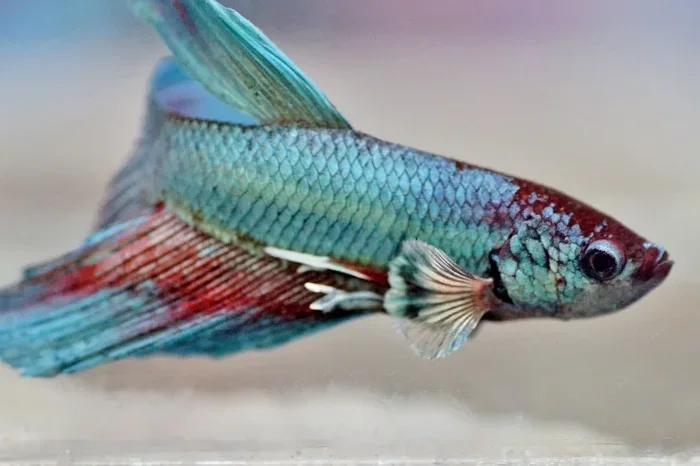
Visual guide about Are Fish Pedicures Better
Image source: publicdomainpictures.net
When placed in a controlled tank, the fish instinctively target the keratinized layer on human feet. They do not bite, and they do not consume living tissue. This natural behavior is why many people feel the sensation is gentle and soothing.
The Spa Setup
A typical fish pedicure station includes a shallow, temperature‑controlled tank (usually around 30‑33°C or 86‑91°F). The water is filtered, and the fish are kept in groups to reduce stress. Clients soak their feet for about 15‑20 minutes while the fish do the work.
Most salons advertise the treatment as a “chemical‑free exfoliation” and often pair it with a foot massage or moisturizing lotion after the session.
Are Fish Pedicures Better for Your Skin?
Exfoliation Power
Traditional pedicures rely on manual tools—files, scrubs, and pumice stones—to remove dead skin. Fish pedicures offer a biological alternative that can be gentler on sensitive skin. Because the fish nibble only the outer layer, the risk of over‑scrubbing is low.
Visual guide about Are Fish Pedicures Better
Image source: publicdomainpictures.net
However, the amount of skin removed varies. Some users report a smooth feel after a single session, while others need multiple visits for noticeable results. The effectiveness is comparable to a mild foot scrub, not a deep chemical peel.
Moisture Retention
After the fish have finished, many spas apply a light moisturizer. The warm water helps open pores, allowing creams to penetrate better. This step can enhance skin hydration, but it’s not exclusive to fish pedicures—any warm foot soak followed by lotion can achieve the same benefit.
Safety and Hygiene Concerns
One of the biggest questions is whether the fish environment stays clean enough for repeated use. If the water isn’t filtered and changed regularly, bacteria can build up, potentially causing infections like staphylococcus or fungal growth.
In several countries, health authorities have issued warnings or outright bans on fish pedicures due to these risks. For example, the United States Food and Drug Administration (FDA) has classified the practice as a “potential health hazard” when proper sanitation is not maintained.
Cost and Convenience: Are They Worth the Price?
Price Comparison
Typical fish pedicures cost between $30 and $70 per session, depending on location and salon reputation. A standard salon pedicure usually ranges from $20 to $45. While the price gap isn’t huge, the added cost often reflects the maintenance of the fish tank, water treatment, and the novelty factor.
Time Commitment
A fish pedicure lasts about 20 minutes, similar to a regular foot soak. However, you may need to schedule extra time for pre‑treatment sanitization and post‑treatment care, especially if the salon requires a brief waiting period between clients.
Availability
Fish pedicures are still a niche service, primarily found in larger cities or tourist hotspots. If you live outside these areas, you might have to travel or settle for a traditional pedicure.
Ethical and Environmental Considerations
Welfare of the Fish
Keeping Garra rufa in a spa environment raises animal‑rights questions. The fish are often harvested from the wild, and their natural habitat is disrupted. In captivity, they may experience stress from constant handling, temperature fluctuations, and overcrowding.
Some reputable spas source fish from certified breeders who maintain proper water quality and provide adequate space. If you care about animal welfare, ask the salon about their sourcing and care practices before booking.
Regulatory Landscape
Countries like Australia, Canada, and several EU nations have banned fish pedicures, citing health and animal‑welfare concerns. In the United States, regulations vary by state and even by city. Always check local health department guidelines before trying a fish spa.
Alternatives to Fish Pedicures
DIY Exfoliation at Home
If you like the idea of a gentle, natural scrub but want to avoid the risks, try a homemade foot soak. Mix warm water with a cup of Epsom salts, a few drops of tea tree oil, and a handful of coarse sea salt. Soak for 15 minutes, then use a pumice stone or a foot file.
Professional Pedicure Tools
Many salons now offer “microdermabrasion” foot treatments that use tiny crystal tips to exfoliate. These tools provide a controlled, sterile environment and can achieve similar smoothness without live animals.
Considerations for Betta Owners
While you’re reading about fish, you might wonder if a Betta fish could ever be used for a similar purpose. The short answer is no—Betta fish are not suited for pedicures and need very different care. If you’re curious about Betta fish behavior, check out are Betta fish nocturnal or learn what are Betta fish.
Conclusion: Weighing the Pros and Cons
So, are fish pedicures better than traditional foot care? The answer depends on what you value most. If you enjoy a novel, gentle exfoliation and are willing to pay a premium for the experience, a reputable fish spa can be a fun treat. However, the potential health risks, ethical concerns, and higher cost mean they are not a clear‑cut upgrade over conventional pedicures.
For most people, a regular foot soak, proper exfoliation tools, and a good moisturizer will provide safe, effective results without the need for live fish. If you do decide to try a fish pedicure, choose a salon with transparent sanitation practices, ask about the fish’s source, and follow post‑treatment care instructions.
In the end, the choice is yours—just make sure it’s an informed one.
Frequently Asked Questions
Do fish pedicures actually remove dead skin?
Yes, Garra rufa fish nibble away the outer layer of dead skin, offering a gentle exfoliation similar to a mild foot scrub.
Are fish pedicures safe for everyone?
They can be safe if the salon follows strict hygiene protocols, but people with open wounds, diabetes, or compromised immune systems should avoid them.
How often can you get a fish pedicure?
Most experts recommend spacing sessions at least two weeks apart to prevent skin irritation and allow the fish to rest.
Is it legal to get a fish pedicure in the United States?
Legality varies by state and city; some places have bans, while others allow it with health‑department oversight.
Can I use a fish pedicure at home?
Home kits exist, but maintaining proper water quality and fish health is challenging, so professional salons are usually safer.
Do fish pedicures have any long‑term benefits?
The benefits are short‑term exfoliation and relaxation. Ongoing foot health still requires regular care and moisturization.