What Can I Give My Betta Fish
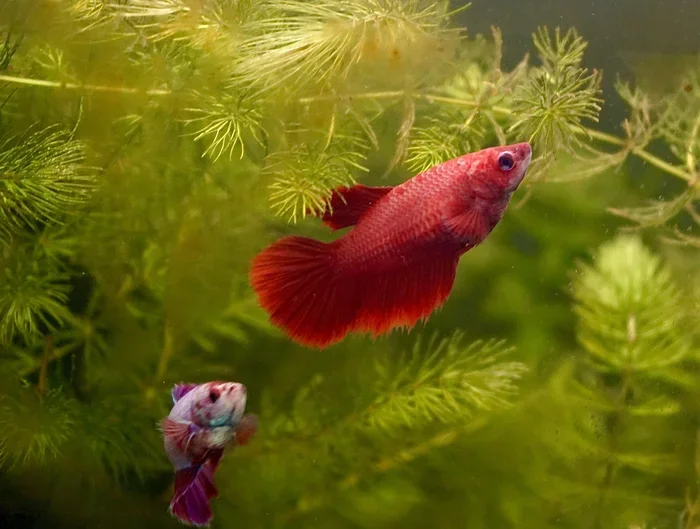
What can i give my betta fish? The answer includes high-quality pellets, frozen bloodworms, brine shrimp, and even certain vegetables. Betta fish diet matters more than most owners realize. This guide covers every safe food option, feeding schedule, and common mistakes to avoid so your betta stays vibrant and healthy.
Every betta fish owner wants to give their colorful companion the best life possible. What can i give my betta fish goes far beyond just dropping pellets into the tank. The truth is, betta fish diet plays a huge role in their energy, color, and lifespan. A well-fed betta will display bright fins, active swimming, and a curious personality. A poorly fed betta, on the other hand, may become dull, sluggish, and prone to illness.
Many beginners assume bettas eat just anything. That is a common misconception. Bettas are carnivorous fish with specific nutritional needs. They need protein-rich foods that mimic what they would eat in the wild. Feeding betta fish the wrong things can lead to bloating, constipation, and even life-threatening conditions. This guide breaks down every safe and healthy food option so you can feed your betta fish with confidence.
If you have ever wondered whether betta fish treats or human food is okay, you are in the right place. We will cover pellets, flakes, frozen foods, live foods, vegetables, and everything in between. By the end of this article, you will know exactly how to keep your betta well-nourished and thriving.
Key Takeaways
- Variety is key: A mix of pellets, frozen foods, and occasional veggies keeps your betta healthy and happy.
- Avoid overfeeding: Bettas only need small amounts twice a day. Overfeeding leads to serious health problems.
- Not all human food is safe: Some vegetables and fruits are fine, but many others can harm your fish.
- Quality matters: Choose betta-specific pellets with high protein content for the best nutrition.
- Live and frozen foods are excellent treats: Bloodworms, brine shrimp, and daphnia boost your betta’s diet naturally.
- Feeding schedule matters: Consistent feeding times help regulate digestion and reduce waste in the tank.
📑 Table of Contents
Understanding Your Betta Fish Diet
Before diving into specific foods, it helps to understand what your betta fish actually needs. Bettas in the wild eat insects, larvae, and small crustaceans. Their digestive systems are designed for a high-protein betta fish diet. Unlike herbivorous fish, bettas struggle to process plant-based foods efficiently.
Here are the three macronutrients your betta needs:
- Protein: The most important nutrient. Bettas need at least 30-40% protein in their diet.
- Fat: A moderate amount of fat provides energy and supports fin health.
- Fiber: Small amounts help with digestion and prevent constipation.
When you feed my betta fish, always look for foods that list fish meal, shrimp, or insect protein as the first ingredient. Avoid foods heavy in fillers like corn or wheat. These offer little nutritional value and can cause digestive issues.
How Often Should You Feed Your Betta?
A betta fish feeding schedule matters just as much as the food itself. Most experts recommend feeding your betta twice a day. Offer only what your fish can eat in two to three minutes. Overfeeding is one of the biggest mistakes new betta owners make. Excess food sinks to the bottom, decays, and pollutes the water.
Some experienced keepers also practice fasting one day per week. This gives the digestive system a break and helps prevent bloating. Fasting once a week is simple and highly effective for betta fish care.
Best Commercial Foods for Betta Fish
Commercial foods are the foundation of any betta fish nutrition plan. They are convenient, formulated for bettas, and widely available. But not all commercial foods are created equal. Here are the best options to consider.
Betta Pellets
Betta fish pellets are the gold standard for daily feeding. High-quality pellets float on the surface, which is perfect because bettas are labyrinth fish that breathe air and feed at the top. Look for pellets with a protein content of 35% or higher. Brands like Hikari Betta Bio-Gold and Fluval Bug Bites are excellent choices.
When choosing pellets for betta fish, avoid those with artificial colors and fillers. The pellets should sink slowly, giving your fish time to eat. If your betta ignores pellets, try soaking them first to release the scent and attract attention.
Betta Flakes
Flakes are another popular option, but they are not ideal for bettas. Flakes tend to dissolve quickly and can cloud the water. They also lack the protein density that bettas need. If you must use flakes, choose a betta-specific flake food and remove uneaten flakes within a few minutes.
That said, some betta fish flakes are better than others. Look for brands that list whole fish or fish meal as the primary ingredient. Flakes should never be the sole food source. Use them as a supplement alongside pellets or frozen foods.
Frozen and Freeze-Dried Foods
Frozen and freeze-dried foods are excellent betta fish treats. They add variety and boost protein intake. These foods also mimic the live prey bettas would eat in nature, which encourages natural hunting behavior.
Bloodworms
Frozen bloodworms are a favorite among betta owners. They are rich in protein and highly palatable. You can feed bloodworms once or twice a week as a treat. Always thaw frozen bloodworms before adding them to the tank. Feed only a small pinch at a time to avoid overfeeding.
Freeze-dried bloodworms are also convenient and have a long shelf life. However, they lack the moisture content of frozen varieties. Soak freeze-dried worms in tank water for a few minutes before feeding. This prevents digestive issues caused by expansion in the stomach.
Brine Shrimp
Brine shrimp are another fantastic food for bettas. They are packed with protein and are easy to digest. Both frozen and freeze-dried brine shrimp work well. Live brine shrimp are the best option if you can source them, but frozen is a close second.
Brine shrimp make a great training food too. Many betta owners use them to encourage their fish to eat from their fingers. This is a fun way to train my betta fish and build trust.
Daphnia
Daphnia, also known as water fleas, are a natural food source for bettas. They are rich in fiber and help with digestion. Many experienced fish keepers use daphnia as a mild laxative for constipated bettas. You can find frozen daphnia at most pet stores. Feed daphnia sparingly since they are not a complete meal on their own.
Can You Give Your Betta Human Food?
Some human foods are safe for bettas in small amounts. Others are dangerous. Understanding the difference is essential for responsible betta fish care.
Safe Human Foods for Bettas
Here are some human foods your betta can enjoy occasionally:
- Boiled peas: Remove the shell and mash a single pea. Peas provide fiber and help with digestion.
- Spinach: Blanch a small leaf and offer a tiny piece. Spinach is rich in vitamins and minerals.
- Corn: A single kernel of cooked corn, cut in half, is safe as an occasional treat.
- Egg yolk: A tiny piece of hard-boiled egg yolk offers protein and nutrients. Use sparingly to avoid water cloudiness.
Always remove uneaten human food within a few minutes. It decomposes quickly and can spike ammonia levels in the tank. Clean water is just as important as the food itself for keeping your betta healthy.
Unsafe Human Foods for Bettas
Avoid feeding your betta these common foods:
- Bread and crackers: These contain fillers and yeast that bettas cannot digest.
- Chocolate: Contains caffeine and sugar, both harmful to fish.
- Citrus fruits: The acid can disrupt the pH balance of your tank water.
- Raw meat: Bettas need specific animal proteins. Raw meat from the grocery store may contain bacteria and parasites.
When in doubt, stick to foods specifically made for bettas. The risk of feeding random human foods is not worth it. Your betta’s health depends on a proper betta fish diet.
Live Foods for Betta Fish
Live foods are the closest thing to what bettas eat in the wild. They provide excellent nutrition and stimulate natural behavior. Many bettas refuse to eat anything else when offered live food.
Live Mosquito Larvae
In the wild, bettas hunt mosquito larvae near the water’s surface. You can culture mosquito larvae at home or purchase them from reputable suppliers. They are an outstanding source of protein and are completely natural for bettas.
Live Blackworms
Blackworms are another excellent live food option. They are easy to keep in a small container and provide continuous nutrition. Bettas love hunting blackworms, and they are packed with protein. Use blackworms as a treat rather than a staple, since they are high in fat.
If you are interested in live foods, you might also wonder about adding other creatures to your tank. Check out what fish can I put with my betta to learn about compatible tank mates. Also, if you are curious about snails, read can I put snails in with my betta fish for helpful guidance.
Common Feeding Mistakes to Avoid
Even experienced betta owners make feeding mistakes. Here are the most common ones and how to fix them.
Overfeeding
This is the number one mistake. Bettas have tiny stomachs, roughly the size of their eye. Feeding too much causes bloating, constipation, and poor water quality. Always err on the side of less. A full stomach is not a happy stomach for a betta fish.
Feeding the Wrong Foods
Many generic tropical fish foods are not suitable for bettas. They lack the protein levels bettas need. Never feed your betta goldfish food or tropical flakes designed for community tanks. If you have been wondering can I give my betta fish goldfish food, the answer is no. Goldfish food is too low in protein and can harm your betta over time.
Ignoring Feeding Schedules
Irregular feeding times stress your betta and disrupt their metabolism. Try to feed at the same times each day. Morning and evening feedings work well for most owners. Consistency is a simple but powerful tool for betta fish health.
Skipping Variety
Feeding the same food every day leads to nutritional gaps. Rotate between pellets, frozen foods, and occasional treats. A varied diet for betta fish supports immune function, vibrant coloration, and long life.
Quick Tips for Perfect Betta Feeding
Here are some fast tips to keep in mind every time you feed your betta:
- Soak dry foods before feeding to prevent stomach expansion.
- Use a small container or turkey baster to place food precisely.
- Watch your betta eat and remove any uneaten food after two minutes.
- Rotate food types weekly to provide nutritional variety.
- Fast one day per week to support healthy digestion.
- Store food properly in a cool, dry place to maintain freshness.
- Check expiration dates on all commercial foods before feeding.
Following these simple tips will transform your feeding routine. Your betta will look healthier, swim more actively, and show brighter colors within weeks. Proper nutrition is one of the easiest ways to ensure your betta lives a long, happy life.
Conclusion
What can i give my betta fish has a wide and exciting answer. From high-quality pellets to frozen bloodworms, brine shrimp, and even the occasional boiled pea, there are plenty of options to keep your betta thriving. The key is variety, moderation, and consistency. Avoid overfeeding, skip unsafe human foods, and always prioritize protein-rich options designed for bettas.
Remember that betta fish diet directly impacts every aspect of your fish’s well-being. Color, energy, digestion, and lifespan all trace back to what you feed them. Take the time to learn your betta’s preferences and adjust accordingly. A well-fed betta is a happy betta, and that brings joy to any aquarium owner.
Start making small improvements to your feeding routine today. Your betta fish will thank you with vibrant colors and lively behavior for years to come.
Frequently Asked Questions
What is the best food for betta fish?
High-quality betta pellets are the best staple food. Look for pellets with at least 35% protein and minimal fillers. Brands like Hikari and Fluval make excellent options. Pair pellets with frozen or freeze-dried treats for a balanced betta fish diet.
Can betta fish eat regular fish flakes?
Bettas can eat flakes, but they are not ideal. Flakes dissolve quickly and lack the protein density bettas need. If you use flakes, choose a betta-specific flake food and remove uneaten flakes promptly. Pellets are a much better daily option.
How often should I feed my betta fish?
Feed your betta twice a day, offering only what they can eat in two to three minutes. Many keepers also fast their betta one day per week. A consistent betta fish feeding schedule prevents overfeeding and supports healthy digestion.
Can betta fish eat vegetables?
Yes, some vegetables are safe in small amounts. Boiled peas, blanched spinach, and a single kernel of cooked corn are all fine as occasional treats. Always remove uneaten vegetables within a few minutes to keep the tank water clean.
Can betta fish eat bloodworms?
Absolutely. Frozen bloodworms are one of the best treats for bettas. They are rich in protein and highly palatable. Feed bloodworms once or twice a week as a supplement to their regular diet, not as a replacement for pellets.
What human foods are safe for betta fish?
Boiled peas, blanched spinach, cooked corn, and a tiny piece of hard-boiled egg yolk are all safe. Avoid bread, chocolate, citrus fruits, and raw meat. When offering human food, always give small amounts and remove uneaten portions quickly.