What Better for Frying Fish Canola or Peanut Oil
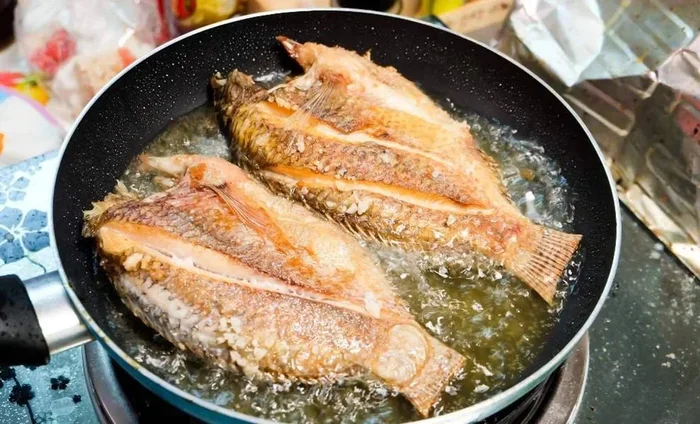
Canola oil and peanut oil are both excellent choices for frying fish, but each has unique advantages. Canola oil is lighter, more affordable, and higher in omega-3s, making it a heart-healthy option. Peanut oil offers a higher smoke point and a slightly nuttier flavor that many chefs prefer for restaurant-quality results. The best choice depends on your cooking method, flavor preferences, and health goals.
Frying fish at home can feel intimidating. There are so many oils to choose from, and each one promises different results. If you have ever stood in the kitchen holding a bottle of canola oil in one hand and a jug of peanut oil in the other, you know the struggle. Which one actually makes the better fried fish?
The answer is not as simple as picking one winner. Both oils have strengths. Both work well for different reasons. Canola oil for frying fish is a popular choice for home cooks who want a light, healthy option. Peanut oil for frying fish is the go-to for many professional kitchens that want a crispy, golden finish.
In this guide, we break down everything you need to know. We compare smoke points, health benefits, flavor differences, and cooking results. By the end, you will know exactly which oil to reach for the next time you fry fish. Let us dive in.
Key Takeaways
- Smoke Point Matters: Peanut oil has a higher smoke point, making it ideal for deep frying at high temperatures.
- Health Benefits: Canola oil is richer in omega-3 fatty acids and lower in saturated fat, offering better heart health support.
- Flavor Profile: Peanut oil adds a subtle nutty taste, while canola oil remains neutral and lets the fish flavor shine.
- Cost and Availability: Canola oil is generally cheaper and easier to find in most grocery stores.
- Reusability: Peanut oil can be strained and reused more times than canola oil without breaking down.
- Best for Different Methods: Use peanut oil for deep frying and canola oil for pan frying or lighter cooking.
📑 Table of Contents
- Understanding Frying Oils: Why the Choice Matters
- Canola Oil for Frying Fish: Pros and Cons
- Peanut Oil for Frying Fish: Pros and Cons
- Head-to-Head Comparison: Canola vs Peanut Oil
- Health Considerations: Which Oil Is Better for You?
- Best Practices for Frying Fish with Either Oil
- Which Oil Should You Choose?
- Conclusion
Understanding Frying Oils: Why the Choice Matters
Not all cooking oils are created equal. When you heat oil to fry fish, it undergoes chemical changes. The wrong oil can ruin the taste, texture, and even the nutritional value of your meal. Choosing the right oil for frying fish affects everything from crispiness to health outcomes.
The two most important factors are the smoke point and the fat composition. The smoke point is the temperature at which oil starts to break down and produce smoke. Beyond that point, the oil releases harmful compounds and develops a burnt, bitter taste. For frying fish, you want an oil that stays stable at high heat without smoking or degrading.
What Happens When Oil Overheats
When oil exceeds its smoke point, it starts to break down into free radicals and acrolein. These compounds taste bad and can be harmful to your health. Fried food cooked in overheated oil often tastes greasy and smells harsh. This is why selecting an oil with a high enough smoke point is so critical.
Canola oil has a smoke point of around 400°F (204°C). Peanut oil can handle temperatures up to 450°F (232°C). This difference matters a lot if you are deep frying. Deep fryers often run between 350°F and 375°F, but some setups go higher. Peanut oil gives you a bigger safety margin.
For pan frying, the temperatures are usually lower, around 325°F to 375°F. In that range, both oils perform well. Canola oil for pan frying fish works beautifully because it heats evenly and does not overpower the delicate flavor of the fish.
Canola Oil for Frying Fish: Pros and Cons
Canola oil is one of the most widely used cooking oils in the world. It comes from the rapeseed plant and is known for its light texture and neutral flavor. Many home cooks reach for canola oil first because it is affordable and versatile.
Benefits of Using Canola Oil
Canola oil has several strong advantages when it comes to frying fish. Here are the key benefits:
- High in omega-3 fatty acids: Canola oil contains alpha-linolenic acid (ALA), a type of omega-3 that supports heart health. Few other frying oils can make this claim.
- Low in saturated fat: It has one of the lowest levels of saturated fat among common cooking oils, making it a heart-friendly choice.
- Neutral flavor: Canola oil does not add any strong taste to your food. The natural flavor of the fish stays front and center.
- Affordable and accessible: You can find canola oil at almost any grocery store, and it is usually one of the cheapest options on the shelf.
- Light texture: Food fried in canola oil tends to feel lighter and less greasy on the palate.
Drawbacks of Canola Oil
Canola oil is not perfect. It does have some limitations that are worth considering:
- Lower smoke point than peanut oil: At 400°F, it has less of a buffer before smoking. This matters if you like frying at very high temperatures.
- Less stable for repeated use: Canola oil breaks down faster when reused multiple times. It may not last as many frying sessions as peanut oil.
- Processing concerns: Most canola oil on the market is highly refined. Some health-conscious cooks prefer less processed alternatives.
Despite these drawbacks, canola oil remains a solid choice for most home frying needs. It produces crispy, delicious fish without adding unwanted flavors or excessive grease.
Peanut Oil for Frying Fish: Pros and Cons
Peanut oil, also called groundnut oil, is a staple in many commercial kitchens. Restaurants that specialize in fried foods, including fish and chips shops, often use peanut oil. It has a reputation for producing incredibly crispy results with a subtle, pleasant flavor.
If you want to learn more about the best oils for frying fish, check out our guide on which oil is better for frying fish for more detailed comparisons.
Benefits of Using Peanut Oil
Peanut oil brings a lot to the table when you are frying fish. Here are the standout advantages:
- High smoke point: At 450°F, peanut oil handles high heat beautifully. It stays stable and does not break down quickly, even during deep frying.
- Great crispiness: Many chefs swear by peanut oil for achieving an extra-crispy exterior on fried fish. The texture it produces is hard to match.
- Reusability: Peanut oil can be strained and reused several times. This makes it more cost-effective over the long run, even though the upfront cost is higher.
- Subtle nutty flavor: The mild, slightly nutty taste adds a pleasant dimension to fried fish without overwhelming the natural flavor.
- Rich in monounsaturated fats: Peanut oil contains healthy monounsaturated fats, which are good for heart health when used in moderation.
Drawbacks of Peanut Oil
Peanut oil is not without its downsides. Here are some things to keep in mind:
- Allergy risk: Peanut oil can be dangerous for people with peanut allergies. Even highly refined peanut oil may cause reactions in sensitive individuals.
- Higher cost: Peanut oil is more expensive than canola oil, especially if you go through a lot of it for frequent frying.
- Stronger flavor: While the nutty taste is mild, it is still present. Some people prefer a completely neutral oil that does not alter the fish flavor at all.
- Less omega-3 content: Peanut oil does not provide the same omega-3 benefits that canola oil offers.
Despite these concerns, peanut oil is a favorite among many home cooks and professionals alike. The crispy results speak for themselves.
Head-to-Head Comparison: Canola vs Peanut Oil
Let us put the two oils side by side. This comparison table covers the most important factors to consider when choosing between canola and peanut oil for frying fish.
| Factor | Canola Oil | Peanut Oil |
|---|---|---|
| Smoke Point | 400°F (204°C) | 450°F (232°C) |
| Flavor | Neutral, no added taste | Mild, slightly nutty |
| Omega-3 Content | High (good source) | Low |
| Saturated Fat | Low | Moderate |
| Monounsaturated Fat | Moderate | High |
| Cost | Low | Moderate to high |
| Reusability | 2-3 uses | 4-6 uses |
| Allergy Concerns | Minimal | Peanut allergy risk |
| Best For | Pan frying, light frying | Deep frying, high-heat cooking |
As you can see, neither oil is clearly better in every category. Canola oil wins on health benefits and cost. Peanut oil wins on smoke point, reusability, and crispiness. Your best choice depends on what matters most to you.
If you are interested in the broader debate of oils for fish and chips, our article on what is better for fish and chips: cod or haddock explores the fish side of the equation in more detail.
Health Considerations: Which Oil Is Better for You?
Health is a major factor when choosing any cooking oil. Frying is already a cooking method that adds extra fat and calories, so choosing a healthier oil can make a meaningful difference.
Canola Oil and Heart Health
Canola oil is often recommended by nutritionists for its heart-healthy profile. It contains a good balance of omega-3 and omega-6 fatty acids. The omega-3 content is particularly noteworthy. Most people do not get enough omega-3s in their diet, and using canola oil for cooking is an easy way to boost intake.
Canola oil is also low in saturated fat and contains no trans fats when used properly. These qualities make it one of the better choices for people watching their cholesterol levels or managing heart disease risk.
Peanut Oil and Heart Health
Peanut oil is rich in monounsaturated fats, which are the same heart-healthy fats found in olive oil. Studies have shown that monounsaturated fats can help reduce bad cholesterol (LDL) and increase good cholesterol (HDL).
However, peanut oil also contains more saturated fat than canola oil. In moderation, this is not a major concern. But if you fry fish frequently, the saturated fat intake can add up over time.
Which Oil Has Fewer Calories?
Both oils contain roughly the same number of calories per tablespoon, around 120 calories. The difference lies in the type of fats they provide. Canola oil offers more polyunsaturated fats, while peanut oil provides more monounsaturated fats. Both are considered healthy dietary fats when consumed in appropriate amounts.
If you are comparing oils for broader health benefits, you might also want to look at fish oil versus krill oil for supplement-based omega-3 options.
Best Practices for Frying Fish with Either Oil
No matter which oil you choose, how you use it matters just as much as which oil you pick. Proper technique makes a huge difference in the final result.
Temperature Control
Always use a thermometer to monitor oil temperature. The ideal range for frying fish is between 350°F and 375°F. If the oil is too cool, the fish will absorb too much grease and feel heavy. If the oil is too hot, the outside will burn before the inside cooks through.
With canola oil, keep a closer eye on the temperature since its lower smoke point leaves less room for error. With peanut oil, you have more flexibility, but staying in the 350°F to 375°F range still produces the best results.
Do Not Overcrowd the Pan
Adding too much fish at once drops the oil temperature dramatically. This leads to uneven cooking and soggy, greasy fish. Fry in small batches to maintain a consistent oil temperature throughout the cooking process.
Drain and Season Immediately
Once the fish is golden and crispy, remove it from the oil and place it on a wire rack or paper towel-lined plate. Season with salt and any other spices right away while the oil is still hot. This helps the seasoning stick and enhances the overall flavor.
Store and Reuse Oil Properly
If you want to reuse your frying oil, let it cool completely before straining out any food particles. Store the oil in a clean, airtight container in a cool, dark place. Peanut oil can typically be reused 4 to 6 times. Canola oil is best limited to 2 or 3 uses before it starts to degrade in quality.
For more tips on frying techniques and oil selection, visit our haddock vs halibut for fish and chips article, which covers the best fish choices for frying as well.
Which Oil Should You Choose?
The right oil depends on your priorities. Here is a simple guide to help you decide.
Choose canola oil if: You want a healthier option with more omega-3s, you are on a budget, you prefer a completely neutral flavor, or you are pan frying at moderate temperatures. Canola oil is also the better choice if you or someone in your household has a peanut allergy.
Choose peanut oil if: You want the crispiest possible texture, you are deep frying at high temperatures, you plan to reuse the oil multiple times, or you enjoy a subtle nutty flavor in your fried fish. Peanut oil is also ideal if you fry fish regularly and want an oil that lasts longer.
Some cooks even use a blend of both oils. Mixing canola and peanut oil gives you a balance of health benefits, flavor, and high heat stability. Experiment and find what works best for your kitchen and your taste preferences.
The truth is, both oils produce excellent fried fish. You cannot go wrong with either choice. The most important thing is to fry at the right temperature and not to overcook the fish. Perfectly fried fish comes from technique as much as it comes from the oil you choose.
Conclusion
So, what better for frying fish: canola or peanut oil? The honest answer is that both oils have a place in your kitchen. Canola oil is the healthier, more budget-friendly option that works great for everyday pan frying. Peanut oil is the premium choice for deep frying, delivering superior crispiness and longer-lasting oil that can be reused multiple times.
If you prioritize health benefits and a neutral taste, go with canola oil for frying fish. If you want restaurant-quality crunch and do not mind spending a little more, peanut oil for frying fish is your best bet. And remember, proper frying technique matters just as much as the oil itself. Keep your temperatures steady, do not overcrowd the pan, and always drain your fish properly after cooking.
Next time you fry fish, you will know exactly which oil to reach for. Happy cooking!
Frequently Asked Questions
Is canola oil or peanut oil better for deep frying fish?
Peanut oil is generally better for deep frying fish because of its higher smoke point of 450°F compared to canola oil’s 400°F. The higher smoke point gives you more control at deep frying temperatures and produces a crispier finish. Peanut oil also holds up better when reused multiple times.
Can I use canola oil if I have a peanut allergy?
Yes, canola oil is a safe and excellent choice for people with peanut allergies. It contains no peanut proteins and provides a neutral flavor that does not interfere with the natural taste of the fish. Always double-check labels to ensure the oil has not been processed in a facility that handles peanuts.
Does peanut oil make fried fish taste different?
Peanut oil adds a very subtle, mild nutty flavor to fried fish. Most people find this flavor pleasant and complementary. If you prefer a completely neutral taste, canola oil is the better choice since it does not alter the flavor of the fish at all.
How many times can I reuse frying oil?
Peanut oil can typically be reused 4 to 6 times when properly strained and stored. Canola oil is best reused only 2 to 3 times before it starts to break down and lose its quality. Always check the oil for darkening, off smells, or excessive smoke before reusing it.
Which oil is healthier for frying fish?
Canola oil is considered the healthier option because it is higher in omega-3 fatty acids and lower in saturated fat compared to peanut oil. It also contains no trans fats when used at proper temperatures. However, both oils are reasonable choices when used in moderation as part of a balanced diet.
What is the best temperature for frying fish?
The ideal temperature for frying fish is between 350°F and 375°F. This range cooks the fish evenly, creates a crispy exterior, and keeps the inside moist and tender. Use a cooking thermometer to monitor the temperature and avoid letting the oil get too hot or too cool during the frying process.