Is Salmon Fish Oil Better Than Fish Oil
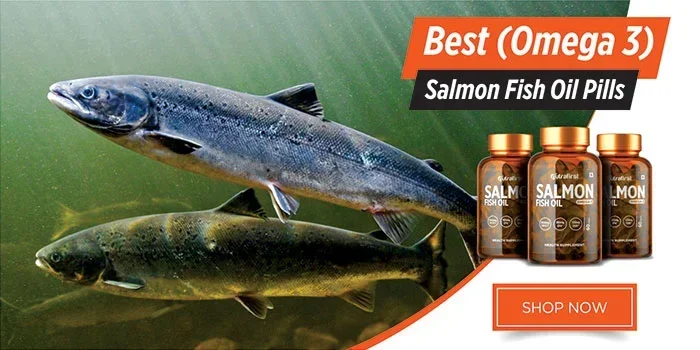
Salmon fish oil offers higher omega-3 levels and better absorption than standard fish oil, making it a top choice for betta fish health. It contains more EPA and DHA per serving, which supports vibrant colors, strong immunity, and active swimming in bettas. Regular fish oil works well too, but salmon fish oil delivers superior nutrition when used correctly.
This is a comprehensive guide about is salmon fish oil better than fish oil.
Key Takeaways
- Higher Omega-3 Content: Salmon fish oil packs more EPA and DHA than most standard fish oils, giving bettas better nutritional support.
- Improved Color and Vitality: The rich carotenoid and omega-3 profile in salmon oil helps enhance betta fish colors and overall energy.
- Better Absorption: Salmon fish oil is easier for bettas to digest and absorb compared to generic fish oil supplements.
- Lower Contaminant Risk: Salmon sourced from clean waters tends to have fewer heavy metals and toxins than some other fish oils.
- Cost Consideration: Salmon fish oil costs more than regular fish oil, but the benefits often justify the price for serious betta keepers.
- Proper Dosing Matters: Too much fish oil of any kind can cause water quality issues, so always follow dosage guidelines carefully.
[FEATURED_IMAGE_PLACEHOLDER]
Is Salmon Fish Oil Better Than Fish Oil for Betta Fish?
If you keep betta fish, you know how important nutrition is. These colorful little fish thrive on a diet rich in protein and healthy fats. Salmon fish oil has become a popular supplement among betta keepers, but is it really better than regular fish oil? The short answer is yes — in most cases, salmon fish oil offers more benefits. But let us dig deeper into why.
When you compare salmon fish oil to standard fish oil, the differences are clear. Salmon naturally contains higher levels of omega-3 fatty acids. These fats are essential for betta fish health. They support everything from immune function to brilliant color display. Regular fish oil can work, but it often has a lower concentration of the good stuff your betta needs.
Many betta keepers wonder about the best way to boost their fish’s diet. Adding a high-quality omega-3 fish oil supplement makes a real difference. Whether you choose salmon oil or generic fish oil depends on your goals and budget. In this article, we will break down every factor so you can make the best choice for your betta.
What Makes Salmon Fish Oil Different?
Salmon is a fatty fish. It stores more omega-3s in its body than leaner fish species. When you extract oil from salmon, you get a concentrated dose of EPA and DHA. These are the two omega-3 fatty acids that matter most for fish health.
Standard fish oil can come from many sources. Some are made from menhaden, anchovies, or sardines. These are fine oils, but they typically contain less EPA and DHA per serving than salmon oil. That means your betta may need more of it to get the same benefits.
Here is a quick look at what sets salmon fish oil apart:
- Higher EPA and DHA concentration per milliliter
- Better bioavailability, meaning bettas absorb more nutrients
- Natural carotenoids that support color enhancement
- Cleaner sourcing options from wild-caught salmon
- Lower risk of oxidation when stored properly
If you want the best fish oil for bettas, salmon fish oil should be at the top of your list. It delivers more nutrition with less product, which saves you money over time even though the upfront cost is higher.
Nutritional Comparison: Salmon Fish Oil vs Regular Fish Oil
Understanding the nutritional profile helps you see why salmon fish oil stands out. Not all fish oils are created equal. The source fish, processing method, and storage all affect quality.
Let us compare the key nutrients side by side.
Omega-3 Fatty Acid Content
Salmon fish oil typically contains around 1800 mg of combined EPA and DHA per teaspoon. Regular fish oil from smaller fish like anchovies may contain 1200 mg or less per the same amount. For betta fish, this difference matters because they are small creatures with small stomachs.
Higher omega-3 content means you can give your betta a smaller amount and still get great results. This is especially helpful when you are trying to avoid overfeeding, which can foul your tank water quickly.
Vitamin Content
Salmon naturally contains vitamins A and D. These fat-soluble vitamins play important roles in betta health. Vitamin A supports skin and fin health. Vitamin D helps with calcium absorption and bone strength.
Regular fish oil may or may not contain these vitamins in meaningful amounts. It depends on the source fish and how the oil is processed. Always check the label to see what vitamins are included in your chosen product.
Purity and Contaminant Levels
Salmon from clean, cold waters tends to accumulate fewer contaminants. However, this depends heavily on where the salmon is sourced. Wild-caught Alaskan salmon is generally considered one of the cleanest sources available.
Regular fish oil made from smaller fish like sardines can also be very clean. Sardines sit low on the food chain, so they accumulate fewer toxins. The key is to choose products that have been third-party tested for purity.
Benefits of Salmon Fish Oil for Betta Fish
Using salmon fish oil as part of your betta’s diet comes with several real advantages. Let us explore each one in detail.
Enhanced Coloration
Betta fish are known for their stunning colors. Salmon fish oil contains natural carotenoids and astaxanthin. These compounds help intensify red, orange, and pink hues in bettas. The omega-3 fatty acids also promote healthy skin cells, which makes colors appear more vibrant.
Many betta breeders use salmon oil specifically for this purpose. If you want your betta to really pop, a quality salmon fish oil supplement can help. It works better than regular fish oil for color enhancement because of the higher carotenoid content.
Stronger Immune System
Omega-3 fatty acids are powerful immune boosters. They help reduce inflammation and support the production of immune cells. Bettas that receive adequate omega-3s are less likely to develop common illnesses like fin rot or ich.
Salmon fish oil delivers more omega-3s per serving, which means stronger immune support. This is especially important in community tanks where bettas may be exposed to pathogens from other fish.
Better Fin and Tail Health
Betta fins are delicate and prone to damage. Omega-3 fatty acids help maintain the structural integrity of fin tissue. They also promote healing if fins get torn or damaged.
Salmon fish oil provides the building blocks for healthy fin growth. Bettas supplemented with high-quality salmon oil often show faster fin regeneration and less fin deterioration over time.
Improved Energy and Activity Levels
Healthy fats are a primary energy source for fish. Bettas fed a diet rich in omega-3s tend to be more active and curious. They explore their environment more and display natural behaviors like bubble nest building.
Because salmon fish oil is more easily absorbed, bettas get more usable energy from each serving. This translates to a more lively and engaged fish that shows off its natural behaviors.
When Regular Fish Oil Makes Sense
Salmon fish oil is not always the best choice for every situation. Sometimes regular fish oil is the smarter option. Let us look at when you might want to choose standard fish oil instead.
Budget Considerations
Salmon fish oil costs more than regular fish oil. If you are keeping multiple bettas or running a larger aquarium setup, the price difference adds up. Regular fish oil from anchovies or sardines can be a cost-effective alternative that still provides good nutrition.
For casual betta keepers on a tight budget, standard fish oil works fine. Just make sure you choose a reputable brand that tests for purity. A cheaper oil that is contaminated will do more harm than good.
Availability and Convenience
Regular fish oil is widely available in pet stores and online. Salmon fish oil can be harder to find in local stores. If you need a supplement quickly, a standard fish oil product may be your only option.
Many betta keepers keep both on hand. They use salmon fish oil for show fish and breeding stock, and regular fish oil for everyday feeding. This gives them the best of both worlds without breaking the bank.
Sensitivity and Allergies
Some bettas may react differently to certain fish oils. If you are introducing a new supplement, start with a small amount regardless of the type. Watch your betta for any signs of digestive upset or allergic reactions.
If your betta does not tolerate salmon fish oil well, switching to a different omega-3 fish oil source may solve the problem. Every fish is unique, and what works for one betta may not work for another.
How to Choose the Best Fish Oil for Your Betta
Not all fish oil products are created equal. Here are the key factors to consider when shopping for salmon fish oil or any fish oil supplement for your betta.
Check the EPA and DHA Content
The label should clearly state the amounts of EPA and DHA per serving. Look for products with at least 500 mg of combined EPA and DHA per serving. Higher is better, especially for salmon fish oil, which should naturally have more.
Look for Third-Party Testing
Purity matters a lot when it comes to fish oil. Choose products that have been tested by independent labs for heavy metals, PCBs, and other contaminants. This is especially important for salmon fish oil since some salmon sources can contain higher levels of environmental toxins.
Consider the Form
Fish oil comes in liquid and capsule forms. Liquid salmon fish oil is easier to dose precisely for bettas. You can add a few drops directly to their food or tank water. Capsules work well too but require you to puncture them and extract the oil.
For betta fish, liquid forms are generally more convenient. They allow for fine-tuned dosing and reduce waste. Make sure whichever form you choose is fresh and has not oxidized.
Storage and Freshness
Fish oil oxidizes quickly when exposed to air and light. Store your salmon fish oil in a cool, dark place. Refrigeration extends shelf life significantly. Always check the expiration date before purchasing.
Oxidized fish oil can harm your betta. It contains free radicals that cause cellular damage. If your oil smells rancid or off, discard it immediately and get a fresh bottle.
Common Mistakes When Using Fish Oil for Bettas
Even with the best intentions, betta keepers sometimes make mistakes when using fish oil supplements. Here are the most common ones to avoid.
Overdosing
More is not always better. Adding too much salmon fish oil can lead to greasy water surface film and poor water quality. It can also cause digestive issues for your betta. Stick to the recommended dosage on the product label.
A good rule of thumb is to add no more than one drop per quart of tank water or per feeding. Monitor your betta and water parameters closely when introducing any new supplement.
Using Expired or Rancid Oil
Oxidized fish oil loses its nutritional value and becomes harmful. Always check the smell and expiration date before use. Fresh salmon fish oil should have a mild, clean scent.
If you store your oil improperly, it can go bad before the expiration date. Keep bottles sealed tightly and store them in the refrigerator after opening. This simple step extends the life of your fish oil significantly.
Ignoring Water Quality
Fish oil supplements work best when water quality is excellent. If your tank has high ammonia or nitrite levels, adding fish oil will not help your betta and may make things worse. Always maintain proper filtration and regular water changes.
Think of fish oil as a supplement to good care, not a replacement for it. Your betta’s overall health depends on clean water, proper temperature, and a balanced diet first and foremost.
Expert Insights on Salmon Fish Oil for Betta Fish
Many experienced betta keepers and aquatic veterinarians recommend salmon fish oil as a premium supplement. The consensus is clear: salmon fish oil provides superior nutrition compared to standard fish oil for most bettas.
Dr. Tim, a well-known aquatic veterinarian, notes that the higher DHA content in salmon oil supports brain function and nervous system health in fish. This is particularly important for bettas, which are intelligent and curious creatures that benefit from optimal neurological health.
Breeders who focus on show-quality bettas often prefer salmon fish oil for its color-enhancing properties. The combination of omega-3s and natural carotenoids creates a synergistic effect that boosts both health and appearance.
For those wondering about which is better fish oil or omega-3 supplements, the answer depends on the source. Salmon fish oil is a natural omega-3 source that comes with additional beneficial compounds. Synthetic omega-3 supplements may lack these co-factors, making them less effective overall.
If you are curious about how salmon fish oil compares to other oil supplements, check out our guide on which is better salmon or fish oil for a detailed comparison. You can also read more about which is better fish oil or salmon oil to understand the nuances between these two popular options.
Conclusion
So, is salmon fish oil better than fish oil for betta fish? The evidence strongly points to yes. Salmon fish oil provides higher levels of essential omega-3 fatty acids, better absorption, and additional benefits like color enhancement and immune support. For betta keepers who want the best for their fish, it is a worthwhile investment.
That said, regular fish oil still has its place. It is more affordable and widely available. For everyday use or budget-conscious keepers, a quality standard fish oil can still meet your betta’s nutritional needs.
The key is to choose a high-quality product from a reputable source. Whether you go with salmon fish oil or regular fish oil, always prioritize purity and freshness. Your betta will thank you with vibrant colors, active behavior, and strong overall health.
Start with a small dose, monitor your fish closely, and adjust as needed. With the right fish oil supplement, you will notice a real difference in your betta’s appearance and energy levels within just a few weeks.
For more information on omega-3 options for your betta, explore our article on which is better omega 3 or fish oil to make an informed decision about your fish’s nutrition.
Frequently Asked Questions
Can I give my betta salmon fish oil every day?
Yes, you can give salmon fish oil daily, but in small amounts. One drop per feeding is usually sufficient. Overdosing can lead to water quality problems and digestive issues. Always start with a small amount and monitor your betta’s response.
How quickly will I see results from salmon fish oil?
Most betta keepers notice improvements in color and activity within two to four weeks. Fin health may take longer to show visible changes, usually around four to six weeks. Consistency is key with any fish oil supplement.
Is salmon fish oil safe for all betta fish?
Salmon fish oil is generally safe for all healthy bettas. However, fish with pre-existing digestive issues may need a slower introduction. If your betta shows signs of discomfort, reduce the dosage or discontinue use and consult a veterinarian.
Can I use salmon fish oil in combination with regular fish oil?
Yes, you can alternate between salmon fish oil and regular fish oil. Some keepers use salmon oil a few times a week and standard fish oil on other days. This provides variety and ensures a broad spectrum of nutrients.
What is the best way to store salmon fish oil?
Store salmon fish oil in a cool, dark place. Refrigeration after opening is highly recommended. Always keep the bottle tightly sealed to prevent oxidation. Check the expiration date and discard any oil that smells rancid.
How does salmon fish oil compare to algae omega-3 for bettas?
Salmon fish oil contains preformed EPA and DHA that bettas can use directly. Algae omega-3 is a plant-based source that requires conversion by the fish, which is less efficient. Salmon fish oil is generally the better choice for bettas that need direct omega-3 support.