Is Smartzyme Okay for Betta Fish
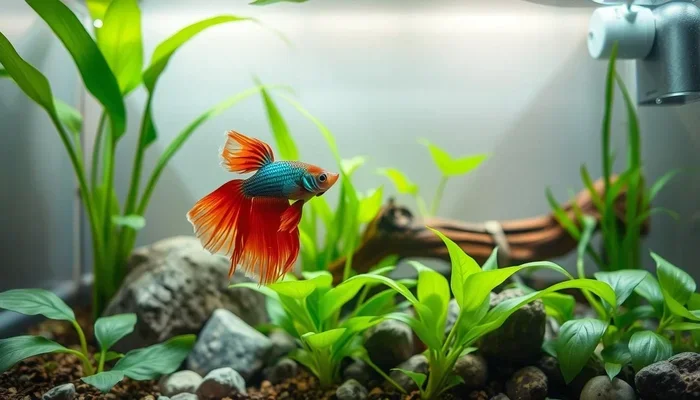
Smartzyme is a popular aquarium probiotic supplement that can support your betta fish’s digestive health and overall well-being. When used correctly, this beneficial bacteria additive helps maintain clean water and a healthy tank environment. However, proper dosage and tank conditions matter greatly for your betta’s safety.
Is Smartzyme okay for betta fish? This is a question many betta owners ask when they want to keep their aquarium water clean and their fish healthy. Smartzyme is a well-known aquarium probiotic supplement that promises to boost beneficial bacteria in your tank. But does it actually work for bettas? And more importantly, is it safe?
The short answer is yes, Smartzyme is generally safe for betta fish when used correctly. This probiotic additive contains live beneficial bacteria that help break down waste, reduce ammonia, and support your betta’s digestive system. However, like any aquarium supplement, there are right ways and wrong ways to use it. In this guide, we will walk you through everything you need to know about using Smartzyme for betta fish. You will learn what it is, how it works, the proper dosage, potential risks, and expert tips for getting the best results.
Key Takeaways
- Smartzyme is generally safe for betta fish when used according to the manufacturer’s instructions and in the correct dosage.
- The product contains beneficial bacteria that support digestion, reduce waste, and promote a healthier aquarium ecosystem.
- Overdosing Smartzyme can harm your betta by disrupting the tank’s biological balance and causing water parameter swings.
- Smartzyme works best alongside regular water changes and proper tank maintenance, not as a replacement for them.
- Always monitor your betta’s behavior after adding any supplement, including Smartzyme, to catch any adverse reactions early.
- Smartzyme is not a substitute for proper cycling and water conditioning in your betta fish tank.
- Consult a fish veterinarian if your betta shows signs of distress after using any new aquarium product.
📑 Table of Contents
What Is Smartzyme and How Does It Work?
Smartzyme is a concentrated probiotic supplement designed for freshwater aquariums. It contains strains of beneficial bacteria that help maintain a healthy biological balance in your fish tank. These good bacteria play a crucial role in breaking down harmful substances like ammonia and nitrite.
The Science Behind Probiotic Aquarium Supplements
Every aquarium has a natural nitrogen cycle. Fish waste produces ammonia, which is toxic to bettas. Beneficial bacteria convert ammonia into nitrite and then into less harmful nitrate. Smartzyme adds extra beneficial bacteria to speed up this process and keep your tank cleaner.
Think of it like adding more workers to a factory. The more helpful bacteria you have, the faster waste gets processed. This means cleaner water, less stress for your betta, and a more stable tank environment. Many betta keepers use aquarium bacteria supplements like Smartzyme to support their tank’s biological filtration.
Key Ingredients in Smartzyme
Smartzyme typically contains several strains of naturally occurring bacteria. These include:
- Nitrosomonas – converts ammonia to nitrite
- Nitrobacter – converts nitrite to nitrate
- Bacillus subtilis – supports digestion and waste breakdown
- Lactobacillus – promotes a healthy microbial balance
These bacteria are naturally found in healthy aquariums. Smartzyme simply boosts their numbers to help your tank stay balanced. This is different from chemical water conditioners that only treat the water temporarily.
Is Smartzyme Safe for Betta Fish?
Yes, Smartzyme is safe for betta fish when used as directed. Bettas are relatively hardy fish, but they are sensitive to water quality changes. A well-maintained tank with stable parameters is essential for your betta’s health. Adding a probiotic supplement like Smartzyme can help maintain that stability.
Why Betta Fish Benefit from Probiotics
Betta fish have sensitive digestive systems. In the wild, they eat a varied diet of insects and larvae. In captivity, their diet can be limited. Probiotics in Smartzyme support your betta’s gut health by promoting good bacteria in the digestive tract. This can lead to better nutrient absorption, improved waste processing, and stronger immune function.
Additionally, bettas are prone to stress in unstable environments. When water parameters fluctuate, bettas can become stressed and more susceptible to disease. By maintaining a healthy bacterial colony with Smartzyme aquarium supplements, you create a more stable and comfortable home for your fish.
Comparing Smartzyme to Other Aquarium Supplements
There are many aquarium supplements on the market. Here is how Smartzyme compares to some common alternatives:
| Feature | Smartzyme | Tetra SafeStart | Fluval Cycle |
|---|---|---|---|
| Type | Probiotic bacteria | Live bacteria | Live bacteria |
| Form | Liquid concentrate | Liquid | Liquid |
| Use for Cycling | Supports cycling | Primarily for cycling | Primarily for cycling |
| Ongoing Use | Yes, safe for regular use | Limited | Limited |
| Betta Safe | Yes | Yes | Yes |
One advantage of Smartzyme over cycling-only products is that it can be used regularly. Many aquarists add probiotics to their tanks on a weekly basis to maintain water quality. This ongoing support can be especially helpful for betta tanks where water changes may not fully reset the bacterial colony.
How to Use Smartzyme for Betta Fish
Using Smartzyme correctly is key to getting the best results without risking your betta’s health. Follow these steps for safe and effective use.
Step-by-Step Dosage Guide
- Shake the bottle well before opening. The bacteria need to be evenly distributed.
- Measure the correct dose based on your tank size. Most formulations recommend 5 ml per 10 gallons of water.
- Add the supplement directly to the tank away from the filter intake for even distribution.
- Turn off UV sterilizers for 24 hours after dosing. UV light can kill the beneficial bacteria you just added.
- Wait 24 hours before doing any water changes. This gives the bacteria time to colonize.
How Often Should You Use Smartzyme?
For ongoing maintenance, most experts recommend dosing Smartzyme once a week. This keeps the beneficial bacteria population at healthy levels. If you are using it to help cycle a new tank, you may dose daily for the first two weeks.
However, more is not always better. Overdosing can cause bacterial blooms that cloud your water and consume oxygen. Always stick to the recommended dosage on the label. If you are unsure, start with a smaller dose and monitor your tank for 24 hours.
When to Add Smartzyme to Your Betta Tank
The best time to add Smartzyme is after a water change. This is when your tank benefits most from fresh beneficial bacteria. Here are some ideal situations:
- After performing a 25-50% water change
- When your betta fish tank has been recently set up
- After treating your betta with medication that may have killed beneficial bacteria
- When you notice a spike in ammonia or nitrite levels
- During periods of heavy feeding or warm weather when bacteria colonies may be stressed
Potential Risks and Side Effects
While Smartzyme is generally safe, there are some risks to be aware of. Understanding these helps you use the product confidently and avoid problems.
Overdosing Your Betta Tank
The most common mistake is adding too much Smartzyme. When you overdose, you introduce too many bacteria at once. This can cause a bacterial bloom, which turns your water cloudy white or gray. While a bloom is not usually dangerous, it can deplete oxygen levels and stress your betta.
If you accidentally overdose, do a 25% water change immediately and add an air stone to increase oxygen. Your betta will be okay in most cases, but prevention is always better than cure.
Interactions with Other Tank Products
Smartzyme can interact with certain products in your tank. For example:
- Water conditioner – Always add conditioner before Smartzyme to ensure the water is safe for the bacteria.
- Medications – Some medications kill bacteria, including the beneficial ones in Smartzyme. Wait 24-48 hours after medication before dosing.
- Algae treatments – These can also harm beneficial bacteria. Space out treatments by at least a day.
If you use tap water conditioner for your betta, make sure it does not contain chemicals that could harm the probiotic bacteria in Smartzyme. Most standard conditioners are fine, but always check the label.
Signs That Smartzyme Is Not Working
Sometimes Smartzyme may not give the results you expect. Watch for these warning signs:
- Persistent cloudy water after dosing
- No improvement in ammonia or nitrite levels
- Your betta acting lethargic or losing appetite
- Increased algae growth despite regular dosing
If you notice any of these issues, check your water parameters with a test kit. You may need to adjust your dosing schedule or address an underlying problem in your tank setup.
Smartzyme and Betta Fish Tank Maintenance
Smartzyme works best as part of a comprehensive tank maintenance routine. It is not a magic solution that replaces good husbandry practices. Let us look at how to integrate Smartzyme into your regular care schedule.
Water Changes Remain Essential
No supplement can replace regular water changes. Even with Smartzyme adding beneficial bacteria, you still need to remove accumulated nitrates and other waste products. For a betta tank, aim for 25-30% water changes every week. This keeps the water fresh and gives your betta the best possible environment.
When choosing water for your betta, make sure it is free of chlorine and chloramine. Using treated tap water or purified water is essential. You can also use spring water or RO water, but make sure to remineralize it properly for your betta’s needs.
Maintaining Proper Temperature and Parameters
Betta fish thrive in warm, stable water. Keep your tank between 76-82 degrees Fahrenheit. Use a reliable heater and thermometer to maintain consistent temperatures. Sudden temperature drops can stress your betta and weaken its immune system.
Also keep an eye on your pH level. Betta fish prefer slightly acidic to neutral water, around 6.5-7.5. Regular testing helps you catch any imbalances early. A stable environment makes the beneficial bacteria in Smartzyme more effective and keeps your betta happy.
Feeding Your Betta a Balanced Diet
Your betta’s diet directly affects water quality and the effectiveness of probiotics like Smartzyme. Overfeeding is one of the biggest mistakes new betta owners make. Excess food decays rapidly and produces ammonia, which overwhelms the bacterial colony.
Feed your betta 2-3 small meals per day. Use high-quality pellets as the staple diet and supplement with frozen or live foods like brine shrimp or bloodworms occasionally. A healthy diet means less waste, which means the beneficial bacteria in Smartzyme have less work to do and can focus on maintaining a clean tank.
Expert Tips for Getting the Most from Smartzyme
Experienced betta keepers have shared several tips that can help you get the best results from Smartzyme. Here are some practical insights to improve your experience.
Start with a Clean Tank
Before adding Smartzyme, make sure your tank is clean. Perform a water change and vacuum the substrate to remove excess debris. This gives the new bacteria a fresh environment to colonize and reduces the chance of a bacterial bloom.
Use a Test Kit Regularly
A good liquid test kit is your best investment as a betta keeper. Test your ammonia, nitrite, nitrate, and pH levels weekly. This data tells you whether Smartzyme is working effectively and whether your tank is truly balanced.
Be Patient
Probiotics take time to establish. Do not expect overnight results. Give Smartzyme at least 2-3 weeks of consistent use before evaluating its effectiveness. Patience is key when building a healthy bacterial colony in any aquarium.
Store Smartzyme Properly
Keep the bottle in a cool, dark place. Extreme heat or direct sunlight can kill the live bacteria in the supplement. Check the expiration date before use, as expired probiotics may not contain enough live cultures to be effective.
Combine Smartzyme with Good Filtration
A quality filter is essential for any betta tank. The filter provides surface area for beneficial bacteria to grow. Pairing a good filter with Smartzyme creates a powerful combination that keeps your water clean and your betta healthy. Make sure your filter flow is not too strong for your betta, as they prefer gentle water movement.
Common Mistakes to Avoid When Using Smartzyme
Even well-meaning betta keepers can make mistakes with aquarium supplements. Here are the most common errors and how to avoid them.
- Skipping water changes – Smartzyme does not remove nitrates. You still need regular water changes to keep nitrate levels low.
- Using expired product – Check the expiration date. Expired probiotics may not contain enough live bacteria to be effective.
- Dosing during a medication treatment – Many medications kill beneficial bacteria. Wait until treatment is complete before adding Smartzyme.
- Running UV sterilizers during dosing – UV light kills the beneficial bacteria you are trying to add. Turn it off for 24 hours after dosing.
- Ignoring water parameters – Smartzyme helps maintain balance, but it cannot fix severely poor water conditions. Test your water regularly.
Avoiding these mistakes ensures that Smartzyme works as intended and keeps your betta fish healthy and thriving in a clean, stable environment.
Conclusion
Smartzyme is a safe and effective probiotic supplement for betta fish when used correctly. It adds beneficial bacteria that support water quality, digestion, and overall tank health. The key is to follow the recommended dosage, maintain a consistent routine, and pair Smartzyme with proper tank maintenance including regular water changes and good filtration.
Remember that no single product can replace good husbandry. Smartzyme works best as part of a holistic approach to betta care. Keep your water parameters stable, feed your betta a balanced diet, and monitor your tank regularly. With these practices in place, Smartzyme can be a valuable addition to your betta fish care routine and help you create the healthiest possible home for your colorful companion.
Always observe your betta after adding any new supplement. A healthy betta is an active, colorful, and curious fish. If you notice any changes in behavior or appearance, test your water and adjust your care routine accordingly. Your betta will thank you with vibrant colors and energetic swimming for years to come.
Frequently Asked Questions
Can I use Smartzyme with tap water for my betta fish?
Yes, but always treat your tap water with a conditioner before adding Smartzyme. Tap water contains chlorine and chloramine that can harm the beneficial bacteria in the supplement. Let the conditioner work for at least 15 minutes before dosing your tank.
How long does it take for Smartzyme to work in a betta tank?
You may notice improvements in water clarity within 24-48 hours. However, full bacterial colonization takes about 2-3 weeks of consistent use. Be patient and continue dosing as directed for the best long-term results.
Is Smartzyme safe for betta fry and juvenile bettas?
Yes, Smartzyme is generally safe for bettas of all ages. However, use half the recommended dosage for very young fry or tanks under 5 gallons. Their smaller water volume means even small changes can have a bigger impact.
Can Smartzyme replace my betta fish tank filter?
No, Smartzyme cannot replace a filter. The supplement adds beneficial bacteria, but mechanical and biological filtration is still essential for removing debris and maintaining water flow. Think of Smartzyme as a supplement to your filter, not a replacement.
What should I do if my betta acts strangely after using Smartzyme?
First, test your water parameters immediately. Check ammonia, nitrite, nitrate, and pH levels. If everything looks normal, your betta may just be adjusting. If you notice persistent issues, do a 25% water change and stop dosing until your betta returns to normal behavior.
Can I use Smartzyme in a planted betta tank?
Yes, Smartzyme is safe for planted tanks. In fact, the beneficial bacteria can help support plant health by reducing toxic ammonia levels. Just make sure the product does not contain any ingredients that could harm your live plants, which is rare with standard aquarium probiotics.