Is My Betta Fish Full
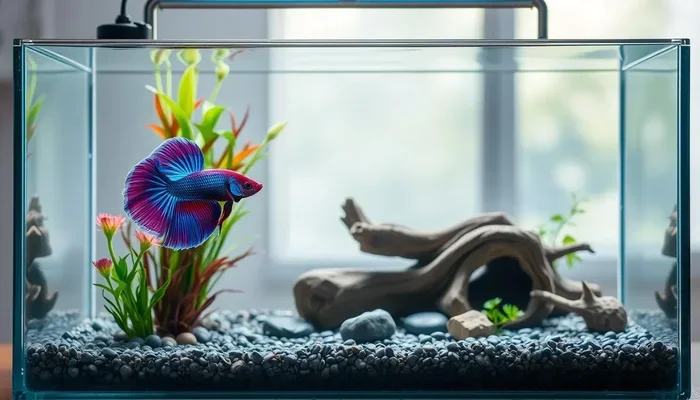
Knowing if your betta fish is full helps you keep them healthy and happy. Bettas have small stomachs, so they need just a tiny amount of food at each meal. Watch for signs like a round belly, slow eating, and turning away from food to know when your betta is full. Overfeeding is one of the biggest risks, so feeding the right amount matters more than you think.
If you own a betta fish, you have probably stood in front of the tank wondering, “Is my betta fish full?” It is a simple question, but the answer matters a lot. Overfeeding is one of the most common mistakes new fish owners make. And underfeeding can cause just as many problems. So how do you know when enough is enough?
Bettas are small fish with even smaller stomachs. In fact, their stomach is roughly the size of their eyeball. That means they do not need much food at each meal. But because they act hungry every time you approach the tank, it is easy to give in and toss in too many pellets. This guide will help you understand betta fish feeding, recognize fullness cues, and keep your fish healthy.
Key Takeaways
- Bettas have tiny stomachs: Their stomach is about the size of their eye, so small portions are all they need.
- Look for physical signs: A round belly, slow chewing, and food refusal all mean your betta is full.
- Overfeeding causes serious problems: Bloating, constipation, and poor water quality can harm your fish.
- Feed 1-2 times daily: A consistent feeding schedule helps your betta stay healthy and active.
- High-quality food matters: Pellets and frozen foods give the best nutrition without filler.
- Watch for hunger cues: Begging behavior doesn’t always mean your betta is actually hungry.
📑 Table of Contents
- How Big Is a Betta Fish Stomach?
- Signs Your Betta Fish Is Full
- How Often Should You Feed Your Betta?
- What Happens When You Overfeed Your Betta?
- Hunger vs. Fullness: Reading Your Betta’s Behavior
- Common Mistakes Bettas Owners Make With Feeding
- Expert Tips for Perfect Betta Feeding
- When Fullness Becomes a Health Concern
- Conclusion
How Big Is a Betta Fish Stomach?
Many people do not realize how tiny a betta stomach really is. It is about the same size as one of their eyes. This means your fish can only handle a very small amount of food at each sitting. Betta fish portion size should always be kept tiny to avoid digestive issues.
The Eyeball Rule
A good rule of thumb is to feed your betta only what fits inside their stomach. For most adult bettas, this means two to three small pellets per meal. If you are using flakes, a tiny pinch is plenty. Young bettas may need slightly more because they are still growing, but adult fish need far less than most owners think.
Why Small Stomachs Matter
A betta fish stomach that gets overloaded cannot digest food properly. This leads to bloating, constipation, and a buildup of waste in the tank. When the water gets dirty from uneaten food, your fish faces even more health risks. Keeping portions small is one of the best things you can do for betta fish health.
Signs Your Betta Fish Is Full
How do you actually know when is my betta fish full? There are several clear signs to watch for. These cues will help you stop feeding at the right time every single meal.
1. The Belly Looks Round and Firm
A full betta will have a slightly rounded belly. It should look plump but not tight or swollen. If the belly looks bloated or the scales are sticking out, that is a sign of overfeeding, not just fullness. A healthy, full belly is gently rounded and soft to the touch.
2. Your Betta Stops Eating
The most obvious sign is when your fish simply stops eating. Some bettas will spit out food or ignore it completely once they are satisfied. If your betta turns away from pellets or flakes, that is a clear message. Do not keep adding food just because the pellets are still floating in the water.
3. Slow or Careful Chewing
Hungry bettas eat fast. They grab food and swallow it quickly. But a full betta fish will slow down. They might nibble at each pellet carefully or take longer to finish their meal. This change in eating speed is a reliable indicator that your fish has had enough.
4. Hiding or Swimming Away From Food
Some bettas will swim to the back of the tank or hide behind plants when they are full. They lose interest in the food entirely. If your fish usually races to the surface for meals but suddenly loses interest, trust that instinct. Your betta is telling you they are done.
How Often Should You Feed Your Betta?
Betta fish feeding schedule plays a big role in keeping your fish at a healthy weight. Feeding the right amount at the right times prevents both hunger and overfeeding.
Daily Feeding Routine
Most adult bettas do well with one or two small meals per day. A common approach is to feed once in the morning and once in the evening. Each meal should be just a few pellets or a small pinch of flakes. How much to feed betta fish depends on their age, size, and activity level, but less is almost always better than more.
Fasting Days
Giving your betta a fasting day once a week is a great practice. This helps their digestive system reset and prevents constipation. Many experienced fish keepers skip feeding on Sundays or one specific day each week. Betta fish constipation is a common problem that fasting can help prevent.
What to Feed for Best Nutrition
Betta fish food types matter just as much as portion size. High-quality betta pellets should be the staple of their diet. Look for pellets with fish meal as the first ingredient and minimal fillers. You can also offer frozen or live foods like brine shrimp and bloodworms as treats. These provide extra protein and variety that keeps your fish healthy and active.
| Food Type | Frequency | Benefits |
|---|---|---|
| Betta Pellets | Daily (main meal) | Balanced nutrition, easy portion control |
| Frozen Brine Shrimp | 2-3 times per week | High protein, stimulates hunting instincts |
| Bloodworms | 1-2 times per week | Rich in nutrients, great treat |
| Flakes | Occasional | Convenient but less nutritious than pellets |
| Daphnia | 1-2 times per week | Natural laxative, aids digestion |
What Happens When You Overfeed Your Betta?
Overfeeding is the fastest way to cause problems for your betta. A full betta fish belly that is overfed quickly turns into a health issue. Understanding the risks helps you stay disciplined at feeding time.
Bloating and Swim Bladder Issues
When a betta eats too much, the stomach expands beyond its normal size. This can press against the swim bladder, which controls buoyancy. A betta with swim bladder problems may float sideways, sink to the bottom, or struggle to stay upright. Why is my betta fish bloated is one of the most common search queries, and overfeeding is the top cause.
Poor Water Quality
Uneaten food sinks to the bottom and decays. This releases ammonia and nitrites into the water, which are toxic to fish. Even with a filter, excess food can quickly dirty a small tank. If your betta fish tank water turns cloudy after feeding, you probably gave too much food. Clean water is essential for a healthy betta.
Shortened Lifespan
Over time, chronic overfeeding can shorten your betta’s life. Obese fish face organ stress and weakened immune systems. A well-fed betta that eats the right amount will live longer, look brighter, and stay more active. Betta fish care starts with proper feeding habits.
Hunger vs. Fullness: Reading Your Betta’s Behavior
Bettas are expressive fish, and their behavior gives away a lot about how they feel. But sometimes hunger cues can be misleading. Learning the difference between a hungry betta and a full betta helps you respond correctly.
Hunger Signs
- Betta fish begging behavior: Your fish swims to the surface and watches you eagerly when you approach the tank.
- Rapid eating: Your betta grabs food immediately and finishes it quickly.
- Increased activity: A hungry betta may swim more actively around the tank.
- Following your hand: Bettas often follow fingers or feeding tools near the water.
Fullness Signs
- Disinterest in food: Your betta ignores pellets or spits them out.
- Slow swimming: A full fish may rest near the bottom or float lazily.
- Hiding behavior: Some bettas retreat to plants or decorations after eating.
- Turning away: Your fish clearly moves its head away from approaching food.
It is important to note that bettas learn feeding routines quickly. They may start begging at the same time each day even if they are not truly hungry. This is a learned behavior, not a real hunger signal. Sticking to a consistent feeding schedule helps your betta stay on a healthy routine.
Common Mistakes Bettas Owners Make With Feeding
Even experienced fish keepers sometimes make feeding mistakes. Here are the most common errors and how to avoid them.
Feeding Too Much at Once
The biggest mistake is dropping too many pellets into the tank at once. Remember that your betta’s stomach is tiny. Two to three small pellets are plenty for one meal. If food is left uneaten after five minutes, you gave too much. Remove any leftover food to keep the water clean.
Feeding Too Frequently
Some owners think more food equals a happier fish. This is not true. Feeding three or four times a day can overload your betta’s digestive system. Stick to one or two meals daily and include a fasting day each week. If you are ever unsure, skip a meal rather than add one.
Relying Only on Flakes
Flakes are convenient but often lack the protein levels bettas need. They also expand in water, which can cause digestive discomfort. Pellets specifically formulated for bettas are a much better choice. If you do use flakes, soak them first and feed a very small amount.
Ignoring Hunger Cues
On the flip side, some owners worry too much and underfeed their bettas. If your fish looks thin, is losing color, or seems lethargic, they may need more food. Why is my betta fish not eating is a different issue from simply being full, and it is important to tell the difference.
Expert Tips for Perfect Betta Feeding
Betta fish nutrition experts agree on a few key practices that make feeding simpler and safer. These tips come from years of experience and research into betta care.
- Soak pellets first: Dry pellets expand in the stomach, which can cause discomfort. Soak them in tank water for a few seconds before feeding.
- Vary the diet: Rotate between pellets, frozen foods, and occasional treats to provide balanced betta fish diet nutrition.
- Feed at the same times: Consistency helps regulate your betta’s metabolism and digestive system.
- Use a feeding ring: This keeps food in one spot so you can monitor exactly how much your betta eats.
- Observe after meals: Watch your fish for 10-15 minutes after feeding to make sure they are digesting properly and not showing signs of distress.
When Fullness Becomes a Health Concern
Sometimes a full belly is not normal. If your betta looks overly round or swollen after eating, something may be wrong. Is my betta fish sick is a question worth asking if fullness seems extreme or is accompanied by other symptoms.
Signs that fullness has become a problem include a swollen belly that does not go down, loss of appetite, white stringy stool, and difficulty swimming. These could indicate betta fish bloating or constipation. In these cases, fasting for a day or two often helps. Feeding a small piece of boiled pea (without skin) can also act as a natural laxative.
If symptoms persist, it is best to consult a veterinarian who specializes in fish. Early intervention can prevent serious complications and help your betta recover quickly.
Conclusion
So, is my betta fish full? Now you have the tools to answer that question confidently. A full betta fish shows clear signs: a gently rounded belly, slowed eating, and disinterest in more food. The key is to feed small portions, stick to a regular schedule, and resist the urge to overfeed even when your fish begs for more.
Remember, your betta’s stomach is tiny. A few pellets twice a day is all they need. Combine this with high-quality food, occasional fasting, and clean water, and your betta will thrive. Betta fish feeding does not have to be complicated. Keep it simple, keep it consistent, and your fish will reward you with vibrant colors and active behavior for years to come.
Take what you have learned here and put it into practice at your next feeding. Your betta will thank you with a happy, healthy life.