How Warm Should Water Be for a Betta Fish
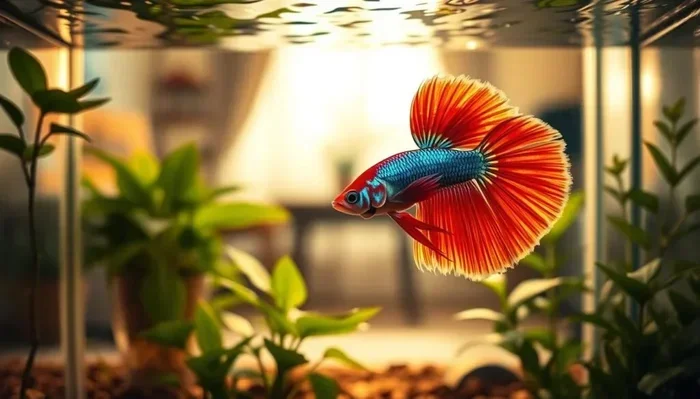
The ideal water temperature for a betta fish is between 76°F and 82°F (24°C to 28°C). Keeping your betta in this range supports vibrant colors, strong immunity, and active behavior. Water that is too cold or too hot can cause serious health problems or even death. Use a reliable aquarium heater and thermometer to maintain steady warmth. This guide covers everything you need to know about betta fish temperature and how to keep your fish comfortable.
Keeping your betta fish happy starts with one simple thing: the right water warmth. Many new fish owners don’t realize that betta fish need warm water to thrive. Room temperature water is almost always too cold for these beautiful tropical creatures. In this guide, we will walk you through exactly what temperature your betta tank should be and how to maintain it easily.
Betta fish come from the warm rice paddies and slow-moving streams of Southeast Asia. They have adapted to living in heated environments year-round. When you keep them in water that is too cool, their body slows down. Their immune system weakens. They become tired and stop eating. Understanding how warm should water be for a betta fish is the single most important thing you can do as a betta owner.
Key Takeaways
- Ideal Range: Keep betta water between 76°F and 82°F for optimal health.
- Heater is Essential: Most betta tanks need a heater to maintain stable warmth.
- Watch for Warning Signs: Lethargy, faded colors, and rapid breathing can signal temperature problems.
- Avoid Sudden Changes: Rapid temperature swings stress bettas more than slightly off temperatures.
- Thermometer Matters: Always use a tank thermometer to monitor water warmth accurately.
- Room Temp Is Not Enough: Most room temperatures fall below what bettas need.
📑 Table of Contents
- What Is the Ideal Water Temperature for a Betta Fish?
- How to Keep Your Betta Tank at the Right Temperature
- What Happens When Water Is Too Cold for a Betta Fish?
- What Happens When Water Is Too Hot for a Betta Fish?
- Can Room Temperature Water Work for a Betta Fish?
- Best Practices for Betta Fish Water Temperature
- Common Betta Temperature Mistakes to Avoid
- Final Thoughts on Betta Fish Water Warmth
What Is the Ideal Water Temperature for a Betta Fish?
The ideal betta fish water temperature falls between 76°F and 82°F (24°C to 28°C). This range mimics the warm, tropical waters where bettas naturally live. Within this range, your betta will have plenty of energy, bright colors, and a strong appetite.
Here is a quick breakdown of what happens at different temperatures:
- Below 74°F: Your betta becomes sluggish and may develop fin rot or ich.
- 76°F to 82°F: The perfect zone for a healthy, active betta.
- Above 84°F: Oxygen levels drop, and your betta may become stressed or sick.
- Above 86°F: This can be deadly. Warm water holds less oxygen, which suffocates fish.
The goal is to keep the temperature steady within the safe range. Fluctuations are more dangerous than a slightly off temperature. A stable environment helps your betta feel calm and stay healthy.
Why Temperature Stability Matters More Than the Exact Number
Many beginners obsess over hitting the exact number. But in reality, temperature stability matters more. A tank that stays at 78°F all day is far better than one that swings between 72°F and 80°F. Sudden changes shock your betta’s system and can lead to serious illness.
Think of it like this. Imagine you are sitting in a warm room and someone suddenly opens a window in winter. You would shiver and feel awful. That is what temperature swings feel like to a betta fish. A good aquarium heater with a thermostat keeps the warmth steady around the clock.
How to Keep Your Betta Tank at the Right Temperature
Maintaining the right warmth in your betta tank is not difficult. A few simple tools make a big difference. Here is what you need to do to keep the water at the right betta tank temperature.
Use an Aquarium Heater
Most betta tanks need a heater. Unless you live in a very warm tropical climate, room temperature water will not be warm enough. A small adjustable aquarium heater rated for 5 to 10 gallons works perfectly for most betta setups. Set it to 78°F and let it do the work.
When choosing a heater, look for one with a built-in thermostat. This means it turns on and off automatically to maintain the set temperature. Cheap heaters without thermostats can overheat the tank, which is dangerous. Spend a little extra on a quality heater. Your betta will thank you.
Use a Fish Tank Thermometer
A heater with a thermostat helps, but you still need to check the temperature regularly. A simple stick-on aquarium thermometer lets you glance at the tank and see if the water is in range. Place it on the opposite side of the tank from the heater for the most accurate reading.
Digital thermometers are even more precise. They give you a quick reading in seconds. Keep one in your tank at all times. If you notice the temperature drifting, you can adjust the heater before your betta feels any discomfort.
Place the Tank Away from Drafts and Direct Sunlight
Where you put your betta tank matters more than you might think. Avoid placing the tank near windows, doors, or air vents. Cold drafts from windows can lower the water temperature quickly. Direct sunlight can overheat the tank and cause wild temperature swings.
The best spot is a quiet area in your home where the temperature stays fairly consistent. A stable room temperature makes your job much easier. If your room gets cold at night, make sure the heater is strong enough to compensate.
What Happens When Water Is Too Cold for a Betta Fish?
Cold water is one of the biggest dangers for betta fish. Bettas are tropical fish and their bodies are designed for warmth. When the water drops below 74°F, problems start to appear fast.
Signs Your Betta Is Too Cold
- Lethargy: Your betta stops moving and spends most of the time resting at the bottom.
- Loss of Appetite: Cold bettas lose interest in food completely.
- Faded Colors: The vibrant blues and reds start to look dull.
- Clamped Fins: The fish holds its fins close to its body, a clear sign of stress.
- Ich or Fin Rot: Cold water weakens the immune system, making your betta vulnerable to diseases.
If you notice these signs, check the temperature right away. Move the heater closer or upgrade to a stronger one. A betta that has been too cold for too long may need gradual warming to recover. Never raise the temperature more than 2°F per day to avoid shocking your fish.
For more details on keeping your betta warm without a heater, check out our guide on how to keep my betta fish warm without a heater.
What Happens When Water Is Too Hot for a Betta Fish?
While cold water is a common problem, too much heat is just as dangerous. Warm water holds less dissolved oxygen. When the temperature rises above 84°F, your betta may struggle to breathe. The effects can be deadly if the heat continues.
Signs Your Betta Is Too Hot
- Rapid Gilling: Your betta breathes quickly at the surface, trying to get more oxygen.
- Restlessness: The fish swims frantically or seems unable to settle down.
- Loss of Color: Heat stress causes bettas to pale or develop vertical stripes.
- Lethargy from Oxygen Loss: Even though the fish seems stressed, it may become too tired to move.
If your tank gets too hot, act quickly. Turn off any heaters and use a small fan to cool the water surface. You can also do a partial water change with slightly cooler water. Always check the temperature before and after any adjustment.
For more information on the risks of excessive heat, read our article on can water be too hot for betta fish.
Can Room Temperature Water Work for a Betta Fish?
Some people wonder if they can skip the heater entirely and just use room temperature water. The honest answer is no, not in most homes. The average room temperature in the United States is around 68°F to 72°F. That is too cold for a betta fish to stay healthy long-term.
In some tropical regions where room temperature stays above 76°F, a heater may not be necessary. But for most betta owners, a heater is a must-have. Think of it as a basic necessity, just like a filter or clean water.
If you are unsure about your room temperature, grab a thermometer and check. You might be surprised at how cool your room actually feels at night. Bettas need warmth 24 hours a day, not just during the daytime.
Best Practices for Betta Fish Water Temperature
Follow these simple tips to keep your betta’s water in the perfect range every single day:
- Set your heater to 78°F. This is the sweet spot that keeps most bettas happy and healthy.
- Check the thermometer every morning. A quick glance takes only a few seconds and catches problems early.
- Do regular water changes. Fresh water that is properly warmed helps maintain stable temperatures. Learn how to do a water change for your betta fish the right way.
- Use a heater guard. This prevents your betta from touching the heater directly and getting burned.
- Avoid placing the tank near electronics that generate heat. Computers, lamps, and televisions can raise the tank temperature unevenly.
- Be patient after water changes. New water may be a different temperature. Let it sit and match the tank temperature before adding it.
These small habits add up over time. They create a stable, comfortable home for your betta. A well-maintained tank with the right warmth is the foundation of good betta fish care.
Common Betta Temperature Mistakes to Avoid
Even experienced fish keepers make mistakes with temperature. Here are the most common ones to watch out for:
- Using a heater that is too big or too small. A heater that is too powerful will overheat the tank. One that is too weak will struggle to warm the water.
- Relying on a lamp for warmth. Light fixtures can warm the water slightly, but they are not a reliable heat source and can create hot spots.
- Ignoring nighttime temperature drops. Rooms often get cooler at night. Make sure your heater can handle the drop.
- Placing the thermometer near the heater. This gives a falsely high reading. Move it to the opposite end of the tank.
- Changing too much water at once. A large water change with different-temperature water can shock your betta. Stick to 25% changes per week.
Avoiding these mistakes saves you a lot of stress and keeps your betta fish healthy. When in doubt, always double-check the temperature before making any changes.
Final Thoughts on Betta Fish Water Warmth
The answer to how warm should water be for a betta fish is clear: between 76°F and 82°F, with 78°F being the ideal target. This warm, stable environment allows your betta to live a long, vibrant life. Bettas are hardy fish, but they still depend on you to provide the right conditions.
Investing in a good heater and a simple thermometer is all it takes. You do not need expensive equipment. You just need consistency. Check the temperature daily, watch your betta for any signs of discomfort, and make small adjustments as needed.
Your betta fish is counting on you to keep its home warm and safe. With the right temperature and a little attention, your betta will thrive for years to come. Enjoy watching your colorful friend swim happily in perfectly warm water. That is what proper betta care is all about.
Frequently Asked Questions
What temperature is too cold for a betta fish?
Any temperature below 74°F (23°C) is too cold for a betta fish. At this level, the fish becomes sluggish, its immune system weakens, and it is at risk of developing diseases like ich and fin rot. Always use a heater to keep the water in the safe range.
Can a betta fish survive in cold water?
A betta can survive short periods in cold water, but it will become stressed and unhealthy over time. Cold water slows down the fish’s metabolism and makes it vulnerable to infections. Long-term exposure to cold water can significantly shorten a betta’s lifespan.
Do betta fish need a heater in their tank?
Yes, most betta fish need a heater. Room temperature water is almost always too cool for a betta. An adjustable aquarium heater set to 78°F provides the consistent warmth that bettas need to stay healthy and active.
How can I tell if my betta tank is too hot?
Signs of a too-hot tank include rapid gilling, restlessness, and your betta gasping at the surface. Hot water holds less oxygen, which causes these stress behaviors. If the temperature rises above 84°F, take steps to cool the water down immediately.
What kind of thermometer should I use for my betta tank?
A stick-on aquarium thermometer is affordable and easy to use. Digital thermometers offer more precise readings. Both types work well. The most important thing is to check the temperature regularly and keep it within the 76°F to 82°F range.
Can I use warm tap water for my betta fish?
Warm tap water can work, but it must be treated with a water conditioner first to remove chlorine and chloramine. The temperature should also match the tank temperature to avoid shocking your betta. Always test the water before adding it to the tank.