Is It Normal for Betta Fish to Lay Around
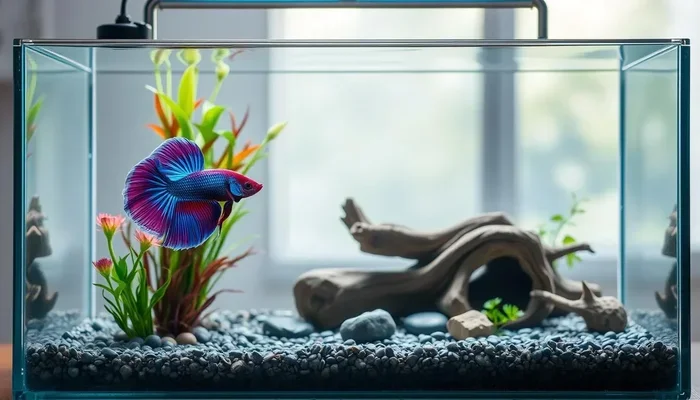
Yes, it is normal for betta fish to lay around sometimes, but constant lethargy can signal a problem. Understanding your betta’s behavior helps you catch health issues early and keep your fish happy. This guide covers the top reasons bettas become inactive and what you can do about it.
Have you ever stared at your betta fish tank and thought, “Why does my betta just sit there?” You are not alone. Many betta fish owners notice their fish laying around and wonder if something is wrong. The truth is, betta fish resting is completely normal sometimes. But constant laziness can be a red flag for bigger issues. This guide walks you through everything you need to know about why your betta might be lying around and what you can do to help.
Betta fish are fascinating creatures with big personalities. They flare their fins, build bubble nests, and explore their tanks with curiosity. So when they suddenly become still and quiet, it is natural to feel concerned. Whether your betta is sleeping, stressed, or sick, understanding the cause is the first step toward a solution. Let us dive into the world of betta fish behavior and find out what is going on.
Key Takeaways
- Occasional laziness is normal: Bettas naturally rest and sleep throughout the day.
- Water temperature matters a lot: Cold water slows bettas down significantly.
- Watch for warning signs: Loss of appetite and faded colors point to illness.
- Tank size and setup affect activity: A proper environment keeps bettas engaged and healthy.
- Simple changes boost energy: Small adjustments to care routines make a big difference.
- Know when to seek help: Persistent lethargy may require treatment or a vet visit.
📑 Table of Contents
- What Does It Mean When a Betta Fish Lays Around?
- Common Reasons Why Your Betta Fish Is Laying Around
- How to Tell if Laying Around Is Normal or a Warning Sign
- How to Encourage Your Betta Fish to Be More Active
- When to Worry and Seek Help
- Creating the Ideal Environment for Your Betta Fish
- Final Thoughts
What Does It Mean When a Betta Fish Lays Around?
When people say their betta fish is “laying around,” they usually mean the fish is staying at the bottom of the tank or resting in one spot for long periods. Bettas are not like goldfish that constantly swim around. They have natural rest periods where they float in place or rest on the substrate. This behavior is part of their normal betta fish behavior.
However, there is a big difference between a relaxed, resting betta and a lethargic, unhealthy one. A happy betta that is simply resting will still respond when you approach the tank. They may flare their fins or swim up for food. A sick or stressed betta, on the other hand, will barely move and may even lie on their side. Paying attention to these details helps you tell the difference.
Bettas are also crepuscular, which means they are most active during dawn and dusk. During the middle of the day or late at night, you might notice your betta being less active. This is perfectly normal and nothing to worry about. Think of it like your own energy levels throughout the day.
Normal Resting vs. Problematic Lethargy
Here is a simple way to tell the difference. A betta that is resting will:
- Float gently in one spot
- Respond to movement outside the tank
- Swim up eagerly during feeding time
- Have bright, vibrant colors
- Build bubble nests regularly
A betta that is lethargic and potentially unwell will:
- Stay at the bottom and not move much
- Ignore food completely
- Show faded or dull colors
- Breathe rapidly or struggle at the surface
- Lie on their side or clump their fins close to their body
These signs help you quickly assess whether your betta is just taking a nap or needs your attention.
Common Reasons Why Your Betta Fish Is Laying Around
Several factors can cause your betta to become less active. Let us explore the most common ones so you can figure out what might be going on with your fish.
1. Water Temperature Is Too Low
This is the number one reason bettas become lazy. Betta fish are tropical and need warm water to stay active. The ideal temperature range is between 78 and 80 degrees Fahrenheit. When the water drops below 74 degrees, your betta’s metabolism slows way down. They become sluggish, eat less, and may even develop ich or other diseases.
If you do not have a heater in your tank, this should be your first check. Even small temperature swings can stress your fish. Using a reliable aquarium thermometer helps you keep things stable. Check out our guide on what is the ideal temperature for betta fish for more details on keeping the water warm and comfortable.
2. Poor Water Quality
Dirty water is a silent killer for betta fish. Ammonia and nitrite buildup from waste and uneaten food can make your betta feel terrible. When water parameters are off, bettas become stressed and inactive. They may also stop eating and hide more than usual.
Regular water changes are essential. Aim to change about 25 to 30 percent of the water every week. Test your water parameters regularly using an aquarium test kit. The pH should stay between 6.5 and 7.5, and ammonia and nitrite levels should always be at zero. If you are new to water changes, check out our article on how to properly care for betta fish for a step-by-step routine.
3. Boredom and Lack of Enrichment
Yes, betta fish get bored too. A bare tank with nothing to explore can make any fish lethargic over time. Bettas are curious creatures that enjoy exploring their surroundings. Without stimulation, they may simply float around or rest because there is nothing else to do.
Adding live plants, caves, and gentle decorations gives your betta something to investigate. Silk plants are a great choice because they are soft and will not tear delicate fins. You can also try floating plants like water wisteria, which bettas love to rest under. A well-decorated tank makes a huge difference in your fish’s mood and energy.
4. Overfeeding or Poor Diet
It is easy to overfeed a betta fish. They will happily eat everything you give them, but too much food leads to bloating, constipation, and lethargy. A bloated betta will often lay at the bottom of the tank and struggle to swim properly.
Feed your betta small amounts twice a day, about two to three pellets or a pinch of frozen food per feeding. Skip one feeding day per week to help their digestive system stay healthy. High-quality betta pellets should form the base of their diet, supplemented occasionally with bloodworms or brine shrimp as treats.
5. Illness or Disease
Sometimes, laying around is a sign that your betta is sick. Common betta illnesses that cause lethargy include fin rot, velvet disease, swim bladder disorder, and parasitic infections. If your betta is not eating, has clamped fins, or shows white spots, illness is likely the culprit.
Catching diseases early makes treatment much easier. If you suspect your betta is sick, isolate them in a quarantine tank and start treatment right away. Our guide on how to care for sick betta fish covers the most common illnesses and how to treat them effectively.
6. Old Age
Betta fish typically live between three and five years. As they age, they naturally become less active. An older betta may sleep more and swim more slowly. This is a completely normal part of the aging process and nothing to be alarmed about. Just make sure their water stays clean and warm so they are comfortable in their golden years.
How to Tell if Laying Around Is Normal or a Warning Sign
Figuring out whether your betta’s lazy behavior is normal requires looking at the big picture. No single sign tells the whole story. You need to consider several factors together.
Start by observing your betta over a few days. Note their eating habits, swimming patterns, and color. Take pictures so you can compare changes over time. A betta that eats well, has bright colors, and rests occasionally is probably just fine. A betta that stops eating, loses color, and stays motionless for hours needs attention.
Here is a quick checklist you can follow:
- Check the temperature: Is the water between 78 and 80 degrees?
- Test the water: Are ammonia and nitrite at zero?
- Watch feeding time: Does your betta come up to eat?
- Look at their colors: Are they vibrant or faded?
- Examine their fins: Are they spread out or clamped?
- Notice breathing: Is their gill movement slow and steady?
If most answers check out, your betta is probably just resting. If several answers raise red flags, it is time to take action.
How to Encourage Your Betta Fish to Be More Active
If your betta seems too lazy, there are several things you can do to boost their energy and engagement. Most of these changes are simple and affordable.
Optimize the Tank Setup
Make sure your betta has enough space to swim. A tank of at least 5 gallons is recommended. Smaller tanks cause stress and boredom. Add gentle current by using a sponge filter on low settings. Bettas prefer calm water, but a little movement keeps them stimulated.
Arrange plants and decorations to create open swimming areas and cozy hiding spots. This gives your betta choices and encourages natural exploration behavior. A well-thought-out tank setup does wonders for fish activity levels.
Maintain a Consistent Routine
Bettas thrive on routine. Feed them at the same times each day. Do water changes on a regular schedule. Keep the lights on a consistent cycle, ideally 8 to 10 hours of light followed by 10 to 12 hours of darkness. Predictability reduces stress and promotes healthy activity patterns.
Introduce Interactive Elements
Some bettas enjoy chasing food from tweezers or exploring new decorations. You can also try floating a betta leaf hammock near the surface. These simple additions give your fish something to do and encourage natural behaviors like resting and exploring.
Quick Tips to Boost Betta Activity
- Keep the water warm and stable
- Perform regular water changes
- Add live or silk plants for enrichment
- Feed a varied, high-quality diet
- Avoid tapping on the tank glass
- Place the tank in a quiet area with natural light
- Talk to your betta gently to build trust
When to Worry and Seek Help
Most of the time, a laying-around betta just needs a small adjustment. But there are moments when you should seek professional help. If your betta stops eating for more than three days, shows signs of labored breathing, or lies on its side for extended periods, these are serious warning signs.
Swim bladder disorder is a common condition that causes bettas to float abnormally or lay on their side. It is often caused by overfeeding or constipation. Fasting your betta for two to three days and feeding a peeled pea can help. If the problem persists, consult a veterinarian who specializes in fish.
Do not panic if your betta gets sick. Most common betta illnesses are treatable with the right approach. The key is catching the problem early and acting quickly. Keeping your tank clean and maintaining proper water parameters goes a long way in preventing diseases in the first place.
Creating the Ideal Environment for Your Betta Fish
The best way to keep your betta active and healthy is to create an environment that meets all their needs. This means getting the basics right: proper tank size, warm water, clean conditions, and a stress-free space.
A 5-gallon tank or larger gives your betta room to swim and explore. Add a gentle filter to keep the water clean without creating too much current. Use a heater to maintain a steady temperature in the 78 to 80 degree range. Live plants not only improve water quality but also make the tank feel natural and inviting.
Avoid sharp decorations that can damage your betta’s long fins. Choose soft silk plants and smooth rocks instead. Keep the tank in a quiet area away from loud noises and direct sunlight, which can cause temperature spikes. A peaceful environment helps your betta feel safe and encourages natural activity.
Remember that every betta has its own personality. Some are energetic and curious, while others are calm and laid-back. Getting to know your individual fish helps you understand what is normal for them specifically. What matters most is that your betta is healthy, eating well, and showing interest in their surroundings.
Final Thoughts
So, is it normal for betta fish to lay around? The short answer is yes, sometimes. Bettas need their rest just like any other living creature. But persistent lethargy is a sign that something needs attention. By monitoring water temperature, keeping the tank clean, feeding properly, and watching for warning signs, you can keep your betta happy and active for years to come.
Take the time to understand your betta’s unique personality and habits. Small changes to their care routine can make a big difference. Your betta fish is counting on you to provide a healthy home, and the effort is absolutely worth it when you see your fish swimming happily and building bubble nests again.
Frequently Asked Questions
Why is my betta fish laying at the bottom of the tank?
Your betta may be resting, which is normal, or the water temperature could be too low. Cold water slows bettas down significantly. Poor water quality, overfeeding, or illness can also cause bottom-dwelling behavior. Check the temperature first, then test the water parameters to rule out other causes.
How can I tell if my betta is sleeping or sick?
A sleeping betta will still respond to food and movement. A sick betta will ignore food, have faded colors, and may lie on their side. Look for clamped fins, rapid breathing, and loss of appetite as signs of illness rather than just rest.
What temperature is best for keeping betta fish active?
The ideal temperature range is 78 to 80 degrees Fahrenheit. Below 74 degrees, bettas become sluggish and inactive. A reliable aquarium heater and thermometer help you maintain the perfect temperature for your fish’s energy levels.
Can boredom cause a betta fish to lay around?
Yes, absolutely. Bettas are curious fish that need mental stimulation. A bare tank with no decorations or plants can lead to boredom and lethargy. Adding plants, caves, and gentle enrichment encourages natural exploration and keeps your betta engaged.
How often should I feed my betta fish to keep them active?
Feed your betta small amounts twice a day, about two to three pellets per feeding. Overfeeding causes bloating and lethargy. Skipping one feeding day per week helps digestion. A varied diet of high-quality pellets and occasional treats keeps bettas healthy and energetic.
When should I take my betta to a vet?
Take your betta to a vet if they stop eating for more than three days, show labored breathing, lie on their side for extended periods, or develop white spots and torn fins. Early treatment of illnesses leads to better outcomes and faster recovery for your fish.