Is It Better to Fish While Its Raining
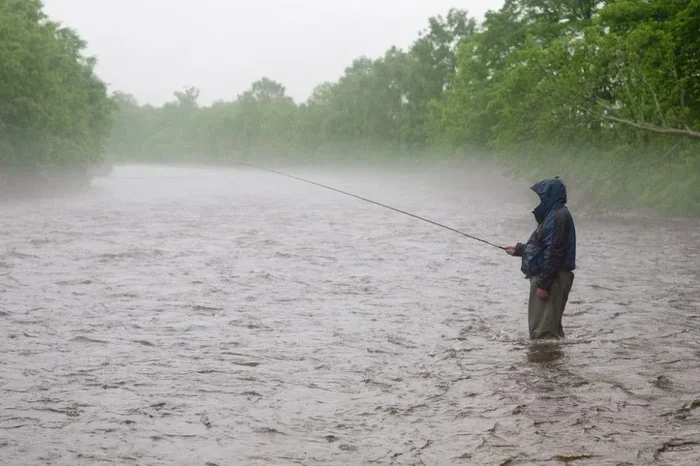
Yes, fishing while its raining can be incredibly productive. Rain triggers fish to feed more actively, drops water temperature, and washes insects into the water. Light to moderate rain is often the best time to cast your line, but heavy storms can push fish deeper and make conditions unsafe.
Key Takeaways
- Rain stimulates fish feeding: The sound and vibration of rain drive fish to the surface and increase their appetite.
- Light rain is better than heavy rain: Moderate rainfall creates ideal conditions, while thunderstorms can be dangerous and less productive.
- Fish behavior changes before, during, and after rain: Each phase offers unique opportunities for successful fishing.
- Safety matters most: Always check weather conditions and avoid fishing during lightning or strong currents.
- Gear and technique adjustments help: Using the right lures and presentations during rain can dramatically improve your catch rate.
- Freshwater fish especially benefit: Species like bass, trout, and catfish tend to be more active during rainy conditions.
📑 Table of Contents
- Is It Better to Fish While Its Raining?
- How Rain Affects Fish Behavior
- Benefits of Fishing in the Rain
- When Fishing in Rain Goes Wrong
- Best Species to Target When It Is Raining
- Tips for Successful Fishing in the Rain
- Fishing Before, During, and After Rain Compared
- Common Mistakes to Avoid When Fishing in Rain
- Expert Insights on Rain Fishing
- Final Thoughts
Is It Better to Fish While Its Raining?
Anglers have debated this question for decades. Some swear by fishing during a downpour. Others wait for clear skies. The truth is, fishing while its raining can offer some of the best opportunities you will ever have on the water. But it depends on the type of rain, the species you are targeting, and how prepared you are.
Rain changes the water in ways that directly affect fish behavior. It cools the surface temperature, washes food into the water column, and creates low-light conditions that make fish feel safer. All of these factors combine to make rainy day fishing a seriously underrated strategy.
If you have been sitting on the dock wondering whether to grab your rod when the clouds roll in, this guide has your answer. We will break down exactly what happens underwater when it rains, which species respond best, and how you can use the weather to your advantage.
How Rain Affects Fish Behavior
Understanding why fish behave differently during rain is the first step to becoming a better angler in wet conditions. When rain hits the water surface, it creates noise and vibration. Fish sense these changes through their lateral lines. This triggers a feeding response in many species.
The Science Behind Fish Feeding During Rain
Raindrops create ripples and disturbances on the water surface. These disturbances mimic the movement of natural prey. Insects get knocked into the water. Worms wash in from the banks. Small baitfish get stirred up. All of this creates a feast for fish below the surface.
Fish also notice the drop in barometric pressure that often comes with rain. Many species interpret this as a signal to feed aggressively. This is why fishing during light rain can produce some of the best catches of your trip.
Water Temperature Changes
Rain cools the surface layer of water. In warm months, this can make the temperature more comfortable for fish that prefer cooler conditions. Trout and bass, for example, often become more active when the water cools slightly. In hot summer months, a sudden rain shower can turn slow fishing into nonstop action.
However, in colder months or seasons, rain can drop temperatures too much and make fish sluggish. Timing matters a lot. Fishing weather patterns vary by season, and understanding this helps you plan better trips.
Benefits of Fishing in the Rain
There are several real advantages to heading out on the water when it is raining. Let us look at the biggest benefits that make rain fishing worth your time.
1. Increased Fish Activity
The most significant benefit is increased fish activity. Fish move from deeper holding areas to shallower water to feed on the food washed in by rain. This means you can find fish in places they normally avoid during sunny conditions. Shoreline fishing and fishing near structure become much more productive.
2. Low Light Conditions
Rain clouds block the sun and create overcast conditions. Fish feel more secure in low light. They venture out from cover and into open water. This is especially true for species like bass and catfish that prefer low-light feeding windows. If you have ever wondered why early morning fishing works so well, the same logic applies to rainy days.
3. Fewer People on the Water
Let us be honest. Most anglers stay home when it rains. This means less boat traffic, fewer crowds, and more peaceful fishing. You may find yourself with entire stretches of water to yourself. Less fishing pressure often leads to bigger and bolder fish willing to bite.
4. Natural Food Wash-In
Rain washes insects, worms, and other terrestrial food into the water. This natural buffet draws fish to the surface and into shallower areas. Using topwater lures or bait that mimics these washed-in food sources can be incredibly effective during and after a rain event.
When Fishing in Rain Goes Wrong
Rain is not always your friend. There are situations where fishing during or after heavy rain can be dangerous and unproductive. Knowing when to stay home is just as important as knowing when to go.
Heavy Storms and Thunder
Thunderstorms pose a serious safety risk. Lightning can strike water and the surrounding area. If you hear thunder, get off the water immediately. Fishing during a thunderstorm is never worth the risk to your life.
Heavy rain also causes flash flooding, strong currents, and murky water conditions. Fish may retreat to deep water and become very difficult to locate. Fishing in heavy rain during a storm rarely produces good results anyway.
Too Much Murkiness
When rain causes rivers and lakes to become extremely muddy, fish visibility drops dramatically. Some species stop feeding altogether in turbid water. While a few species like catfish actually thrive in muddy conditions, most freshwater fish prefer slightly stained water rather than full mud.
Post-Storm Debris and Hazards
After a heavy storm, floating debris, fallen trees, and changed water levels can make fishing spots dangerous or inaccessible. Always scout your fishing location after a big rain event before wading or boating.
Best Species to Target When It Is Raining
Not all fish respond the same way to rain. Some species absolutely love rainy conditions. Others could not care less. Here are the best species to target when the skies open up.
Bass
Bass are one of the most responsive species to rain. The combination of low light, cooler water, and washed-in prey makes them aggressive feeders. Largemouth bass move shallow to ambush baitfish pushed in by rain. Smallmouth bass become active in rivers and streams where rain increases current and oxygen levels.
Trout
Trout love the cooler water temperatures that rain provides. In streams and rivers, rain triggers insect hatches and pushes food into the current. Rainbow trout and brown trout often feed more aggressively on overcast, rainy days. Fly fishing during light rain can be absolutely magical for trout.
Catfish
Catfish are bottom feeders that respond well to rain. The runoff carries food into the water and stirs up the substrate. Channel catfish and blue catfish become more active in rivers after a good rain. Fishing for catfish at night during or after rain can be especially productive.
Crappie and Bluegill
Panfish like crappie and bluegill also benefit from rainy conditions. They move shallower to feed on the increased insect and baitfish activity. Crappie fishing in the rain can be surprisingly effective, especially around submerged structure and cover.
Tips for Successful Fishing in the Rain
Now that you know why fishing in rain works, let us talk about how to do it right. These practical tips will help you make the most of every rainy fishing trip.
1. Go During Light to Moderate Rain
Light rain is the sweet spot. It creates surface disturbance without making conditions dangerous. Fish are active, visibility is low enough to make them feel safe, and the water is not yet too muddy. Is fishing better when it is raining lightly? Absolutely. This is when most anglers see the best results.
2. Use Dark-Colored Lures
In low-light and murky conditions, fish rely more on vibration and contrast than sight. Dark-colored lures like black, brown, and dark green stand out more in stained water. Spinnerbaits, dark jigs, and soft plastics in these colors can be deadly during rain.
3. Focus on Shoreline and Structure
Rain pushes baitfish and food toward the shore and structure. Fish follow the food. Focus your efforts on points, drop-offs, fallen trees, and shoreline vegetation. Fishing near structure during rain puts you right where the fish are feeding.
4. Adjust Your Timing
The period right before a storm, during steady rain, and the first hour after rain stops are all prime windows. Fishing before a storm can be excellent because the dropping barometric pressure triggers feeding. Fishing after rain works well when fresh food is still washing into the water.
5. Stay Safe and Comfortable
Wear waterproof gear and appropriate rain clothing. A quality rain jacket and waterproof boots make a huge difference. Safety should always come first. If conditions worsen, do not hesitate to head to shore.
Fishing Before, During, and After Rain Compared
Each phase of a rain event offers different opportunities. Understanding these differences helps you plan your trip more effectively.
Before the Rain
Barometric pressure drops before a storm. Fish sense this change and often feed aggressively in the hours leading up to the rain. This is a great time to fish. Is it better to go fishing before or after rain? For many species, the answer is before the rain starts.
During the Rain
Light to moderate rain keeps fish actively feeding. The surface disturbance drives food into the water column and creates low-light conditions. Is fishing better when it is raining? Yes, especially during steady, light rainfall that does not cause flooding or dangerous conditions.
After the Rain
The post-rain period can be incredibly productive. Fresh food continues to wash in. Water levels rise and fish spread into newly flooded areas. However, if the rain was too heavy and caused extreme murkiness, fish may take time to adjust. Fishing after a gentle rain often produces the best results.
| Phase | Fish Activity | Water Conditions | Best For |
|---|---|---|---|
| Before Rain | High feeding activity | Stable, slightly dropping pressure | Bass, trout, panfish |
| During Light Rain | Very active | Cooler surface, low light | Bass, catfish, trout |
| During Heavy Rain | Low to moderate | Murky, strong currents | Catfish only |
| After Light Rain | High, especially near shore | Stained but not muddy | All species |
| After Heavy Rain | Slow to recover | Very muddy, high water | Wait for clarity |
Common Mistakes to Avoid When Fishing in Rain
Even experienced anglers make mistakes during rainy fishing trips. Avoiding these common errors will help you stay safe and catch more fish.
- Ignoring lightning warnings: Never stay on the water when thunder is present. Get off immediately.
- Using bright or flashy lures: In low light and murky water, bright colors disappear. Stick to dark and natural tones.
- Fishing the same spots: Rain changes where fish are located. Do not stay in one spot if it is not producing.
- Wearing cotton clothing: Cotton stays wet and makes you cold. Wear moisture-wicking and waterproof layers.
- Overlooking safety gear: A life jacket is even more important when water levels rise and currents strengthen.
- Expecting the same results as sunny days: Fish behavior changes in the rain. Adjust your expectations and your techniques accordingly.
Expert Insights on Rain Fishing
Professional bass anglers and tournament fishermen often say that rainy weather fishing is one of their favorite conditions to compete in. The reduced pressure from other anglers and the aggressive feeding behavior of bass make it a prime opportunity.
Many experts also point out that fishing in the rain works best when you combine it with knowledge of local water conditions. A light rain on a warm summer lake is very different from a cold rain on a spring river. Understanding your specific fishery and how rain affects it will set you apart from other anglers.
Experienced anglers also recommend paying attention to water runoff sources. Streams and creeks flowing into a lake after rain carry food and oxygen. Fish position themselves near these inflows to take advantage of the fresh resources.
Final Thoughts
Is it better to fish while its raining? The answer is a clear yes, with some important caveats. Light to moderate rain creates some of the best fishing conditions you will ever experience. Fish feed more aggressively, water temperatures become more comfortable, and low light makes fish feel safe enough to move into shallower water.
At the same time, safety must always come first. Never fish during thunderstorms or in dangerous flood conditions. Heavy rain that causes extreme murkiness can also reduce your chances of success.
The next time dark clouds roll in and the first drops start to fall, do not pack up your gear. Grab your rod, adjust your technique, and head to the water. Fishing while its raining might just give you the best catch of your season.
Remember, every rain event is different. Pay attention to the conditions, adapt your approach, and enjoy the experience. Whether you are targeting bass in a local lake or trout in a mountain stream, rain can transform your fishing trip into something truly special.
Frequently Asked Questions
Is it better to fish before or after rain?
Fishing before rain often produces excellent results because the dropping barometric pressure triggers aggressive feeding. However, fishing after a light rain can also be very productive as fresh food washes into the water. The best approach depends on the species you are targeting and the intensity of the rainfall.
What kind of fish are most active in the rain?
Bass, trout, and catfish are among the most active species during rainy conditions. Bass move shallow to feed, trout become more aggressive in cooler water, and catfish thrive in the increased current and runoff that rain creates.
Can you catch fish during heavy rain?
You can, but results are usually lower than during light rain. Heavy rain makes water murky, creates strong currents, and can push fish into deep water. Safety is also a major concern during heavy rain and thunderstorms. Always prioritize staying safe over catching fish.
What lures work best for fishing in the rain?
Dark-colored lures like black jigs, dark spinnerbaits, and natural-toned soft plastics work best in low-light and murky rain conditions. These lures provide the contrast and vibration that fish rely on when visibility is reduced.
Is it safe to fish in the rain?
Light to moderate rain is generally safe if you wear appropriate waterproof gear and avoid lightning. Never fish during thunderstorms or when flooding occurs. Always check the weather forecast before heading out and have a plan to get off the water quickly if conditions worsen.
Does rain make fish bite better?
In many cases, yes. Rain creates low-light conditions, cools the water, and washes food into the water column. These factors combine to trigger feeding responses in many freshwater species. Light rain is especially effective at getting fish to bite more aggressively.
=== CONCLUSION ===
Fishing while its raining is one of the most underutilized strategies in freshwater angling. The combination of increased fish activity, low-light comfort for fish, and reduced fishing pressure makes rainy days some of the best days on the water. Whether you are a bass fisherman chasing lunker catches or a trout angler enjoying a peaceful stream, rain opens up opportunities that sunny days simply cannot match.
Just remember to respect the weather. Light rain is your friend. Heavy storms are not. By understanding how rain affects fish behavior and adjusting your technique accordingly, you will catch more fish and have more fun on every trip.
So the next time the forecast calls for rain, do not cancel your plans. Embrace it. Grab your gear, head to your favorite spot, and enjoy the rewards of fishing in the rain. You might be surprised at just how good it can be.