Is It Better to Fish in the Rain or Sun
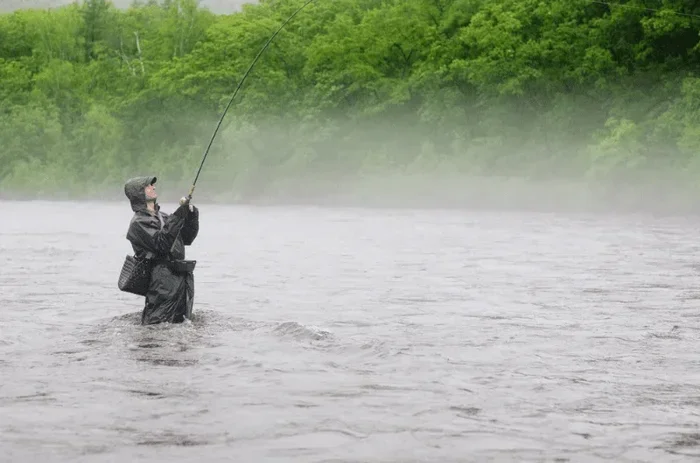
Many anglers wonder if it is better to fish in the rain or sun. The answer depends on several factors like water temperature, light levels, and fish activity. Rain can boost oxygen levels and trigger surface feeding, while sun encourages fish to seek shade and deeper water. Understanding these differences helps you choose the right conditions for a successful day on the water.
Every angler has stood at the dock and asked the same question. Should I head out today or wait? The weather plays a huge role in fishing success. And one of the biggest debates is whether is it better to fish in the rain or sun. Both conditions offer unique advantages. But understanding how each one affects fish behavior can make all the difference.
Fish are creatures of habit. They respond to changes in light, temperature, and oxygen levels. When it rains, the water gets cooler and more oxygen-rich. When the sun shines, fish seek shade and deeper spots. Each scenario demands a different strategy. This guide breaks down everything you need to know about fishing in different weather. You will learn what works, what does not, and how to adapt like a pro.
Key Takeaways
- Rain often improves fishing: It increases oxygen, reduces light, and makes fish more active near the surface.
- Sun fishing has its own advantages: Fish move to shaded spots and deeper areas, requiring different tactics.
- Cloudy conditions combine benefits: Overcast skies create ideal fishing weather in many cases.
- Water temperature matters: Both rain and sun change water temps, which directly affects fish behavior.
- Barometric pressure plays a role: Falling pressure before rain often triggers aggressive biting.
- Timing is everything: Early morning sun and post-rain sessions can both be highly productive.
- Adapt your approach: Match your bait, location, and technique to the current weather conditions.
📑 Table of Contents
Why Weather Matters for Fishing
Weather is not just background noise for your fishing trip. It directly shapes fish behavior. Fish are cold-blooded creatures. Their body temperature matches the water around them. So when the weather shifts, everything changes. Their feeding patterns, movement, and energy levels all respond to conditions above the surface.
Light is one of the biggest factors. Bright sunshine pushes fish into deeper water or under cover. Overcast skies and rain soften the light. This makes fish feel safer and more willing to feed near the surface. Weather patterns also affect barometric pressure. Many experienced anglers watch the forecast closely before heading out.
How Fish Respond to Light Conditions
Fish have sensitive eyes. They use light levels to decide when and where to feed. In bright sun, they avoid open water. They hide under docks, lily pads, and submerged structures. In low light or cloudy conditions, they venture out more freely. This is why many anglers prefer early morning and late evening sessions.
Rain adds another layer. It creates ripples and breaks up the surface. This further reduces light penetration. Fish feel less exposed and more confident about feeding. The combination of low light and increased oxygen makes rainy day fishing particularly effective in many situations.
Fishing in the Rain: What Happens
Rain transforms the fishing environment in several ways. First, it cools the water surface. This drives fish upward in search of food washed in from the shore. Second, rain adds oxygen to the water. Fish become more active and aggressive. Third, the reduced light makes them feel protected.
Many anglers swear by fishing in the rain. The results often speak for themselves. Surface feeding becomes more common. Bass, trout, and panfish all tend to bite more actively during and after rainfall. The key is knowing how to position yourself and what to use as bait.
The Oxygen Factor
Raindrops hit the water surface and create tiny disturbances. These disturbances dissolve oxygen into the water. Higher oxygen levels boost fish metabolism. Fish become more energetic and hungry. This is one of the main reasons fishing in the rain often outperforms sunny conditions.
Runoff from rain also carries insects, worms, and other food into the water. Fish notice this buffet. They move toward the shoreline and feeding zones. This makes casting near banks and inflow points especially productive during a rain shower.
Rain and Barometric Pressure
Falling barometric pressure often precedes a rainstorm. Fish sense this change. Many species feed aggressively before a front arrives. This is sometimes called “weather feeding.” Savvy anglers plan their trips around these pressure drops.
After the rain passes, conditions can remain excellent. The water stays oxygen-rich. The skies may clear partially. Fish continue feeding for hours. This is why many experienced fishers check the weather forecast and time their trips around incoming weather systems.
Fishing in the Sun: What to Expect
Sunny weather does not mean you should stay home. But it does require a different approach. Fish behave very differently under bright conditions. They seek shade and deeper water. They become more cautious and selective about feeding.
When the sun is high, light penetrates deeper into the water. This pushes fish down. They look for structure, cover, and cooler temperatures. Topwater lures may still work in the early morning. But as the day heats up, you need to adjust your depth and presentation.
Finding Fish in Sunny Conditions
In bright sun, focus on shaded areas. Docks, overhanging trees, and rock piles become prime spots. Fish hold just beneath these structures and wait for food. Pitching your bait into these shadow zones often produces better results than casting into open water.
Water clarity also matters in sunny conditions. Clear water makes fish more wary. They can spot your line and lure easily. Use lighter line and natural-colored baits. Keep your movements slow and deliberate. In murkier water, bright lures and faster retrieves can trigger reaction strikes.
Best Times to Fish in the Sun
Even on bright days, there are windows of opportunity. Early morning, before the sun climbs high, is often the best time. The light is low. Fish are active and feeding near the surface. Late afternoon and evening offer similar advantages.
Midday sun can be tough. But fishing deep structure can still produce results. Try dropping your bait near underwater ledges and drop-offs. The key is to match the depth and shade where fish are holding. Many anglers also find success fishing during overcast sunny days when the clouds soften the light.
Comparing Rain Fishing vs Sun Fishing
Both rain and sun have their strengths. But they work in very different ways. Understanding the comparison helps you make better decisions on the water. Let us break down the key differences.
| Factor | Rain Fishing | Sun Fishing |
|---|---|---|
| Light Level | Low, diffused | Bright, direct |
| Water Temperature | Cooler surface | Warmer surface |
| Oxygen Levels | Higher | Lower near surface |
| Fish Activity | More active, near surface | More cautious, deeper |
| Best Baits | Topwater, bright colors | Natural colors, deep rigs |
| Best Locations | Shoreline, inflows, banks | Shade, structure, deep water |
| Biting Window | During and after rain | Early morning, late evening |
There is no single winner in this comparison. The best choice depends on the species you target, the season, and your local conditions. Some days, rain fishing will dominate. Other days, sun fishing will deliver better results. The real skill lies in reading the conditions and adapting accordingly.
If you want to explore how cloudy skies compare to sunny ones, check out our guide on is it better to fish when cloudy or sunny. This can help you understand how overcast days fit into the bigger picture.
Tips for Success in Any Weather
Great anglers adapt. They do not blame the weather for slow days. Instead, they adjust their strategy and find fish wherever they are hiding. Here are practical tips that work in both rain and sun.
- Watch the forecast: Plan your trip around falling barometric pressure for the best biting windows.
- Carry multiple lure options: Bring both topwater lures for rain and deeper-running baits for sun.
- Fish the edges: Transition zones where shallow meets deep are productive in any weather.
- Stay safe: Rain can make banks slippery and thunderstorms dangerous. Always prioritize safety.
- Observe the water: Look for ripples, baitfish breaking the surface, and bird activity as clues.
- Match the hatch: Use baits that mimic what is naturally available in the current conditions.
Patience is your best tool. Some of the best catches happen when conditions seem less than ideal. Keep trying different spots and techniques. The fish will eventually reward your persistence.
Common Mistakes to Avoid
Even experienced anglers make errors when weather changes. Avoiding these mistakes can save you frustration and improve your catch rate significantly.
- Ignoring the forecast: Many anglers skip checking the weather. This leads to wasted trips and unsafe situations.
- Sticking to one technique: If sunny morning turns cloudy and rainy, keep your lures and methods flexible.
- Fishing too shallow in the sun: Bright conditions push fish deep. Casting into shallow open water rarely works at midday.
- Using too much line: In clear sunny water, fish can see heavy line easily. Switch to lighter, less visible options.
- Quitting too early in the rain: Many anglers leave when the rain starts. But this is often when the action begins.
These mistakes are easy to avoid with a little preparation. Study the conditions before you cast your line. Adjust your approach as the weather shifts. Small changes in strategy often lead to big improvements in results.
Expert Insights on Weather and Fishing
Seasoned anglers and fisheries biologists agree on one thing. Weather is the single most important variable in fishing. It controls where fish are and how they behave. Understanding this gives you a serious edge on the water.
Experts recommend paying close attention to water temperature changes. Even a one-degree shift can alter feeding patterns dramatically. Rain cools the surface layer quickly. This creates a temperature gradient that fish follow. They move toward the warmer or cooler zones depending on the species and season.
Light penetration is another critical factor. Experts note that fish have peak feeding periods tied to light levels. Dawn and dusk are universally productive. But overcast and rainy conditions can extend these feeding windows throughout the day. This is why many anglers consider fishing when its raining one of the most underrated strategies available.
For those interested in how rain specifically affects fish behavior, our article on why is fishing in the rain better goes deeper into the science behind it.
Also, if you want to understand how fishing in the sun or shade affects your results, check out our dedicated guide on comparing sun versus shade fishing conditions.
Final Thoughts
So, is it better to fish in the rain or sun? The honest answer is both. Each condition offers unique opportunities. Rain energizes fish and brings them to the surface. Sun pushes them to structure and shade where patient anglers can find them. The key is to understand what the weather is doing and adjust your approach.
Fishing success comes from preparation and adaptability. Check the forecast. Study the water conditions. Carry the right gear for whatever weather shows up. And most importantly, get out there and enjoy the experience. Some of the most memorable fishing trips happen in less-than-perfect weather.
Next time you wonder whether to grab your gear, look outside. If rain is in the forecast, embrace it. If the sun is shining, plan accordingly. Either way, you have a great day of fishing ahead. The fish are waiting. You just need to know where to find them.
Frequently Asked Questions
Is it better to fish in the rain or sun for bass?
Bass tend to be more active in the rain because the cooler water and increased oxygen trigger aggressive feeding. However, early morning sun fishing can also be highly productive when bass feed near the surface in low light conditions.
What weather is best for fishing?
Overcast and slightly rainy conditions are often considered the best fishing weather. The reduced light makes fish feel safe, and the increased oxygen levels boost their activity. Falling barometric pressure before a storm is also a prime fishing window.
Does rain make fish bite better?
Yes, rain often improves biting rates. It cools the water, adds oxygen, and washes food into the water column. Fish become more active and willing to feed in these conditions, especially during and shortly after rainfall.
Can you fish in the sun and still catch fish?
Absolutely. Sunny weather requires targeting shaded areas, deeper structure, and adjusting your bait colors and retrieval speed. Early morning and late evening sun sessions can be extremely productive for many species.
Should I fish before or after rain?
Many anglers find that fishing right before a rainstorm is excellent because of falling barometric pressure. Fishing after the rain can also be great as the water remains oxygen-rich and food is abundant near the surface.
What should I wear when fishing in the rain?
Wear waterproof clothing, a wide-brimmed rain hat, and waterproof boots. Layer your clothing so you can adjust as conditions change. Always prioritize safety by avoiding open areas during thunderstorms.