Is Bettes Fish Fry Open Yet

Betta fish fry do not open their eyes right away. Their eyes remain sealed shut for the first few days after hatching. Understanding how betta fry develop helps you provide better care from day one. This guide covers the full timeline of betta fish fry eye development, what to expect, and how to keep your fry healthy and thriving.
Watching betta fish fry grow is one of the most exciting parts of fish keeping. But if you have just noticed a bunch of tiny betta eggs or newborn fry in your tank, you might be wondering about their development. One common question is whether betta fish fry eyes open yet after hatching.
The short answer is no — not right away. Baby bettas are born with their eyes sealed shut. They need a few days before their tiny eyes start to open and function. In this guide, we will walk you through every stage of betta fry development, what to expect with their eyes, and how to give your fry the best start in life.
Whether you are a first-time breeder or a seasoned hobbyist, understanding fry development helps you avoid common mistakes. Let us dive into the details of how baby bettas grow and when you can expect them to open their eyes.
Key Takeaways
- Betta fry eyes stay closed for 2-3 days after hatching before they slowly open.
- Proper water temperature is critical for healthy fry development and eye growth.
- Fry cannot see well during the first week, so they rely on instinct to find food.
- A separate fry tank helps protect newborn bettas from adult fish and keeps conditions stable.
- Feeding tiny live foods like infusoria supports proper growth during the eye-opening stage.
- Avoid bright lights in the fry tank since their eyes are still developing and sensitive.
- Patience is key — every fry develops at its own pace, and delays are normal.
📑 Table of Contents
Understanding Betta Fish Fry Development
Betta fish fry go through several stages after hatching. Each stage has unique needs and milestones. Knowing these stages helps you provide the right care at the right time. The entire process from egg to free-swimming fry takes about two to three days.
The Hatching Stage
When betta eggs first hatch, the fry are tiny and almost transparent. They are usually less than a millimeter long. At this point, their eyes are tightly closed. The fry still have a yolk sac attached to their body, which provides nutrients for the first 24 to 48 hours.
During this stage, the fry do not need food yet. They are absorbing nutrients from the yolk sac. You should keep the water very clean and the temperature stable. Proper water conditions during hatching set the foundation for healthy growth.
The Free-Swimming Stage
Once the yolk sac is fully absorbed, the fry become free-swimming. This usually happens around day two or three after hatching. At this point, they start moving around the tank and looking for food. Their eyes are still closed during this early free-swimming phase.
This is the time to start offering very small foods. Infusoria or liquid fry food works well at this stage. You want to make sure the food particles are small enough for the tiny fry to eat. Fry care at this stage is all about consistency and clean water.
When Do Betta Fish Fry Eyes Open?
This is the most asked question by new betta breeders. The answer is simpler than you might think. Betta fish fry eyes typically begin to open around day three to five after hatching. However, some fry may take a little longer, and that is perfectly normal.
Day-by-Day Eye Development Timeline
Here is a simple breakdown of what happens with betta fry eyes during the first week:
- Day 1: Fry are newly hatched with eyes tightly sealed. They rely on the yolk sac for nutrition.
- Day 2: Fry become free-swimming. Eyes remain closed. They start looking for tiny food particles.
- Day 3: Some fry may show slight eye movement as the eyes begin to separate from the skin.
- Day 4-5: Eyes start to open partially. You may notice tiny dark spots where the eyes are forming.
- Day 5-7: Eyes are mostly open. Fry begin to show basic visual responses to light and movement.
- Week 2: Eyes are fully developed. Fry can now see food and navigate the tank more confidently.
Remember that every fry develops at its own pace. Some may open their eyes on day three, while others might take up to a week. This variation is normal and nothing to worry about.
Why Eyes Stay Closed at First
Betta fry are born with underdeveloped eyes. The eyelids need time to separate and the optical structures need to mature. Just like human babies, betta fry need time before their senses fully function. Keeping the tank environment calm and stress-free during this period is essential.
Also, betta fry are very sensitive to light during this early stage. Bright lights can stress them and even damage their developing eyes. Use dim lighting or keep the tank in a naturally shaded area.
Setting Up the Right Tank for Betta Fry
A proper tank setup makes a huge difference in fry survival and development. Baby bettas are extremely delicate, and even small changes in water conditions can be harmful. Here is what you need to know about creating a safe environment for your fry.
Tank Size and Setup
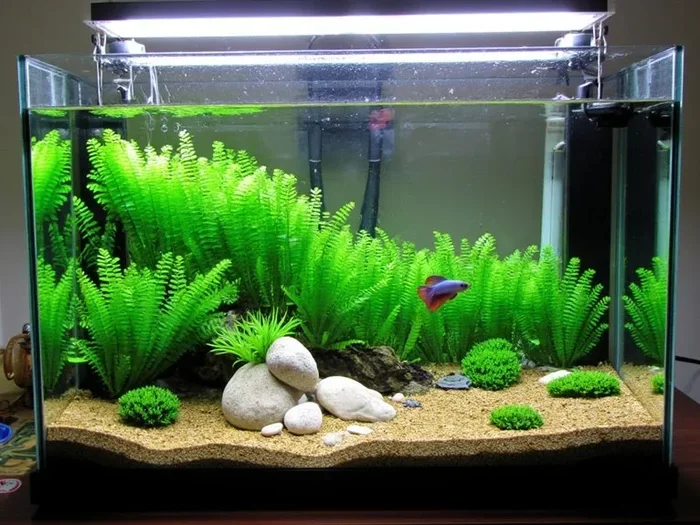
You do not need a large tank for betta fry. A small container or a 5-gallon tank works perfectly. The key is to keep the water volume manageable so you can maintain stable conditions. A small fry tank is easier to monitor and keeps water parameters consistent.
Use a sponge filter on the lowest setting. Strong filtration can suck up tiny fry and harm them. You also want to avoid any strong water flow. The current should be barely noticeable. This helps the fry swim comfortably without getting exhausted.
Temperature and Water Quality
Maintaining the right temperature is one of the most important factors for fry health. The ideal temperature for betta fry is around 78 to 80 degrees Fahrenheit. Stable temperatures promote healthy growth and proper eye development.
If you are unsure about the right temperature for your setup, check our guide on what is the ideal temperature for betta fish for detailed recommendations. Temperature fluctuations can stress the fry and slow their development significantly.
Water changes should be done carefully and frequently. Replace about 10 to 20 percent of the water every other day. Use water that matches the tank temperature exactly. Sudden changes in water conditions are one of the leading causes of fry death.
Lighting Considerations
Since betta fry eyes are developing, you should keep lighting dim. Avoid direct sunlight and strong aquarium lights. Natural indirect light or a low-wattage LED works best. Dim lighting reduces stress and protects the fry’s sensitive developing eyes.
If you are curious about how betta fish behave with their eyes in different situations, you might enjoy our article on do betta fish leave their eyes open when they sleep for fascinating insights into betta eye behavior.
Feeding Betta Fish Fry Properly
Feeding betta fry correctly is crucial for their growth and survival. Since their eyes are closed during the first few days, they rely on instinct and smell to find food. Once their eyes open, they will start responding to visual cues for food.
What to Feed Newborn Fry
During the first three to five days, when the fry eyes are still closed, you should feed them infusoria or liquid fry food. These are extremely small and easy for newborn fry to consume. You can also use a homemade boiled egg yolk solution, but only in tiny amounts to avoid fouling the water.
As the fry grow and their eyes open, you can gradually introduce larger foods. Baby brine shrimp are an excellent next step. They are packed with protein and are the perfect size for growing betta fry.
Feeding Schedule
Fry need to eat several times a day because their stomachs are tiny. Here is a simple feeding schedule:
- Days 1-5: Feed infusoria or liquid fry food 3 to 4 times per day in very small amounts.
- Days 5-10: Continue infusoria and introduce baby brine shrimp nauplii twice daily.
- Week 2 and beyond: Increase portion sizes slightly and feed 2 to 3 times per day.
Remove any uneaten food after a few minutes. Excess food decays quickly and can ruin water quality. Poor water quality is one of the biggest threats to betta fry health.
Common Problems With Betta Fry Development
Even with the best care, problems can arise during fry development. Being aware of these issues helps you respond quickly and save your fry.
Delayed Eye Opening
If some fry have not opened their eyes by day seven or eight, do not panic immediately. Sometimes slower development is normal. However, if most of the fry still have closed eyes after day ten, check your water parameters. High ammonia or nitrite levels can delay development and harm the fry.
Make sure your water is clean and well-cycled. Test the water regularly using a liquid test kit. Clean water is the single most important factor in healthy fry development.
Fry Not Moving or Eating
During the first few days, fry are very still and may not appear to be moving much. This is normal. They are conserving energy and absorbing their yolk sac. If fry are still not moving after day four and their eyes have not started to open, check the water temperature. Cold water can slow down metabolism and development significantly.
Fry Loss and Survival Rates
It is normal to lose some fry during the early stages. Not every egg will hatch, and not every hatchling will survive. Experienced breeders expect a survival rate of about 50 to 70 percent under good conditions. Do not be discouraged if some fry do not make it.
If you plan to keep other fish in the same tank as your betta fry, it is important to choose compatible species carefully. Some fish may eat the tiny fry. Read our guide on can I have other fish with my betta fry to learn which tank mates are safe for baby bettas.
Tips for Maximizing Betta Fry Survival
Raising betta fry successfully requires attention to detail and consistency. Here are some proven tips that experienced breeders use to get the best results.
- Keep water changes small but frequent. This maintains stable conditions without stressing the fry.
- Use a sponge filter only. Hang-on-back filters are too strong and can pull in tiny fry.
- Maintain stable temperature. Use a small aquarium heater designed for tanks under five gallons.
- Feed tiny amounts multiple times daily. Overfeeding is worse than underfeeding for fry.
- Keep the tank covered. Fry can jump out of open tanks, especially when startled.
- Remove any dead fry immediately. Decaying bodies can spike ammonia levels quickly.
- Be patient and observe daily. Watching fry grow is rewarding and helps you catch problems early.
Following these simple tips gives your betta fry the best chance of growing into healthy adult fish. The first two weeks are the most critical, so stay vigilant during this period.
Conclusion
So, is betta fish fry eyes open yet? The answer is that they start opening around day three to five after hatching, with most fry having fully open eyes by the end of the first week. During this time, your main focus should be on maintaining clean water, stable temperature, and offering appropriately sized food.
Raising betta fry is a rewarding experience that requires patience and attention to detail. Every stage of development is fascinating to watch. From sealed eyes to free-swimming babies hunting for their first meal, the journey is truly remarkable.
Remember that each fry develops at its own pace. Some will open their eyes early, and some will take a little longer. As long as your water conditions are stable and you are feeding properly, your fry are likely on track. Enjoy the process and celebrate each small milestone as your tiny bettas grow stronger every day.
Frequently Asked Questions
How long does it take for betta fish fry to open their eyes?
Betta fish fry typically begin opening their eyes around day three to five after hatching. Most fry have fully open eyes by the end of the first week. However, some individual fry may take a little longer, and that is completely normal.
What should I feed betta fry when their eyes are still closed?
When betta fry eyes are still closed, they rely on their yolk sac for nutrition for the first 24 to 48 hours. After that, offer infusoria or liquid fry food. These tiny foods are easy for newborn fry to consume before their eyes fully open.
Can betta fry see before their eyes open?
No, betta fry cannot see before their eyes open. They rely on instinct, smell, and vibration to find food and navigate during the first few days. Once their eyes open, they gradually start responding to light and movement in the tank.
Is it normal for some betta fry to have delayed eye opening?
Yes, it is completely normal. Some fry develop faster than others. As long as the water conditions are good and the fry are active, a slight delay in eye opening is nothing to worry about. Check water parameters if most fry still have closed eyes after day ten.
Should I use any special lighting for betta fry with developing eyes?
Yes, you should keep lighting dim for betta fry with developing eyes. Bright lights can stress them and potentially harm their sensitive developing eyes. Use indirect natural light or a very low-wattage LED to keep the tank softly lit.
How can I tell if my betta fry are healthy during the eye development stage?
Healthy betta fry are active, slowly moving around the tank, and responding to food. Their bodies should be relatively transparent with a visible yolk sac in the early days. If fry are still, not eating, or showing discoloration, check your water quality and temperature immediately.