Can Betta Fish Eat Roaches

Betta fish can indeed eat roaches, but it’s not the ideal staple food. Live roaches provide protein and stimulation, yet they come with risks like parasites and over‑feeding. Use them sparingly and pair with a balanced betta diet for optimal health.
Key Takeaways
- Roaches are safe in moderation: Fresh, gut‑loaded roaches can be an occasional treat for bettas.
- Size matters: Offer roaches no larger than the betta’s mouth to prevent choking.
- Risk of parasites: Wild‑caught roaches may carry diseases; use captive‑bred insects.
- Balanced diet is essential: Combine roaches with high‑quality pellets, flakes, or frozen foods.
- Feeding frequency: One or two roaches two to three times a week is sufficient.
- Observe your fish: Watch for signs of stress or over‑eating after each roach feeding.
- Alternative protein sources: Consider daphnia, bloodworms, or brine shrimp for variety.
Quick Answers to Common Questions
Can betta fish eat live roaches?
Yes, live roaches are safe for bettas when they are gut‑loaded, appropriately sized, and fed in moderation.
How often should I feed roaches to my betta?
Offer 1‑2 roaches two to three times a week as a supplement to a balanced diet.
Do roaches provide all the nutrients a betta needs?
Roaches are high in protein but lack some essential fatty acids and vitamins, so they should not replace pellets or flakes.
Can wild‑caught roaches harm my betta?
Wild roaches may carry parasites or pesticides; always use captive‑bred, pesticide‑free insects.
What should I do with uneaten roach pieces?
Remove leftovers promptly with a net and perform a partial water change to keep water quality high.
📑 Table of Contents
Introduction: Why the Question Comes Up
If you’ve ever watched a betta dart after a wriggling snack, you might wonder, “Can betta fish eat roaches?” The answer is yes, but it’s not as simple as tossing a bug into the tank and calling it a day. Betta fish are natural predators, and their wild ancestors hunted insects that fell onto the water’s surface. In captivity, we try to mimic that hunting instinct while keeping them safe and healthy.
In this article we’ll break down everything you need to know about feeding roaches to your betta. From the nutritional benefits to the hidden dangers, we’ll give you practical tips, real‑world examples, and a clear feeding plan. By the end, you’ll feel confident deciding whether roaches belong in your betta’s menu.
1. Understanding a Betta’s Natural Diet
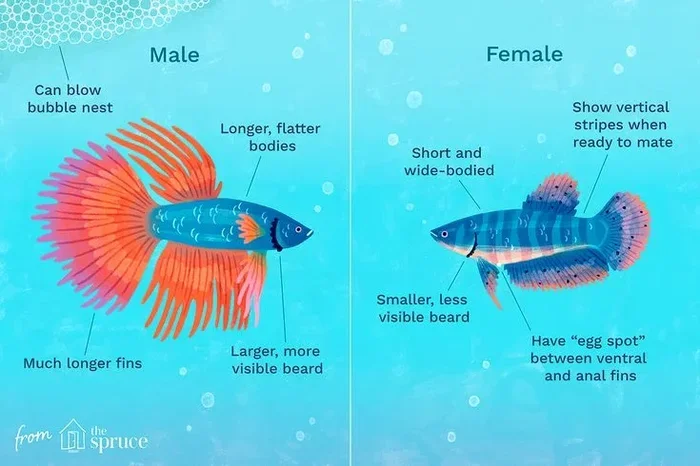
What Betta Fish Eat in the Wild
Betta splendens hail from the shallow, slow‑moving waters of Thailand and Malaysia. Their natural diet is a mix of:

Visual guide about Can Betta Fish Eat Roaches
Image source: i.pinimg.com
- Small insects (mosquito larvae, flies, and yes—roaches)
- Micro‑crustaceans (water fleas, tiny shrimp)
- Worms and larvae
These foods are high in protein and low in fat, which supports the betta’s bright colors and vigorous finnage.
How Captive Diets Compare
In a home aquarium, most owners rely on commercial pellets, flakes, or frozen foods. These products are formulated to meet the betta’s nutritional needs, but many hobbyists also add live or frozen treats for enrichment. The article What Can Betta Fish Eat outlines the full spectrum of acceptable foods, and roaches sit near the top of the “live treat” list.
2. The Nutritional Value of Roaches
Protein Power
Adult roaches contain roughly 20‑25% protein by weight, making them an excellent source of the building blocks needed for muscle and fin growth. This protein is “complete,” meaning it provides all essential amino acids bettas require.
Visual guide about Can Betta Fish Eat Roaches
Image source: mall.iopenmall.tw
Fat and Fiber
Roaches are relatively low in fat (about 5‑7%) and contain a modest amount of chitin, a type of fiber that can aid digestion. However, too much chitin may be hard for a small betta to process, so moderation is key.
Vitamins and Minerals
Live roaches are rich in B‑vitamins and contain trace minerals like calcium and iron. To boost their nutritional profile, many hobbyists “gut‑load” roaches by feeding them nutritious foods (carrots, leafy greens, fish flakes) 24‑48 hours before offering them to the betta.
3. Safety First: Risks Involved
Parasites and Pathogens
Wild‑caught roaches can harbor parasites, bacteria, or fungi that may infect your betta. Even captive‑bred roaches can become contaminated if their food or habitat isn’t clean. Always purchase roaches from a reputable source that raises them on a clean diet.

Visual guide about Can Betta Fish Eat Roaches
Image source: scale.coolshop-cdn.com
Size and Choking Hazard
A betta’s mouth is small—roughly the size of a pea. Offering a roach larger than the fish’s head can cause choking or internal injury. The rule of thumb: the roach should be no bigger than the betta’s eye.
Over‑Feeding and Water Quality
Live foods tend to be messy. Uneaten roach pieces decompose quickly, spiking ammonia levels. Feed only what your betta can consume in 2‑3 minutes, and remove leftovers promptly.
4. How to Feed Roaches Properly
Step‑by‑Step Feeding Guide
- Source quality roaches: Buy from a pet store or online breeder that guarantees pesticide‑free insects.
- Gut‑load the insects: Place roaches in a container with a small amount of high‑quality fish flakes, boiled egg yolk, or leafy greens for 24‑48 hours.
- Rinse gently: Before feeding, give the roaches a quick rinse in dechlorinated water to remove any surface contaminants.
- Size check: Measure the roach against your betta’s eye. If it’s larger, split it in half with clean tweezers.
- Introduce to the tank: Drop the roach onto the water surface using a small cup or turkey baster.
- Observe: Watch the betta hunt. Most will strike within seconds. If the fish ignores the roach, remove it after a few minutes.
- Clean up: Use a net to remove any uneaten pieces and perform a partial water change if needed.
Feeding Frequency and Quantity
For a healthy adult betta, 1‑2 roaches two to three times per week is ample. Younger fry can handle slightly more frequent feedings, but always keep portions small to avoid over‑loading the digestive system.
Combining Roaches with Other Foods
Roaches should complement—not replace—your betta’s staple diet. Pair them with high‑quality pellets (see Can Betta Fish Eat Tropical Flakes) or frozen foods like bloodworms and brine shrimp. This balanced approach ensures your fish gets protein, vitamins, and essential fatty acids.
5. Alternatives to Roaches
Why You Might Choose Something Else
If you’re uneasy about parasites or the mess, there are plenty of other live or frozen options that provide similar benefits:
- Daphnia (water fleas): Tiny, easy to digest, and great for conditioning bettas.
- Bloodworms (fresh or frozen): High in protein and widely available.
- Brine shrimp (nauplii): Excellent starter food for fry and a favorite for adult bettas.
- Silkworm pupae: Rich in protein and low in fat, often sold as “silkworms” for fish.
Each of these alternatives can be gut‑loaded similarly to roaches, giving you flexibility while keeping your tank clean.
6. Monitoring Your Betta’s Health
Signs of a Good Reaction
After feeding roaches, look for these positive indicators:
- Active hunting behavior and quick strikes.
- Bright, vibrant coloration.
- Steady growth (especially in juveniles).
- Normal waste production—firm, dark pellets.
Warning Signs to Watch For
If you notice any of the following, stop feeding roaches immediately and evaluate tank conditions:
- Lethargy or loss of appetite.
- Cloudy or bloated abdomen.
- Faded colors or torn fins.
- Excessive ammonia spikes after feeding.
Persistent issues may require a vet visit or a switch to a different protein source.
Conclusion: Should You Feed Roaches?
So, can betta fish eat roaches? Absolutely—when done responsibly, roaches can be a nutritious, stimulating treat that mimics a betta’s natural hunting experience. The key is to keep the feeding occasional, ensure the insects are clean and appropriately sized, and always pair them with a balanced staple diet.
By following the guidelines above, you’ll give your betta a varied menu that supports vibrant colors, strong fins, and a happy, active temperament. Remember, a healthy betta is a curious betta, and a live roach can be the perfect “playtime” snack—just don’t overdo it!
Frequently Asked Questions
Are there any size restrictions for roaches fed to bettas?
Yes. The roach should be no larger than the betta’s eye to prevent choking or injury.
Can I feed my betta frozen roaches instead of live ones?
Frozen roaches are an option, but they lose some of the natural movement that stimulates hunting behavior.
Is gut‑loading necessary for roaches?
Gut‑loading boosts the nutritional content of the roach, making it a more beneficial treat for your fish.
Will feeding roaches improve my betta’s coloration?
Protein‑rich foods like roaches can enhance color vibrancy, especially when combined with a complete diet.
Can I feed roaches to betta fry?
Fry can eat very small roach nymphs, but it’s safer to start with micro‑foods like infusoria or brine shrimp nauplii.
Do roaches affect water parameters?
Uneaten roaches decompose quickly, raising ammonia; feed only what is consumed and clean leftovers promptly.