Is Betta Fish Lucky for Home

Betta fish are often linked to good fortune in many cultures, but the truth blends folklore with practical care. Understanding their needs and the symbolism can help you decide if a betta is the right lucky addition to your household.
Key Takeaways
- Lucky symbolism varies: Different colors and traditions assign specific luck meanings to bettas.
- Care matters more than myth: A healthy betta brings joy, which many interpret as good luck.
- Tank size and setup are crucial: Even a “lucky” fish can’t thrive in a cramped bowl.
- Longevity adds to the charm: Proper care can give a betta a lifespan of 3‑5 years, extending its positive influence.
- Positive energy is contagious: Watching a vibrant betta can improve mood, which feels like a lucky boost.
- Choose the right color: Some owners prefer red or blue bettas for specific luck beliefs.
- Combine with other good habits: Clean water, right temperature, and balanced diet keep the luck flowing.
📑 Table of Contents
- Introduction: The Sparkling Appeal of Betta Fish
- 1. The History Behind Betta Luck
- 2. What Science Says About Luck and Fish
- 3. Choosing the Right Betta for Luck
- 4. Setting Up a Lucky Home for Your Betta
- 5. Feeding Your Betta for Maximum Good Fortune
- 6. Maintaining the Luck: Routine Care
- Conclusion: Is Betta Fish Lucky for Home?
Introduction: The Sparkling Appeal of Betta Fish
When you first see a betta fish gliding through crystal‑clear water, its vivid fins and calm demeanor can feel almost magical. For centuries, people have whispered that keeping a betta at home brings good fortune, prosperity, and even protection from negative energy. The question “is betta fish lucky for home?” pops up in forums, blogs, and family gatherings alike.
But is there any real basis for these claims, or are they simply charming folklore? In this friendly guide we’ll explore the cultural roots of betta luck, the science behind fish behavior, and the practical steps you need to give your betta the best life possible. By the end, you’ll know whether a betta can truly be a lucky charm for your home—and how to make that charm shine.
1. The History Behind Betta Luck
Ancient Asian Beliefs
Betta fish, also called Siamese fighting fish, originated in the shallow rice paddies of Thailand. Local farmers noticed that the bright colors of male bettas seemed to attract attention and “good vibes.” Over time, they began gifting bettas during festivals, believing the fish could ward off bad spirits and bring wealth.
Modern Western Superstitions
In the West, the idea of lucky fish took off with the popularity of koi ponds. Betta fish, being smaller and easier to keep, became the indoor equivalent. Social media posts often feature a single betta with captions like “My lucky fish for 2024!”—reinforcing the modern myth that a single, well‑cared‑for betta can be a personal talisman.
2. What Science Says About Luck and Fish
Psychology of Positive Pets
Research shows that watching fish can lower stress, lower blood pressure, and improve mood. When you feel better, you’re more likely to notice positive events, which can feel like luck. So, a healthy betta indirectly contributes to a “lucky” atmosphere by boosting your well‑being.

Visual guide about Is Betta Fish Lucky for Home
Image source: cad818.com
Behavioral Indicators of a Happy Betta
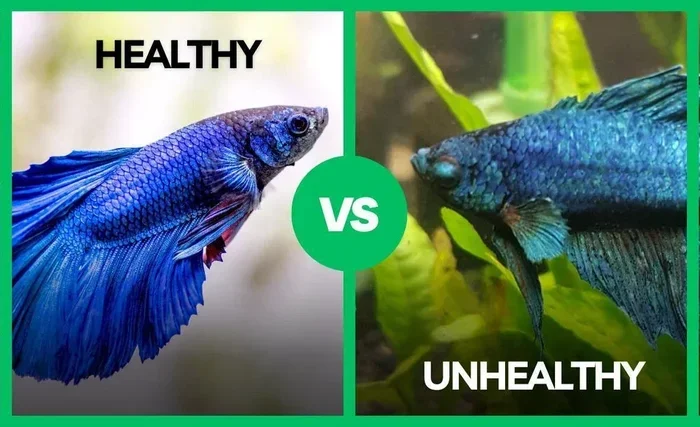
A thriving betta displays bright colors, flares its fins, and explores its environment. These signs mean the fish is stress‑free, which is essential if you want the positive energy you associate with luck. For tips on spotting a happy betta, see How Can You Tell If Your Betta Fish Is Happy.
3. Choosing the Right Betta for Luck
Color and Luck
Different colors carry different meanings in various cultures. Red is often linked to wealth and passion, while blue represents calm and protection. For a deeper dive into color symbolism, read Which Color Betta Fish Is Lucky.

Visual guide about Is Betta Fish Lucky for Home
Image source: a0.muscache.com
Male vs. Female
Male bettas are the showy ones with flowing fins, making them the typical “lucky” choice. Female bettas are less aggressive and can be kept in groups, offering a different kind of companionship. If you prefer a community feel, consider a sorority of females.
4. Setting Up a Lucky Home for Your Betta
Tank Size and Environment
Contrary to the old “bowl” myth, a betta needs at least a 5‑gal tank to swim comfortably. A larger tank also stabilizes water parameters, keeping the fish healthier—and therefore “luckier.” Learn more about tank sizing at What Is A Good Size Tank For A Betta Fish.
Water Quality and Temperature
Betta fish thrive in warm water (76‑82°F). Use a reliable heater and test kits to maintain stable conditions. Poor water can cause stress, dull colors, and a weakened immune system, which defeats the purpose of bringing luck into your home.
Decoration and Live Plants
Live plants not only look beautiful but also improve water quality and provide hiding spots. Choose low‑maintenance species like Java fern or Anubias. For a curated list, visit Which Live Plants Are Good For Betta Fish.
5. Feeding Your Betta for Maximum Good Fortune
Balanced Diet Essentials
A varied diet of high‑quality pellets, frozen brine shrimp, and occasional bloodworms keeps colors vibrant. Healthy, bright colors are traditionally seen as a sign of good luck. For specific feeding recommendations, see Which Food Is Best For Betta Fish.
Feeding Schedule
Feed small portions 2‑3 times a day, only what the fish can eat in 2‑3 minutes. Overfeeding leads to cloudy water and health problems, which can dim the “lucky” glow of your betta.
6. Maintaining the Luck: Routine Care
Water Changes
Partial water changes (25‑30%) once a week keep nitrate levels low and preserve the fish’s bright appearance. Consistency in care reinforces the positive energy you associate with luck.
Health Checks
Watch for signs of disease: white spots, frayed fins, or loss of appetite. Early detection prevents setbacks that could dampen the lucky atmosphere. If you suspect illness, consult a specialist or reputable aquarium store.
Lifespan and Longevity
With proper care, bettas live 3‑5 years, sometimes longer. A long‑lived betta provides a sustained source of joy and “luck.” For more on life expectancy, read What Is The Lifespan For A Betta Fish.
Conclusion: Is Betta Fish Lucky for Home?
In short, the answer depends on how you define “lucky.” If luck means a boost in mood, a splash of color, and a living reminder to care for something fragile, then yes—betta fish can be very lucky for your home. The real magic happens when you combine thoughtful care with the cultural symbolism that makes the fish feel special.
Remember, a betta’s luck is a partnership: you provide the right environment, and the fish rewards you with beauty and calm. Treat your betta well, and you’ll find that the luck it brings is less about superstition and more about everyday happiness.
Frequently Asked Questions
Is there scientific proof that betta fish bring luck?
No direct scientific evidence links bettas to luck, but studies show watching fish reduces stress, which can make you feel more fortunate.
Which betta color is considered the luckiest?
Red is often associated with wealth and passion, while blue symbolizes protection and peace. Choose a color that resonates with your personal goals.
Can a betta fish live in a small bowl and still be lucky?
While a bowl may look cute, it can stress the fish and dull its colors. A proper tank supports health, which is essential for any “lucky” effect.
How often should I change the water to keep my betta lucky?
Replace 25‑30% of the water weekly. Consistent water changes keep the environment clean and your betta’s colors vibrant.
Do live plants improve the luck a betta brings?
Live plants enhance water quality and create a natural setting, helping the fish stay healthy and bright—key factors in the lucky vibe.
What if my betta stops flaring its fins?
Loss of flare can indicate stress or illness. Check water parameters, temperature, and diet. Early intervention restores health and the fish’s lucky presence.