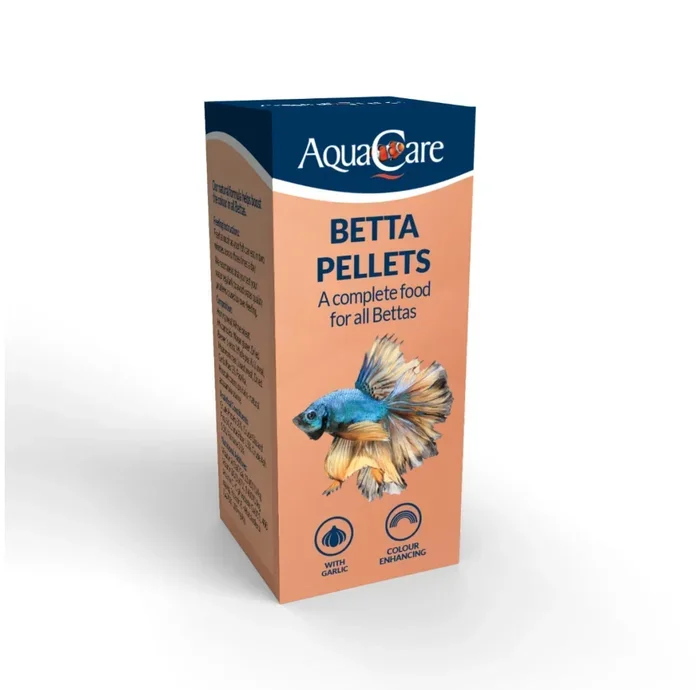
Is Vitamin E or Fish Oil Better for Skin
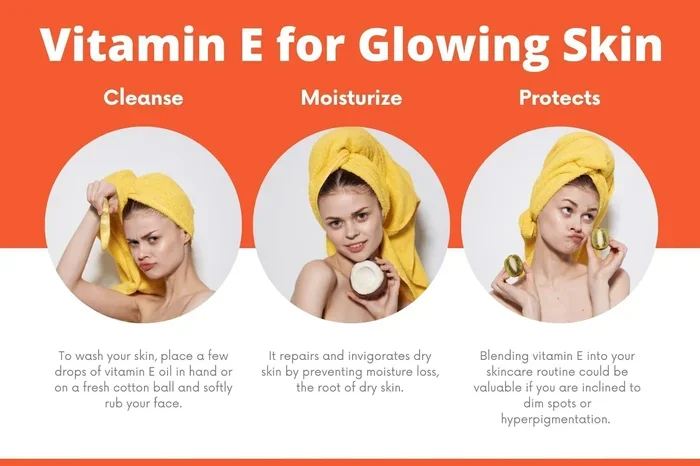
When it comes to nourishing your skin, both vitamin E and fish oil bring powerful benefits to the table, but they work in surprisingly different ways. Is vitamin E or fish oil better for skin? The answer depends on your specific skin concerns — vitamin E excels at protecting and repairing dry, damaged skin, while fish oil shines at reducing inflammation and boosting moisture from within. In this guide, we break down the real differences, benefits, and best uses for each so you can choose the right option for your skin type.
Key Takeaways
- Fish oil excels at deep hydration, while vitamin E protects and repairs the skin barrier.
- Choose fish oil for anti-aging benefits; it reduces wrinkles and boosts collagen production effectively.
- Vitamin E works best for dry skin, sun damage, and stubborn dark spot fading.
- Both supplements support skin health, but combining them delivers the best visible results.
- Topical vitamin E targets dry patches directly, while fish oil works from the inside out.
- Consult a dermatologist before starting either supplement to ensure it fits your unique skin needs.
📑 Table of Contents
- Why Skin Health Matters for Your Betta Fish
- Understanding Vitamin E and Its Benefits for Skin
- The Power of Fish Oil for Skin and Fin Health
- Vitamin E vs Fish Oil: Head-to-Head Comparison
- How to Use Vitamin E and Fish Oil for Your Betta
- Common Mistakes When Using These Supplements
- Expert Insights and Key Takeaways
- Final Thoughts: Which One Is Really Better for Skin?
Why Skin Health Matters for Your Betta Fish
If you own a betta fish, you already know how much those flowing fins and vibrant colors matter. But did you realize that is vitamin e or fish oil better for skin is one of the most searched questions among betta keepers? Your betta’s skin and fin condition tell a lot about their overall health. Dull colors, ragged fins, or dry-looking skin often signal that something is off in their diet or environment.
Skin health in bettas goes way beyond looks. Healthy skin acts as a protective barrier against parasites, bacteria, and fungal infections. When your betta’s skin suffers, their entire immune system can take a hit. That is why many hobbyists turn to supplements like vitamin E and fish oil to keep their fish looking and feeling their best.
Both of these supplements have strong reputations in the fish-keeping world. But which one actually delivers better results for your betta’s skin? Let us break it down so you can make the right choice. And if you want a deeper dive into the general debate, check out our detailed comparison on which is better for you vitamin e or fish oil.
Understanding Vitamin E and Its Benefits for Skin
Vitamin E is a fat-soluble antioxidant that plays a big role in maintaining healthy skin cells. For betta fish, it helps protect their skin from oxidative stress caused by poor water conditions, toxins, and even aging. Many experienced betta keepers swear by this supplement when dealing with fin damage or skin irritation.
How Vitamin E Works at the Cellular Level
Vitamin E fights free radicals in your betta’s body. These free radicals come from environmental stressors like ammonia spikes, nitrite exposure, or even a too-warm tank. By neutralizing them, vitamin E helps your betta’s skin cells stay intact and healthy. This leads to better color intensity and smoother fin texture over time.
You may also notice that vitamin E supports skin moisture levels. It helps the skin retain its natural oils, which keeps the surface smooth and less prone to damage. This is especially important for bettas since their delicate fins tear easily when the skin lacks proper hydration.
Best Sources of Vitamin E for Bettas
Here are some easy ways to add vitamin E to your betta’s diet:
- Vitamin E capsules — You can puncture a human-grade capsule and mix the oil into their food.
- Spinach or algae wafers — These contain natural vitamin E and make great occasional treats.
- Vitamin E-enriched fish foods — Several commercial betta foods now include this as an added ingredient.
Quick Tips for Vitamin E Use
Start with a small dose. Too much vitamin E can cause problems, so less is more. A tiny drop from a capsule once or twice a week is usually enough for a standard betta tank. Always apply it to their food so they actually eat it.
For more context on how vitamin E stacks up against other supplements, you can read our full breakdown on which is better vitamin e or fish oil for a side-by-side look at both options.
The Power of Fish Oil for Skin and Fin Health
Fish oil is packed with omega-3 fatty acids, specifically EPA and DHA. These essential fatty acids are famous for their anti-inflammatory properties and their ability to promote healthy skin from the inside out. For betta fish, fish oil can transform dull, damaged fins into flowing, vibrant displays.
Why Omega-3 Fatty Acids Are Essential
Bettas cannot produce omega-3s on their own. They need them from their diet. When your betta gets enough omega-3s, their skin cells become more resilient. The fins grow stronger, the colors deepen, and the overall body shape looks healthier and more streamlined.
Omega-3s also reduce inflammation. If your betta has swollen fins or red patches on their skin, fish oil can calm that irritation. This makes it a go-to remedy for conditions like fin rot and mild bacterial infections. Some keepers even use it alongside medications to speed up recovery.
Best Fish Oil Options for Bettas
Not all fish oils are created equal. Here is what to look for:
- Liquid fish oil — Easy to dose directly onto food or into the tank water.
- Fish oil capsules — Convenient but harder to measure small doses for a single betta.
- Omega-3 enriched betta pellets — A great baseline option for daily nutrition.
Real-World Results You Can Expect
Most betta owners see noticeable improvements within two to three weeks of regular fish oil use. The fins become more supple, and color patterns often intensify. Fish oil also supports brain function and activity levels, so your betta may become more interactive and energetic. It is like a total beauty and health package in one tiny drop.
Vitamin E vs Fish Oil: Head-to-Head Comparison
So, is vitamin e or fish oil better for skin? The honest answer is that both are powerful, but they serve slightly different purposes. Let us compare them directly so you can see which one fits your betta’s needs best.
Comparison Table: Vitamin E vs Fish Oil
| Feature | Vitamin E | Fish Oil |
|---|---|---|
| Primary Benefit | Antioxidant protection | Omega-3 enrichment |
| Skin Hydration | Moderate improvement | Strong improvement |
| Fin Strength | Supports healing | Promotes growth |
| Anti-Inflammatory | Mild effect | Strong effect |
| Color Enhancement | Indirect support | Direct enhancement |
| Ease of Use | Simple capsule method | Liquid or capsule |
| Risk of Overdose | Low but possible | Low |
When to Pick Vitamin E
Choose vitamin E when your betta is dealing with oxidative stress or environmental damage. If you have recently moved your betta, treated them for an infection, or noticed early signs of skin deterioration, vitamin E gives your betta a strong protective shield. It works best as a targeted treatment rather than a daily supplement.
When to Pick Fish Oil
Fish oil shines as a long-term daily supplement. If your betta’s fins look short or dull, or if you want to boost their color intensity over time, fish oil is your best bet. It also outperforms vitamin E when it comes to reducing chronic inflammation. For related insights on anti-inflammatory options, check out our article on which is better for inflammation turmeric or fish oil.
How to Use Vitamin E and Fish Oil for Your Betta
Knowing what these supplements do is one thing. Knowing how to actually use them effectively is another. Here is a practical guide that covers dosing, frequency, and application methods.
Step-by-Step: Vitamin E Application
- Take a vitamin E capsule rated at 400 IU or higher.
- Poke a small hole with a pin or toothpick.
- Squeeze out a tiny drop — about the size of a grain of rice — onto your betta’s food.
- Feed immediately so your betta gets the full dose.
- Repeat once or twice per week, never on consecutive days.
Step-by-Step: Fish Oil Application
- Use a pure liquid fish oil without added fillers or artificial scents.
- Place two to three drops directly onto your betta’s pellets or freeze-dried food.
- Let the food soak for about 30 seconds before dropping it into the tank.
- Feed once daily or every other day for best results.
- Store the bottle in a cool, dark place to prevent oxidation.
Combining Both Supplements Safely
You can absolutely use both vitamin E and fish oil together. Many experienced keepers do this for maximum benefit. Just space them out. Give fish oil on Monday, Wednesday, and Friday, and add vitamin E on Saturday. This prevents overloading your betta’s system while still covering all the bases for skin and fin health.
Warning Signs to Watch For
Watch for these signs that you might be over-supplementing:
- Your betta stops eating or seems lethargic.
- The water becomes oily or develops a film on the surface.
- Your betta’s skin looks irritated or develops unusual spots.
If you notice any of these, cut back on the supplements immediately and do a partial water change.
Common Mistakes When Using These Supplements
Even experienced keepers make errors with supplements. Here are the most common mistakes and how to avoid them.
Mistake 1: Overdosing
More is not better. A single vitamin E capsule contains far more than a betta needs. Always use a tiny fraction of the capsule. With fish oil, three drops is plenty for one feeding. Overdosing leads to oily water, poor appetite, and stress.
Mistake 2: Using Low-Quality Products
Not all supplements are safe for fish. Human-grade products without fillers work best. Avoid fish oils that smell rancid or vitamin E capsules that contain binders and artificial colors. Stick with trusted brands designed for aquatic use or pure food-grade options.
Mistake 3: Ignoring Water Quality
Supplements cannot fix bad water. If your ammonia or nitrite levels are off, no amount of vitamin E or fish oil will save your betta’s skin. Always test your water parameters first and make sure your tank is cycled properly before adding supplements into the routine.
Mistake 4: Skipping the Food
Never add fish oil directly to the tank water. Your betta will not consume it that way, and it just creates a mess. Always mix it into their food so they actually ingest the nutrients. The same applies to vitamin E — it needs to be eaten to work.
Mistake 5: Expecting Overnight Results
Patience is key. Skin cell turnover takes time, even for fish. You should expect to wait at least two weeks before seeing real improvements. Consistent daily care beats occasional heavy dosing every single time.
Expert Insights and Key Takeaways
Professional aquarists and breeders often share a simple philosophy when it comes to betta supplements. They say that fish oil is the better long-term daily supplement for overall skin and fin health, while vitamin E acts as a powerful short-term treatment for damaged or stressed skin. Both have a place in your care routine.
Many breeders also point out that a high-quality commercial betta food already contains balanced levels of both nutrients. Supplements should enhance a good diet, not replace it. If your betta is already eating premium pellets with added omega-3s and vitamins, you may not need extra supplementation at all.
Key Takeaways
- Fish oil is generally better for long-term skin, fin, and color improvement.
- Vitamin E excels at protecting and repairing stressed or damaged skin.
- Both can be used together safely when dosed correctly.
- Always apply supplements to food, never directly to the water.
- Quality water conditions are the foundation of healthy skin.
- Give it at least two weeks to see visible results.
Final Thoughts: Which One Is Really Better for Skin?
Answering is vitamin e or fish oil better for skin really comes down to your betta’s current condition. If your fish is recovering from damage or dealing with environmental stress, vitamin E gives them a strong antioxidant boost to heal faster. If you want to improve their appearance and maintain long-term health, fish oil with its omega-3 content is the way to go.
The best approach for most keepers is a balanced routine that includes both. Use fish oil as a regular dietary addition and vitamin E as a targeted treatment when needed. Together, they create a powerful combination that keeps your betta’s skin resilient, their fins flowing, and their colors brilliant.
Remember that no supplement replaces proper tank maintenance, a quality diet, and clean water. Those are the real foundations of skin health. Supplements simply take your betta care game to the next level. Start small, stay consistent, and watch your betta thrive.
Frequently Asked Questions
Is Vitamin E or Fish Oil Better for Skin Hydration?
Fish oil tends to be more effective for deep skin hydration because it delivers omega-3 fatty acids that strengthen the skin barrier. Vitamin E works well as a surface-level moisturizer that locks in moisture. For lasting hydration, combining both can give you the best of both worlds.
Can You Use Vitamin E and Fish Oil Together on Your Skin?
Yes, you can absolutely use both together, and many dermatologists recommend it. Vitamin E oil protects the skin’s surface while fish oil nourishes it from within or when applied topically. This combination can boost overall skin health and address multiple concerns at once.
Which Is Better for Anti-Aging, Vitamin E or Fish Oil?
Vitamin E is a powerful antioxidant that fights free radicals and reduces visible signs of aging like wrinkles and fine lines. Fish oil supports skin elasticity and reduces inflammation, which also plays a role in the aging process. For anti-aging benefits, using both is often the smartest approach.
Is Vitamin E or Fish Oil Better for Skin When Dealing with Acne?
Fish oil is generally better for acne-prone skin because its omega-3 fatty acids help reduce inflammation and redness. Vitamin E oil can clog pores for some people, making breakouts worse if used improperly. If you struggle with acne, fish oil is likely the safer and more effective choice.
How Do Vitamin E and Fish Oil Compare for Dry Skin?
Vitamin E oil is excellent for sealing moisture into dry skin and preventing further water loss. Fish oil works from the inside out to improve the skin’s natural ability to retain hydration. People with very dry skin often benefit most from using both in their daily routine.
What Are the Side Effects of Using Vitamin E or Fish Oil on Skin?
Vitamin E can cause clogged pores or minor irritation, especially on oily or sensitive skin types. Fish oil is generally very gentle but may cause a mild fishy smell when applied topically. Always do a patch test before applying either to your face to make sure your skin reacts well.