How Often Do You Change Your Betta Fish& 39

Changing your betta fish water regularly is one of the most important things you can do for your fish’s health. Most experts recommend a 25-30% partial water change every one to two weeks. Consistent water changes help remove harmful toxins like ammonia and nitrates that build up in your betta’s tank.
Keeping your betta fish water clean is one of the simplest yet most powerful ways to protect your fish’s health. Many new betta owners wonder how often they should actually change the water in their tank. The answer isn’t always straightforward because it depends on several factors.
In this guide, we will walk you through everything you need to know about how often to change betta water. You will learn the recommended schedules, the difference between partial and full water changes, and the signs that tell you it is time for a change. By the end, you will feel confident about your betta fish tank maintenance routine.
Key Takeaways
- Partial Water Changes: Replace 25-30% of tank water every 1-2 weeks to maintain clean, safe conditions.
- Full Water Changes: Only perform a complete water change in extreme situations, such as severe water contamination.
- Water Temperature Matters: Always match the new water temperature to your betta’s tank to avoid shock.
- Use Dechlorinated Water: Tap water must be treated with a conditioner before adding it to the tank.
- Watch for Warning Signs: Cloudy water, bad odors, and behavioral changes signal that a water change is overdue.
- Consistency Is Key: Sticking to a regular schedule prevents toxin buildup and keeps your betta thriving.
📑 Table of Contents
- Why Water Changes Matter for Your Betta Fish
- How Often Should You Change Your Betta Fish Water?
- Factors That Affect Your Water Change Schedule
- How to Change Your Betta Fish Water: Step by Step
- Signs Your Betta Fish Needs a Water Change Now
- Common Mistakes to Avoid When Changing Water
- Expert Tips for Maintaining Perfect Water Quality
- Conclusion
Why Water Changes Matter for Your Betta Fish
Betta fish may be hardy creatures, but they still need clean water to thrive. In the wild, bettas live in slow-moving streams and rice paddies where fresh water flows constantly. Your home aquarium does not have that natural flow. That is why regular water changes are so important.
Over time, harmful substances build up in your betta’s tank. Fish waste, leftover food, and decaying plants release ammonia. Ammonia is toxic to fish even in small amounts. Your filter helps, but it cannot remove everything. This is where water changes come in.
The Build-Up of Toxins
Ammonia converts into nitrite and then nitrate over time. Nitrate is less harmful than ammonia, but high levels still stress your betta. Regular water changes dilute these toxins and keep the water quality for betta fish at safe levels.
Without consistent water changes, your betta may develop health problems. These include fin rot, infections, and lethargy. In severe cases, poor water quality can even be fatal. How often do you change your betta fish water is a question every responsible owner should know the answer to.
The Role of the Filter
Many people think a filter alone keeps the tank clean. Filters remove debris and house beneficial bacteria that break down ammonia. However, filters do not remove dissolved waste completely. You still need to physically remove old water and replace it with fresh water.
Think of it like this. A filter is like a vacuum cleaner. It picks up a lot, but it does not replace the air in your room. Water changes do that for your aquarium. Both work together to create a healthy betta fish environment.
How Often Should You Change Your Betta Fish Water?
This is the million-dollar question. The short answer is that most betta tanks need a partial water change every one to two weeks. But the exact frequency depends on several factors we will explore below.
Partial Water Changes: The Gold Standard
A partial water change means removing 25-30% of the tank water and replacing it with fresh, treated water. This is the standard recommendation for most betta setups. It effectively removes accumulated waste without disrupting the beneficial bacteria in your tank.
For a standard 5-gallon betta tank, a 25% change means removing about 1.25 gallons. For a 10-gallon tank, you would remove about 2.5 gallons. Use a gravel vacuum or a siphon to remove the old water and any debris from the substrate at the same time.
If you keep your betta fish water parameters stable, you can stick to a biweekly schedule. If you notice waste building up quickly, consider moving to weekly changes.
Full Water Changes: When and Why
A full water change means replacing 100% of the tank water. You should only do this in extreme circumstances. For example, if your tank has dangerously high ammonia levels, a full change might be necessary to save your betta.
However, full water changes come with risks. They can crash your nitrogen cycle by removing all the beneficial bacteria. Your betta may also experience stress from sudden changes in water parameters. That is why partial water changes are almost always the better choice.
If you do need to perform a full water change, make sure the new water matches the temperature and pH of the old water as closely as possible. How often do you change your betta fish water fully? The answer is rarely, if ever, for routine maintenance.
Factors That Affect Your Water Change Schedule
Not all betta tanks are the same. Several factors influence how often you need to change the water. Understanding these factors helps you create a schedule that works for your specific setup.
Tank Size
Smaller tanks need more frequent water changes. A 1-gallon bowl, for example, can become toxic within days because there is so little water to dilute waste. Many experts recommend water changes for 1-gallon bowls at least once a week, sometimes even twice a week.
Larger tanks, like 10-gallon or 20-gallon setups, have more water volume to buffer waste. You can usually stretch the schedule to every two weeks. But remember, bigger tanks also mean more fish waste if you keep multiple fish.
Number of Fish
More fish means more waste. If you keep your betta alone in a 5-gallon tank, a biweekly partial water change should work fine. But if you have a community tank with other fish, you may need to change the water more often.
Watch your water parameters for betta fish closely if you have a crowded tank. Test kits can tell you when ammonia or nitrite levels are rising. If they spike, it is time for a water change regardless of your schedule.
Feeding Habits
Overfeeding is one of the biggest culprits of dirty water. Uneaten food sinks to the bottom and decays, releasing ammonia. If you feed your betta more than necessary, you will need to change the water more frequently.
Feed your betta small amounts once or twice a day. Remove any uneaten food after a few minutes. This simple habit can extend the time between water changes and keep your betta fish care routine easier to manage.
Filter Type and Maintenance
A good filter makes a huge difference. Hang-on-back filters, sponge filters, and canister filters all help remove debris and house beneficial bacteria. But filters need maintenance too.
Never rinse your filter media in tap water. The chlorine in tap water kills the beneficial bacteria you need. Instead, rinse the media in old tank water during your water change. A well-maintained filter means you can stick to a standard water change schedule without worries.
How to Change Your Betta Fish Water: Step by Step
Changing your betta’s water does not have to be complicated. Follow these simple steps to do it safely and effectively.
Step 1: Gather Your Supplies
Before you start, make sure you have everything ready. You will need a siphon or gravel vacuum, a bucket dedicated to fish use, water conditioner, and a thermometer. Having everything at hand makes the process smooth and stress-free.
Step 2: Prepare the New Water
Fill your bucket with tap water. Add a water conditioner to remove chlorine and chloramine. These chemicals are harmful to betta fish and are found in most municipal water supplies. Let the water sit for a few minutes after adding the conditioner.
Use your thermometer to check the temperature. The new water should be within 1-2 degrees of the tank water. Sudden temperature changes can shock your betta and make them vulnerable to illness.
Step 3: Remove the Old Water
Use your siphon to remove 25-30% of the tank water. Start by sucking on the tube to get the siphon going. Direct the other end into your bucket. Move the siphon slowly across the substrate to pick up debris and waste.
Do not remove your betta from the tank during this process. They can stay in the tank safely while you change the water. This reduces stress and keeps things simple.
Step 4: Add the New Water
Pour the treated water slowly into the tank. Avoid pouring directly onto your betta or disturbing the decorations too much. Use a plate or your hand to diffuse the flow if needed.
After adding the new water, check the temperature one more time. Make sure everything looks calm and your betta is swimming normally. How often do you change your betta fish water using this method, and you will keep your tank fresh and clean.
Signs Your Betta Fish Needs a Water Change Now
Sometimes you cannot stick to a perfect schedule. Life gets busy. But knowing the warning signs of dirty water helps you act quickly before your betta gets sick.
Cloudy or Discolored Water
Clear water is healthy water. If your tank water turns cloudy or yellowish, it is a sign that waste and dissolved compounds are building up. Cloudiness can also indicate a bacterial bloom, which often happens after overfeeding or when the tank is too small.
Bad Odor
A healthy aquarium should not smell bad. If you notice a foul or rotten smell coming from your tank, it is time for a water change. The odor usually comes from decaying organic matter like uneaten food or dead plant leaves.
Behavioral Changes in Your Betta
Your betta will tell you when something is wrong. If your fish is lethargic, staying at the bottom of the tank, or gasping at the surface, poor water quality could be the cause. These are serious signs that should not be ignored.
If you notice any of these symptoms, test your water parameters immediately. High ammonia or nitrite levels confirm the need for an urgent water change. How often do you change your betta fish water may need to increase temporarily until the problem is resolved.
Algae Growth
Some algae is normal and even expected in a fish tank. But excessive algae growth can indicate too much light or high nutrient levels. While algae itself is not directly harmful, it signals that your tank’s balance is off. A water change can help reduce the nutrients that feed algae.
Common Mistakes to Avoid When Changing Water
Even experienced fish keepers make mistakes. Here are some common errors to watch out for when changing your betta’s water.
Using Untreated Tap Water
This is perhaps the most common mistake. Tap water contains chlorine and chloramine that are deadly to fish. Always use a water conditioner. Skipping this step can kill your betta within hours.
Changing All the Water at Once
Some beginners think a full water change is better than a partial one. This is not true. Replacing all the water at once removes beneficial bacteria and causes drastic shifts in pH and temperature. Stick to partial changes.
Neglecting the Gravel
Debris builds up in the gravel over time. If you only remove water without vacuuming the substrate, waste stays in the tank. Use your siphon to clean the gravel during every water change.
Ignoring Water Temperature
Betta fish are tropical and sensitive to temperature changes. Adding cold or hot water can cause thermal shock. Always match the temperature of the new water to the existing tank water.
Expert Tips for Maintaining Perfect Water Quality
Want to take your betta fish tank maintenance to the next level? These expert tips will help you keep your betta happy and healthy for years to come.
- Test Your Water Weekly: Use a liquid test kit to monitor ammonia, nitrite, nitrate, and pH levels. Test kits are inexpensive and give you real data instead of guessing.
- Do Not Overclean: Some owners clean their tanks too aggressively. You want to preserve beneficial bacteria. Gentle, consistent maintenance beats harsh deep cleans.
- Keep a Schedule: Set a reminder on your phone for water changes. Consistency is more important than perfection.
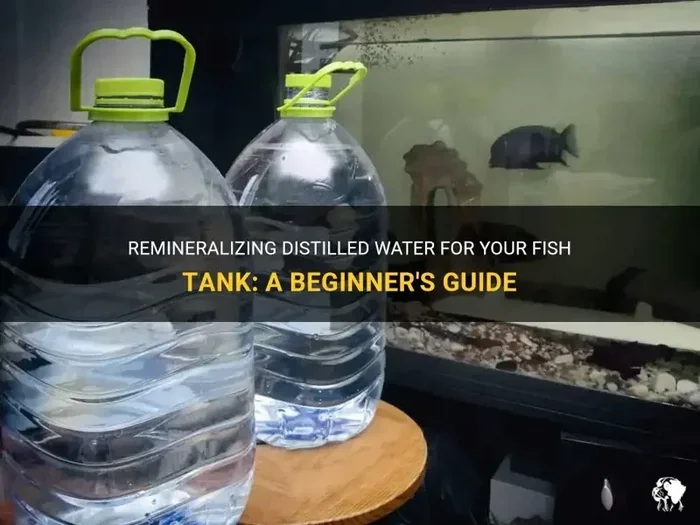
- Use RO/DI Water if Possible: Reverse osmosis water gives you complete control over water parameters. It is especially useful if your tap water is of poor quality.
- Add Live Plants: Live plants absorb nitrates and help keep the water clean naturally. They also provide hiding spots that reduce stress for your betta.
For more detailed guidance on maintaining your betta’s home, check out our article on how often to change water for betta fish. It covers advanced tips and troubleshooting steps.
Conclusion
Learning how often you should change your betta fish water is one of the first steps toward becoming a confident fish owner. The general rule is simple. Perform a 25-30% partial water change every one to two weeks. Adjust based on your tank size, number of fish, and feeding habits.
Watch for warning signs like cloudy water, bad smells, and behavioral changes. Avoid common mistakes like using untreated tap water or changing all the water at once. With a consistent routine and the right supplies, keeping your betta’s water clean becomes second nature.
Your betta fish depends on you for a safe and healthy home. Regular water changes are the best gift you can give them. Start today, stay consistent, and enjoy watching your beautiful betta thrive.
For additional tips on caring for your betta, visit our guide on how do you care for a betta fish to learn about diet, habitat setup, and overall wellness.
Frequently Asked Questions
How often should I change my betta fish water in a 5-gallon tank?
For a 5-gallon tank, a 25-30% partial water change every one to two weeks is ideal. If you have a filter and keep the tank clean, every two weeks works well. If you do not have a filter, aim for once a week to keep waste from building up too quickly.
Can I use tap water directly for my betta fish?
No, you should never use tap water directly. Tap water contains chlorine and chloramine that are harmful to betta fish. Always treat the water with a water conditioner before adding it to your tank. This simple step removes dangerous chemicals and makes the water safe for your fish.
What happens if I do not change my betta fish water regularly?
Without regular water changes, harmful toxins like ammonia and nitrates build up in the tank. These toxins stress your betta, weaken their immune system, and can lead to diseases like fin rot and infections. In severe cases, poor water quality can be fatal. Consistent water changes prevent these problems and keep your betta healthy.
How do I know if my betta needs a water change urgently?
Look for signs like cloudy water, a foul smell, your betta gasping at the surface, or staying at the bottom of the tank. These symptoms often indicate poor water quality. Test your water with a kit to confirm high ammonia or nitrite levels. If levels are high, perform a water change immediately.
Should I remove my betta fish during a water change?
No, you do not need to remove your betta during a partial water change. Removing them adds unnecessary stress. Your betta can safely stay in the tank while you siphon out old water and add fresh water. Just pour the new water slowly to avoid disturbing them.
What is the best water temperature for a betta fish during a water change?
Betta fish thrive in water temperatures between 76 and 82 degrees Fahrenheit. When adding new water during a change, make sure it matches the tank temperature within 1-2 degrees. Sudden temperature drops or spikes can shock your betta and make them sick. Use a thermometer to check before adding any new water.