Can Fresh or Saltwater Fish Survive Better Out of Water
Most fish cannot survive long out of water, but some species have remarkable adaptations that let them breathe air and live for hours or even days on land. Freshwater fish like bettas and walking catfish have special organs that help them survive outside water, while most saltwater fish suffocate within minutes. Understanding these differences can help you better care for your aquatic pets and appreciate the incredible diversity of fish survival strategies.
Key Takeaways
- Freshwater fish generally survive longer out of water than saltwater fish due to special breathing adaptations like labyrinth organs.
- Betta fish can breathe air directly using a unique labyrinth organ, allowing them to survive brief periods outside water.
- Most saltwater fish suffocate within minutes when removed from water because their gills collapse without water support.
- Some fish can “walk” on land — mudskippers and climbing perch can survive for days out of water using specialized adaptations.
- Water temperature, humidity, and fish size all play critical roles in how long a fish can survive outside its aquatic environment.
- Fish gills require water to function — without it, oxygen exchange stops and carbon dioxide builds up rapidly in the bloodstream.
- Understanding fish survival out of water helps pet owners prevent accidents and respond quickly if a fish jumps from its tank.
📑 Table of Contents
- Can Fresh or Saltwater Fish Survive Better Out of Water?
- How Fish Breathe: The Science Behind Underwater Respiration
- Freshwater Fish: Built for Survival
- Saltwater Fish: Struggling on Land
- Factors That Affect Fish Survival Out of Water
- What to Do If Your Fish Jumps Out of the Tank
- Comparing Freshwater and Saltwater Fish Survival
- Fascinating Fish That Defy Expectations
- Conclusion
Can Fresh or Saltwater Fish Survive Better Out of Water?
Have you ever wondered what happens when a fish ends up outside its tank? Maybe your betta fish made a spectacular leap and landed on the kitchen counter. Or perhaps you’ve seen those incredible videos of fish “walking” on land. The question of whether freshwater or saltwater fish survive better out of water is more fascinating than you might think.
The answer isn’t as simple as you’d expect. While most fish are completely helpless outside their watery homes, some species have evolved extraordinary abilities that let them breathe air, crawl across land, and survive for surprisingly long periods without being submerged. Understanding these differences is not just interesting — it’s essential knowledge for any fish owner who wants to keep their aquatic pets safe and healthy.
In this article, we’ll dive deep into the science of fish survival out of water. We’ll explore why some fish can handle being on land while others cannot, and we’ll look at the incredible adaptations that make it possible. Whether you’re a curious beginner or an experienced aquarist, you’re about to learn some truly amazing things about our finned friends.
How Fish Breathe: The Science Behind Underwater Respiration
The Role of Gills in Oxygen Exchange
To understand why fish struggle out of water, you first need to understand how they breathe. Fish use gills — feathery structures on the sides of their heads — to extract oxygen from water. Water flows over the thin membranes of the gills, and oxygen passes directly into the bloodstream while carbon dioxide is released.
Here’s the problem: gills are designed to work in water, not air. The delicate gill filaments are supported by water pressure. When a fish is lifted out of water, these filaments collapse and stick together. This dramatically reduces the surface area available for oxygen exchange. It’s like trying to breathe through a wet paper towel — technically possible, but extremely inefficient.
Why Water Matters for Gill Function
Water is about 800 times denser than air and contains far less oxygen per unit volume. Fish gills have evolved to work in this challenging environment. The countercurrent exchange system in fish gills — where blood flows in the opposite direction to water — is incredibly efficient at extracting oxygen from water. But this system completely breaks down in air.
Without water flowing over them, gills simply cannot function properly. The fish essentially suffocates, even though it’s surrounded by air that contains plenty of oxygen. It’s a cruel irony of biology — the very organ that keeps a fish alive underwater becomes useless on land.
Freshwater Fish: Built for Survival
The Labyrinth Organ Advantage
Here’s where things get really interesting. Some freshwater fish have evolved a special organ called the labyrinth organ. This is a highly folded, bony structure located above the gills that can extract oxygen directly from air. Fish with this organ are known as anabantoids, and they include bettas, gouramis, and climbing perch.
The labyrinth organ is lined with thin, blood-rich tissue that works similarly to a lung. When a fish with this organ surfaces and gulps air, oxygen passes directly into the bloodstream. This is why betta fish regularly swim to the top of their tank and take little gulps of air — they’re supplementing their gill breathing with air breathing.
This adaptation gives freshwater fish with labyrinth organs a significant survival advantage out of water. While they still need moisture to keep their gills and skin from drying out, they can survive much longer than fish without this organ. If you’ve ever wondered why your betta fish jumped out of the tank, it’s partly because they’re naturally curious and partly because they can survive the experience better than most fish.
Betta Fish: The Air-Breathing Champions
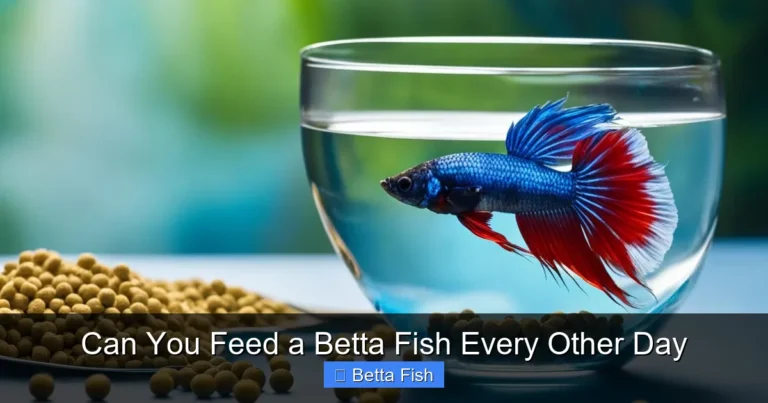
Betta fish are perhaps the most well-known air-breathing freshwater fish. Native to the shallow, oxygen-poor waters of Southeast Asia — think rice paddies, slow-moving streams, and stagnant ponds — bettas evolved their labyrinth organ as a survival tool. In their natural habitat, oxygen levels in the water can drop dangerously low, especially during dry seasons when water levels shrink.
This means betta fish can survive brief periods out of water, especially if their skin and gills stay moist. A betta that jumps out of its tank and is found within a few minutes has an excellent chance of survival if returned to water quickly. However, this doesn’t mean bettas are indestructible — prolonged exposure to air will still kill them.
It’s worth noting that bettas still need water to thrive. The labyrinth organ supplements their breathing but doesn’t replace gills entirely. If you’re setting up a home for your betta, understanding what type of water betta fish need is just as important as knowing their air-breathing abilities.
Other Freshwater Survivors
Betta fish aren’t the only freshwater species with impressive survival skills. Walking catfish, native to Southeast Asia, can use their pectoral fins to “walk” across land and survive for hours out of water. They have a specialized suprabranchial organ that functions like a lung, allowing them to breathe atmospheric air.
Climbing perch are another remarkable species. They can travel across land for considerable distances, using their gill covers and fins to pull themselves along. Some reports suggest they can survive up to 6-10 hours out of water, provided conditions are humid enough to keep their gills moist.
Electric eels, despite their name, are actually freshwater fish that must surface to breathe air. They can survive out of water for short periods as long as their skin stays wet. Lungfish take this even further — some species can survive months out of water by entering a state of dormancy called estivation.
Saltwater Fish: Struggling on Land
Why Saltwater Fish Fare Worse
Most saltwater fish lack the special breathing adaptations found in many freshwater species. Without a labyrinth organ or similar structure, they are entirely dependent on their gills for oxygen exchange. When removed from water, their gills collapse almost immediately, and oxygen exchange stops.
The marine environment is generally more stable than freshwater habitats. Ocean water has consistent oxygen levels, stable salinity, and relatively constant temperatures. Because of this stability, saltwater fish never faced the same evolutionary pressure to develop air-breathing abilities. There was simply no need — the ocean reliably provides everything they need.
As a result, most saltwater fish can only survive a few minutes out of water. Some hardy species might last 10-15 minutes under ideal conditions, but this is the exception rather than the rule. The gill collapse happens fast, and without water flowing over the gill membranes, the fish quickly suffocates.
The Osmotic Stress Factor
There’s another challenge saltwater fish face when removed from water — osmotic stress. Saltwater fish live in a hypertonic environment, meaning the water around them has a higher salt concentration than their bodies. To prevent dehydration, they constantly drink seawater and excrete excess salt through their gills and kidneys.
When a saltwater fish is removed from water, this delicate osmotic balance is disrupted. The fish begins to lose moisture through its skin and gills, and without the ability to drink seawater, it becomes dehydrated. This osmotic stress compounds the oxygen problem, making survival even more difficult.
Freshwater fish face the opposite osmotic challenge — they tend to absorb too much water — but this is less immediately life-threatening than the dehydration saltwater fish experience. This is one reason freshwater fish generally survive better out of water than their saltwater counterparts.
Exceptions in the Saltwater World
Not all saltwater fish are helpless on land. Mudskippers are the most famous example — these remarkable fish spend most of their time out of water, hopping across mudflats and even climbing mangrove roots. They breathe through their skin and the lining of their mouth and throat, a process called cutaneous respiration.
Mudskippers keep water trapped in their enlarged gill chambers, which helps keep their gill membranes moist and functional. They also have specially adapted pectoral fins that work like legs, allowing them to move across land with surprising speed and agility.
Blennies are another group of saltwater fish that can survive brief periods out of water. Some species can hop between tide pools and survive for several minutes on wet rocks. However, even these hardy species are far more limited than their freshwater counterparts with labyrinth organs.
Factors That Affect Fish Survival Out of Water
Temperature and Humidity
Environmental conditions play a huge role in how long a fish can survive outside water. High humidity is critical because it slows the drying of gills and skin. A fish in a humid environment will survive much longer than one in dry, hot conditions.
Temperature matters too. Cooler temperatures slow a fish’s metabolism, reducing its oxygen needs. A fish in cool, moist air can survive longer than one in hot, dry conditions. This is why fish that jump out of tanks at night — when temperatures are typically cooler — sometimes have better survival rates than those that jump during a hot afternoon.
Fish Size and Species
Smaller fish generally have higher metabolic rates relative to their body size, which means they consume oxygen faster. This can work against them when out of water, as their oxygen demands are higher. However, smaller fish also have a higher surface-area-to-volume ratio, which can help with cutaneous breathing in species that can absorb oxygen through their skin.
Species variation is enormous. As we’ve discussed, some fish have evolved remarkable adaptations for air breathing, while others have none at all. Even within the same family, survival times can vary dramatically based on the specific adaptations each species has developed.
Duration of Exposure
The length of time a fish spends out of water is perhaps the most critical factor. Even air-breathing fish have limits. A betta fish might survive 30-60 minutes out of water in ideal conditions, but after that, the gills dry out, the skin cracks, and the fish’s organs begin to fail.
For fish without air-breathing adaptations, the window is much smaller. Most non-air-breathing fish will show signs of distress within 1-2 minutes and may die within 5-10 minutes. Every second counts when a fish is out of water, which is why quick action is essential if you find your pet flopping on the floor.
What to Do If Your Fish Jumps Out of the Tank
Immediate Steps for Rescue
If you find your fish out of water, act quickly but calmly. Gently pick up the fish using wet hands — dry hands can damage the protective slime coat on the fish’s skin. Place the fish back in its tank or in a container of clean, dechlorinated water at the appropriate temperature.
Don’t throw the fish back in forcefully. Gently lower it into the water and let it orient itself. If the fish has been out of water for more than a few minutes, it may be disoriented and stressed. Keep the tank dimly quiet and avoid disturbing it while it recovers.
Monitor the fish closely for the next few hours. Look for signs of distress such as rapid gill movement, loss of balance, or unusual swimming patterns. Most fish that are returned to water quickly will recover fully, but some may experience temporary stress.
Preventing Future Escapes
The best approach is prevention. If you have a betta fish or another species known for jumping, make sure your tank has a secure lid. Even a small gap can be an escape route for a determined jumper. Understanding why betta fish jump out of tanks can help you address the root cause — whether it’s poor water quality, stress, or simply natural curiosity.
Keep water conditions optimal, provide plenty of hiding spots, and maintain appropriate water levels. A stressed fish is more likely to jump, so creating a calm, stable environment is your best defense against escape attempts.
Comparing Freshwater and Saltwater Fish Survival
The Verdict
So, can fresh or saltwater fish survive better out of water? The answer is clear: freshwater fish generally have the upper hand. The evolution of air-breathing organs in many freshwater species gives them a significant advantage that most saltwater fish simply don’t have.
However, it’s important to remember that “better” is relative. Even the most air-breathing freshwater fish are still aquatic animals that need water to survive long-term. A betta fish might survive an hour out of water, but it cannot live on land. The adaptations we’ve discussed are survival tools, not a replacement for the aquatic environment.
When comparing freshwater and saltwater fish, it’s also worth considering the broader context of their care and habitat needs. If you’re deciding between the two for a home aquarium, there are many factors to consider beyond survival out of water. The choice between freshwater and saltwater fish depends on your experience level, budget, and the type of aquarium experience you want.
Evolutionary Pressures and Adaptations
The difference in survival ability between freshwater and saltwater fish comes down to evolutionary pressure. Freshwater environments are incredibly variable — water levels fluctuate, oxygen levels drop, and conditions can change rapidly. Fish in these environments that could breathe air had a significant survival advantage, and over millions of years, air-breathing organs evolved.
Saltwater environments, by contrast, are remarkably stable. The ocean doesn’t dry up, oxygen levels remain relatively constant, and salinity stays consistent. There was never strong evolutionary pressure for marine fish to develop air-breathing abilities because the ocean reliably provided everything they needed.
This evolutionary history explains why freshwater fish are generally better equipped to handle life outside water. It’s not that freshwater fish are inherently “better” — they simply faced different challenges that required different solutions.
Fascinating Fish That Defy Expectations
Mudskippers: The Land Fish
Mudskippers deserve special mention because they blur the line between fish and land animals. These remarkable creatures spend up to 90% of their time out of water. They hunt, socialize, and even fight for territory on land. Their eyes sit on top of their heads like periscopes, giving them excellent vision above the waterline.
Mudskippers breathe through their skin and the moist lining of their mouth and throat. They carry water in their gill chambers to keep their gills functional. When two mudskippers meet, they engage in elaborate territorial displays, flaring their fins and jumping at each other — all on dry land.
Lungfish: The Ancient Survivors
Lungfish are living fossils that have remained virtually unchanged for over 400 million years. They have both gills and a true lung, allowing them to breathe air when water conditions deteriorate. During droughts, African and South American lungfish can burrow into mud and secrete a mucus cocoon that hardens around their body.
In this dormant state, called estivation, lungfish can survive for months or even years without water. Their metabolism slows to a bare minimum, and they survive on stored body fat. When rains return and water fills their habitat, they emerge from their cocoons and resume normal activity.
Snakeheads: The Walking Predators
Snakehead fish are aggressive predators that can survive up to four days out of water. They have a specialized suprabranchial organ that functions as a primitive lung. Using their pectoral fins and body undulations, they can “walk” across land to reach new bodies of water.
This ability has made snakeheads invasive species in many parts of the world. They can escape from ponds, cross roads, and colonize new waterways — all on their own power. Their air-breathing ability, combined with their aggressive nature, makes them formidable survivors.
Conclusion
The question of whether freshwater or saltwater fish survive better out of water has a clear answer: freshwater fish win this contest, thanks to millions of years of evolution in challenging, variable environments. The development of labyrinth organs, cutaneous breathing, and other air-breathing adaptations gives freshwater species a remarkable edge when they find themselves outside their aquatic home.
But let’s be clear — no fish is truly designed for life on land. Even the most air-breathing species need water to thrive. If you’re a fish owner, the best thing you can do is prevent your fish from ending up out of water in the first place. Secure lids, proper water conditions, and a stress-free environment will keep your aquatic pets safe and happy.
Understanding these survival abilities isn’t just academic knowledge — it’s practical information that can help you be a better fish keeper. Whether you have a betta fish with its labyrinth organ or a marine fish that’s completely water-dependent, knowing the limits of their survival helps you respond quickly in emergencies and appreciate the incredible diversity of life in our planet’s waters.
Fish are far more adaptable and resilient than most people realize. From mudskippers that live on land to lungfish that survive years of drought, the natural world is full of surprises. The next time you watch your betta fish gulp air at the surface of its tank, remember — you’re witnessing millions of years of evolutionary innovation in action.
Frequently Asked Questions
What is can fresh or saltwater fish survive better out of water?
can fresh or saltwater fish survive better out of water is an important topic with many practical applications.