How to Tell If Your Betta Fish Is Overweight
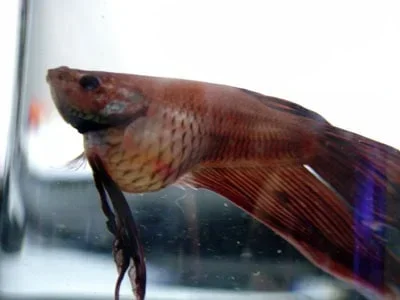
Figuring out if your betta fish is overweight is easier than you think. You can spot the signs by looking at their body shape, watching how they swim, and checking their eating habits. This guide walks you through every clue and what you can do to help your fish get back to a healthy weight.
You love your betta fish. You want them to be happy, colorful, and full of energy. But what happens when you start wondering, how to tell if your betta fish is overweight? It is a question many fish owners ask, and honestly, it is more common than you might think.
Betta fish are small but mighty. They are active swimmers, curious explorers, and beautiful creatures to watch. However, just like any pet, they can carry extra weight. And when they do, it affects their health, their mood, and their overall quality of life. The good news is that spotting the signs early makes a huge difference. You do not need to be a vet or a fish expert. You just need to know what to look for.
In this guide, we will cover every sign of an overweight betta fish, why it happens, what risks it creates, and exactly what you can do about it. Whether your fish looks a little rounder lately or you just want to stay ahead of the problem, this article has you covered.
Key Takeaways
- Visual clues matter: A round, bloated belly and difficulty swimming are the most obvious signs of an overweight betta fish.
- Overfeeding is the #1 cause: Too many treats and large portions lead to rapid weight gain in bettas.
- Health risks are real: Obesity in bettas can cause swim bladder disease, fatty liver, and a shorter lifespan.
- Diet adjustments work fast: Cutting back on food and switching to a balanced betta diet can help your fish shed extra weight.
- Exercise helps too: Adding tank decorations and encouraging movement keeps your betta active and fit.
- Watch for bloating vs. obesity: Sometimes a big belly means constipation or illness, not just being overweight.
📑 Table of Contents
Why Betta Fish Become Overweight
Before you can fix the problem, you need to understand what causes it. Most of the time, an overweight betta fish is the result of simple daily habits. The good news is that habits are easy to change once you know what is going wrong.
Overfeeding Is the Biggest Culprit
Here is the truth most people do not realize. Betta fish have tiny stomachs. We are talking about something roughly the size of their eyeball. So when you drop in five or six pellets at feeding time, your fish does not need that much. Overfeeding leads directly to betta fish obesity, and it happens faster than you think.
Many owners feel guilty if they do not feed enough. So they give in and offer extra food. Some even treat their bettas like cats, leaving food in the tank all day. This is one of the fastest ways to push your fish past a healthy weight.
Too Many Treats
Bloodworms, brine shrimp, and freeze-dried treats taste great to bettas. But they are also high in fat and low in nutrition. Think of them like junk food for your fish. If treats make up more than 10% of your betta’s diet, you are likely feeding too much. Over time, this adds up to a fat betta fish that struggles to stay active.
Lack of Exercise
Betta fish need room to swim. A tiny bowl or a crowded tank limits their movement. Without enough space to explore, your fish burns fewer calories. Even with a proper diet, a sedentary betta fish can gain weight just from sitting around too much.
How to Tell If Your Betta Fish Is Overweight
Now let us get to the core of the topic. How to tell if your betta fish is overweight comes down to a few clear signs. You do not need special tools or scales. Just your eyes and a little observation.
Look at the Body Shape
A healthy betta has a sleek, streamlined body. When you look at them from above, they should taper gently from the head to the tail. An overweight betta fish looks round and plump from every angle. The belly may appear puffy or swollen, and the body loses its natural taper.
Here are the visual signs to watch for:
- A round, bubble-like belly that sticks out far from the body
- No visible waistline when viewed from above
- Scales that stand out or puff away from the body (a sign called pineconing)
- The belly dragging near the substrate or resting on the tank floor
If your betta looks like a little marble floating in the water, that is a strong signal. Compare their current shape to pictures of healthy bettas online. The difference is often obvious once you know what to look for.
Watch How They Swim
One of the best ways to assess your fish’s weight is by observing their swimming. A fit betta moves with ease and grace. They glide through the water, explore the top and bottom of the tank, and turn quickly without effort.
An overweight betta fish struggles. You might notice:
- Labored breathing after swimming just a short distance
- Difficulty staying upright or drifting to one side
- Sinking to the bottom and having trouble rising
- Reluctance to swim or staying in one spot most of the time
These signs are not just about weight. They can also point to swim bladder disease, which is closely linked to obesity. If you notice any of these behaviors, it is time to take action.
Check Their Eating Habits
An overweight fish often has an unhealthy relationship with food. If your betta gobbles up everything you offer and still seems hungry, that is a red flag. Healthy bettas eat what they need and then stop. They do not beg for food constantly.
Also pay attention to how quickly your fish digests food. If food sits in the tank for long periods or your betta leaves food behind, that could signal a different problem. But if they eat everything ravenously and then become sluggish, overfeeding is likely the cause.
For more on how to keep your betta in great shape, check out our guide on how to make your betta fish stronger for additional tips on building a healthy routine.
Health Risks of an Overweight Betta Fish
Carrying extra weight is not just a cosmetic issue. It puts real stress on your betta’s body and can shorten their life significantly. Understanding these risks is the best motivation to act early.
Swim Bladder Problems
The swim bladder controls your fish’s buoyancy. When a betta is overweight, fat builds up around this organ. That makes it hard for the fish to control its position in the water. Swimming becomes labored, and your fish may float uncontrollably or sink to the bottom. In many cases, swim bladder disease is directly tied to obesity.
Fatty Liver Disease
Just like humans, bettas can develop fatty liver disease from a poor diet and excess weight. This condition damages the liver over time and can be fatal if left untreated. Signs include a swollen belly, loss of color, and low energy. It is one of the most serious consequences of chronic overfeeding.
Shortened Lifespan
A healthy betta fish lives three to five years on average. But an overweight betta often lives less. The extra strain on organs, the reduced activity level, and the higher risk of disease all add up. Keeping your fish at a proper weight is one of the simplest ways to help them live a longer, happier life.
How to Help Your Overweight Betta Fish
If you have confirmed that your fish is carrying extra weight, do not panic. The good news is that you can make changes right away that will help. The key is consistency and patience.
Adjust Their Diet
The first step is to fix what and how much you feed. Here is a simple plan:
- Reduce portion sizes. Feed two to three pellets per meal, twice a day. That is it.
- Skip treats for a week. Give your fish a break from high-fat snacks like bloodworms and shrimp.
- Choose high-quality betta pellets. Look for brands with real fish meal as the first ingredient and low filler content.
- Add variety with healthy options. Daphnia and brine shrimp (in moderation) are better choices than fatty treats.
Stick to this plan for two to four weeks. You should start to see a noticeable difference in your fish’s body shape. For more guidance on feeding schedules, you might find our article on how to feed your betta fish while on vacation helpful for understanding proper portion control.
Increase Their Activity
Exercise plays a big role in weight management for bettas. Here are some easy ways to keep your fish moving:
- Add decorations and plants that encourage swimming around and exploring
- Use a gentle filter current that motivates your betta to swim against it
- Place the tank in an active area of your home where your fish will notice movement and stay curious
- Try feeding from a pipette so your fish has to move to get their food
These small changes make a big impact over time. An active betta is a healthy betta.
Monitor Progress Weekly
Do not expect overnight results. Weight loss in fish is gradual. Set a routine to check your betta’s body shape every week. Take notes or even photos so you can compare over time. If you do not see improvement after a month, consider whether you might need to adjust the feeding plan further or consult a fish health specialist.
For more tips on helping your fish recover, check out how to make your betta fish healthy again for a complete recovery plan.
Bloating vs. Obesity: Know the Difference
Here is something important. A big belly on a betta fish is not always a sign of being overweight. Sometimes it means something else entirely, and mistaking the cause can lead to the wrong treatment.
What Is Bloating?
Bloating happens when gas or fluid builds up in the fish’s belly. It can result from constipation, poor digestion, or even a bacterial infection. A bloated fish looks swollen, but the belly may feel soft and tight. The scales might puff outward, giving a pinecone-like appearance.
What Is Obesity?
Obesity is gradual fat accumulation over weeks or months. The belly feels firm and round, and the fish’s body shape changes slowly. An obese betta does not have the sudden swelling that comes with bloating.
If you are unsure which one your fish has, watch for other symptoms. Lethargy, loss of appetite, and clamped fins often point to illness rather than simple weight gain. In those cases, it is best to seek advice from a fish care expert or visit our guide on how to tell if your betta fish is sick to rule out health problems.
Preventing Weight Gain in the First Place
The best way to deal with an overweight betta is to prevent it from happening. A few simple habits will keep your fish fit for years to come.
Follow a Feeding Schedule
Feed your betta at the same times every day. Morning and evening work well. Never skip a day entirely, but never double up on portions either. Consistency is the foundation of a healthy betta fish diet.
Keep the Tank Clean and Spacious
A clean tank with enough space encourages natural behavior and activity. Aim for at least a 5-gallon tank. Add live or silk plants, caves, and open swimming areas. A well-set-up tank keeps your betta mentally stimulated and physically active.
Regular Health Check-Ups
Spend a few minutes each day watching your fish. Notice how they swim, how they eat, and how they look. Catching weight changes early makes everything easier to fix. For a deeper look at overall fish wellness, read our article on how to know if your betta fish is happy to understand the connection between weight, health, and happiness.
Conclusion
Knowing how to tell if your betta fish is overweight is one of the most valuable skills any fish owner can develop. You have learned to spot the visual signs, understand the causes, recognize the health risks, and take action with diet and exercise changes. The signs are there if you know where to look. And the solutions are simpler than most people think.
Your betta fish depends on you for everything. Their diet, their environment, and their daily well-being are all in your hands. By keeping a close eye on their weight and making small adjustments, you give them the best chance at a long, healthy, and joyful life. Start today. Your fish will thank you for it.
Frequently Asked Questions
Can a betta fish die from being overweight?
Yes, severe obesity can lead to serious health problems like fatty liver disease and swim bladder failure, which can be fatal if not addressed. The good news is that weight-related issues are very manageable when caught early. Making simple changes to feeding habits and tank setup can reverse the damage in most cases.
How often should I feed my betta fish to prevent weight gain?
Feeding your betta twice a day with two to three high-quality pellets per meal is the ideal routine. This portion size matches their tiny stomach capacity and prevents overfeeding. Skipping treats on some days also helps keep their calorie intake balanced.
Is my betta fish bloated or just overweight?
Bloating usually comes on suddenly and may include symptoms like pinecone scales or clamped fins. Obesity develops gradually over weeks and shows up as a round, firm belly without sudden swelling. If you are unsure, it is always safe to check our guide on how to tell if your betta fish is sick to rule out illness.
What kind of exercise can I give my betta fish?
Betta fish exercise naturally through swimming and exploring. You can encourage movement by adding tank decorations, plants, and gentle filter currents. Some owners also use feeding puzzles or place food in different spots to motivate their fish to swim around more.
How long does it take for an overweight betta fish to lose weight?
Most bettas start showing visible improvement within two to four weeks of a proper diet and exercise plan. Weight loss in fish is slow and steady, so patience is key. Stick with the new routine and monitor progress weekly for the best results.
Are there any breeds of betta fish that are naturally rounder?
Some betta varieties like plakat or crowntail bettas naturally have a slightly fuller body shape. However, even these breeds should have a defined waistline and swim with ease. If you are ever in doubt about your fish’s body condition, comparing photos of healthy bettas of the same variety can help clarify things.