How Often to Change a Betta Fish Bowl
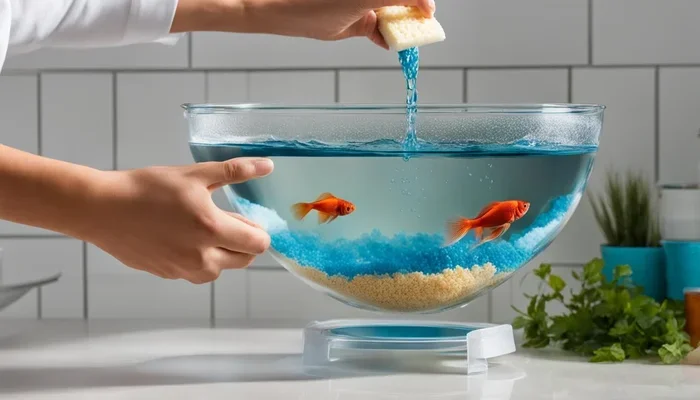
How often to change a betta fish bowl depends on the bowl size, but most setups require a partial water change every 7 to 10 days to keep your fish healthy and happy. In smaller bowls with no filter, you may need to change the water even more frequently. A consistent water change routine removes harmful toxins, maintains clean water, and creates a thriving environment for your betta.
How Often to Change a Betta Fish Bowl
How often to change a betta fish bowl is one of the most important questions every betta owner should know the answer to. A clean bowl means a healthy betta fish, and a healthy betta fish means years of enjoyment watching your colorful companion swim around. Most beginners don’t realize that betta bowl water needs regular attention, even if your fish looks fine. In this guide, we will walk you through everything you need to know about keeping your betta’s home fresh and safe. You will learn the exact schedule, the signs to watch for, and simple steps you can follow every time.
Changing water in a betta fish bowl is not as hard as it sounds. Once you build a routine, it takes just a few minutes. The key is understanding why it matters and how often to do it. Let us dive right in and make sure your betta always has the best living conditions possible.
Key Takeaways
- Perform partial water changes: Replace 25-50% of bowl water every 1-2 weeks to maintain quality.
- Monitor ammonia levels: Test water regularly since bettas are sensitive to toxic buildup in small bowls.
- Use temperature-matched water: Always condition and match new water temperature before adding it to the bowl.
- Clean the bowl regularly: Scrub algae monthly without removing your betta during each water change session.
- Observe your betta daily: Lethargy or discoloration signals that a water change is urgently needed.
- Avoid full water replacements: Never drain the entire bowl at once to preserve beneficial bacteria.
- Adjust change frequency: Warmer rooms and overfeeding often mean more frequent water changes for bettas.
📑 Table of Contents
- How Often Should You Change a Betta Fish Bowl
- Why Regular Water Changes Matter for Your Betta
- Signs Your Betta Bowl Needs a Water Change
- Step-by-Step Guide to Changing Betta Bowl Water
- Common Mistakes People Make When Changing Betta Bowl Water
- Tips for Keeping Your Betta Bowl Clean Longer
- Final Thoughts on How Often to Change a Betta Fish Bowl
How Often Should You Change a Betta Fish Bowl
The short answer is at least once a week for most setups. But the full answer depends on a few factors that we will cover below. Every bowl is different, and the size of the bowl plays a big role. A small bowl needs more frequent changes than a larger one. Think of it like this — the less water there is, the faster waste builds up.
Here is a simple breakdown based on bowl size:
- 1-gallon bowl: Change 50% of the water twice a week. This is the most common setup and needs the most attention.
- 2-gallon bowl: Change 50% of the water once a week. You get a little more breathing room here.
- 3-gallon or larger: Change 30-50% of the water once a week. Larger bowls are more stable but still need regular care.
These numbers assume you do not have a filter running. If your betta fish bowl has a small filter, you can stretch the schedule a bit. But weekly changes are still the best habit to build. Many experienced fish keepers agree that how often to change a betta fish bowl comes down to consistency rather than perfection.
Why a Weekly Schedule Works Best
Bettas produce waste every single day. Even though they are small fish, their waste adds up fast in a tiny amount of water. Ammonia starts building up within hours, and that is dangerous for your fish. A weekly water change keeps ammonia levels low and helps your betta stay active and colorful. If you skip weeks, you risk stressing your fish or even making them sick. Sticking to a schedule is the single easiest thing you can do for your betta’s health.
Why Regular Water Changes Matter for Your Betta
Water changes do more than just remove dirt. They remove invisible toxins that can harm your betta over time. Understanding what happens inside a bowl without regular changes helps you see why this task is so important.
The Hidden Danger: Ammonia and Nitrites
Fish waste, leftover food, and even decaying plants release ammonia into the water. In a small bowl, ammonia spikes happen fast because there is not enough water to dilute it. Ammonia burns a betta’s fins and gills. It can also damage their immune system. Nitrites are another harmful chemical that builds up in unfiltered bowls. Together, ammonia and nitrites create a toxic environment that stresses your fish every day.
Regular betta fish water changes dilute these chemicals and keep levels safe. This is why many experts say that how often to change a betta fish bowl directly affects how long your betta lives. A well-maintained bowl can help your betta thrive for three to five years.
Oxygen Levels and Water Freshness
Stale water holds less oxygen than fresh water. When you change the water, you also refresh the oxygen supply. Your betta needs oxygen to breathe, and they get it through their gills at the water surface. If the water sits too long without a change, oxygen drops and your fish may start gulping air at the top. This is a clear sign that a water change is overdue.
Signs Your Betta Bowl Needs a Water Change
Even with a schedule, things can go wrong. Knowing the warning signs helps you catch problems early. Here are the most common signals that your betta needs fresh water right away.
- Cloudy water: This is the most obvious sign. If you cannot see through the bowl clearly, it is time for a change.
- Foul smell: A strong, unpleasant odor means waste has built up. Fresh water should smell clean and neutral.
- Betta staying near the surface: If your fish is gasping or hovering at the top more than usual, oxygen levels may be low.
- Sluggish behavior: A healthy betta is curious and active. If your fish seems tired or hides a lot, poor water quality could be the cause.
- Faded colors: A vibrant betta will look dull when stressed by dirty water. Color loss is one of the first signs of water problems.
- White residue on bowl walls: This mineral buildup signals that the water has not been changed in a while.
If you notice any of these signs, do a water change immediately. Do not wait for the next scheduled day. Acting fast can save your betta from serious health issues.
Quick Tip: Test Your Water
If you want to be extra sure, pick up a simple aquarium test kit. These kits measure ammonia, nitrites, and nitrates in minutes. They take the guesswork out of how often to change a betta fish bowl and give you real data to work with.
Step-by-Step Guide to Changing Betta Bowl Water
Now that you know why and when to change the water, let us walk through the actual process. Following these steps keeps your betta safe and makes the job quick and easy.
Step 1: Prepare Fresh Water
Fill a clean container with tap water. Then add a water conditioner to remove chlorine and chloramine. These chemicals are safe for humans but toxic to bettas. Let the water sit for about 15 minutes so it reaches room temperature. Cold water can shock your betta, so matching the bowl temperature is essential.
Step 2: Remove the Old Water
Use a small siphon or a turkey baster to scoop out the old water. Remove about 50% of the water for weekly changes. Try not to disturb your betta too much during this step. Aim the siphon toward the bottom where waste collects. If you are doing a clean a betta fish bowl without filter, this is especially important because all the debris sits at the bottom.
Step 3: Clean the Bowl (If Needed)
Use a soft sponge or cloth to wipe the inside walls of the bowl. Never use soap or any cleaning chemicals. Residue from soap is deadly to fish. If you have gravel or decorations, rinse them in the old removed water to preserve beneficial bacteria.
Step 4: Add the Fresh Water
Pour the treated, room-temperature water slowly into the bowl. Avoid splashing too much, as bettas can get stressed by sudden movements. After adding the new water, check that the level is right. Leave some space at the top so your betta can easily reach the surface to breathe.
Step 5: Check on Your Betta
Watch your fish for a few minutes after the water change. A healthy betta should swim normally and explore the bowl. If your fish seems stressed, make sure the water temperature matches what they were used to. Over time, your betta will get used to the routine and barely notice the change.
Many people also ask about how to maintain a betta fish bowl between water changes. The answer is simple: remove uneaten food after feeding and skim off any visible debris. These small habits make a big difference.
Common Mistakes People Make When Changing Betta Bowl Water
Even well-meaning owners make mistakes. Learning from these errors helps you avoid problems and keep your betta safe.
- Using tap water without conditioner: This is the most common mistake. Always treat water before adding it to the bowl.
- Changing all the water at once: A full water change removes beneficial bacteria along with the bad stuff. Stick to partial changes of 30-50%.
- Using water that is too cold or too warm: Temperature shock is real and dangerous. Always match the water temperature to the bowl.
- Cleaning the bowl with soap: Soap residue kills fish. Use only warm water and a soft cloth for cleaning.
- Ignoring the bowl size: Keeping a betta in a bowl that is too small makes water quality problems worse much faster.
Another mistake people make is thinking that a filter means they never need to change water. Filters help, but they do not replace water changes. Even filtered bowls need regular betta bowl cleaning to keep waste under control.
Expert Insight: The Role of Beneficial Bacteria
Good bacteria live in your bowl and help break down waste. These bacteria need stable conditions to thrive. When you change too much water at once, you can wipe out these helpful colonies. That is why partial water changes are the recommended approach. They remove toxins while preserving the bacterial balance that keeps your bowl healthy.
Tips for Keeping Your Betta Bowl Clean Longer
Water changes are essential, but there are things you can do between changes to keep the bowl cleaner for longer. These tips save you time and help your betta stay comfortable.
Feed Less, Feed Better
Overfeeding is the number one cause of dirty bowl water. Uneaten food sinks to the bottom and decays, spiking ammonia levels. Feed your betta small amounts once or twice a day. Only give them what they can eat in two to three minutes. If you notice leftover food, remove it with a small net or siphon.
Add Live Plants to Your Bowl
Live plants are natural water filters. They absorb ammonia and nitrates while producing oxygen. If you are setting up a new bowl, consider how to setup a betta fish bowl with a plant. Plants like java moss or anubias are easy to care for and work great in small bowls. They also give your betta a beautiful, natural environment to explore.
Keep the Bowl Out of Direct Sunlight
Sunlight encourages algae growth, which makes your bowl look green and dirty fast. Place the bowl in a spot with indirect light or use a small LED lamp designed for aquariums. This simple change reduces the need for frequent bowl scrubbing.
Use the Right Bowl Size
A larger bowl is easier to maintain than a tiny one. More water means more dilution of waste and more stable conditions. If you have the space, consider upgrading to a 3-gallon or 5-gallon bowl. Your betta will appreciate the extra room, and you will find that how often to change a betta fish bowl becomes a quicker, simpler task.
Quick Reference: Water Change Frequency Chart
| Bowl Size | Water Change Frequency | Percentage to Change |
|---|---|---|
| 1 gallon | Twice a week | 50% each time |
| 2 gallons | Once a week | 50% |
| 3-5 gallons | Once a week | 30-50% |
This chart gives you a starting point. Adjust based on your specific setup and what you observe in your bowl. If the water gets cloudy faster, increase the frequency. If everything looks clear and your betta is active, you are on the right track.
Final Thoughts on How Often to Change a Betta Fish Bowl
Keeping up with how often to change a betta fish bowl is the foundation of good betta care. A simple weekly routine protects your fish from harmful toxins, keeps the water fresh, and creates a thriving environment. Your betta depends on you for a clean home, and the effort you put in truly shows in their health and happiness.
Remember to watch for warning signs, follow the steps carefully, and build habits that work for your schedule. Whether you have a tiny 1-gallon bowl or a larger setup, consistency is what matters most. Pair your water changes with proper feeding, good placement, and maybe a few live plants, and you will have a beautiful, healthy betta for years to come.
Start today. Pick a day that works for you, set a reminder, and make betta bowl maintenance a regular part of your routine. Your fish will thank you with vibrant colors, energetic swimming, and a long, happy life by your side.
Frequently Asked Questions
How Often to Change a Betta Fish Bowl?
You should do a partial water change every 3 to 5 days for a small betta bowl without a filter. A full bowl change is only needed every 2 to 4 weeks, depending on tank size and setup.
Can You Change a Betta Fish Bowl Too Often?
Yes, changing the water too frequently can strip away beneficial bacteria that help keep the bowl stable. Stick to partial changes and avoid replacing all the water at once unless absolutely necessary.
How Often to Do a Full Water Change for a Betta Fish Bowl?
A complete water change is typically needed every 2 to 4 weeks if the bowl holds at least 2.5 gallons. Smaller bowls without filters may need full changes more often, but partial changes are always better for your betta’s health.
What Happens If You Don’t Change a Betta Fish Bowl Regularly?
Without regular water changes, harmful toxins like ammonia and nitrite build up quickly in a small bowl. This can lead to stress, disease, and a shortened lifespan for your betta fish.
How Do You Know When to Change the Water in a Betta Fish Bowl?
Cloudy water, a strong odor, or visible algae growth are clear signs that a water change is needed. Testing the water parameters with a simple kit can also tell you if ammonia or nitrite levels are rising too high.
Does Bowl Size Affect How Often You Need to Change the Water?
Absolutely. Smaller bowls with less water volume accumulate waste and toxins much faster than larger setups. A bigger bowl or tank with a filter will need less frequent changes and keep your betta healthier overall.