Can a Betta Fish Overeat
Betta fish can overeat if fed too often or given too much food, leading to bloating, constipation, and even fatal health issues. Understanding proper portion sizes, feeding schedules, and the right diet will prevent over‑feeding and keep your betta thriving.
Key Takeaways
- Over‑feeding is real: Betta fish can easily consume more than they need, especially with frequent treats.
- Watch the signs: Bloated belly, sluggish swimming, and cloudy water often signal over‑eating.
- Portion control matters: A few pea‑sized pellets once or twice daily are usually enough.
- Varied diet helps: Alternate between high‑quality flakes, frozen foods, and occasional live feeds.
- Regular tank maintenance: Clean water reduces stress that can make a betta over‑eat.
- Consult a vet if needed: Persistent constipation or weight loss requires professional help.
- Proper feeding prevents disease: Balanced nutrition supports a strong immune system.
📑 Table of Contents
- Introduction: Why Feeding Your Betta Right Matters
- Understanding Betta Metabolism
- How Much Is Too Much? Determining the Right Portion
- Signs That Your Betta Is Overeating
- Preventing Over‑Eating: Practical Tips
- When Over‑Eating Leads to Health Issues
- Feeding in Different Tank Set‑Ups
- Conclusion: Keep It Simple, Keep It Healthy
Introduction: Why Feeding Your Betta Right Matters
Betta fish are tiny, vibrant, and full of personality. Their bright fins and curious nature make them a favorite for beginners and seasoned hobbyists alike. But with great cuteness comes a common mistake: over‑feeding. Many owners wonder, can a betta fish overeat? The short answer is yes, and the consequences can be serious.
In this guide we’ll explore exactly how much a betta should eat, the warning signs of over‑eating, and practical steps to keep your fish at a healthy weight. Think of it as a friendly chat over a cup of coffee—simple language, clear examples, and a few handy tips you can start using today.
Understanding Betta Metabolism
What a Betta’s Stomach Can Handle
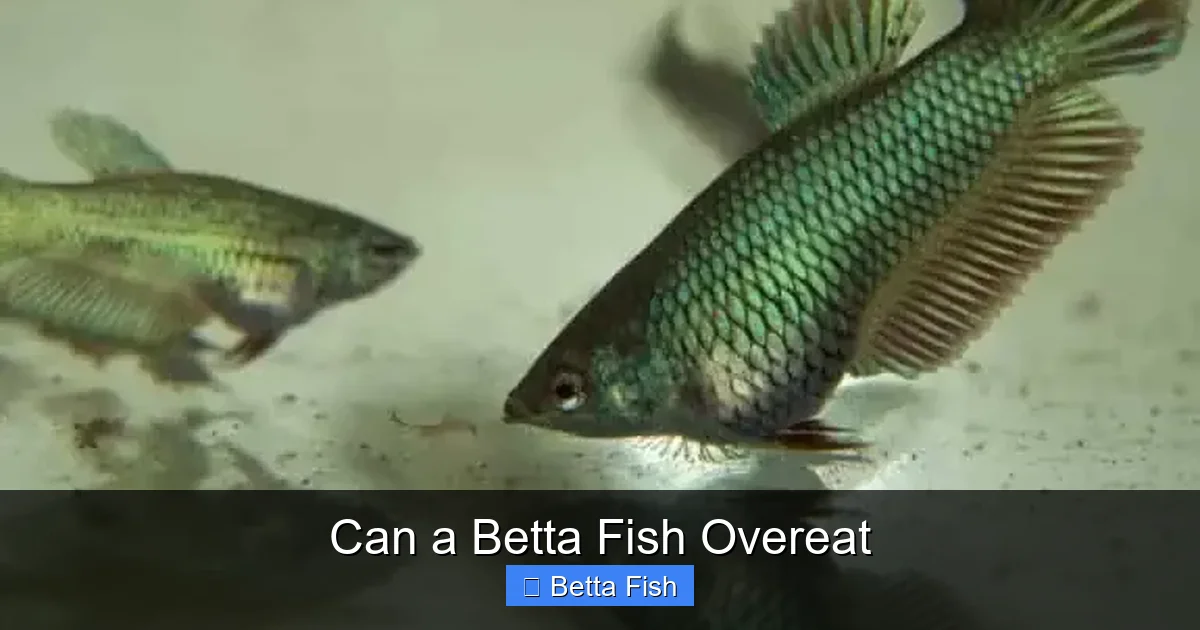
A betta’s stomach is roughly the size of a pea. In the wild, they hunt for small insects and larvae, eating only what they can swallow in a single bite. In captivity, this tiny stomach can become overloaded quickly if you offer too many pellets or large pieces of frozen food.
Visual guide about Can a Betta Fish Overeat
Image source: aquariadise.com
Natural Eating Patterns
In the wild, bettas feed sporadically—often just a few bites a day. This intermittent pattern helps their digestive system rest between meals. Replicating this rhythm in your tank reduces the chance of over‑eating.
How Much Is Too Much? Determining the Right Portion
Standard Feeding Guidelines
For most high‑quality betta pellets, the rule of thumb is:
Visual guide about Can a Betta Fish Overeat
Image source: bettasource.com
- 1–2 pellets per feeding
- Twice a day (morning and evening)
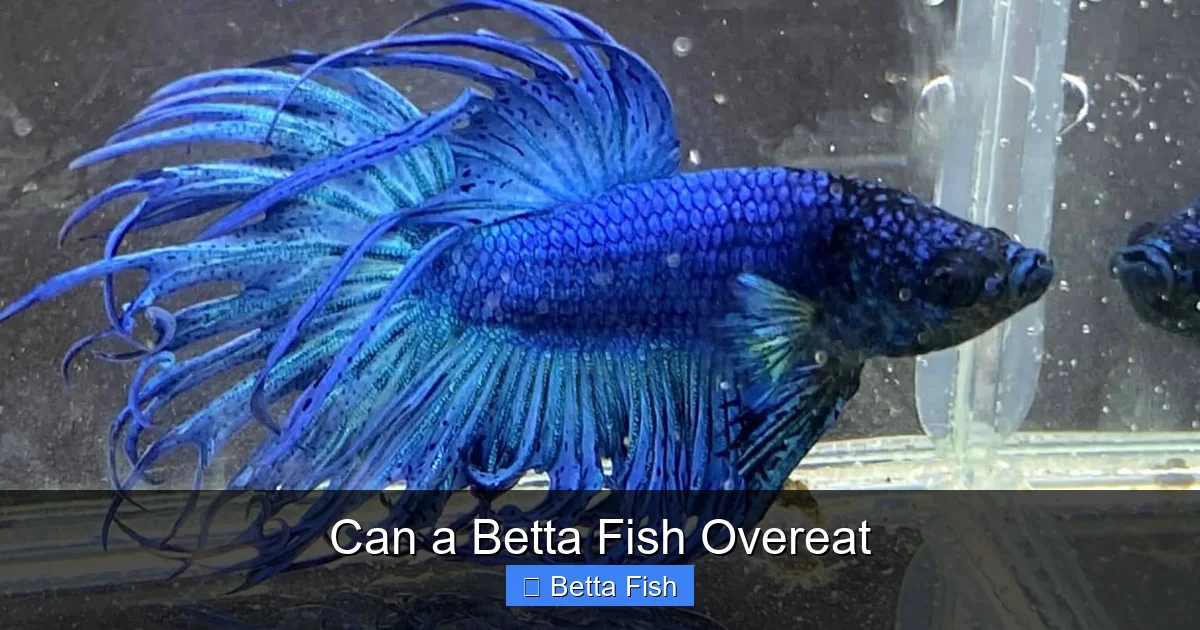
If the pellets are larger, cut them in half. The goal is to give your betta just enough to eat within 2–3 minutes.
Adjusting for Age and Activity
Young fry need slightly more frequent feedings (3–4 times daily) because they grow fast. Adult bettas, especially those that are less active, may thrive on a single feeding per day. Always observe how quickly your fish finishes the food and adjust accordingly.
Signs That Your Betta Is Overeating
Physical Indicators
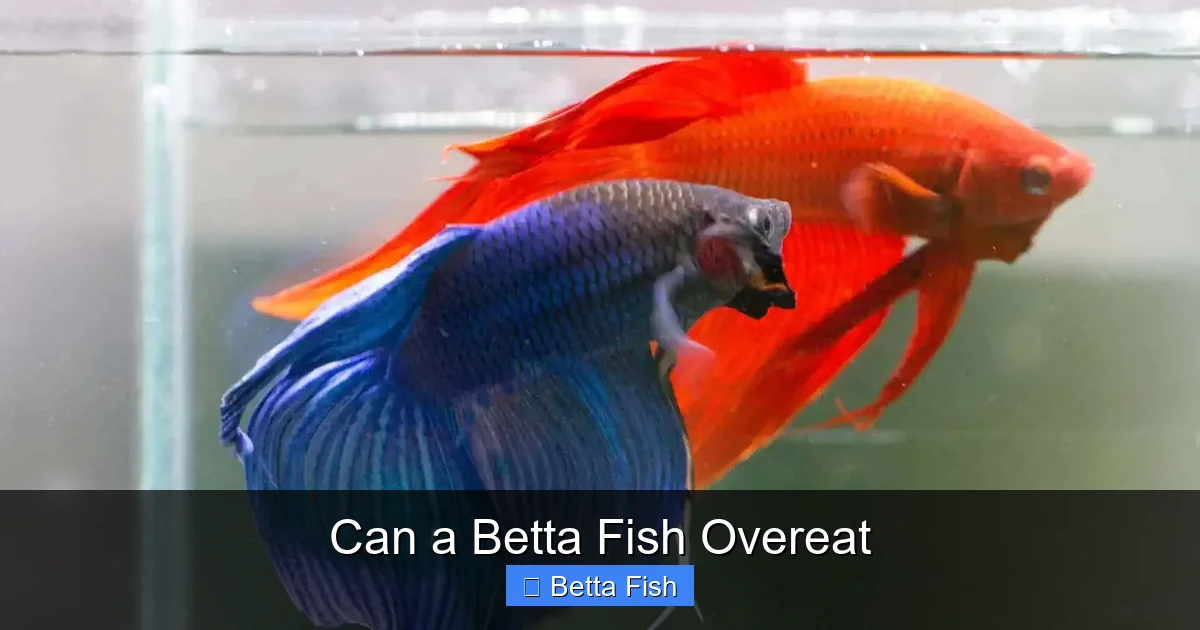
Watch for a swollen or rounded abdomen, especially after a feeding. A bloated belly can indicate that the fish has taken in more food than it can process.
Visual guide about Can a Betta Fish Overeat
Image source: ekk4j69ebaa.exactdn.com
Behavioral Changes
Over‑fed bettas often become lethargic, hover near the surface, or hide more than usual. They may also show reduced interest in food after a few days of heavy feeding.
Water Quality Clues
Excess food that isn’t eaten will decompose, raising ammonia and nitrite levels. Cloudy water, unpleasant odor, and increased algae growth can all point to over‑feeding.
Preventing Over‑Eating: Practical Tips
Set a Feeding Schedule
Stick to a consistent routine—morning and evening are ideal. Use a small measuring spoon or your fingers to count pellets, ensuring you never guess the amount.
Use a Feeding Log
Write down the date, time, and amount fed. Over a week, patterns emerge, helping you spot over‑feeding before problems arise.
Offer Variety, Not Quantity
Rotate between high‑quality flakes, frozen bloodworms, and occasional live foods like brine shrimp. Variety keeps your betta interested and reduces the temptation to over‑feed.
Introduce Fast‑Eating Toys
Floating feeding rings or puzzle feeders slow down consumption, giving the fish time to feel full before gulping everything.
Monitor Tank Cleanliness
Regular water changes (20‑30% weekly) and a clean substrate remove uneaten food, keeping the environment healthy and discouraging your betta from constantly grazing on leftovers.
When Over‑Eating Leads to Health Issues
Constipation and Swim‑Bladder Disorder
Too much food can cause constipation, leading to swim‑bladder problems. Your betta may float upside down or have difficulty staying upright. A simple remedy is to feed a peeled, cooked pea once and watch for improvement.
Obesity and Shortened Lifespan
Chronic over‑eating can cause excess fat deposits, especially around the belly and tail base. Obese bettas are more prone to infections, liver disease, and reduced lifespan.
Fungal and Bacterial Infections
Stress from a poor diet weakens the immune system, making your betta vulnerable to common tank diseases. Maintaining a balanced diet is a key preventative measure.
Feeding in Different Tank Set‑Ups
Betta in a Small Bowl vs. Proper Tank
If you keep a betta in a bowl, it’s even easier to over‑feed because the water volume is low and waste builds up quickly. For best results, upgrade to a 5‑gallon tank with a heater and filter. Learn more about proper housing in our article Can You Keep Betta Fish In A Bowl.
Community Tanks
When housing a betta with other peaceful fish, over‑feeding can affect the whole community. Uneaten food sinks and pollutes the water for all occupants. If you’re curious about compatible tank mates, read What Fish Can Go With A Betta Fish for guidance.
Conclusion: Keep It Simple, Keep It Healthy
Yes, a betta fish can overeat, and the signs are easy to miss if you’re not paying attention. By feeding the right amount, sticking to a schedule, and keeping the tank clean, you give your betta the best chance at a long, vibrant life. Remember: a little food goes a long way for these petite predators. When in doubt, feed less—your betta will thank you with bright colors and lively behavior.
Frequently Asked Questions
Can a betta fish overeat if I feed it multiple times a day?
Yes. Feeding more than twice daily often leads to excess calories and a bloated abdomen, especially if the portions aren’t reduced.
How often should I feed my betta?
Two small meals per day are ideal for most adult bettas. Fry may need three to four feedings spaced throughout the day.
What foods should I avoid to prevent over‑eating?
High‑fat treats, large live foods, and human snacks like bread can quickly add unwanted calories. Stick to pellet or flake diets designed for bettas.
My betta looks bloated—what should I do?
Fast‑acting remedies include feeding a peeled, cooked pea to relieve constipation. If the swelling persists, consult a vet.
Will a larger tank help prevent over‑eating?
A larger tank improves water quality, reducing stress that can trigger over‑feeding. However, proper portion control is still essential.
Is it okay to give my betta occasional treats?
Yes, occasional treats like frozen bloodworms are fine if they’re given in small amounts and don’t replace the staple diet.