How to Make Your Betta Fish Follow Your Finger
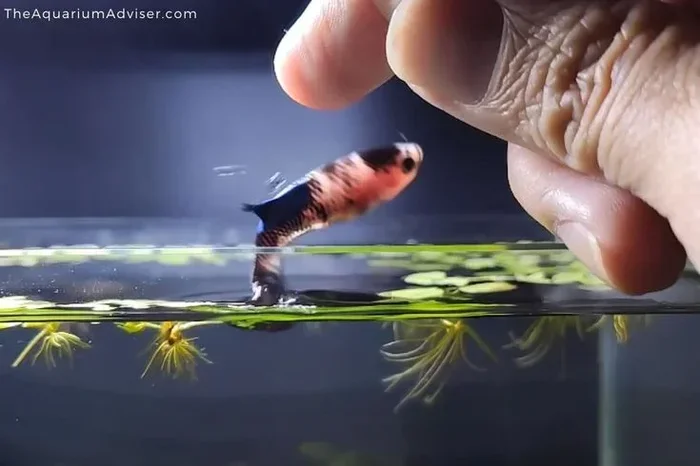
You can teach your betta fish to follow your finger with just a few simple steps. This guide shows you how to build trust, use food motivation, and keep training sessions short and fun. With patience, your betta will see your finger as a friendly guide and follow it around the tank.
Key Takeaways
- Start with a clean, calm tank: A stress-free environment helps your betta focus on you.
- Use food as a reward: Small, tasty treats make finger following a positive experience.
- Keep sessions short: 3 to 5 minutes a few times a day prevents fatigue and keeps your fish engaged.
- Watch for stress signs: If your betta hides or flares, stop and try again later.
- Build trust first: Bonding activities like How To Grow A Bond With Your Betta Fish lay the groundwork for successful training.
- Make it fun: Combine finger following with How To Teach Your Betta Fish To Do Tricks for a richer interactive experience.
- How to Make Your Betta Fish Follow Your Finger
- Why Finger Following Matters for Betta Fish
- Prepare the Tank for Training
- Step-by-Step Training Guide
- Common Mistakes to Avoid
- Is Your Betta Enjoying the Activity?
- Take Your Training Further
- Comparison: Finger Following vs. Other Training Methods
- Key Takeaways from Training
📑 Table of Contents
How to Make Your Betta Fish Follow Your Finger
Teaching your betta fish to follow your finger is one of the most rewarding parts of fish keeping. It turns a quiet tank into a lively, interactive space where you and your fish connect every day. The process is simpler than you might think, and it relies on patience, consistency, and a happy fish.
When you learn how to make your betta fish follow your finger, you are not just teaching a trick. You are building a line of communication with your pet. Betta fish are smarter than many people realize. They can recognize their owner, respond to light signals, and even learn simple paths. Following your finger is a natural extension of their curiosity and their desire for a safe, familiar presence.
This guide walks you through every step. You will learn how to set up the right environment, how to introduce your finger, and how to keep the experience positive. Along the way, you will discover why betta fish behavior changes when they feel secure, and how a little daily interaction can transform your fish into a confident, engaged companion.
Before you start, remember that every betta has a unique personality. Some fish are bold and will follow your finger right away. Others are shy and need more time. The key is to never force the interaction. Let your fish set the pace, and you will both enjoy the journey.
Why Finger Following Matters for Betta Fish
Finger following is more than a cute party trick. It is a sign that your betta trusts you and feels safe in its environment. When a betta swims toward your finger, it is choosing to engage. That choice shows a strong bond between fish and owner. Regular interaction also provides mental stimulation, which is a key part of betta fish care.
In the wild, bettas explore their surroundings constantly. A tank can feel like a small world, but without enrichment, it may become boring. Introducing your finger as a moving target gives your fish something to investigate and follow. This mimics the natural curiosity that keeps bettas active and healthy. A stimulated fish is a happier fish, and a happy fish will show brighter colors and more energy.
The Joy of Interactive Fish Keeping
Many fish keepers love watching their bettas glide through plants and decorations. Adding finger following to the mix makes the hobby even more personal. You become part of the tank’s daily rhythm. Your fish starts to see you as a source of good things, like food and gentle play. This kind of interaction can reduce stress for both you and your fish. Coming home to a betta that eagerly greets you at the glass is a special feeling.
Understanding Betta Fish Curiosity
Betta fish are naturally curious. They examine new objects, explore corners, and track movement. Your finger, when moved slowly, looks like an interesting part of their environment. They may first just stare at it. Then they might swim closer. Eventually, they will follow it. This progression is a clear sign of betta fish behavior driven by curiosity and confidence. Never rush this process. Let your fish observe from a distance first.
Prepare the Tank for Training
A good setup makes finger following much easier. Your betta needs to feel safe before it can focus on learning. Start by checking the basics of betta fish tank health. Clean water, proper temperature, and gentle lighting create a calm backdrop for training.
Set the Right Environment
Make sure the water temperature stays between 78 and 80 degrees Fahrenheit. Use a heater if needed. Test the pH to keep it between 6.5 and 7.5. Perform a small water change a day before training to remove any excess waste. Fresh, clean water helps your betta feel its best. A stressed fish will not want to follow anything.
Gather Simple Supplies
You do not need fancy equipment. Just your clean finger, a small amount of your betta’s favorite food, and a few minutes of quiet time. Some keepers like to use a small target stick, but your finger works perfectly. Wash your hands thoroughly with unscented soap and rinse them well. Any soap residue can harm your fish. The goal is to introduce a familiar, safe scent.
Step-by-Step Training Guide
Now it is time to teach your betta. Follow these steps in order. Each session should last only 3 to 5 minutes. You can do two or three sessions a day, but always watch your fish for signs of tiredness.
Step 1: Get Your Fish Comfortable
Sit by the tank and let your betta get used to your presence. Do not tap the glass or make loud noises. Just let your hand rest gently on the outside of the tank. Do this for a minute or two. This is the same principle as How To Grow A Bond With Your Betta Fish, where presence builds trust before any direct interaction.
Step 2: Introduce Your Finger Slowly
Place your clean finger against the outside of the glass, near the front of the tank. Keep it still. Let your betta come to it. Do not push the finger toward the fish. If your fish swims up and sniffs or touches the glass near your finger, that is a great first step. Reward this with a tiny piece of food. You can use a pipette to drop the food near your finger on the glass.
Step 3: Use Food as Motivation
Betta fish are food motivated, and this is your biggest training tool. Hold a small piece of bloodworm or brine shrimp right next to your finger on the glass. Your fish will learn that your finger is a safe place where good things happen. Over time, your betta will start to swim toward your finger even before the food appears. This is the beginning of finger following.
Step 4: Practice Regular Short Sessions
Consistency beats long sessions. Five minutes, twice a day, works better than one long session. Train at the same time each day so your fish knows what to expect. Use a feeding schedule that is separate from main meals, so the treats feel special. Always end on a positive note, even if the session was short. How To Teach Your Betta Fish To Do Tricks also relies on this kind of short, positive repetition.
Step 5: Gradually Move Your Finger
Once your betta follows your stationary finger, start moving it very slowly. Slide it along the glass in a gentle, smooth line. Your fish will track the movement. Keep the speed slow enough that your betta can easily keep up. If the fish loses interest, stop and try again the next day. Never chase your fish with your finger. The movement should always feel inviting, not threatening.
Common Mistakes to Avoid
Many well-meaning keepers make mistakes that slow down training or stress the fish. Knowing what to avoid will save you time and keep your betta happy.
Moving Your Finger Too Fast
This is the most common error. Fast movements can startle your betta. A spooked fish will hide and refuse to come out for hours. Always move your finger at a pace a betta could easily match. Think of a slow, gliding motion, not a quick swipe.
Ignoring Stress Signals
Betta fish show stress in clear ways. Clamped fins, hiding behind decorations, rapid breathing, or flaring at your finger are all warning signs. If you see any of these, stop the session immediately. Check the water parameters to make sure nothing is off. A stressed fish cannot learn. Give it time to recover, and try again when it looks relaxed.
Overfeeding During Training
Treats are great motivators, but too many can lead to health problems. Feed only 2 or 3 tiny pieces per session. Make sure the total amount of treats does not exceed what your fish would eat in two minutes. Overfeeding can cause bloating and poor water quality, which will ruin the training environment.
Skipping Days
Training works because of repetition. Skipping several days in a row can erase progress. Your betta may forget the association between your finger and the reward. Aim for at least five days a week, even if sessions are very short. Consistency is the secret ingredient.
Is Your Betta Enjoying the Activity?
Knowing whether your fish likes the training is just as important as the training itself. A willing, eager betta will show specific behaviors. Check out How To Know If Your Betta Fish Is Happy to understand the full range of happy signals. Here are the key signs to watch for during finger-following sessions.
A happy betta will swim actively toward your finger. Its colors may look brighter, and its fins will be open and flowing. Some fish will even do a little dance, circling around your finger or hovering right next to it. This is a clear sign that your fish is engaged and enjoying the interaction. On the other hand, a fish that turns away, hides, or stays motionless at the bottom is telling you to stop and try later.
Signs of a Happy, Engaged Betta
- Bright, vivid colors: A happy betta displays its full palette.
- Open fins: Flowing fins show relaxation and confidence.
- Active swimming: Your fish moves eagerly toward your finger.
- Appetite for treats: Taking food eagerly during training is a great sign.
When to Stop and Try Again Later
Training should always end before your fish gets tired. Even if your betta seems interested, stop after 5 minutes. Short, positive sessions build lasting trust. If your fish shows any signs of stress, end the session immediately. You can always try again the next day. Forcing it will only set back your progress.
Take Your Training Further
Once your betta follows your finger reliably, you can build on that foundation. Many keepers find that finger following is the first step toward a whole routine of interactive play. The skills your fish learns here transfer to other activities.
Linking Behaviors for a Fun Routine
You can guide your betta through simple hoops or around a specific path in the tank. Use your finger to lead the way, and reward each successful lap with a treat. This kind of structured play keeps your fish mentally sharp. It also adds variety to your daily routine. Watching your fish navigate a little course is incredibly fun.
Keep Training Fresh and Exciting
Betta fish love variety. Change the path your finger takes every few days. Use different spots on the glass. Occasionally, use a target stick instead of your finger to add a new challenge. The goal is to keep your fish curious and engaged. A bored fish will lose interest quickly. Novelty is the spice of betta fish training.
Remember, the bond you build through these activities is the real reward. Your fish will start to recognize you and respond to your presence. That connection is what makes fish keeping so special. It turns a simple hobby into a daily friendship.
Comparison: Finger Following vs. Other Training Methods
| Method | Difficulty | Time to Learn | Bonding Benefit |
|---|---|---|---|
| Finger Following | Easy | 1 to 2 weeks | Very High – direct, face-to-face interaction |
| Target Training | Medium | 2 to 3 weeks | High – requires precise hand-eye coordination |
| Hoop Jumping | Hard | 3 to 4 weeks | Medium – great for advanced fish |
Finger following is the easiest and most accessible method for most betta keepers. It requires no special tools, just your finger and a little patience. Target training and hoop jumping are excellent next steps, but they build directly on the trust you establish with finger following. Start here, and you will have a solid foundation for any future training.
Key Takeaways from Training
Teaching your betta to follow your finger is a simple yet powerful way to deepen your relationship with your fish. The process relies on a few core principles: a clean and calm tank, short positive sessions, food motivation, and respect for your fish’s pace. Never rush, and always watch for stress signals. When you get it right, the results are amazing. Your betta becomes more active, more colorful, and more responsive to you every day.
This activity is not just about the trick itself. It is about understanding your betta’s needs and personality. Every fish learns at its own speed. Celebrate small wins, like the first time your fish swims toward your finger without a food lure. Those moments are the true reward of how to make your betta fish follow your finger. Keep the sessions light, keep the water clean, and enjoy the journey.
With consistent effort, you will have a betta that eagerly greets you at the glass and follows your finger around the tank. That kind of connection is what makes fish keeping so meaningful. Your fish is not just a pet. It is a companion that recognizes and trusts you. And that trust starts with a single, gentle finger on the glass.
Frequently Asked Questions
How long does it take for a betta fish to follow your finger?
Most bettas start following within one to two weeks of daily training. Some bold fish may start within a few days, while shy fish might take longer. The key is consistency and patience.
Can I use a target stick instead of my finger?
Yes, a target stick works well and can be purchased or made at home. However, starting with your finger helps build a direct, personal bond. Once your fish follows a target stick, you can transition back to your finger for even more interaction.
Is finger following safe for all betta fish?
Yes, it is safe for healthy bettas in a clean tank. If your fish is sick or stressed, skip training until it recovers. Always ensure the water is warm and free of chlorine before putting your hand near the tank.
What if my betta fish ignores my finger?
Do not worry. Some fish need more time to warm up. Make sure the tank is quiet and the lighting is dim. Try feeding a tiny treat near your finger and let the fish discover the connection on its own. Never tap the glass or chase the fish.
How often should I train my betta to follow my finger?
Two to three short sessions of 3 to 5 minutes each day is ideal. Train at the same times daily so your fish learns when to expect the activity. Stop if your fish shows any signs of fatigue or stress.
Can I train my betta fish to follow my finger after it eats?
Yes, but training on a slightly hungry stomach often works better. Offer a few treats right before or after the main meal. This keeps your betta motivated without overfeeding. Just make sure the treats are small and appropriate for bettas.