How to Make Hydropod Garden Betta Fish
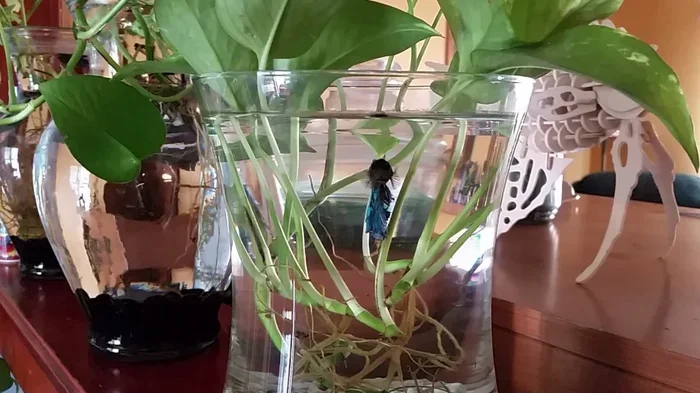
Creating a hydropod garden for your betta fish is one of the best ways to build a stunning, self-sustaining ecosystem right at home. This guide walks you through everything you need to know, from choosing the right plants to setting up the perfect water conditions. You will learn simple steps to keep your betta fish healthy, your plants thriving, and your tank looking amazing.
Creating a hydropod garden betta fish setup is one of the most rewarding things you can do as a fish keeper. It blends the beauty of live plants with the calming presence of a betta fish in a single, self-sustaining system. The idea is simple: plants clean the water, the fish provides nutrients, and everything thrives together.
If you have ever wanted a low-maintenance tank that still looks incredible, this is the way to go. A hydropod garden reduces the need for frequent water changes and gives your betta a much more natural environment. In this guide, we will walk you through every step of building your own system from scratch.
The term hydropod garden refers to a small hydroponic setup that connects directly to your betta tank. Instead of relying only on filters and chemicals, you let living plants do the heavy lifting. Plants absorb harmful ammonia and nitrates, which means cleaner water for your fish. This creates a balanced ecosystem that is easier to maintain and far more enjoyable to look at.
Why choose a hydropod garden over a regular tank setup? The answer comes down to simplicity and beauty. Traditional tanks require lots of equipment, frequent maintenance, and constant monitoring. A hydropod system works with nature instead of against it. Your betta fish gets a healthier home, and you get a gorgeous living display on your desk or shelf.
Key Takeaways
- A hydropod garden combines betta fish care with live plants to create a natural, filtered habitat.
- Choosing the right plants like java moss and anubias keeps your betta fish safe and comfortable.
- Proper water preparation is essential for both plant growth and betta fish health.
- Maintaining the system requires simple weekly routines that anyone can follow.
- Common mistakes include overfeeding, poor plant selection, and ignoring water quality.
📑 Table of Contents
- Understanding the Hydropod Garden Concept
- Choosing the Right Plants for Your Hydropod Garden
- Setting Up Your Hydropod Garden for Betta Fish
- Maintaining Your Hydropod Garden and Betta Fish Health
- Making Your Betta Fish Happy in a Hydropod Garden
- Common Mistakes to Avoid
- Benefits of a Hydropod Garden Betta Fish Setup
Understanding the Hydropod Garden Concept
A hydropod garden betta fish system works on a basic principle called the nitrogen cycle. Fish produce waste, which breaks down into ammonia. Ammonia is toxic to fish. But plants love ammonia. They absorb it through their roots and use it as fuel to grow. In return, they release oxygen into the water, which your betta fish needs to breathe.
This natural loop means less work for you. You still need to feed your fish and check water parameters, but the plants handle much of the filtration. Think of it as building a tiny wetland inside your home. The plants act as living filters, and your betta fish becomes part of the ecosystem.
What Makes a Hydropod Garden Different
A regular aquarium relies on mechanical filters and chemical media to clean the water. A hydropod garden replaces much of that with biological filtration from plants. Here is how the two setups compare:
- Regular tank: Uses filters, sponges, and chemical media to remove waste.
- Hydropod garden: Uses plant roots and beneficial bacteria to filter water naturally.
- Regular tank: Requires frequent water changes every week or two.
- Hydropod garden: Needs less frequent water changes because plants absorb toxins.
- Regular tank: Often looks like a glass box with plastic decorations.
- Hydropod garden: Looks like a living garden with lush green growth.
The key difference is that a hydropod system is alive. It changes and grows over time, just like a real garden. This makes it more engaging and fun to maintain.
How the Nitrogen Cycle Works in Your Setup
Understanding the nitrogen cycle helps you maintain a healthy system. Here is the simple version:
- Fish produce waste through breathing and excretion.
- Waste breaks down into ammonia in the water.
- Beneficial bacteria convert ammonia into nitrites, then nitrates.
- Plant roots absorb nitrates as food for growth.
- Cleaner water returns to the fish tank.
This cycle keeps repeating itself as long as your plants stay healthy and your fish are not overfed. It is a beautiful, self-regulating process that makes life easier for both you and your betta.
Choosing the Right Plants for Your Hydropod Garden
Not all plants work well in a betta fish hydropod setup. You need plants that can grow in water, tolerate low light, and will not harm your fish. The good news is that many popular aquarium plants fit this description perfectly.
Best Plants for a Betta Hydropod Garden
Java Moss is one of the easiest plants to grow. It attaches to rocks and driftwood, and it thrives in low-light conditions. Betta fish love hiding in java moss because it feels like their natural habitat. It also absorbs a lot of nitrates, which helps keep the water clean.
Anubias is another excellent choice. It has thick, waxy leaves that grow slowly but last a long time. Anubias does not need special fertilizers or high light. You can attach it to hardscape pieces and let it grow naturally. It is tough and forgiving, which makes it perfect for beginners.
Java Fern is similar to anubias in that it is low-maintenance and hardy. Its long, flowing leaves add a beautiful green backdrop to any tank. Java fern grows well in the shade, which betta fish prefer. It also helps remove toxins from the water.
Amazon Sword is a larger plant that works well in bigger hydropod setups. It has broad leaves that provide plenty of cover for your betta. Amazon swords need more nutrients and light than the other options, but they make a stunning centerpiece plant.
Plants to Avoid
Some plants can be harmful to betta fish or simply do not grow well in water. Avoid any plant that requires dry periods or soil that leaches chemicals. Do not use plants treated with pesticides or fertilizers that contain copper. These can be deadly to your betta fish.
Quick Tip: Always buy plants from reputable aquarium stores. Wild-harvested plants may carry pests or chemicals that harm your fish.
Setting Up Your Hydropod Garden for Betta Fish
Setting up a hydropod garden betta fish system is easier than most people think. You do not need expensive equipment or years of experience. With a few basic supplies and some patience, you can have a working system in just a few hours.
What You Will Need
- A tank or container with a lid (at least 5 gallons for one betta fish).
- A small hydroponic pod or grow chamber that sits above the water line.
- Live aquarium plants (java moss, anubias, or java fern).
- Substrate like clay pebbles or aquatic soil for plant roots.
- A gentle air pump or sponge filter for water circulation.
- Water conditioner to remove chlorine and chloramine from tap water.
- A thermometer to monitor water temperature.
- A small light if your room does not get enough natural light.
Step-by-Step Setup Process
- Clean your tank thoroughly with warm water. Do not use soap or detergent.
- Add substrate to the bottom of the tank. Use clay pebbles or aquatic soil designed for planted tanks.
- Install the hydroponic pod above the water line. Make sure it is stable and secure.
- Fill the tank with treated water. Use a conditioner to remove harmful chemicals. Let the water sit for a few minutes to reach room temperature.
- Plant your chosen plants in the substrate and in the hydroponic pod. Leave enough space between plants for growth.
- Attach your filter or air pump to keep water moving gently. Betta fish prefer slow currents.
- Let the system cycle for 2 to 4 weeks before adding your betta fish. This allows beneficial bacteria to build up.
- Add your betta fish slowly. Float the bag in the tank for 15 to 20 minutes to equalize temperature, then gently release the fish.
Water Preparation Tips
Preparing the right water is one of the most important steps. Tap water contains chlorine and chloramine, which are harmful to both fish and plants. Always use a water conditioner before adding water to your tank. If you want to learn more about preparing the best water for your setup, check out this guide on how to make water for betta fish to understand the full process.
Expert Insight: Many beginners skip the cycling process and add their betta fish too early. This often leads to cloudy water and stressed fish. Be patient and let your plants and beneficial bacteria establish themselves first. Your betta fish will thank you for it.
Maintaining Your Hydropod Garden and Betta Fish Health
Once your system is running, maintenance is simple but consistent. A hydropod garden betta fish setup still needs regular attention, even if it is less work than a traditional tank. The key is to build a routine and stick to it.
Weekly Maintenance Tasks
- Check water temperature. Betta fish thrive in water between 76 and 82 degrees Fahrenheit. Use a thermometer to monitor this.
- Test water parameters. Check ammonia, nitrite, and nitrate levels with a simple test kit. Plants should keep nitrates low, but ammonia and nitrites should always be at zero.
- Trim dead leaves from your plants. Dead plant matter can decay and release toxins back into the water.
- Feed your betta fish once or twice a day with small amounts. Overfeeding is the number one cause of water quality problems.
- Top off evaporated water with fresh, conditioned water. Do not replace large amounts of water at once.
- Check your plants for signs of algae or nutrient deficiency. Yellow leaves often mean your plants need more light or nutrients.
How to Keep Your Betta Fish Strong and Healthy
A healthy betta fish is the heart of any hydropod garden. To keep your fish strong, focus on water quality, diet, and stress reduction. Clean, well-oxygenated water is the foundation of betta fish health. Plants help with this naturally, but you still need to monitor the system closely.
For more tips on building your betta fish’s strength and vitality, read our guide on how to make your betta fish stronger. It covers diet, exercise, and environmental enrichment in detail.
Quick Tip: Add a few hiding spots using rocks or driftwood. Betta fish feel safer when they have places to retreat. A stress-free fish is a happy and colorful fish.
Common Problems and How to Fix Them
Even the best setups can face issues. Here are the most common problems and their solutions:
- Algae growth: Caused by too much light or excess nutrients. Reduce light to 8 hours a day and trim plants regularly.
- Yellowing leaves: Often a sign of nutrient deficiency. Add a gentle liquid fertilizer designed for planted tanks.
- Cloudy water: Usually caused by a bacteria bloom. Let the system stabilize and avoid overfeeding.
- Betta fish hiding constantly: A sign of stress. Check water parameters and temperature, and add more hiding spots.
- Plant rot: Caused by poor water flow or decaying matter. Remove dead plant material and increase gentle water circulation.
For more guidance on restoring a struggling tank environment, visit our article on how to make your betta fish healthy again. It provides practical steps to bring your system back into balance.
Making Your Betta Fish Happy in a Hydropod Garden
A beautiful hydropod garden is only half the goal. The other half is making sure your betta fish is truly happy and thriving. Betta fish are intelligent and curious creatures. They need more than just clean water to live their best lives.
Enrichment Ideas for Your Betta
- Live plants provide natural cover and exploration opportunities. Your betta will swim through the leaves and investigate the roots.
- Add a mirror briefly (for 5 minutes a day) to encourage natural flaring behavior. This provides mental stimulation.
- Place the tank in a quiet area where your betta can observe movement without being startled.
- Feed a varied diet that includes high-quality pellets, frozen bloodworms, and occasional live food.
For more ideas on keeping your betta engaged and content, read our article on how to make betta fish happy. It is packed with creative enrichment tips that work perfectly in a hydropod setup.
Expert Insight: Many betta owners notice their fish become more vibrant and active after moving them into a planted hydropod system. The natural environment reduces stress and brings out their best colors. It is one of the most rewarding changes you can make for your fish.
Common Mistakes to Avoid
Building a hydropod garden is a learning experience. Even experienced fish keepers make mistakes along the way. Here are the most common errors and how to avoid them.
Overloading the System with Too Many Fish
A hydropod garden is designed for a single betta fish or a very small group of peaceful species. Adding too many fish overwhelms the plant filtration system. This leads to ammonia spikes and stressed fish. Stick to one betta per hydropod setup, especially when you are just starting out.
Choosing the Wrong Plants
Not every plant is suited for a betta hydropod. Some plants grow too aggressively and crowd out others. Some require high light or special nutrients that complicate the system. Stick to the beginner-friendly plants we recommended earlier, and you will have a much smoother experience.
Ignoring Water Parameters
Even with plants doing the filtration, you still need to test your water regularly. Plants cannot fix everything. High ammonia or nitrite levels will harm your betta fish no matter how many plants you have. A simple test kit is an essential tool for any hydropod keeper.
Skipping the Cycling Process
This cannot be stressed enough. Cycling your tank before adding fish allows beneficial bacteria to colonize your system. Without these bacteria, ammonia and nitrites build up quickly and can be fatal to your betta. Give your system at least 2 to 4 weeks to cycle before introducing your fish.
Common Mistake: Many beginners add their betta fish immediately after setup. This is the fastest way to end up with a sick or dying fish. Patience is your best friend in this process.
Benefits of a Hydropod Garden Betta Fish Setup
Now that you understand the full process, let us look at why this setup is worth your time and effort.
- Natural filtration: Plants clean the water without the need for heavy mechanical filters.
- Lower maintenance: Less frequent water changes and no chemical media replacements.
- Beautiful aesthetics: A living garden is far more stunning than a traditional tank with plastic decorations.
- Healthier fish: Betta fish in planted tanks show less stress and better color.
- Educational value: You learn about ecosystems, plant biology, and the nitrogen cycle firsthand.
- Quiet operation: No loud filters or air pumps needed if you keep the setup balanced.
- Cost-effective over time: Once established, a hydropod system requires fewer supplies than a traditional aquarium.
A hydropod garden betta fish system offers benefits that go beyond just looking nice. It creates a living, breathing ecosystem that you can enjoy every day. Watching your plants grow and seeing your betta fish explore their environment is genuinely therapeutic.
Key Takeaway: The goal is to build a balanced system where both plants and fish thrive together. When you get the balance right, maintenance becomes minimal and the rewards are enormous.
Frequently Asked Questions
What is a hydropod garden for betta fish?
A hydropod garden is a small hydroponic system that connects to your betta fish tank. Plants grow in a pod above the water and use the fish waste as nutrients. In return, the plants filter the water naturally, creating a healthier environment for your betta.
How long does it take to set up a hydropod garden?
You can set up the physical system in about 2 to 3 hours. However, you should let it cycle for 2 to 4 weeks before adding your betta fish. This allows beneficial bacteria to establish and ensures safe water conditions.
Can betta fish live in a planted tank without a filter?
Yes, in a well-established hydropod garden, plants do much of the filtration work. However, a gentle sponge filter or air pump is still recommended to ensure good water circulation and oxygen levels, especially during the early stages.
What plants are safest for betta fish in a hydropod setup?
Java moss, anubias, java fern, and amazon sword are the safest and easiest plants to grow with betta fish. They tolerate low light, absorb toxins, and provide natural hiding spots that make your betta feel secure.
Do I need special lighting for a hydropod garden?
Not necessarily. If your room gets natural light, that may be enough for low-light plants like java moss and anubias. For plants that need more light, a simple LED aquarium light on a timer for 8 hours a day works well.
How often should I feed my betta fish in a hydropod garden?
Feed your betta fish once or twice a day with small amounts. Only give what your fish can eat in 2 to 3 minutes. Overfeeding is the most common mistake and can quickly throw off the balance of your hydropod system.
=== CONCLUSION ===
Building a hydropod garden betta fish setup is one of the most fulfilling projects a fish keeper can take on. It combines the art of gardening with the joy of keeping betta fish in a way that benefits both. Your plants get nutrients, your fish get clean water, and you get a beautiful, living display to enjoy every day.
The process is simpler than it might seem at first. Choose the right plants, set up your system carefully, cycle the tank properly, and maintain a consistent routine. Avoid the common mistakes we covered, and your hydropod garden will thrive for months and years to come.
Remember, every successful setup starts with a single step. Start small, learn as you go, and enjoy the journey. Your betta fish deserves a natural, healthy home, and a hydropod garden gives them exactly that. Take what you learned here today, gather your supplies, and start building your own beautiful system. The results will be worth every effort.