How to Make Fried Fish Taste Better
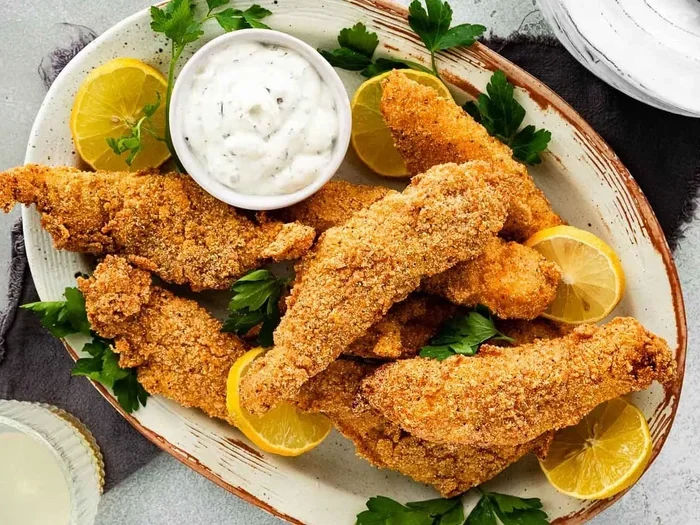
Want to know how to make fried fish taste better? The secret lies in the right batter, proper oil temperature, and bold seasoning. Whether you prefer pan-fried or deep-fried fish, these simple tips will transform your fillets from bland to mouthwatering.
Key Takeaways
- Choose the right oil: Using oils with a high smoke point like peanut or vegetable oil keeps your fish crispy and flavorful.
- Season at every stage: Season the fish before, in the batter, and after frying for maximum flavor.
- Don’t skip the milk soak: Soaking fish in milk before breading removes any fishy taste and tenderizes the flesh.
- Keep oil temperature steady: Frying at 350-375°F ensures a crispy outside and a juicy inside.
- Use a light batter: A thin, well-seasoned batter lets the natural fish flavor shine through.
- Drain properly: Placing fried fish on a wire rack keeps it crispy instead of soggy.
📑 Table of Contents
- How to Make Fried Fish Taste Better: Simple Tips for Crispy, Flavorful Fish
- Start with the Right Fish and Prep
- Master the Batter and Breading
- Choose the Best Oil and Get the Temperature Right
- Season at Every Stage for Maximum Flavor
- Common Mistakes That Make Fried Fish Taste Bad
- Pair Your Fried Fish with the Right Sides
- Final Thoughts on Making Fried Fish Taste Better
How to Make Fried Fish Taste Better: Simple Tips for Crispy, Flavorful Fish
Fried fish is a favorite for many people. It is crispy on the outside and tender on the inside. But sometimes, the result can be bland or soggy. If you have ever wondered how to make fried fish taste better, you are in the right place. A few small changes can make a huge difference.
The good news is that improving fried fish flavor is not hard. You do not need fancy ingredients or special equipment. With the right oil, a solid batter, and smart seasoning, your fried fish will taste restaurant-quality. Let us walk through everything step by step.
Whether you cook on the stovetop or in a deep fryer, these tips work for every type of fish. Cod, tilapia, catfish, and pollock all respond well to these methods. So grab your fillets, and let us get started.
Start with the Right Fish and Prep
Great fried fish starts before you ever heat the oil. Choosing the right fish and prepping it properly sets the foundation for great flavor.
Pick the Right Fish
Not all fish fry the same way. Firm fish like cod, haddock, and catfish hold up well in hot oil. Flaky fish like tilapia can work too, but you need to be gentle. Avoid thin fillets that will overcook quickly.
Fresh fish always tastes better than frozen. But if you must use frozen, thaw it completely first. Pat the fillets dry with paper towels. Moisture is the enemy of a crispy crust.
Soak Your Fish Before Breading
One of the best ways to improve flavor is to soak your fish before coating it. Soaking fish in milk is a classic trick that many home cooks swear by. It removes any fishy smell and makes the flesh more tender.
Simply place your fillets in a bowl of milk for 20 to 30 minutes. Then pat them dry before dipping them into your batter or breading. This small step makes a big difference in taste and texture.
Master the Batter and Breading
The coating is where a lot of the flavor lives. A good batter should be light, crispy, and well-seasoned. Here is how to get it right.
Keep Your Batter Light
Thick batter leads to heavy, doughy fish. A thin batter coats the fish better and fries up crispy. A simple mix of flour, salt, pepper, and a little baking powder works wonders.
You can also add paprika, garlic powder, or cayenne pepper for extra kick. Some people like to use beer instead of water in their batter. The carbonation creates tiny bubbles that make the coating extra light and crunchy.
Double-Dip for Extra Crunch
If you love a thick, crunchy coating, try double-dipping. Dip the fish in batter, then in breadcrumbs, then back in batter again. This creates a layered crust that stays crispy even after a few minutes.
This technique is popular in Southern cooking and fish fry restaurants. It takes a little more effort, but the result is worth it. Your fried fish will have a satisfying crunch with every bite.
Choose the Best Oil and Get the Temperature Right
The oil you use and the temperature you fry at are critical. Getting this wrong can ruin even the best fish.
Use the Right Oil
Not all cooking oils are created equal for frying. You need an oil with a high smoke point so it does not burn. Peanut oil is a top choice for fried fish. It has a neutral flavor and can handle high heat.
Vegetable oil and canola oil are also great options. They are affordable and widely available. Avoid olive oil for deep frying. It has a low smoke point and a strong flavor that can overpower the fish.
Maintain the Correct Temperature
Fry your fish at 350 to 375 degrees Fahrenheit. If the oil is too cool, the fish will absorb grease and taste heavy. If it is too hot, the outside will burn while the inside stays raw.
Use a kitchen thermometer to check the oil temperature. This is one of the easiest ways to improve your fried fish. A steady temperature ensures even cooking and a golden-brown crust every time.
Season at Every Stage for Maximum Flavor
Seasoning is the secret weapon of great fried fish. Most people only salt the outside, but layering flavor at each step makes a big impact.
Season the Fish Itself
Before you dip your fish into any batter, season it directly. A pinch of salt, a dash of black pepper, and a squeeze of lemon juice work beautifully. This seasons the fish from the inside out.
Some cooks like to add a little garlic powder or onion powder to the fish before breading. These flavors penetrate the flesh and add depth. Do not be shy with seasoning at this stage.
Season the Batter Too
Your batter should be seasoned just as well. Plain flour and water is boring. Add salt, pepper, and your favorite spices right into the batter mix.
Old Bay seasoning is a classic choice for fried fish. It adds a savory, slightly spicy flavor that pairs perfectly with seafood. You can also add dried herbs like dill or parsley for a fresh touch.
Season After Frying
Once your fish comes out of the oil, season it again right away. The hot surface helps the salt stick. A light sprinkle of flaky sea salt adds a nice crunch and burst of flavor.
A squeeze of fresh lemon juice on top brightens everything up. Acid cuts through the richness of the fried coating and balances the dish. This final step takes your fried fish from good to great.
Common Mistakes That Make Fried Fish Taste Bad
Avoiding common mistakes is just as important as using the right techniques. Here are the errors that can ruin your fried fish.
Overcrowding the Pan
Frying too many fillets at once drops the oil temperature. The fish steams instead of fries, and you end up with soggy, greasy fish. Fry in small batches to keep the oil hot.
Not Draining Properly
Placing fried fish on a paper towel can make the bottom soggy. The steam gets trapped and softens the crust. Use a wire rack set over a baking sheet instead. Air circulates around the fish and keeps it crispy.
Skipping the Rest Time
Fried fish needs a moment to rest after cooking. Let it sit for a couple of minutes on the wire rack. This allows the juices to redistribute and the crust to set. Cutting into it too soon releases steam and makes it limp.
Pair Your Fried Fish with the Right Sides
The sides you serve with fried fish can elevate the whole meal. A great side adds contrast and balance to the rich, crispy fish.
Classic coleslaw is a perfect match. The cool, crunchy texture complements the hot, crispy fish. French fries or hush puppies are also traditional favorites that pair well.
For a lighter option, try a fresh salad or roasted vegetables. A tangy dipping sauce like tartar sauce or remoulade adds extra flavor. Lemon wedges on the side are always a good idea too.
For more ideas on making fish dishes taste better overall, check out our guide on how to make fish taste better. It covers a wide range of cooking methods and flavor-boosting tips.
Final Thoughts on Making Fried Fish Taste Better
Learning how to make fried fish taste better does not require years of practice. Start with fresh, quality fish. Prep it properly by soaking and seasoning at every stage. Use the right oil and maintain the correct frying temperature. And never underestimate the power of a well-seasoned batter.
These tips work whether you are cooking for a family dinner or a casual weekend meal. Once you try them, you will notice an immediate improvement in flavor and texture. Your fried fish will be crispy on the outside, juicy on the inside, and full of flavor.
So the next time you are ready to fry up some fish, remember these steps. A little attention to detail goes a long way. You will be amazed at how much better your homemade fried fish can taste. Happy cooking!
Frequently Asked Questions
What is the best oil for frying fish?
Peanut oil is the best choice for frying fish. It has a high smoke point and a neutral flavor that does not overpower the fish. Vegetable oil and canola oil are also excellent alternatives that work well for both stovetop and deep frying.
How do I keep my fried fish from tasting fishy?
Soaking your fish in milk for 20 to 30 minutes before breading removes the fishy smell. You can also season the fish generously with salt, pepper, and lemon juice. Make sure your oil is hot enough so the fish fries quickly and does not absorb excess grease.
Can I use beer in my fish batter?
Yes, beer makes an excellent batter base. The carbonation creates light, airy bubbles that result in a crispy coating. Use a light lager or pilsner for the best results. The alcohol cooks off quickly, leaving behind a flavorful, crunchy crust.
Why is my fried fish soggy instead of crispy?
Soggy fried fish usually means the oil temperature was too low. Fry at 350 to 375 degrees Fahrenheit for the best results. Also, avoid overcrowding the pan, and drain the fish on a wire rack instead of paper towels to keep the crust crispy.
How long should I soak fish before frying?
A 20 to 30 minute soak in milk is ideal. This gives enough time to remove any fishy taste and tenderize the flesh. If you are in a hurry, even 10 minutes can help. Just make sure to pat the fish dry before coating it.
What are the best seasonings for fried fish?
Salt and black pepper are the essentials. Old Bay seasoning adds a classic seafood flavor. Garlic powder, paprika, cayenne pepper, and dried dill all work well too. For a Southern-style flavor, try adding a pinch of cayenne and smoked paprika to your batter mix.