How Care for a Betta Fish
Learning how care for a betta fish is easier than most people think. This guide covers everything from tank setup and water temperature to feeding schedules and health tips. Whether you are a complete beginner or looking to improve your routine, you will find practical steps to keep your betta happy and healthy for years to come.
So you just brought home a betta fish, or maybe you have had one for a while and want to do better. Either way, learning how care for a betta fish properly is the single most important thing you can do. These beautiful, colorful fish are more resilient than people give them credit for, but they still need the right conditions to truly thrive.
A lot of beginners make the mistake of thinking bettas are low-effort pets. They can survive in small bowls, right? Well, yes, but surviving and thriving are two very different things. A well-cared-for betta can live five to seven years, sometimes even longer. That is a big commitment, and it starts with understanding what your fish actually needs.
In this guide, we will walk through everything step by step. From choosing the right tank size to picking the best food, we have you covered. You will also learn about water parameters, common health issues, and simple daily routines that make a huge difference. By the end, you will feel confident and ready to give your betta the best life possible.
Key Takeaways
- Proper Tank Setup: A minimum 5-gallon tank with a gentle filter and heater creates the ideal habitat for your betta.
- Consistent Water Maintenance: Regular water changes and parameter testing prevent most common health issues.
- Smart Feeding Habits: Feeding small amounts twice a day avoids overfeeding and keeps your betta in top shape.
- Watch for Warning Signs: Recognizing early symptoms of illness helps you act fast and save your fish.
- Patience Pays Off: Building a stable environment takes time, but the rewards of a thriving betta are worth it.
📑 Table of Contents
Understanding Betta Fish Basics
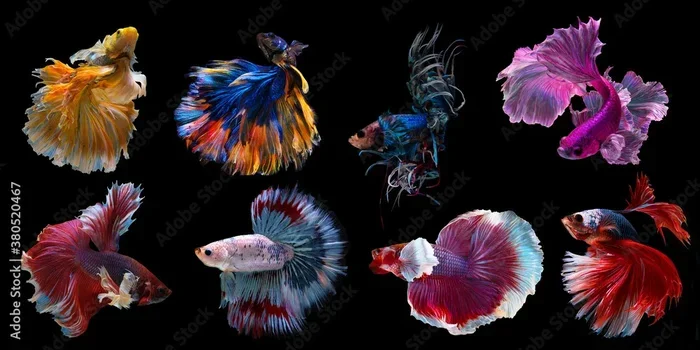
Before you dive into the daily routine, it helps to understand a little about betta fish themselves. Betta fish, also known as Siamese fighting fish, come from the warm, slow-moving waters of Southeast Asia. They are labyrinth fish, which means they can breathe air from the surface. This is why you will often see your betta gulp air at the top of the tank.
Knowing where bettas come from helps you recreate a comfortable environment. They prefer warm water, gentle flow, and plenty of places to explore. Understanding these natural instincts makes it much easier to provide proper care.
Why Proper Care Matters
When you learn how care for a betta fish correctly, you set the foundation for a long and healthy life. Poor care leads to stress, disease, and a shortened lifespan. On the flip side, a well-maintained tank with stable conditions brings out your betta’s best colors and natural behaviors. Your fish will be more active, more colorful, and more engaging to watch.
Many people also do not realize that bettas can recognize their owners over time. With consistent care and attention, your betta will start associating you with feeding time and may even swim to the front of the tank when you approach. That kind of bond is incredibly rewarding, and it all starts with getting the basics right.
Setting Up the Perfect Betta Tank
The tank you choose plays a huge role in your betta’s overall well-being. Many pet stores sell bettas in tiny cups or vases, and that can be misleading. A small container might keep a fish alive temporarily, but it does not give them room to swim or explore. For the best results, you want to follow the proper setup guidelines.
If you are new to fishkeeping, check out this detailed guide on how to set up a fish tank for betta fish to make sure you get every detail right from day one.
Tank Size and Shape
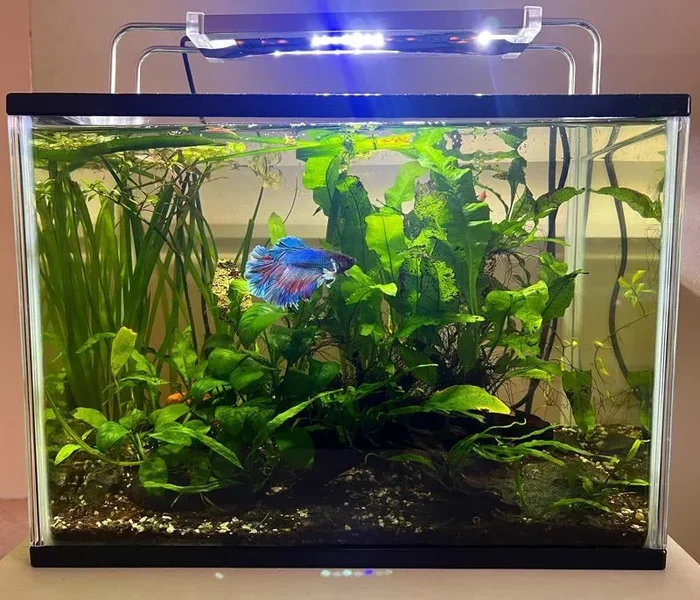
The minimum tank size for a single betta is 5 gallons. Some people think a small bowl works fine, but a larger tank gives you more stability with water parameters. A 5-gallon tank is easier to heat and filter than a tiny container, and it gives your betta space to swim freely.
Here are a few quick tips for choosing the right tank:
- Go for a longer tank rather than a tall one. Bettas swim horizontally and appreciate horizontal space.
- Avoid tanks under 3 gallons if you want a stable environment.
- A 10-gallon tank is even better if you have the space and budget.
- Make sure the tank has a lid. Bettas are jumpers and can escape if the tank is open.
Filtration and Heating
Betta fish need a gentle filter. Strong currents stress them out because their long fins make swimming difficult in fast-moving water. Sponge filters work great for betta tanks. They provide mechanical and biological filtration without creating a strong flow.
A heater is equally important. Bettas thrive in water temperatures between 76 and 82 degrees Fahrenheit. Room temperature water is usually too cool, especially during winter months. A small adjustable heater keeps the temperature stable, which is key for your betta’s immune system and overall health.
Decorations and Hiding Spots
Bettas love places to explore and hide. Add some live or silk plants, caves, and gentle decorations. Avoid sharp plastic plants that can tear their delicate fins. Live plants like java fern or anubias are excellent choices because they also help keep the water clean.
Adding a leaf hammock or floating log gives your betta a cozy spot to rest near the surface. Since bettas breathe air, they appreciate easy access to the top of the tank. These small touches make a big difference in how comfortable and secure your fish feels.
Water Quality and Maintenance
If there is one thing that matters most in betta care, it is water quality. Fish live in their water, and dirty water leads to stress, illness, and death. Keeping the water clean and chemically balanced is not complicated, but it does require consistency.
For a step-by-step guide on keeping the water clean, you can read our article on how to do a water change for betta fish. It covers everything from syphoning gravel to treating new water properly.
Essential Water Parameters
Bettas do best in specific water conditions. Here are the key numbers you should know:
- Temperature: 76 to 82 degrees Fahrenheit
- pH Level: 6.5 to 7.5
- Ammonia: 0 ppm (parts per million)
- Nitrite: 0 ppm
- Nitrate: Below 20 ppm
Testing your water regularly with a liquid test kit is the best way to stay on top of these numbers. Test strips are okay for beginners, but liquid tests give you much more accurate results. You should test your water at least once a week, especially during the first few weeks of tank cycling.
The Nitrogen Cycle Explained Simply
The nitrogen cycle is the process that breaks down harmful waste in your tank. When your fish produce waste, ammonia builds up. Beneficial bacteria convert ammonia into nitrite, and then nitrite into nitrate. Nitrate is much less harmful and gets removed through water changes.
Cycling your tank before adding your betta is crucial. This process takes about 4 to 6 weeks. You can speed it up with bottled bacteria supplements. A fully cycled tank means stable, safe water for your fish every single day.
How Often to Change the Water
For a 5-gallon betta tank, you should do a 25 to 30 percent water change every week. This removes excess nitrate and keeps the water fresh without disrupting the beneficial bacteria colony. Use a gravel vacuum to clean the substrate while you remove water.
Always treat new water with a dechlorinator before adding it to the tank. Tap water contains chlorine and chloramine that are harmful to fish. Let the new water match the tank temperature before you add it in. Sudden temperature changes can shock your betta and cause serious health problems.
Feeding Your Betta Fish the Right Way
Feeding seems simple, but it is one of the areas where most betta owners make mistakes. Overfeeding is extremely common and can lead to bloating, constipation, and poor water quality. Underfeeding is less common but still a concern if you are not giving your fish a balanced diet.
For detailed guidance on portions and feeding schedules, check out our article on how much food for a betta fish. It covers exactly how much and how often to feed for the best results.
What to Feed Your Betta
Bettas are carnivorous fish. They need a protein-rich diet to stay healthy and colorful. Here are the best food options:
- Betta Pellets: High-quality pellets formulated for bettas should be the staple of their diet. Look for brands with a high protein content and minimal fillers.
- Frozen or Freeze-Dried Bloodworms: These make great treats and are packed with protein. Feed them sparingly, about once or twice a week.
- Brine Shrimp: Another excellent treat option that bettas love.
- Daphnia: A natural food that also helps with digestion.
You should avoid feeding your betta flakes meant for tropical community fish. These lack the protein bettas need and can cause digestive issues. Also, never feed your betta live food from an unknown source, as it can introduce parasites and bacteria into the tank.
Feeding Schedule and Portions
Feed your betta two small meals per day, about 12 hours apart. A good rule of thumb is to offer only as much food as your fish can eat in two to three minutes. Remove any uneaten food after feeding to keep the water clean.
Some owners also like to do one fasting day per week. Skipping one feeding day helps prevent constipation and gives the digestive system a break. This simple practice can add months to your betta’s life.
Common Health Issues and How to Prevent Them
Even with the best care, bettas can sometimes get sick. The good news is that most common health problems are preventable with proper tank maintenance and a stress-free environment. Knowing the signs early gives you the best chance of treating issues quickly.
If your betta does show signs of illness, our guide on how to care for sick betta fish provides detailed treatment steps for the most common conditions.
Signs of a Healthy Betta
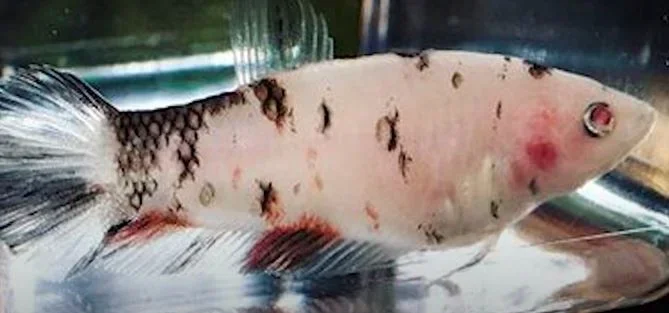
Before we talk about problems, let us talk about what a healthy betta looks like. A healthy betta has bright, vivid colors and flowing fins. They are active and curious, swimming around the tank with interest. They eat eagerly and have a round, plump belly. Their gills move steadily, and they breathe without struggling at the surface.
Common Illnesses to Watch For
Here are the most common health issues betta fish face:
- Fin Rot: Frayed or discolored fins caused by bacterial or fungal infection. Usually triggered by poor water quality.
- Constipation: A swollen belly and difficulty swimming. Often caused by overfeeding or lack of fiber.
- Ich (White Spot Disease): Small white dots on the body and fins. Caused by a parasite and triggered by stress or temperature changes.
- Swim Bladder Disorder: Difficulty maintaining balance or swimming upright. Can be linked to overfeeding or sudden diet changes.
- Betta Tail/Body Fungus: White, cotton-like growths on the body or fins. Usually a sign of poor water conditions.
Prevention Tips
The best medicine is prevention. Here is how you keep your betta healthy:
- Perform regular water changes every week.
- Test water parameters at least once a week.
- Feed a balanced diet and avoid overfeeding.
- Keep the tank away from drafts, direct sunlight, and heat sources.
- Quarantine new fish or plants before adding them to your tank.
- Avoid overcrowding and aggressive tankmates.
Daily and Weekly Care Routine
Consistency is the secret to successful betta care. Once you build a routine, maintaining the tank becomes second nature. Here is a simple schedule to follow.
Daily Tasks
- Feed your betta two small meals, once in the morning and once in the evening.
- Spend a few minutes watching your fish for any unusual behavior.
- Check the heater and filter to make sure they are working properly.
- Remove any visible debris or uneaten food from the tank.
Weekly Tasks
- Perform a 25 to 30 percent water change with treated, temperature-matched water.
- Vacuum the gravel to remove waste and leftover food.
- Wipe down the inside glass to remove algae buildup.
- Test water parameters with your liquid test kit.
- Rinse filter media in removed tank water (never tap water) to preserve beneficial bacteria.
Monthly Tasks
- Inspect all equipment including heaters, filters, and lights.
- Trim any live plants that are growing too long.
- Replace filter cartridges if needed, but always keep some old media to maintain bacteria colonies.
- Review your feeding schedule and adjust portions if needed.
Common Mistakes to Avoid
Even well-meaning betta owners make mistakes. The good news is that most of these are easy to avoid once you know what they are. Here are the most common pitfalls to watch out for.
Keeping your betta in a bowl smaller than 3 gallons. Bettas need space to swim and stable water conditions. A tiny bowl leads to rapid ammonia buildup and stressed fish.
Overfeeding. This is the number one mistake new owners make. Excess food rots in the tank and pollutes the water. Stick to small portions and skip one feeding per week.
Skipping water changes. Even with a filter, waste builds up over time. Weekly water changes are non-negotiable for a healthy betta tank.
Using untreated tap water. Chlorine and chloramine in tap water are toxic to fish. Always use a water conditioner before adding water to your tank.
Placing the tank in direct sunlight. Sunlight causes algae blooms and temperature swings. Keep your betta tank in a stable, indirect light location.
Adding incompatible tankmates. While bettas can sometimes live with other fish, many common community fish are too active or fin-nippy for bettas. Research any potential tankmate carefully before introducing them.
Final Thoughts
Learning how care for a betta fish does not have to be overwhelming. Start with the basics, stay consistent, and you will be rewarded with a beautiful, active fish that brings joy to your home every single day. The key is to build habits that support stable water conditions, proper nutrition, and a stress-free environment.
Remember that every betta is an individual. Some are bold and energetic, while others are calm and laid back. Observing your fish and adjusting your care routine based on their behavior is one of the most rewarding parts of fishkeeping. Trust your instincts, keep learning, and enjoy the journey.
If you are just getting started, make sure to read our beginner-friendly guide on how to care for a betta fish 101 for even more foundational tips. And if you ever have questions about your betta’s health or behavior, do not hesitate to reach out to experienced fishkeepers or a trusted veterinarian who specializes in aquatic animals.
Your betta fish depends on you for everything. The time and effort you invest in proper care will pay off in a happy, healthy companion that lights up your room with color and personality. Start today, stay consistent, and watch your betta thrive.
Frequently Asked Questions
How often should I feed my betta fish?
Feed your betta two small meals per day, about 12 hours apart. Offer only as much food as your fish can eat in two to three minutes. One fasting day per week is also a great practice to support digestion.
What size tank does a betta fish need?
A minimum of 5 gallons is recommended for a single betta fish. Larger tanks, such as 10 gallons, provide even more stability and room for your fish to swim and explore comfortably.
Can betta fish live in a bowl without a filter?
While bettas can survive in a bowl, they thrive much better in a filtered and heated tank. A filter helps maintain clean water and reduces the frequency of water changes needed.
How do I know if my betta fish is sick?
Look for signs like faded colors, clamped fins, loss of appetite, labored breathing, white spots, or unusual swimming behavior. Catching these symptoms early makes treatment much more effective.
What water temperature is best for betta fish?
Bettas do best in water temperatures between 76 and 82 degrees Fahrenheit. A small aquarium heater helps maintain a stable temperature, especially during colder months.
Can I keep other fish with my betta?
It depends on the species. Peaceful, non-fin-nipping tankmates like corydoras or kuhli loaches can sometimes work. Avoid housing your betta with aggressive or overly active fish that may stress them out.