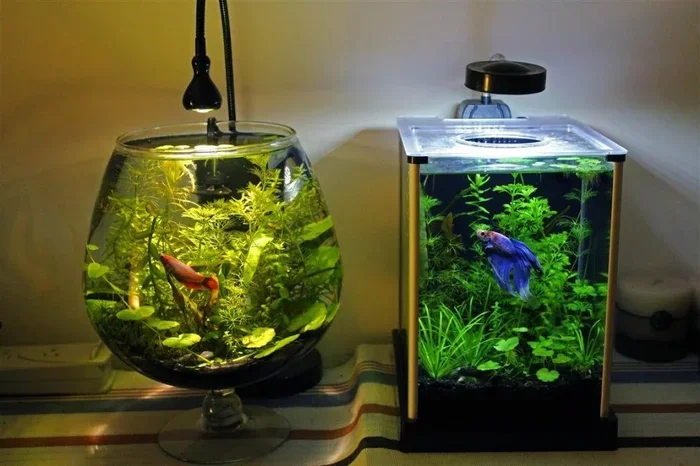
Is a Smaller or Bigger Fish Probe Better
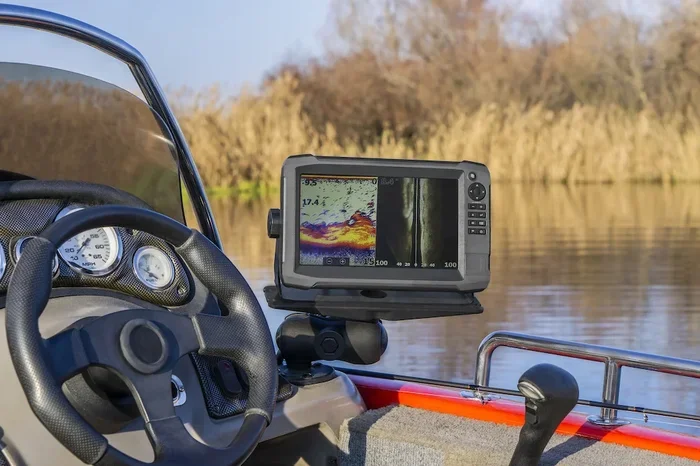
A smaller fish probe offers precision and fits tight spaces, while a bigger probe provides stability and faster readings. The right choice depends on your tank size, betta fish needs, and accuracy goals. This guide breaks down the pros and cons so you can pick the best probe for your aquarium setup.
When it comes to keeping your betta fish healthy, few things matter more than water temperature. A stable, comfortable environment helps your fish thrive, fight off disease, and show off vibrant colors. That is where a fish probe comes in. But here is the question many fish keepers ask: should you go with a smaller or bigger fish probe?
The answer is not as simple as one-size-fits-all. Both sizes have real advantages, and the best choice depends on your tank setup, your betta fish needs, and how much accuracy you want. In this guide, we will walk through everything you need to know to make the right call.
Whether you run a tiny desktop tank or a larger aquarium setup, picking the right probe size affects how well you monitor water temperature. We will break down the differences, share practical tips, and help you avoid common mistakes. By the end, you will feel confident choosing the perfect probe for your betta fish habitat.
Key Takeaways
- Smaller probes are ideal for compact betta tanks and give precise readings in tight spaces.
- Bigger probes offer faster temperature stabilization and work well in larger aquariums.
- Probe material matters — stainless steel and glass probes are safe and durable.
- Placement is key — always position the probe away from heaters and filters for accurate results.
- Digital probes tend to be more accurate than analog ones, regardless of size.
- Tank size dictates probe size — match the probe to your aquarium for the best performance.
- Regular calibration keeps your fish probe accurate and your betta fish healthy.
📑 Table of Contents
- What Is a Fish Probe and Why Does Size Matter?
- Smaller Fish Probes: Pros and Cons
- Bigger Fish Probes: Pros and Cons
- Which Probe Size Is Best for Betta Fish Tanks?
- Probe Material and Build Quality
- Best Practices for Placing Your Fish Probe
- Common Mistakes to Avoid When Choosing a Probe
- Quick Tips for Choosing the Right Fish Probe
- Expert Insights: What Aquarists Recommend
- Final Thoughts: Smaller or Bigger Fish Probe?
What Is a Fish Probe and Why Does Size Matter?
A fish probe is the sensor part of a thermometer or temperature monitor used in aquariums. It reads the water temperature and sends that data to a display. You will find probes in digital thermometers, aquarium controllers, and even some fish tank heaters.
The size of the probe affects how quickly it responds to temperature changes, how accurate its readings are, and where you can place it inside the tank. A probe that is too large for a small tank can disrupt water flow and take up valuable space. A probe that is too small might give slow or inconsistent readings in a bigger tank.
How Probe Size Affects Accuracy
A smaller probe heats up or cools down faster because it has less mass. This means it picks up temperature changes quickly. That sounds great, but it can also lead to false readings if the probe sits near a heater or filter output.
A bigger probe takes longer to adjust to temperature shifts, but it averages out fluctuations better. This gives you a more stable reading over time. For betta fish, which need a steady temperature between 76 and 82 degrees Fahrenheit, stability is key.
Smaller Fish Probes: Pros and Cons
A smaller fish probe is usually under two inches long. These compact sensors are popular among betta keepers with small tanks, desktop aquariums, and nano setups.
Benefits of a Smaller Probe
- Faster response time — the probe detects temperature changes almost instantly.
- Compact size — fits easily in tanks as small as one gallon, which is common for betta fish.
- Less water displacement — does not disturb the flow or take up valuable swimming space.
- Easy to hide — you can place it behind decorations or inside a substrate without it being an eyesore.
- Portable — great if you move your betta fish tank between rooms or travel with your setup.
Drawbacks of a Smaller Probe
- Less stable readings — can be affected by tiny temperature fluctuations from nearby equipment.
- Fragile — smaller probes, especially glass ones, break more easily during handling.
- Harder to read — some small probes have tiny displays that are tough to see from a distance.
- Not ideal for large tanks — in tanks over ten gallons, a small probe may not capture the full picture of water temperature.
Bigger Fish Probes: Pros and Cons
A bigger fish probe typically measures over two inches in length. These are common in larger aquariums and professional-grade monitoring systems.
Benefits of a Bigger Probe
- More stable readings — averages out temperature swings and gives you a reliable baseline.
- Faster response in big tanks — the larger sensor surface area interacts with more water, giving quicker results in tanks over ten gallons.
- Durable construction — bigger probes are usually made from sturdier materials like stainless steel.
- Easier to read — larger displays and indicators make it simple to check the temperature at a glance.
- Better for aquarium controllers — many automated systems require a larger probe to trigger heaters or coolers accurately.
Drawbacks of a Bigger Probe
- Takes up space — in a small betta tank, a large probe can crowd your fish and block swimming paths.
- Slower initial response — it takes a few seconds longer to register a temperature change.
- Harder to position — finding a discreet spot in a compact tank can be tricky.
- Higher cost — bigger probes with better build quality often cost more.
Which Probe Size Is Best for Betta Fish Tanks?
Betta fish need warm, stable water between 76 and 82 degrees Fahrenheit. They are sensitive to sudden temperature drops or spikes. That means your fish probe needs to give you reliable, consistent readings.
For tanks under five gallons, a smaller probe is usually the better choice. It fits without crowding the tank and responds fast enough to alert you to any problems. For tanks between five and twenty gallons, you have more flexibility. A medium-sized probe balances speed and stability well.
For tanks over twenty gallons, a bigger probe shines. It gives you a more complete picture of the water temperature across the tank. This is especially important if you keep multiple fish or have a complex aquascape with lots of hardscape and plants.
Matching Probe Size to Tank Size
- 1 to 5 gallons (nano betta tanks): Go with a smaller probe, around one to two inches.
- 5 to 15 gallons (standard betta tanks): A medium probe, two to three inches, works perfectly.
- 15 to 30 gallons (larger setups): Choose a bigger probe, three inches or more, for stable readings.
- Over 30 gallons (community tanks): Use a large probe or even multiple probes for the best coverage.
Probe Material and Build Quality
Size is not the only factor. The material of your fish probe also matters a lot. Cheap plastic probes can leach chemicals into the water and give inaccurate readings. Here are the most common materials you will encounter.
Stainless Steel Probes
Stainless steel is the gold standard for aquarium probes. It is durable, corrosion-resistant, and safe for freshwater tanks. Most bigger probes use stainless steel because it holds up well over time.
Glass Probes
Glass probes are common in cheaper digital thermometers. They are accurate but fragile. A smaller glass probe works fine for a betta tank, but you need to handle it carefully during cleaning or water changes.
Plastic Probes
Plastic probes are lightweight and affordable, but they are less accurate and can degrade over time. Avoid using them in tanks where temperature precision matters, like a betta fish habitat.
NTC and Thermistor Probes
These are electronic temperature sensors that come in various sizes. They are found in high-end aquarium controllers and offer excellent accuracy. Many of these are compact, making them a great choice for small betta fish tanks.
Best Practices for Placing Your Fish Probe
Even the best probe will give bad readings if you place it poorly. Here is how to get the most out of your fish probe, no matter what size you choose.
Keep It Away From the Heater
Your heater warms the water directly around it, so placing a probe too close will give you a falsely high reading. Keep the probe at least three inches away from the heater outlet.
Avoid Filter Output Areas
Filter outflows can create cool spots or stir up debris that affects the probe. Position the probe in a calm area of the tank where water flows naturally.
Place It Mid-Water
The best location for a probe is in the middle of the water column, not at the top or bottom. Temperature can vary from the surface to the substrate, and mid-water gives you the most representative reading.
Secure the Probe
Use suction cups or clips to hold the probe in place. A loose probe can drift and touch the glass, heater, or filter, which skews the readings. This is especially important for smaller probes that are lightweight.
Common Mistakes to Avoid When Choosing a Probe
Many fish keepers make avoidable mistakes when picking a fish probe. Here is what to watch out for.
- Choosing size based on looks alone: A pretty probe is useless if it does not give accurate readings. Always prioritize function over appearance.
- Ignoring calibration: Even the best probe drifts over time. Calibrate it monthly using ice water or boiling water to check accuracy.
- Using a probe designed for saltwater in a freshwater tank: Some probes are made specifically for saltwater environments. While a freshwater probe works fine for most setups, always check compatibility.
- Neglecting cable management: A dangling cable can snag on decorations or get caught in filter intakes. Use cable clips to keep things tidy.
- Forgetting to replace probes: Probes wear out. A probe that is more than two years old may give unreliable data. Replace it regularly to keep your betta fish tank environment stable.
Quick Tips for Choosing the Right Fish Probe
- Match the probe size to your tank volume for the best accuracy.
- Choose stainless steel or glass for durability and safety.
- Go digital for easier reading and better precision.
- Calibrate your probe at least once a month.
- Place the probe mid-water, away from heaters and filters.
- If you have a small betta tank, a compact probe is your best friend.
- For larger setups, invest in a bigger probe or a multi-sensor system.
Expert Insights: What Aquarists Recommend
Experienced betta fish keepers agree that probe size should always match your tank and your goals. Many seasoned aquarists prefer a medium-sized probe for standard betta tanks because it balances speed and reliability. Some also recommend having a backup probe, especially if you rely on automated temperature control systems in your aquarium.
If you are new to betta fish keeping, start simple. A small digital probe with a clear display is easy to use and gives you the information you need without overwhelming you. As your setup grows, you can upgrade to a larger or more advanced probe system.
Remember, the probe is just one part of the equation. Proper water temperature management also involves a reliable heater, regular water changes, and a well-insulated tank. If you are setting up a new tank, make sure your choices for substrate and tank material support a stable environment. For example, the debate between sand and gravel can affect how heat distributes in your tank, just like your probe affects how well you monitor it.
Similarly, the type of fish you keep matters. Betta fish are freshwater creatures, and their needs differ from saltwater species. Understanding whether freshwater or saltwater setups require different monitoring tools can help you make better choices for your aquarium. If you are curious about other betta fish decisions, exploring whether male or female bettas behave differently can also give you useful context for tank design and equipment choices.
Final Thoughts: Smaller or Bigger Fish Probe?
So, is a smaller or bigger fish probe better? The truth is, both have a place in the aquarium hobby. A smaller probe excels in compact betta tanks where space is limited and quick response matters. A bigger probe delivers stable, reliable readings in larger tanks where consistency is the priority.
The best approach is to assess your tank size, your betta fish needs, and your budget. Pick a probe that fits your setup, place it correctly, and maintain it regularly. With the right probe, you will keep your betta fish happy, healthy, and thriving for years to come.
Take the time to research your options, read reviews, and maybe even ask fellow aquarists for recommendations. The right fish probe is a small investment that makes a big difference in your aquarium experience. Your betta fish will thank you for it.
Frequently Asked Questions
Can I use one probe for multiple betta fish tanks?
Yes, you can move a probe between tanks, but you should calibrate it each time. Temperature differences between tanks can throw off readings if you do not reset the probe. A quick calibration in room-temperature water before each use keeps things accurate.
How often should I replace my fish probe?
Most aquarium experts recommend replacing your probe every one to two years. Over time, sensors degrade and become less accurate. If you notice inconsistent readings or slow response times, it is a clear sign your probe needs replacing.
Is a digital probe better than an analog one for betta fish?
Yes, digital probes are generally more accurate and easier to read. They give precise temperature numbers instead of vague color-coded indicators. For betta fish, which need stable temperatures, a digital probe is the smarter choice.
Does probe size affect battery life?
Not significantly. Battery life depends more on the display type and how often the probe takes readings. A smaller probe with a simple LED display may actually last longer than a bigger probe with a backlit screen.
What temperature should a betta fish probe read?
A healthy betta fish tank should read between 76 and 82 degrees Fahrenheit. Your probe should be placed mid-water and away from the heater to give you the most accurate reading of the overall tank temperature.
Can a probe be too big for a small betta tank?
Yes, a probe that is too large can crowd a small tank and disrupt water flow. It can also be harder to position discreetly. For tanks under five gallons, always choose a smaller, compact probe that fits without taking up too much space.